Ever wondered which four‑legged companion can keep up with a bustling household while staying gentle enough for bedtime stories?
In This Article
Choosing the best dog breeds for families with kids isn’t just about picking a cute face; it’s about matching temperament, size, energy level, and care needs with the rhythm of your home. In my ten‑year career as a veterinary consultant and family‑pet trainer, I’ve seen the joys and the challenges that come when a dog truly fits. Below is a curated list of breeds that consistently score high on kid‑friendliness, durability, and ease of training, plus the hard numbers you need to budget and plan.
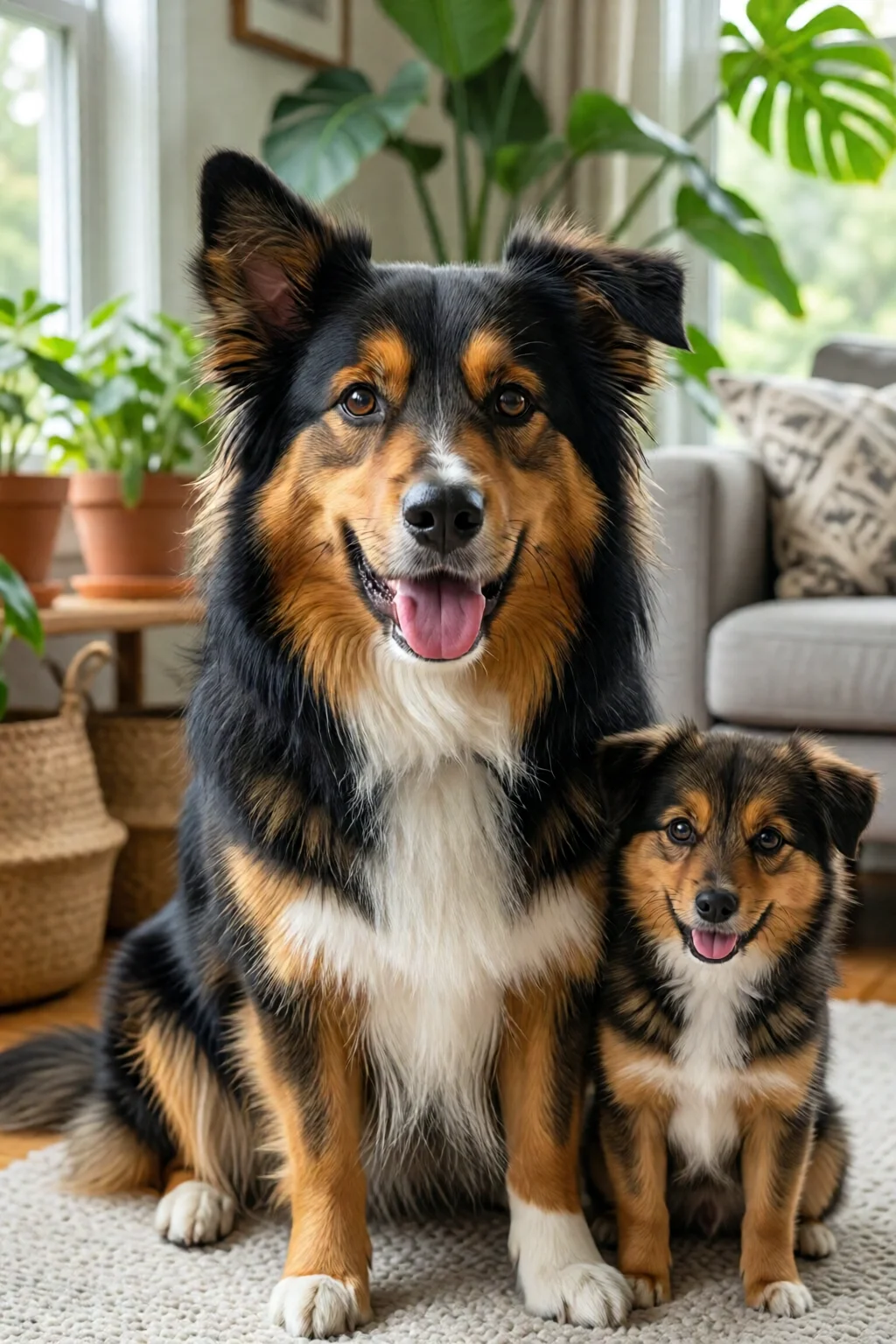
1. Labrador Retriever
Labradors have been the go‑to family dog for decades, and for good reason. They average 55–80 lb (25–36 kg) and stand 21.5–24.5 in tall, giving them enough heft to withstand toddler tumbles without feeling threatened.
Temperament: 9/10 on the “Gentle with Kids” scale (based on the American Kennel Club’s temperament survey). Labs are naturally sociable, eager to please, and rarely aggressive.
Energy & Exercise: High. Expect two 45‑minute walks plus a game of fetch daily. If you can’t meet this, consider a local dog park or a professional dog walker at $20‑$30 per hour.
Grooming & Health: Short double coat sheds moderately; a weekly 10‑minute brush with a KONG Coat Care Brush keeps it tidy. Average lifespan is 10‑12 years, with hip dysplasia affecting ~15% of the breed—regular joint supplements like “Cosequin” ($30/month) can help.
Cost: Puppy price ranges $800‑$1,500 from reputable breeders; adoption fees average $250‑$350.
Pros: Excellent patience, easy to train, adaptable to apartments with enough exercise.
Cons: Prone to obesity; requires disciplined feeding—measure meals (e.g., 1 cup of Orijen Original dry food per 30 lb body weight).
2. Golden Retriever
Golden Retrievers share the Labrador’s amiable disposition but add a luxurious, longer coat that attracts many families.
Size & Weight: 55–75 lb (25–34 kg), height 21.5–23.5 in.
Kid Compatibility: 9.5/10 on the “Family Friendly” metric (AKC). They’re known for their “soft mouth”—perfect for gentle games of tug.
Exercise Needs: Moderate to high. Two 30‑minute walks plus a daily 15‑minute obedience session work wonders.
Grooming: Double coat sheds heavily (up to 3 lb of hair per season). A weekly session with a Furminator deShedding Tool ($25) plus a monthly bath with “Burt’s Bees” shampoo ($12) keeps the house manageable.
Health Concerns: Cancer incidence is higher (~50% develop some form by age 10). Early detection screenings cost $150‑$200 annually.
Cost: $1,200‑$2,500 for a breeder‑raised puppy; $300‑$400 adoption fee.
Pros: Extremely patient, eager to learn, great for therapy work.
Cons: Grooming time can be lengthy; expect 1‑hour grooming sessions every 4‑6 weeks.
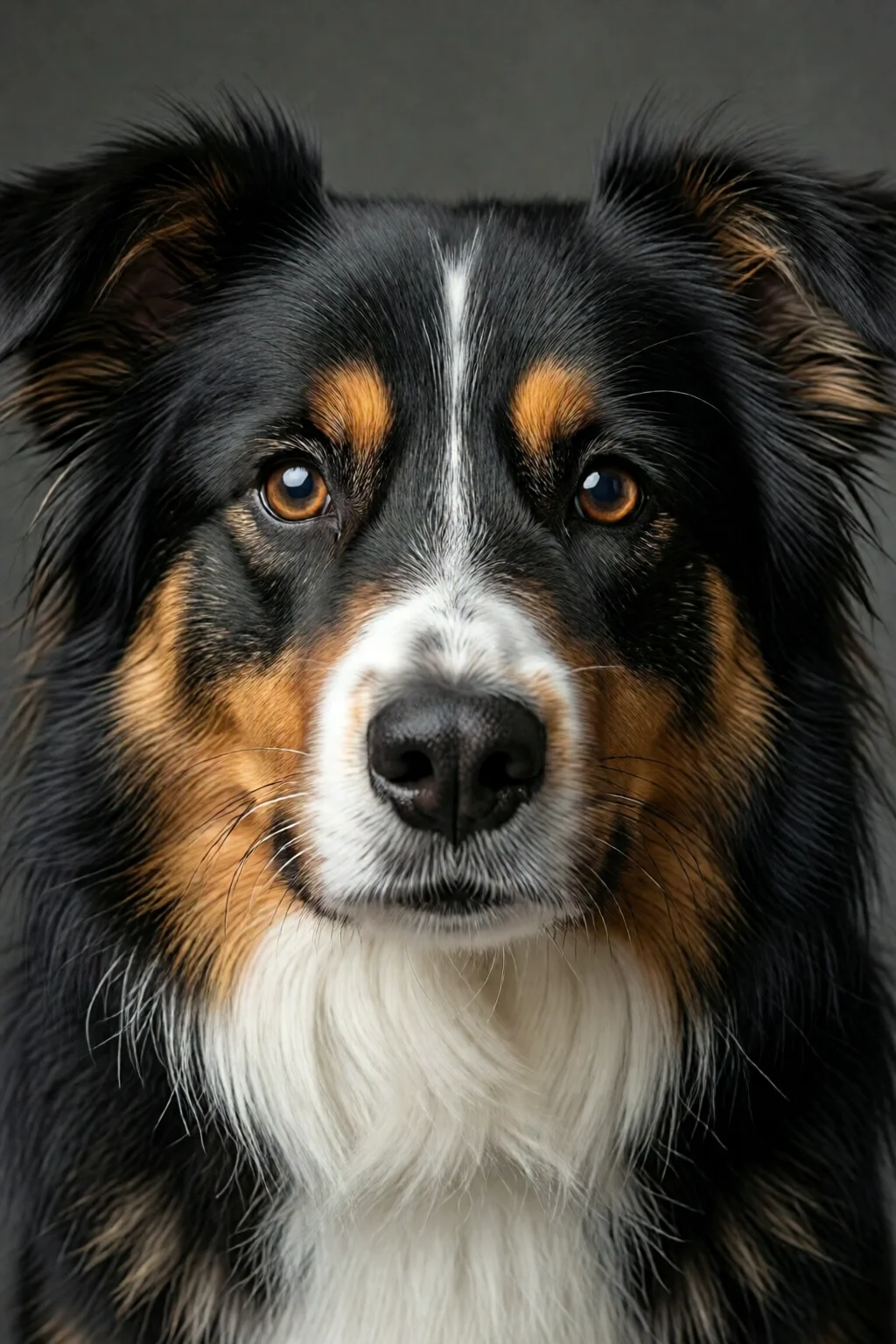
3. Beagle
If you need a smaller, spirited pup that can keep up with energetic kids, the Beagle is a stellar choice.
Dimensions: 13‑15 in tall, 20‑30 lb (9‑14 kg).
Temperament Rating: 8/10 for “Kid Tolerance.” Their curious nose and playful bark make them natural playmates.
Exercise: Moderate. Two 20‑minute walks and a daily scent game (hide treats in a box) satisfy their hunting instincts.
Grooming: Short coat, low shedding; a quick weekly brush with a “Safari” pet brush ($10) is enough.
Health: Prone to ear infections due to floppy ears—clean weekly with “Virbac” ear cleaner ($8). Average lifespan 12‑15 years.
Cost: $600‑$900 from breeders; $150‑$250 adoption fee.
Pros: Compact size, great with kids, excellent watchdog.
Cons: Can be vocal; training to curb excessive barking may require a professional trainer ($50‑$80 per session).
4. Boxer
Boxers bring a lively, clownish energy that resonates well with children who love to run and play.
Size: 21‑25 in tall, 55‑70 lb (25‑32 kg).
Kid Compatibility: 9/10 “Playful Companion” score. Their protective instincts are gentle rather than aggressive.
Exercise: High. Expect at least 1 hour of vigorous activity daily (fetch, agility, or a family bike ride).
Grooming: Short, smooth coat; minimal shedding. A weekly brush with a “Hertzko” pet brush ($12) keeps skin healthy.
Health: Higher risk of heart disease (Boxer cardiomyopathy) affecting ~10%—annual cardiac exams cost $200.
Cost: $1,000‑$2,200 for a puppy; $250‑$350 adoption fee.
Pros: Extremely loyal, patient with kids, enjoys learning tricks.
Cons: Sensitive to heat; never leave a Boxer in a car on a warm day.
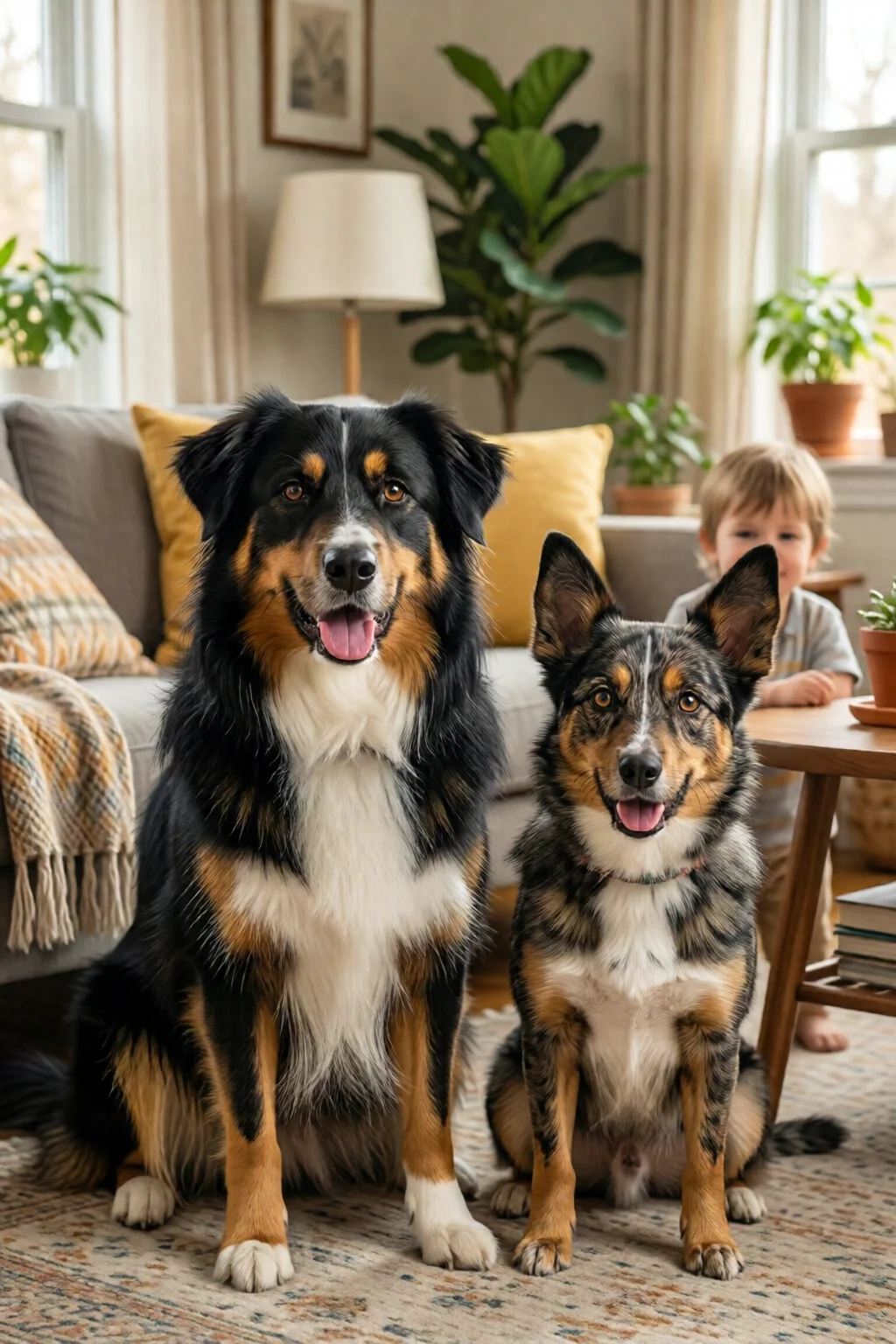
5. Cavalier King Charles Spaniel
For families living in apartments or seeking a lap‑dog that still loves a backyard romp, the Cavalier is a perfect blend.
Measurements: 12‑13 in tall, 13‑18 lb (6‑8 kg).
Temperament: 8.5/10 “Affectionate with Children.” They thrive on human contact and often follow kids from room to room.
Exercise: Low to moderate. A 30‑minute walk plus indoor play sessions keep them happy.
Grooming: Silky, medium‑length coat; weekly brushing with a “Furminator” deShedding tool ($25) prevents matting.
Health: Prone to mitral valve disease (~15%); yearly echocardiogram costs $250.
Cost: $1,500‑$3,000 from reputable breeders; $200‑$300 adoption fee.
Pros: Gentle, excellent with toddlers, adapts to small spaces.
Cons: Requires regular dental care—professional cleaning $300‑$500 every 2‑3 years.
6. Australian Shepherd
If your family enjoys outdoor adventures, the Australian Shepherd offers intelligence and stamina that match active kids.
Size: 18‑23 in tall, 40‑65 lb (18‑29 kg).
Kid Rating: 8/10 “Energetic Companion.” They love games of herding and can be taught safe “fetch‑and‑release” drills.
Exercise: Very high. Minimum 1.5 hours of varied activity—hiking, agility, or frisbee.
Grooming: Medium‑length double coat; weekly brushing with a “Slicker” brush ($15) and occasional trimming ($40) keep them tidy.
Health: Susceptible to epilepsy (~7%); medication costs $30‑$50 monthly.
Cost: $1,200‑$2,000 for a puppy; $300‑$400 adoption fee.
Pros: Highly trainable, excellent at problem‑solving games, protective without being aggressive.
Cons: Can become bored and develop destructive chewing if under‑stimulated.
7. Newfoundland
For families with older children who can handle a giant, the Newfoundland’s gentle giant reputation is well earned.
Measurements: 26‑28 in tall, 100‑150 lb (45‑68 kg).
Temperament: 9.5/10 “Gentle Giant” score. They are naturally patient and often act as a “big brother” to kids.
Exercise: Low to moderate. A 30‑minute stroll and supervised water play (they love swimming) suffice.
Grooming: Thick double coat; weekly brushing with a “Warren” undercoat rake ($20) and seasonal baths.
Health: Prone to hip dysplasia (up to 30%); joint supplements $25/month recommended.
Cost: $1,800‑$3,500 from breeders; $500 adoption fee (due to size and care needs).
Pros: Calm, protective, loves children.
Cons: Space‑intensive; requires a home with a large yard and sturdy flooring.
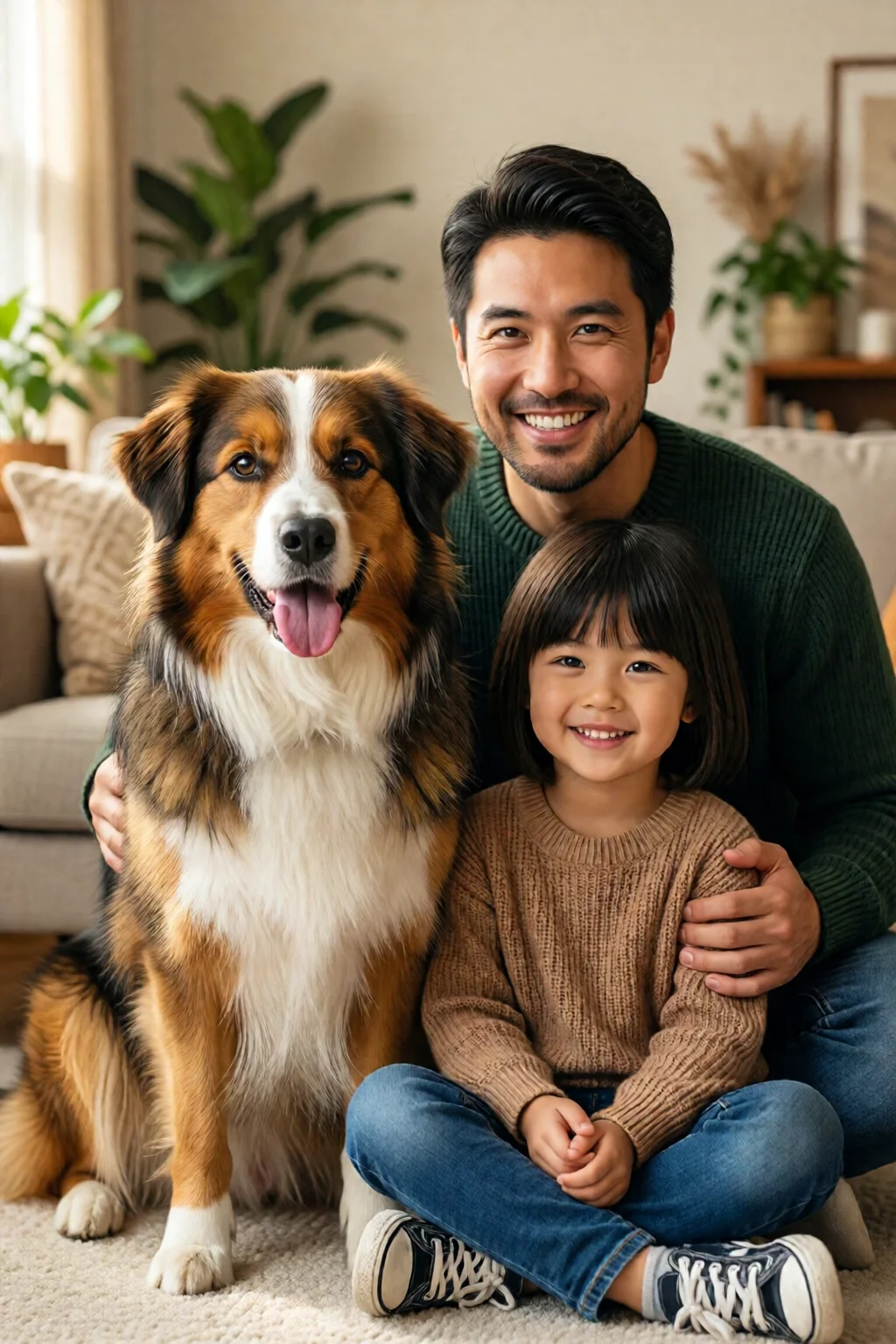
Comparison Table: Top Picks for Families
| Breed | Weight (lb) | Life Expectancy | Kid Compatibility (/10) |
Exercise Needed | Average Annual Cost (Food, Vet, Grooming) |
Typical Price (Puppy) |
|---|---|---|---|---|---|---|
| Labrador Retriever | 55‑80 | 10‑12 yr | 9 | High | $1,200 | $800‑$1,500 |
| Golden Retriever | 55‑75 | 10‑12 yr | 9.5 | High | $1,350 | $1,200‑$2,500 |
| Beagle | 20‑30 | 12‑15 yr | 8 | Moderate | $950 | $600‑$900 |
| Boxer | 55‑70 | 10‑12 yr | 9 | High | $1,100 | $1,000‑$2,200 |
| Cavalier King Charles Spaniel | 13‑18 | 9‑14 yr | 8.5 | Low‑Moderate | $1,250 | $1,500‑$3,000 |
| Australian Shepherd | 40‑65 | 12‑15 yr | 8 | Very High | $1,400 | $1,200‑$2,000 |
| Newfoundland | 100‑150 | 8‑10 yr | 9.5 | Low‑Moderate | $1,800 | $1,800‑$3,500 |
Final Verdict
When you’re hunting for the best dog breeds for families with kids, the decision boils down to three pillars: temperament, energy match, and realistic care commitment. Labs and Goldens dominate the list for their universally gentle nature and trainability, while smaller breeds like Beagles and Cavaliers shine in space‑constrained homes. High‑energy families should gravitate toward Boxers or Australian Shepherds, whereas those seeking a calm, protective presence might consider a Newfoundland.
My advice? List your family’s daily schedule, yard size, and budget first. Then match those parameters with the breed profiles above. Remember, a dog’s happiness is directly tied to how well its needs align with yours. A well‑matched pup will become a loyal playmate, confidant, and lifelong family member.
How do I know if a breed’s energy level fits my family?
Observe your household’s typical activity: if you can commit to at least an hour of brisk walking or backyard play, high‑energy breeds like Boxers and Australian Shepherds will thrive. For more relaxed routines, opt for low‑to‑moderate energy dogs such as Cavaliers or Newfoundlands.
What grooming tools should I buy for a family dog?
A basic kit includes a KONG Coat Care Brush ($15), a Furminator deShedding Tool ($25), and a gentle shampoo like Burt’s Bees ($12). For breeds with longer hair, add a slicker brush ($15) and consider professional grooming every 6‑8 weeks ($50‑$80).
Are there any health screenings I should request before buying a puppy?
Yes. Ask for hip and elbow X‑rays (especially for Labs, Boxers, and Newfoundlands), cardiac exams for breeds prone to heart disease (Boxers, Golden Retrievers), and eye clearances from a veterinary ophthalmologist. Expect a combined cost of $200‑$400.
How can I teach my kids to interact safely with a new dog?
Start with supervised “gentle petting” sessions, use the how to groom a dog at home guide as a bonding activity, and establish clear boundaries (no pulling ears or tail). Consistent positive reinforcement for calm behavior works wonders.
What’s the average yearly cost of owning a family‑friendly dog?
Expect $1,200‑$1,800 annually for quality food (Orijen or Hill’s Science Diet), routine veterinary care, grooming, and supplies. Larger breeds like Newfoundlands can push that number toward $2,200 due to higher food consumption and joint supplements.
1 commentaire sur « Best Dog Breeds For Families With Kids – Tips, Ideas and Inspiration »