Ever wondered whether you’ll spend more time worrying about your dog’s safety than actually enjoying the road trip? Mastering how to travel with a dog safely transforms a stressful ordeal into a smooth adventure for both you and your four‑legged companion.
In This Article
- 1. Pick the Perfect Travel Carrier – Size, Safety, and Comfort Matter
- 2. Schedule a Pre‑Travel Vet Check – Health Clearance Is Non‑Negotiable
- 3. Documentation and Identification – Don’t Let Paperwork Hold You Up
- 4. Pack a Dog‑Travel Survival Kit – Every Essential, No Exceptions
- 5. Car Safety – Secure, Ventilate, and Monitor
- 6. Air Travel – Master the Airline Rules and In‑Flight Comfort
- 7. Destination Planning – Dog‑Friendly Accommodations and Activities
- Comparison Table: Top Travel Carriers for Safety and Comfort
- Final Verdict – Travel with Confidence, Not Anxiety
Whether you’re planning a weekend camping getaway, a cross‑country road trip, or an international flight, the details matter. From choosing the right carrier to navigating airline policies, every step can keep your pup comfortable, secure, and happy. Below is a battle‑tested, step‑by‑step list that covers everything I’ve learned over a decade of traveling with dogs of all sizes and temperaments.
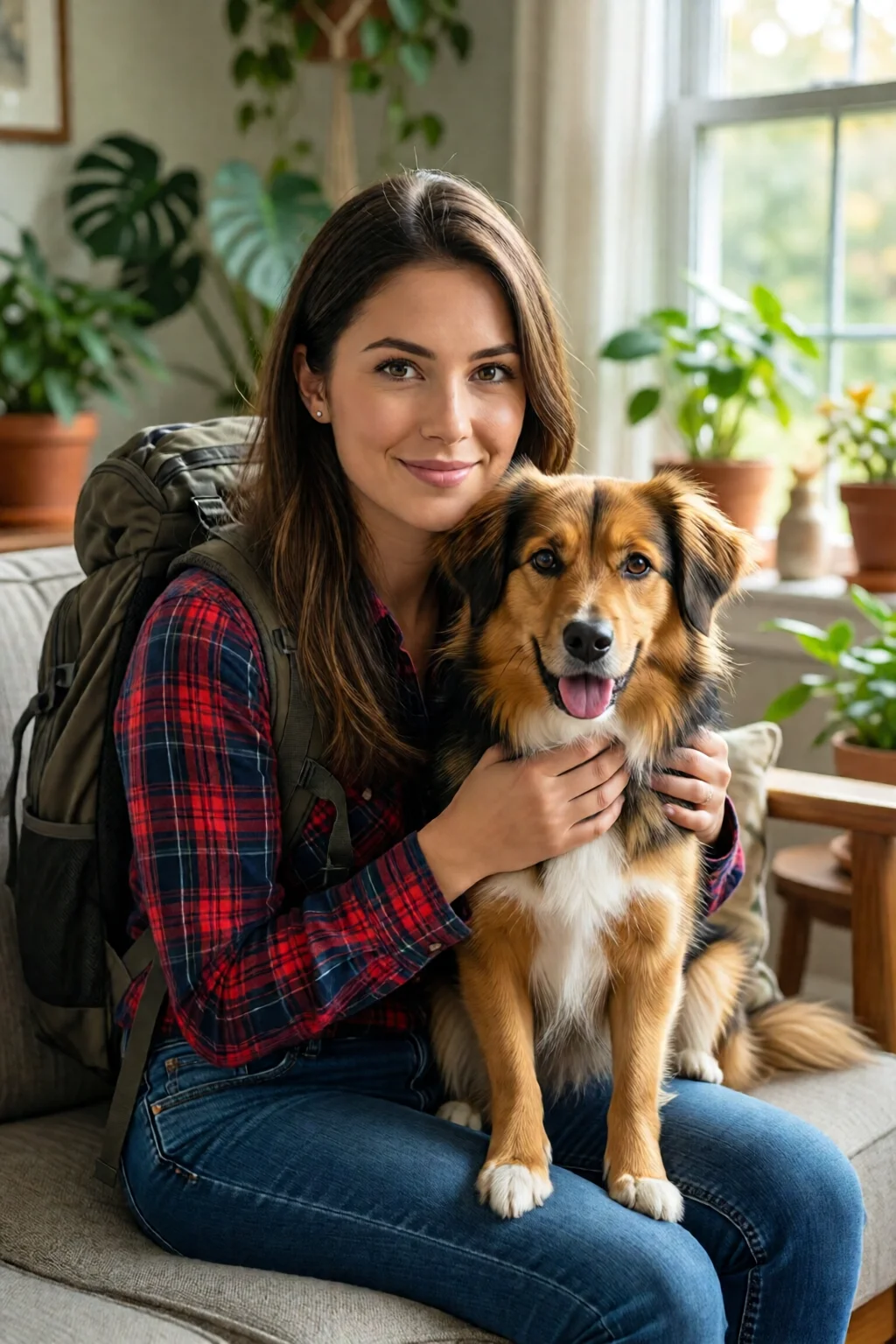
1. Pick the Perfect Travel Carrier – Size, Safety, and Comfort Matter
The carrier is the cornerstone of safe travel. A carrier that’s too small will cramp your dog’s ribs, while an oversized one can become a projectile in a crash. Measure your dog from the tip of the nose to the base of the tail, then add 2‑3 inches for length and 1‑2 inches for height. The interior should be at least 18 in × 12 in × 10 in for a medium breed like a Beagle, and up to 30 in × 20 in × 15 in for a larger Labrador.
Top Picks (2024):
- Sherpa Deluxe Travel Carrier – $89.99, dimensions 30 × 19 × 11 in, airline‑approved, padded shoulder straps, mesh ventilation.
- Sleepypod Mobile Pet Bed – $199.00, collapsible, crash‑tested to 40 g, 25 × 15 × 11 in, can double as a dog bed.
- Kurgo Skybox Booster Seat – $74.95, fits under front seat, 9 × 10 × 13 in, ideal for dogs up to 25 lb.
Pros and cons help narrow the choice:
| Carrier | Pros | Cons | Rating |
|---|---|---|---|
| Sherpa Deluxe | Affordable, airline‑approved, detachable strap | Limited padding for long trips | 4.5/5 |
| Sleepypod Mobile | Crash‑tested, dual‑use as bed, premium fabrics | Higher price point | 4.8/5 |
| Kurgo Skybox | Easy car installation, fits most cars | Not suitable for large breeds | 4.2/5 |
One mistake I see often is using a carrier designed for airline travel but neglecting to test it in the car first. Secure it with a seatbelt tether and take a short drive to see if it slides or wobbles.

2. Schedule a Pre‑Travel Vet Check – Health Clearance Is Non‑Negotiable
Before you book any tickets, book a wellness exam. Your vet will verify vaccinations are up‑to‑date, check for parasites, and assess whether your dog is fit for the journey. Ask for a health certificate if you’re flying domestically; many airlines require one issued within 10 days of travel.
Key health items to confirm:
- Rabies vaccination (must be current for most airlines).
- Heartworm prevention – a missed dose can be fatal in stressful conditions.
- Flea and tick treatment – best flea and tick treatment for dogs like Bravecto (monthly, $45 per dose).
- Weight check – an overweight dog may overheat in a carrier.
In my experience, a simple blood panel can reveal hidden anemia that might compromise your dog’s stamina on a long drive. If any issues arise, postpone the trip; it’s better to be safe than sorry.
3. Documentation and Identification – Don’t Let Paperwork Hold You Up
Airlines and border agents love paperwork. Keep a digital copy of the health certificate, vaccination records, and a recent photo of your dog on your phone. Also, attach a sturdy ID tag with your phone number and a microchip registration (if applicable). I recommend a secondary tag that reads “Traveling – Do Not Disturb” to prevent well‑meaning strangers from pulling your dog out of the carrier.
For international travel, you may need an APHIS (U.S. Department of Agriculture) endorsement, which costs $20‑$30 and takes up to 30 days to process. Plan ahead; missing this can result in quarantine fees of $500+.
4. Pack a Dog‑Travel Survival Kit – Every Essential, No Exceptions
Think of your dog’s kit as a mini‑first‑aid station plus comfort items. A well‑packed kit reduces anxiety and prevents emergency stops.
- Food & Water: Portable water bottle (e.g., Kurgo “Collapsible Water Bowl” – $12.99) and pre‑measured kibble in airtight bags (1 lb per 8‑hour segment).
- Medication: Any regular meds plus anti‑nausea tablets (Cerenia – $35 for 10 tablets).
- Cleaning Supplies: Disposable waste bags ($6 for 200), pet‑safe wipes, and a small towel.
- Comfort Items: A familiar blanket (my dog loves his fleece “Cozy Cloud” – $22) and a chew toy to keep him occupied.
- Safety Gear: A reflective harness (e.g., best harness for dogs that pull – Ruffwear Front Range, $39.95) that can double as a leash if you need to stop.
Pro tip: Pack the kit in a soft-sided tote that fits under the front seat for easy access.
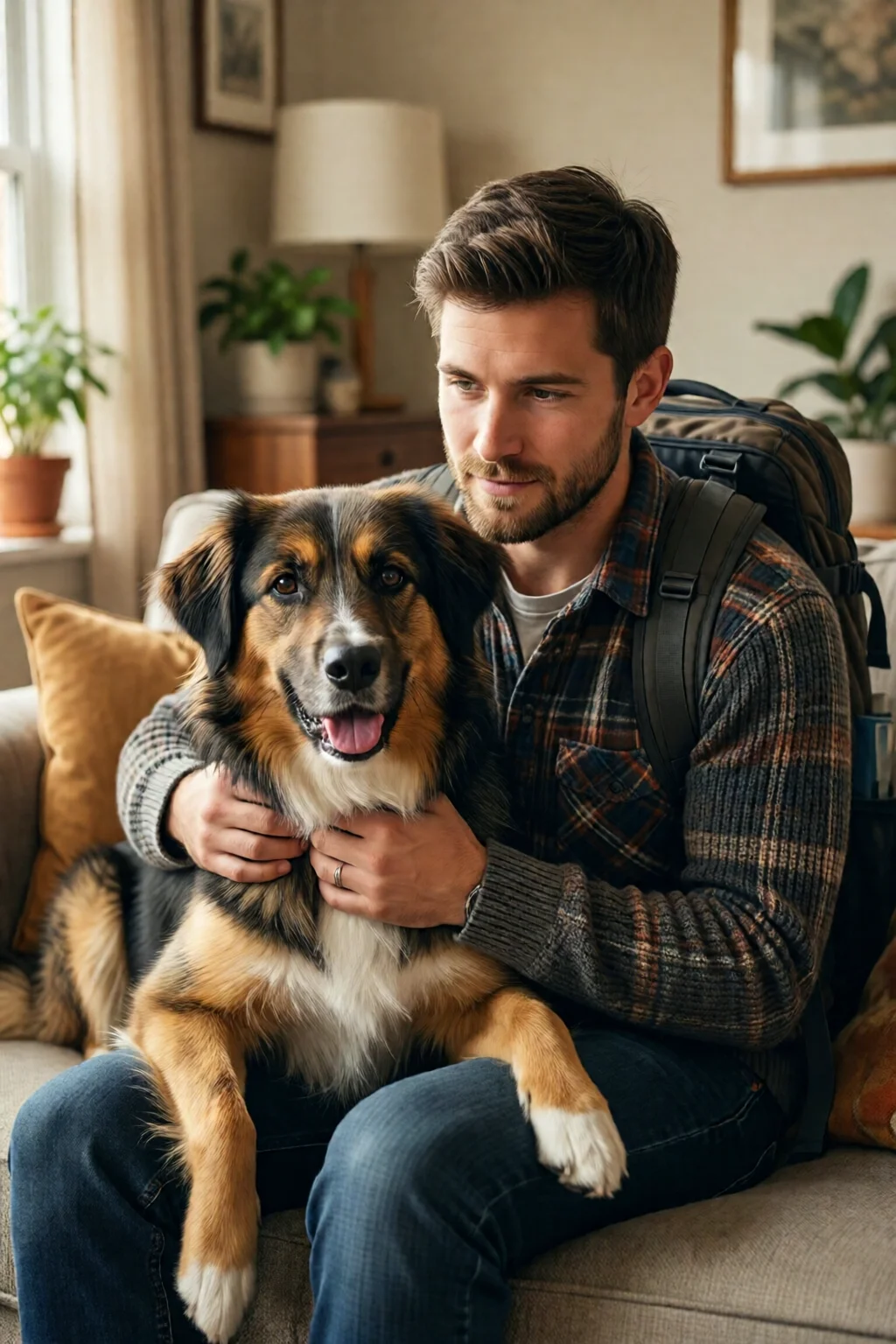
5. Car Safety – Secure, Ventilate, and Monitor
Even if you’re not driving, a moving vehicle can become a rollercoaster. Here’s how to keep your dog safe:
- Seatbelt Tether: Attach the carrier’s built‑in loop to the seatbelt. This prevents the carrier from becoming a projectile during sudden stops.
- Ventilation: Ensure at least two vents are open. In hot climates, keep windows cracked no more than 2‑3 inches to allow airflow without risking a jump.
- Temperature Monitoring: Use a pet‑specific thermometer (e.g., K&H “ThermoPak” – $9.95) that clips onto the carrier wall. Aim for 68‑78 °F inside.
- Breaks: Stop every 2‑3 hours for a 5‑minute walk. Dogs can get “car sick” from lack of movement, leading to nausea.
- Emergency Plan: Keep a printed list of nearby 24‑hour veterinary clinics along your route (Google Maps can help). I always mark the closest clinic on my phone’s “Favorites” list.
6. Air Travel – Master the Airline Rules and In‑Flight Comfort
Flying with a dog is a different beast. Here’s a quick checklist:
- Airline Policies: United, Delta, and American all allow small dogs (under 15‑lb) in the cabin if the carrier fits under the seat (max dimensions 18 × 11 × 11 in). For larger dogs, they must travel as cargo – a costly and riskier option.
- Booking Tips: Reserve your dog’s spot at least 48 hours before departure. Some airlines charge $125‑$200 per dog.
- Pre‑Flight Feeding: Give a light meal 4 hours before the flight to avoid nausea. Offer a small amount of water 30 minutes prior.
- In‑Flight Comfort: Place a familiar blanket in the carrier. Attach a calming pheromone spray (e.g., Adaptil – $19 per 2‑oz bottle) to the carrier’s mesh.
- Post‑Landing: Keep the carrier closed until you’re in a secure area. Let your dog stretch and hydrate before exiting the terminal.
One mistake travelers make is assuming the same carrier works for both car and plane. Always double‑check the airline’s size limits; a carrier that’s perfect for road trips may be rejected at the gate.
7. Destination Planning – Dog‑Friendly Accommodations and Activities
Arriving at a pet‑unfriendly hotel can ruin the whole journey. Use resources like BringFido or Airbnb’s “Pets Allowed” filter. Verify any extra fees (often $15‑$30 per night) and whether the property has a fenced yard.
When exploring, keep these tips in mind:
- Leash Laws: Most cities enforce a 6‑ft leash rule; bring a retractable leash (e.g., Flexi “Original” – $24.99) for parks.
- Heat Precautions: In hot climates, walk early morning or late evening. Dogs can overheat in as little as 10 minutes on asphalt above 85 °F.
- Local Vet: Identify a nearby veterinary clinic in case of emergencies. I always call the clinic the night before arrival to confirm hours.

Comparison Table: Top Travel Carriers for Safety and Comfort
| Carrier | Price | Dimensions (L × W × H) | Weight Limit | Airline‑Approved | Crash‑Tested |
|---|---|---|---|---|---|
| Sherpa Deluxe | $89.99 | 30 × 19 × 11 in | 35 lb | Yes | No |
| Sleepypod Mobile | $199.00 | 25 × 15 × 11 in | 30 lb | Yes | Yes (40 g impact) |
| Kurgo Skybox | $74.95 | 9 × 10 × 13 in | 25 lb | No (car only) | No |
| Petmate Sky Kennel | $119.99 | 36 × 24 × 19 in | 50 lb | Yes (cargo) | No |
| Ruffwear Front Range Harness | $39.95 | N/A | Up to 75 lb | N/A | N/A |
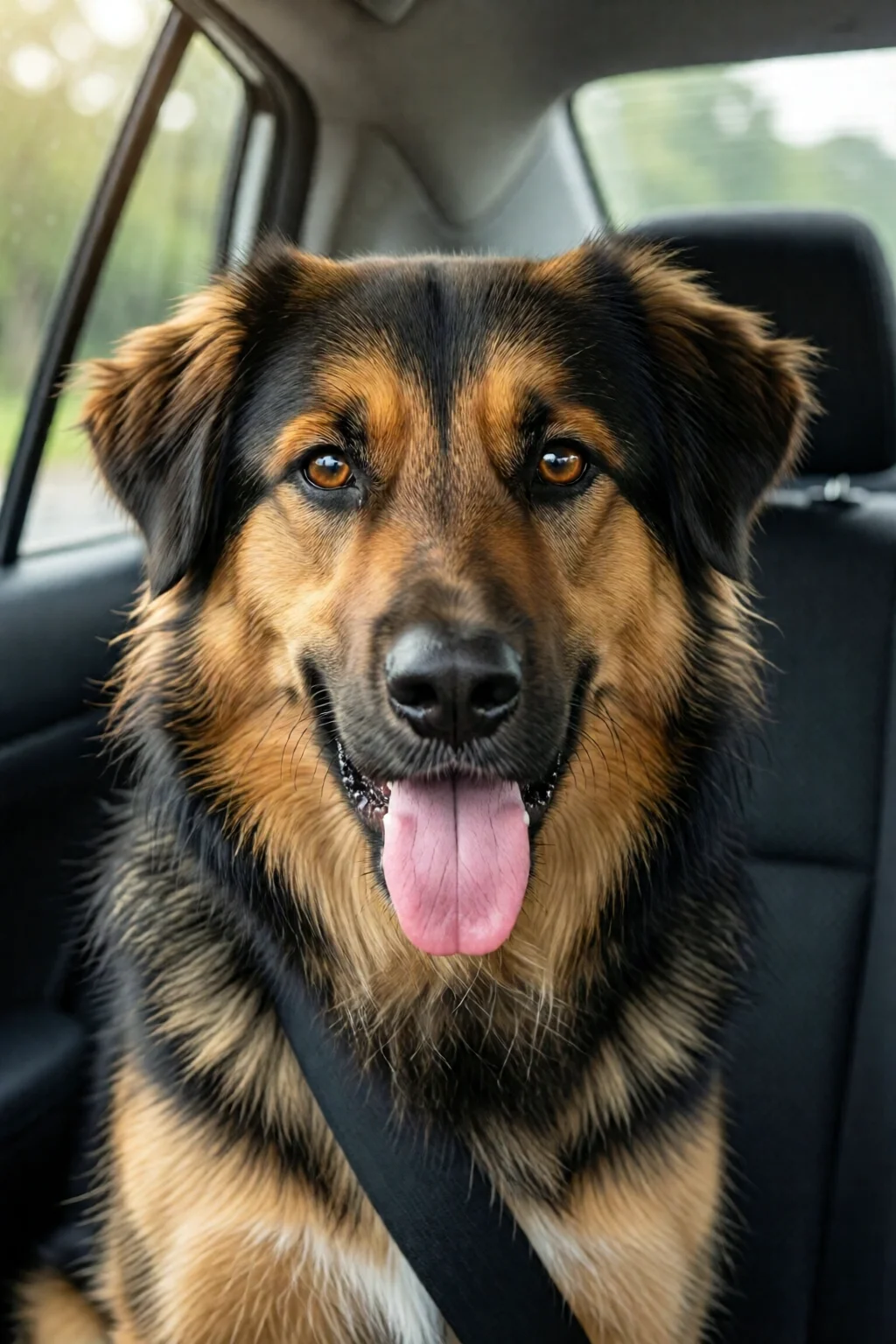
Final Verdict – Travel with Confidence, Not Anxiety
If you follow these steps, you’ll transform the daunting phrase “how to travel with a dog safely” into a routine you can repeat for years. The core of safe travel lies in preparation: a well‑fitted carrier, a clean bill of health, proper documentation, and a thoughtful packing list. Add car safety measures, respect airline rules, and choose dog‑friendly destinations, and you’ll enjoy the journey as much as the destination.
My own trips across the United States with my golden retriever, Max, have shown that a little extra planning cuts travel time, reduces stress, and keeps both human and canine passengers smiling. So next time you’re packing the car or booking a flight, remember: safety isn’t an extra step; it’s the foundation of every great adventure.
What size carrier is required for an airline‑approved dog?
Airlines typically require carriers no larger than 18 × 11 × 11 in (length × width × height) for dogs that travel in the cabin. The carrier must be able to fit under the seat in front of you.
How often should I stop for my dog on a long car trip?
Plan a 5‑minute break every 2‑3 hours. Use this time to let your dog stretch, hydrate, and relieve himself. Frequent breaks reduce motion sickness and anxiety.
Do I need a health certificate for domestic flights?
Most U.S. airlines require a health certificate issued within 10 days of travel. It confirms vaccinations are current and the dog is fit to fly.
Can I use a regular harness as a car restraint?
Yes, a sturdy, crash‑tested harness like the Ruffwear Front Range can be anchored to the vehicle’s seatbelt. Pair it with a carrier tether for added security.