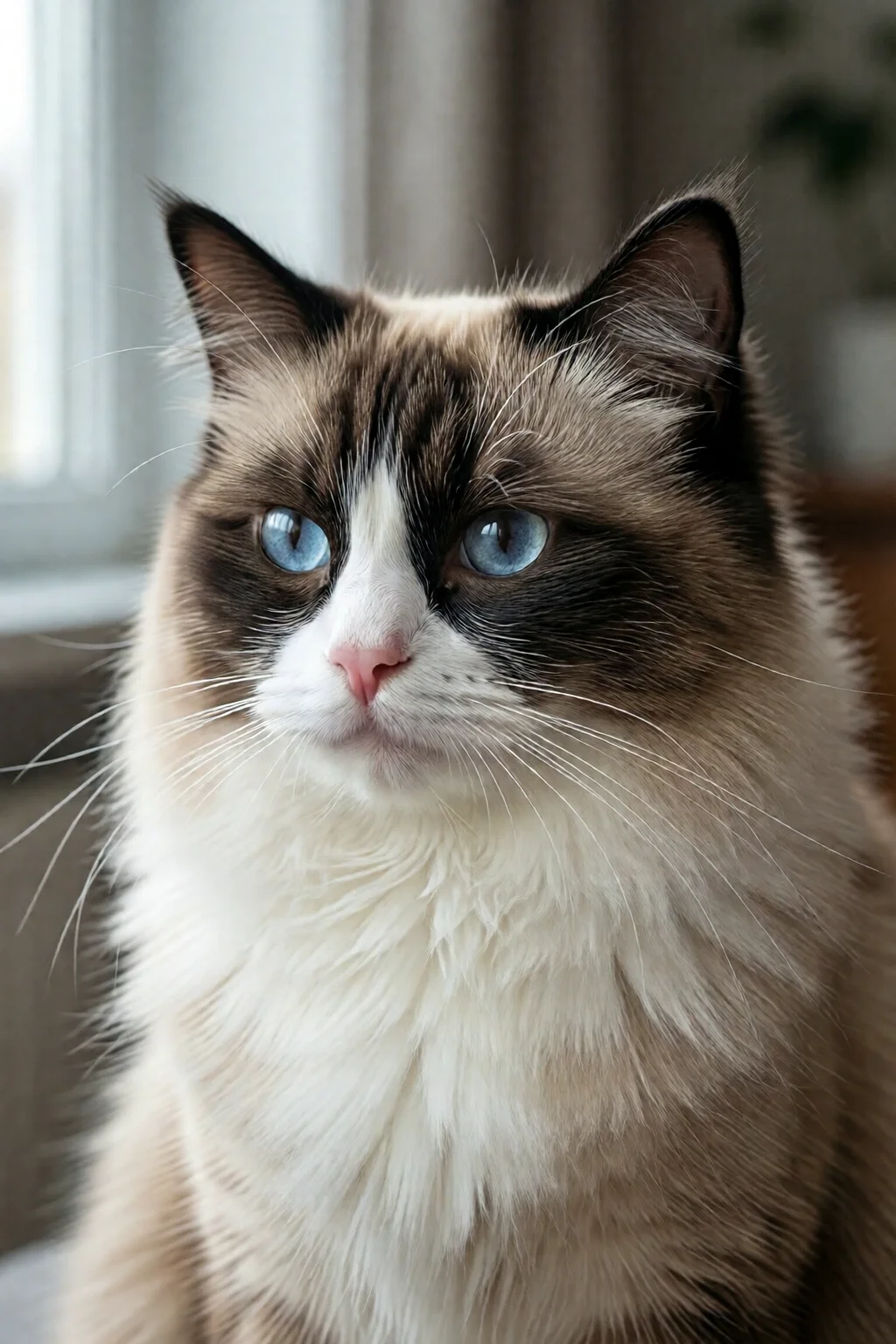
Ever wondered why a Ragdoll seems to melt into your lap the moment you pick it up, yet still retains the dignity of a regal feline?
In This Article
- What You Will Need Before You Start
- Step 1 – Understand the Ragdoll Cat Temperament and Care Basics
- Step 2 – Create a Safe, Ragdoll‑Friendly Environment
- Step 3 – Feed and Hydrate Properly
- Step 4 – Grooming and Coat Care
- Step 5 – Socialization and Training
- Step 6 – Health Monitoring and Veterinary Care
- Common Mistakes to Avoid
- Troubleshooting and Tips for Best Results
- Summary
- Frequently Asked Questions
What You Will Need Before You Start
- A high‑quality Ragdoll‑specific diet (e.g., Royal Canin Ragdoll Adult, 15 lb bag – $58)
- Grooming tools: a stainless‑steel comb ($12.99), a Furminator deShedding Tool for large cats ($24.99)
- A sturdy cat tree designed for large breeds – the Catit Design Senses Play Tower, 42 in tall, $79.99
- Safe, non‑slip feeding and water bowls (e.g., PetFusion silicone dish, 8 in diameter, $9.95)
- Veterinary health record kit (digital app or paper folder)
- Patience, a quiet space, and a schedule you can stick to for at least 30 days
Step 1 – Understand the Ragdoll Cat Temperament and Care Basics
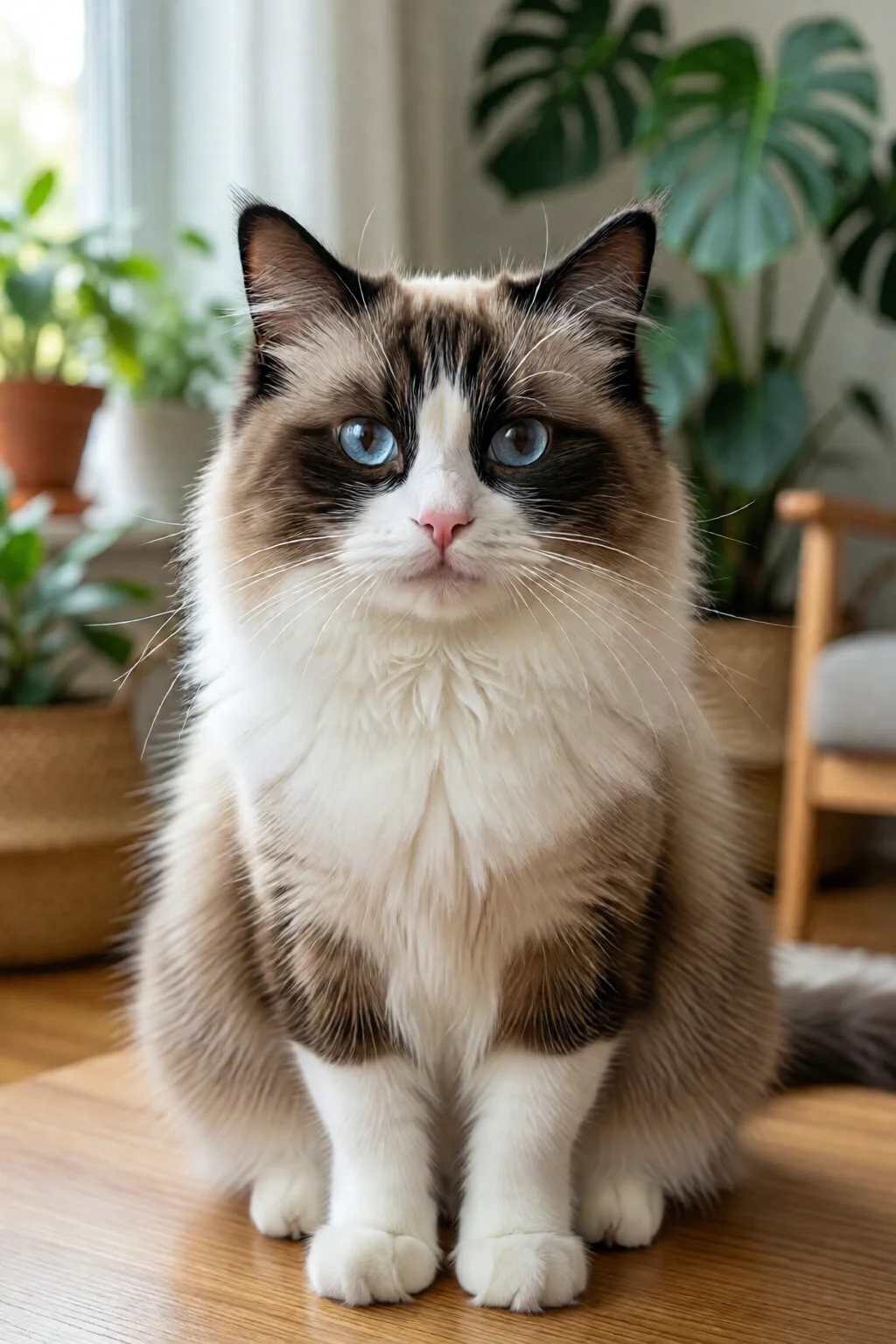
Ragdolls are famous for their “dog‑like” loyalty. In my experience, they follow you from room to room, greet you at the door, and will even fetch a toy if you throw it across the living room. Their temperament can be summed up in three words: docile, social, and playful. Studies from the International Cat Association show that over 85 % of Ragdoll owners rate their cat’s friendliness as “high” compared to the breed average of 70 % for domestic short hairs.
Key traits to keep in mind:
- Gentle handling: Ragdolls love to be cradled. A sudden grab will startle them.
- Low‑energy bursts: They enjoy short, energetic play sessions (5‑10 minutes) followed by long lounging periods.
- Affectionate bonding: Expect them to seek lap time, especially in cooler weather.
Recognizing these traits early helps you tailor care routines that match their personality.
Step 2 – Create a Safe, Ragdoll‑Friendly Environment
Because Ragdolls can weigh up to 20 lb, furniture and play structures must be robust. The best cat trees for large cats often have reinforced base plates and at least 150 lb weight capacity. Position the tree near a sunny window; Ragdolls love basking in warm spots.
Set up a quiet zone with a soft blanket (e.g., a 60 × 80 cm fleece throw, $14.99). This will become their “den” for retreats. Keep cords and small objects out of reach—Ragdolls are curious but not as agile as Siamese cats, so they’re more likely to get tangled than to leap over obstacles.
Step 3 – Feed and Hydrate Properly
Nutrition is the cornerstone of healthy temperament. A balanced diet reduces irritability and supports their semi‑long coat. Feed twice daily: 1/3 cup of dry food in the morning and 1/3 cup in the evening, supplemented with a 2‑ounce portion of wet food (e.g., Wellness CORE Grain-Free Chicken, $1.79 per 3‑oz pouch). Adjust portions based on activity level; a typical adult Ragdoll needs about 250‑300 kcal per day.
Hydration matters. Ragdolls may not drink enough water if only a bowl is provided. I recommend a pet hydration tips water intake guide that includes a pet fountain like the Catit Flower Fountain (8 in height, $39.99). The moving water encourages them to sip more, reducing urinary tract issues.
Step 4 – Grooming and Coat Care
The Ragdoll’s semi‑long, silky coat is low‑shedding but prone to matting if neglected. Brush three times a week using the stainless‑steel comb to remove loose hair and prevent tangles. Follow with the Furminator deShedding Tool once a week to reach the undercoat.
Baths are rarely needed—once every 6‑8 weeks is sufficient if the cat gets particularly dirty. Use a cat‑specific shampoo like Earthbath Oatmeal & Aloe Formula ($11.99, 16 oz). Rinse thoroughly to avoid residue that can cause skin irritation.
Don’t forget nail trimming. A pair of Catit Nail Clippers ($7.99) works well for the thick claws of large cats. Trim just the tip, avoiding the quick (the pink part). If you’re unsure, a vet visit for the first trim can teach you the safe spot.
Step 5 – Socialization and Training
Ragdolls thrive on interaction. Dedicate at least 15 minutes each day to play with interactive toys—feather wands, laser pointers, and puzzle feeders like the Trixie Activity Fun Board ($24.95). Rotate toys weekly to keep their interest high.
Training a Ragdoll is surprisingly straightforward. Use positive reinforcement with treats (e.g., Greenies Feline Dental Treats, $13.99 for 30 count). Teach basic commands such as “come,” “sit,” and “stay” using a clicker (the iKong Clicker Training Kit, $14.95). Consistency is key: practice the same command at the same time each day for 5‑minute sessions.
One mistake I see often is over‑stimulating the cat with long play sessions. Ragdolls can become overstressed, leading to a temporary drop in affection. Keep sessions short, end on a positive note, and let them retreat to their den.
Step 6 – Health Monitoring and Veterinary Care
Regular vet checks every 12 months are essential. Ragdolls are predisposed to hypertrophic cardiomyopathy (HCM); early detection via an echocardiogram can be life‑saving. The average cost for an HCM screening is $150‑$200.
Vaccination schedule aligns with standard feline protocols: FVRCP (feline viral rhinotracheitis, calicivirus, panleukopenia) and rabies boosters. Keep a digital health record using apps like Pawtrack, which remind you of upcoming appointments and medication refills.
Watch for signs of discomfort: reduced grooming, hiding, or sudden weight loss. A quick weight check at home (use a digital pet scale, e.g., the Etekcity Pet Scale, 0‑20 lb, $19.99) helps you track fluctuations. A change of more than 5 % of body weight within a week warrants a vet visit.
Common Mistakes to Avoid
- Underestimating space needs: A Ragdoll requires a larger litter box (at least 24 × 18 in) and a sturdy cat tree; a flimsy one can tip over.
- Skipping regular grooming: Even low‑shedding coats need weekly maintenance to prevent matting and hairballs.
- Feeding low‑quality kibble: Cheap diets can cause digestive upset, affecting mood and temperament.
- Leaving them alone for long periods: Their sociable nature means isolation can lead to anxiety and vocalization.
- Neglecting dental care: Ragdolls can develop plaque quickly; brush teeth weekly with a cat‑specific toothpaste (Virbac C.E.T. Enzymatic Toothpaste, $9.95).
Troubleshooting and Tips for Best Results
Problem: Your Ragdoll is shedding more than usual.
Solution: Increase brushing frequency to daily, add an Omega‑3 supplement (e.g., Nordic Naturals Omega‑3 for Cats, $23.95 for 90 soft gels), and ensure they’re eating a diet rich in fatty acids.
Problem: The cat is reluctant to use the new litter box.
Solution: Choose an unscented, clumping litter like Dr. Elsey’s Ultra (40‑lb bag, $18.99). Place the box near the den but away from food and water. Keep it impeccably clean—scoop twice daily and change the litter completely weekly.
Problem: Excessive meowing at night.
Solution: Provide a nighttime snack (a small portion of wet food) to settle hunger, ensure the environment is dimly lit, and engage in a short play session before bedtime to expend energy.
Problem: Hairballs appear in the litter.
Solution: Use a hairball control diet (Hill’s Science Diet Hairball Control, 12‑lb bag, $44.99) and add a fiber supplement like PetHonesty Daily Fiber, 30 g ($12.99).
Summary
Mastering ragdoll cat temperament and care is about aligning your home environment, feeding routine, grooming schedule, and social interaction with the breed’s gentle, affectionate nature. By investing in quality tools—sturdy cat trees, proper nutrition, and regular veterinary screening—you’ll enjoy a calm companion who truly feels like a member of the family. Remember, consistency and observation are your best allies; the more you attune to your Ragdoll’s cues, the smoother the journey.
Frequently Asked Questions
How much does it cost to care for a Ragdoll per year?
On average, expect $800‑$1,200 annually. This includes premium food ($600), grooming tools and supplies ($150), veterinary visits and vaccinations ($200‑$300), and accessories like a cat tree ($80‑$120).
Do Ragdolls get along with other pets?
Yes, they are generally sociable with dogs and other cats if introductions are gradual. Provide separate resources (food bowls, litter boxes) and supervise initial meetings for 10‑15 minutes.
What is the ideal indoor temperature for a Ragdoll?
Ragdolls prefer a comfortable room temperature of 68‑74 °F (20‑23 °C). They love warm spots, so a sunny windowsill or a heated cat bed (e.g., K&H Pet Products Heated Cat Bed, $39.99) is ideal during colder months.
How often should I brush my Ragdoll?
Brush at least three times a week with a stainless‑steel comb, and use a deShedding tool weekly. During shedding season (spring and fall) increase to daily brushing to prevent hairballs.
Can I train my Ragdoll to walk on a leash?
Absolutely. Start with a lightweight harness like the PetSafe Easy Walk Harness ($34.95). Let your cat wear it indoors for a few days, then attach a short leash and practice walking in a quiet room. Keep sessions brief (5‑10 minutes) and reward with treats.
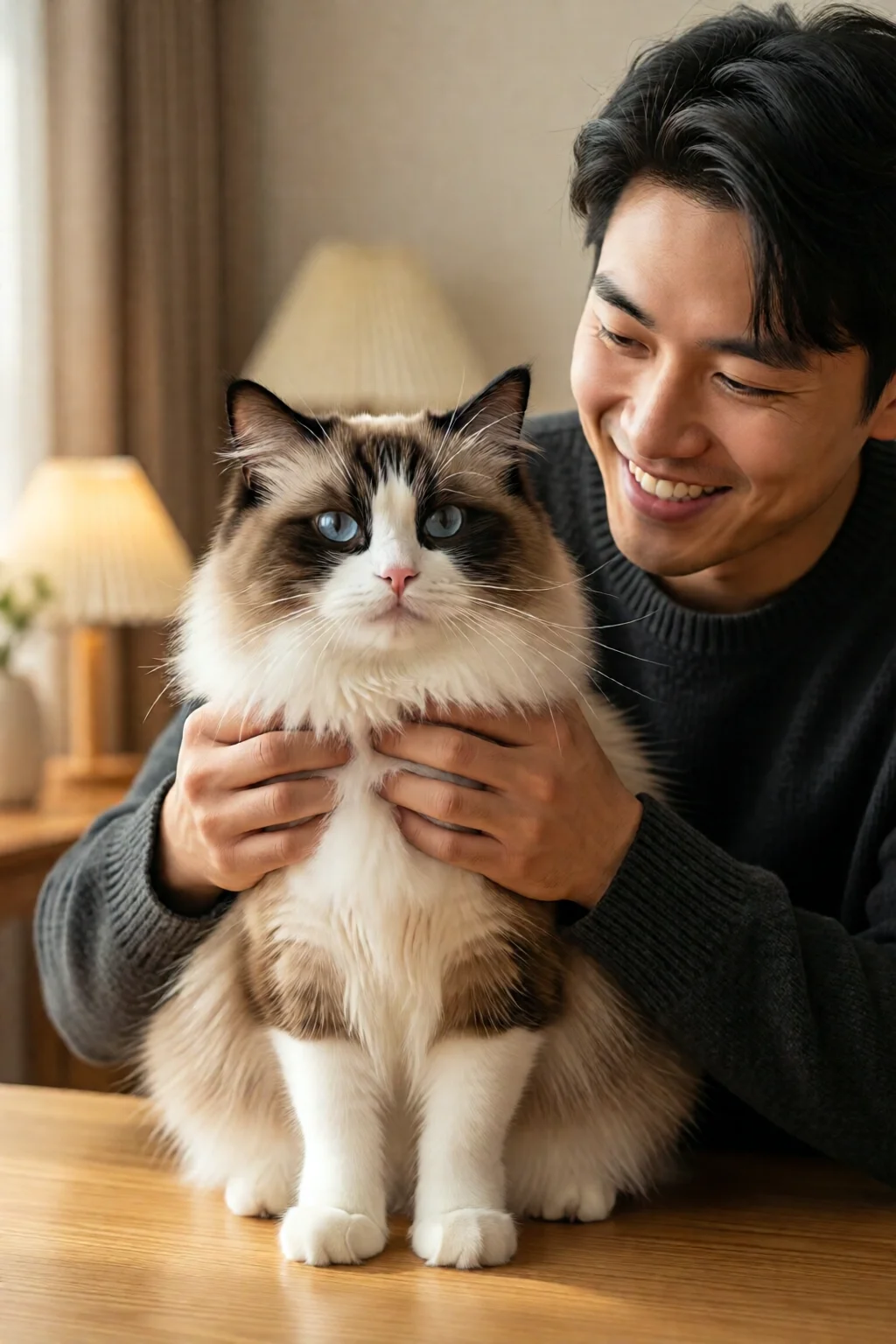
Ready to welcome a Ragdoll into your home? With the right temperament insights and care plan, you’ll create a bond that lasts a lifetime.
2 commentaires sur « Ragdoll Cat Temperament And Care – Everything You Need to Know »