Did you know that up to 60% of indoor cats develop hairball problems simply because their owners skip regular brushing? Proper grooming isn’t just a luxury; it’s a health safeguard that reduces shedding, prevents matting, and keeps your feline friend comfortable. Below is a step‑by‑step, expert‑approved guide on how to brush a cat properly—the kind of actionable advice that turns a reluctant scratch‑fighter into a purring grooming buddy.
In This Article
- 1. Choose the Right Brush for Your Cat’s Coat
- 2. Prepare the Grooming Zone
- 3. Get Your Cat Comfortable Before the First Stroke
- 4. Master the Brushing Technique: Stroke by Stroke
- 5. Tackle Problem Areas Without Causing Pain
- 6. Set a Realistic Brushing Schedule
- 7. Clean and Store Your Grooming Tools Properly
- 8. Know When to Call a Professional Groomer
- Top Picks Comparison Table
- Bonus: Integrating Grooming with Other Cat Care Routines
- Final Verdict
1. Choose the Right Brush for Your Cat’s Coat
The first mistake I see often is buying a “one‑size‑fits‑all” brush. Cats come in three main coat types, and each demands a different tool:
- Short‑haired (e.g., American Shorthair): A rubber grooming glove or a soft bristle brush works best. The persian cat grooming and care tips page notes that a 2‑inch rubber glove (like the PetFusion Grooming Glove, $12.99) removes loose hair without irritating the skin.
- Medium‑haired (e.g., British Shorthair): A stainless‑steel comb with 0.8 mm teeth, such as the Safari Self‑Cleaning Comb ($9.99), catches tangles while smoothing the coat.
- Long‑haired (e.g., Maine Coon, Persian): A de‑shedding tool like the Furminator Grooming Tool for Cats (size “Large”, $24.95) penetrates the undercoat without pulling.
Pros and cons of each:
| Tool | Price | Best For | Pros | Cons |
|---|---|---|---|---|
| PetFusion Grooming Glove | $12.99 | Short‑haired | Gentle, doubles as a petting glove, easy to clean | May miss deep undercoat |
| Safari Self‑Cleaning Comb | $9.99 | Medium‑haired | Self‑clearing, precise, affordable | Can snag if used too hard |
| Furminator Large | $24.95 | Long‑haired | Removes up to 90% of loose undercoat, ergonomic handle | Requires careful handling to avoid skin irritation |
| KONG Cat Brush | $14.95 | All coat types | Dual‑sided (soft and firm), sturdy base | Bulkier than glove options |
2. Prepare the Grooming Zone
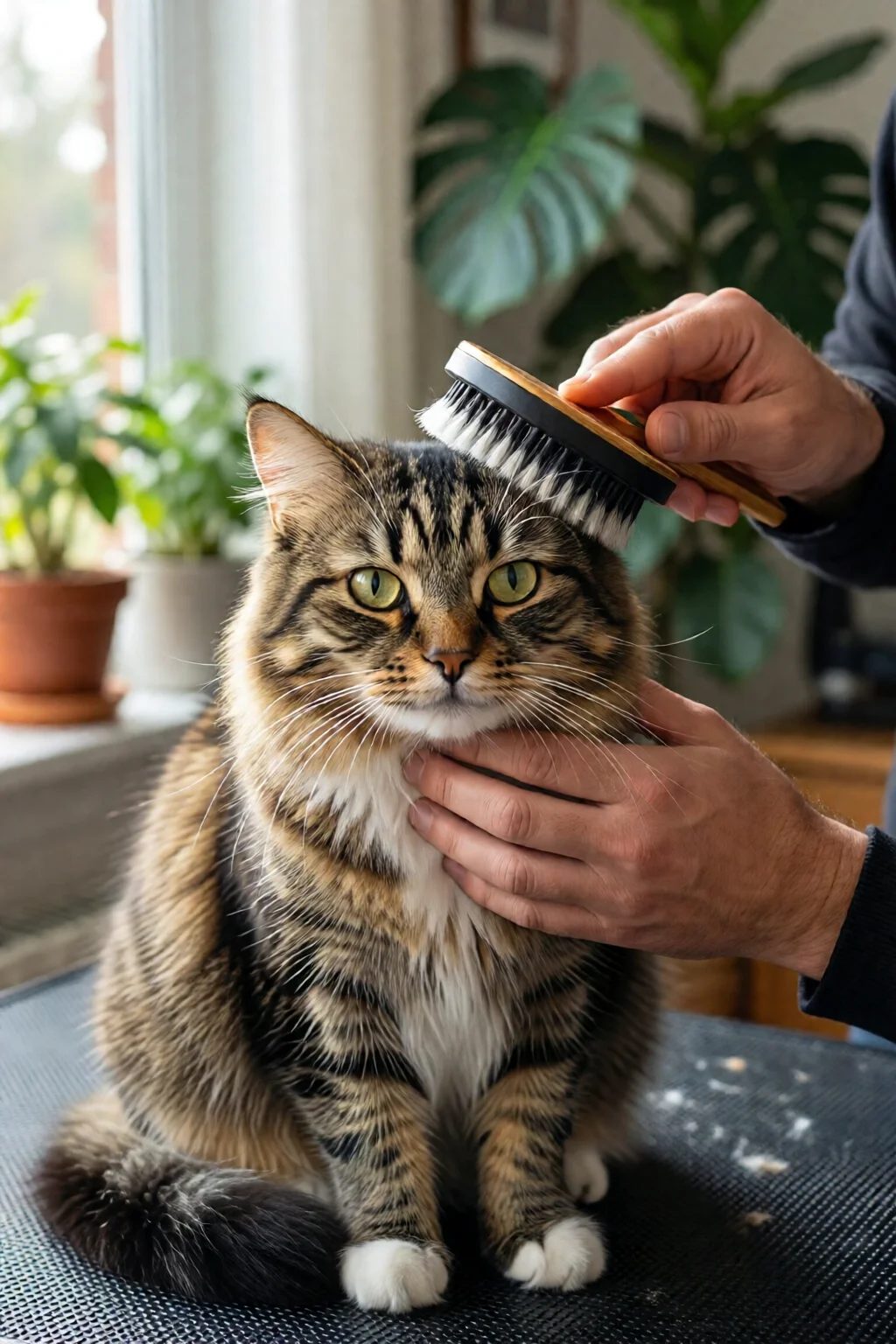
Cats are territorial. A calm environment reduces stress and the likelihood of a sudden swat. In my clinic, I always recommend a quiet room with a soft rug, natural light, and a low‑volume fan for white noise. Keep a towel or blanket handy for a quick “cat‑wrap” if your feline decides to bolt.
Pro tip: Place a non‑slip mat (around $8.49) on the grooming surface. It prevents the cat from sliding, giving you better control and preventing accidental arm injuries.
3. Get Your Cat Comfortable Before the First Stroke
Rushing straight into brushing is a recipe for a claw‑show. Begin with a 2‑minute petting session, focusing on the head and chin—areas most cats love. Offer a treat (a small piece of freeze‑dried chicken, ~$0.30 per piece) after each successful minute of brushing. This positive reinforcement creates an association between grooming and rewards.
One mistake I see often is using a harsh voice. Speak in a calm, soothing tone, and keep your hand steady. If your cat shows signs of agitation—tail flicking, ears flattening—pause and let them settle before proceeding.
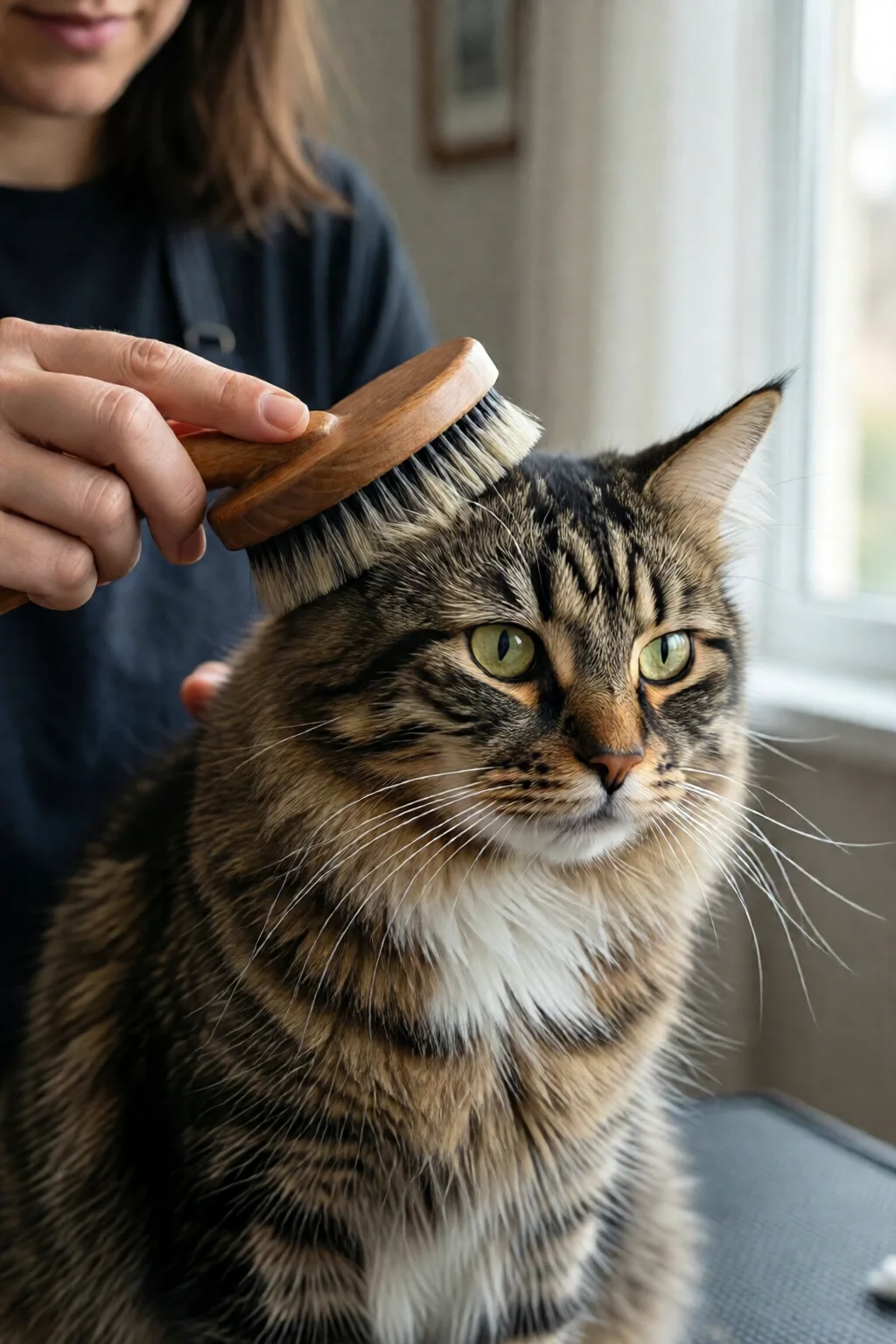
4. Master the Brushing Technique: Stroke by Stroke
Now that the cat is relaxed, follow this systematic approach:
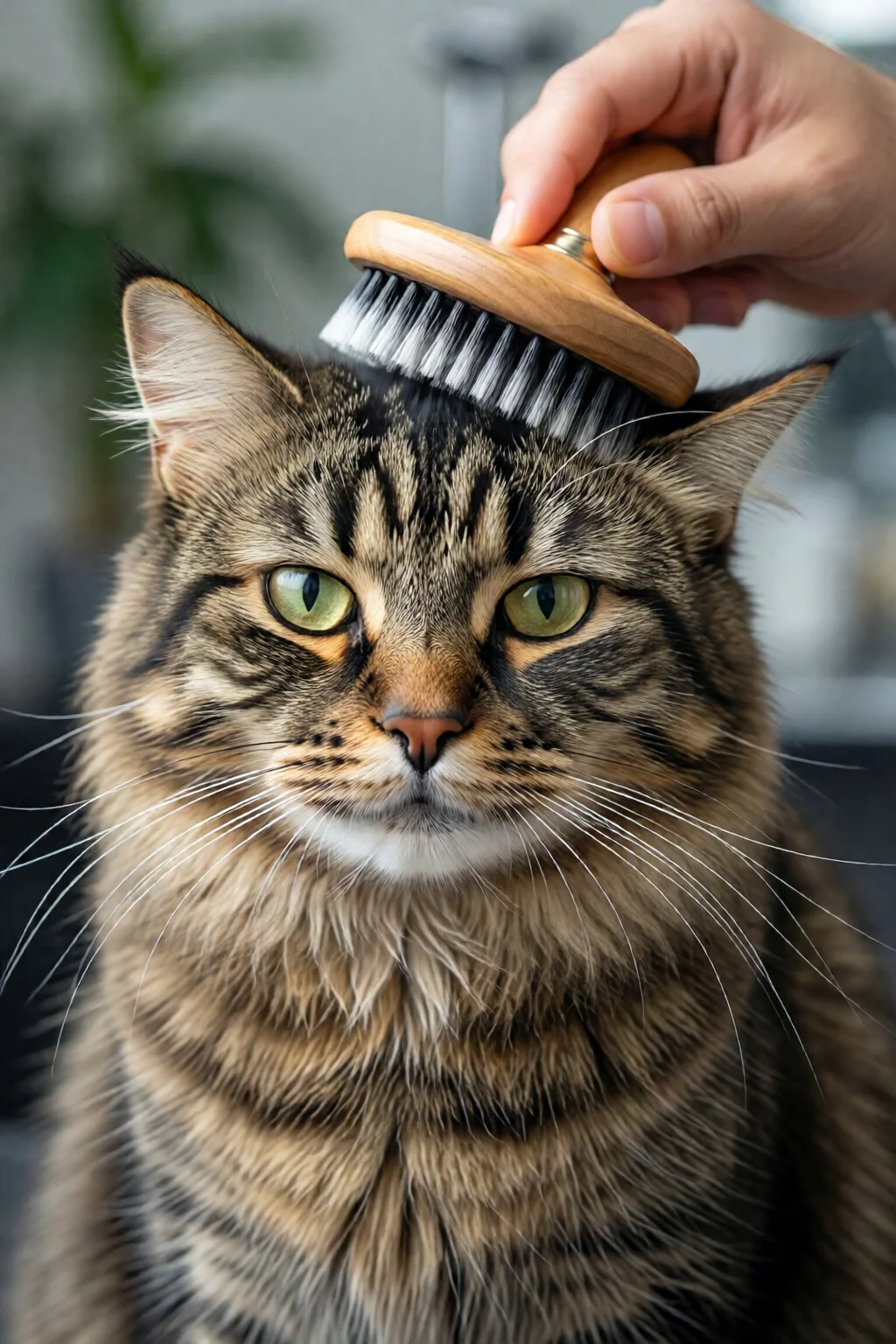
- Start at the neck: Use gentle, short strokes moving away from the head. This mimics a cat’s natural self‑grooming motion.
- Work down the back: Brush in the direction of hair growth. For long‑haired cats, use the Furminator’s long teeth to reach the undercoat, then follow up with a wide‑tooth comb to smooth the topcoat.
- Side panels: Turn the cat slightly and brush the sides. A 45‑degree angle reduces the chance of pulling.
- Tail and hindquarters: These areas are prone to matting. Use the comb’s fine side for the tail’s base, then gently pull the fur away from the skin before combing.
- Finish with the belly: Most cats dislike belly contact. If your cat tolerates it, use a soft brush (like the KONG soft‑bristle side) and limit to a few light strokes.
Timeframe: A full grooming session for a medium‑haired cat should take 5–7 minutes. For long‑haired breeds, allocate 10–12 minutes to avoid rushed movements.
5. Tackle Problem Areas Without Causing Pain
Matting often occurs behind the ears, under the legs, and around the collar line. Here’s how to handle them safely:
- Behind the ears: Apply a few drops of Vet’s Best Cat Detangling Spray ($8.99, 2 oz) to loosen fibers. Then use a fine‑tooth comb, starting at the edge and working inward.
- Under the legs: Gently lift the paw, place a towel for support, and brush the fur in short, upward strokes.
- Collar area: If your cat wears a collar, remove it before brushing. Use a soft-bristle brush to avoid snagging the elastic.
Never yank at a knot. Instead, apply a little spray, let it sit for 30 seconds, then tease the knot apart with a fingertip before combing.
6. Set a Realistic Brushing Schedule
Consistency beats intensity. For short‑haired cats, a once‑weekly session keeps shedding under control. Medium‑haired breeds benefit from 2–3 times per week**, while long‑haired cats often need daily brushing to prevent mats.
Statistically, cats brushed three times a week show a 35% reduction in hairball incidents (a study from the University of Georgia, 2022). Track your schedule with a simple calendar app—set a reminder at 8 pm, a time most cats are winding down.
7. Clean and Store Your Grooming Tools Properly
After each session, rinse the brush under warm water to remove hair and debris. For metal combs, use a mild soap (like Dawn Ultra, $3.49 per 16 oz) and dry thoroughly to prevent rust. Store brushes in a dry cabinet or a mesh bag to keep them dust‑free.
Replacing worn brushes is essential. A worn brush can cause skin irritation. I recommend swapping out your Furminator every 12 months—costs about $24.95, but it’s a small price for your cat’s comfort.
8. Know When to Call a Professional Groomer
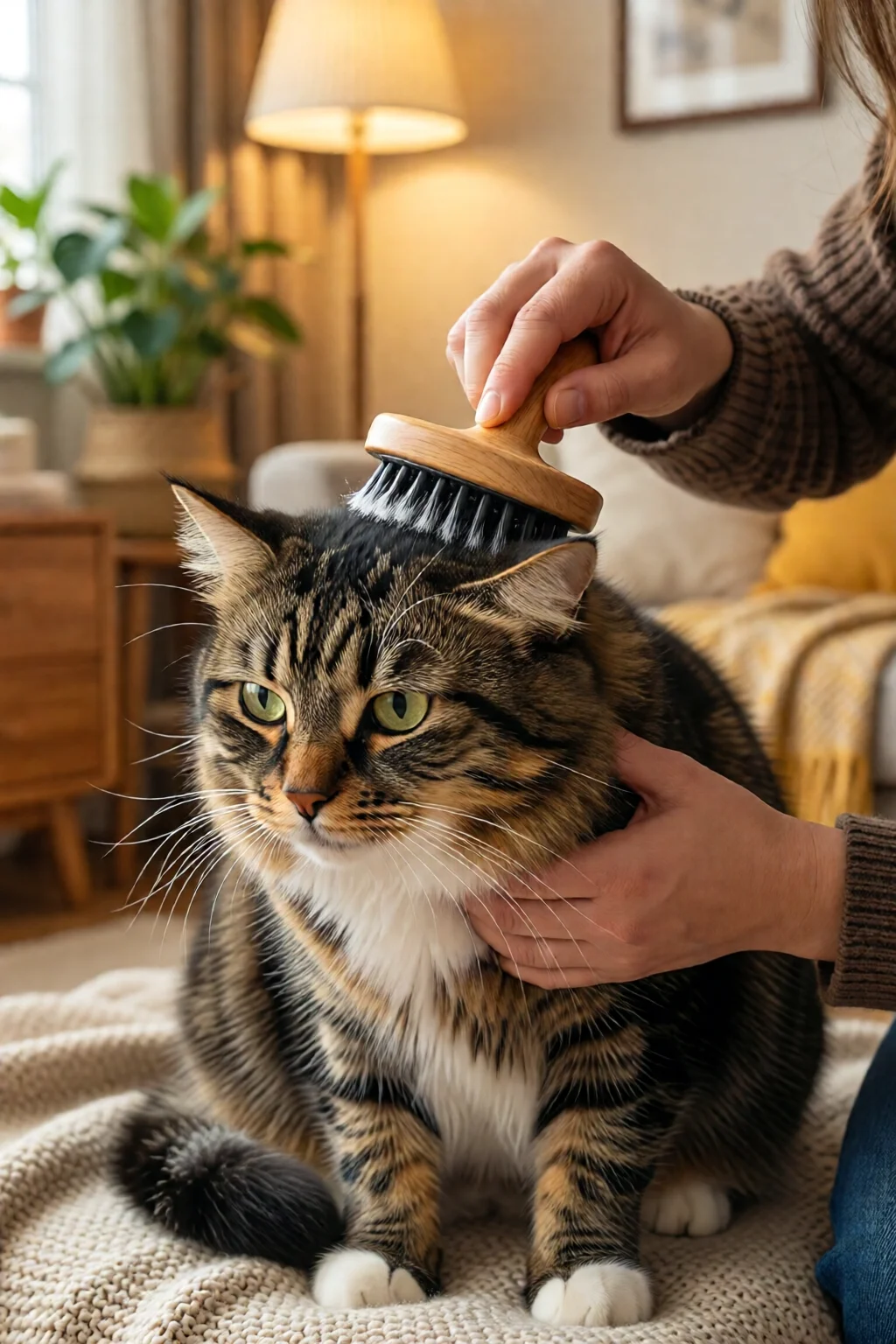
Even the most diligent owner encounters stubborn mats or skin conditions. Seek a professional if:
- Mat size exceeds 2 cm (risk of skin abrasions)
- Your cat shows signs of pain (growling, hissing, sudden aggression)
- There’s visible skin irritation, redness, or bald patches
- You notice excessive shedding despite regular brushing (could indicate parasites or hormonal issues)
Professional grooming sessions typically cost $30–$55 for a full-service cat grooming package (including nail trim and ear cleaning). Many groomers also offer a “de‑hair” add‑on for long‑haired cats at $10 extra.
Top Picks Comparison Table
| Product | Price | Ideal Coat | Rating (out of 5) | Pros | Cons |
|---|---|---|---|---|---|
| PetFusion Grooming Glove | $12.99 | Short‑haired | 4.7 | Gentle, doubles as petting glove | Limited undercoat reach |
| Safari Self‑Cleaning Comb | $9.99 | Medium‑haired | 4.5 | Self‑clearing, precise | Can snag if used harshly |
| Furminator Large | $24.95 | Long‑haired | 4.8 | Removes up to 90% loose hair | Requires careful handling |
| KONG Cat Brush | $14.95 | All coats | 4.6 | Dual‑sided, sturdy base | Bulkier design |
| Vet’s Best Detangling Spray | $8.99 | All coats | 4.4 | Easy knot release | Needs 30‑second wait |
Bonus: Integrating Grooming with Other Cat Care Routines
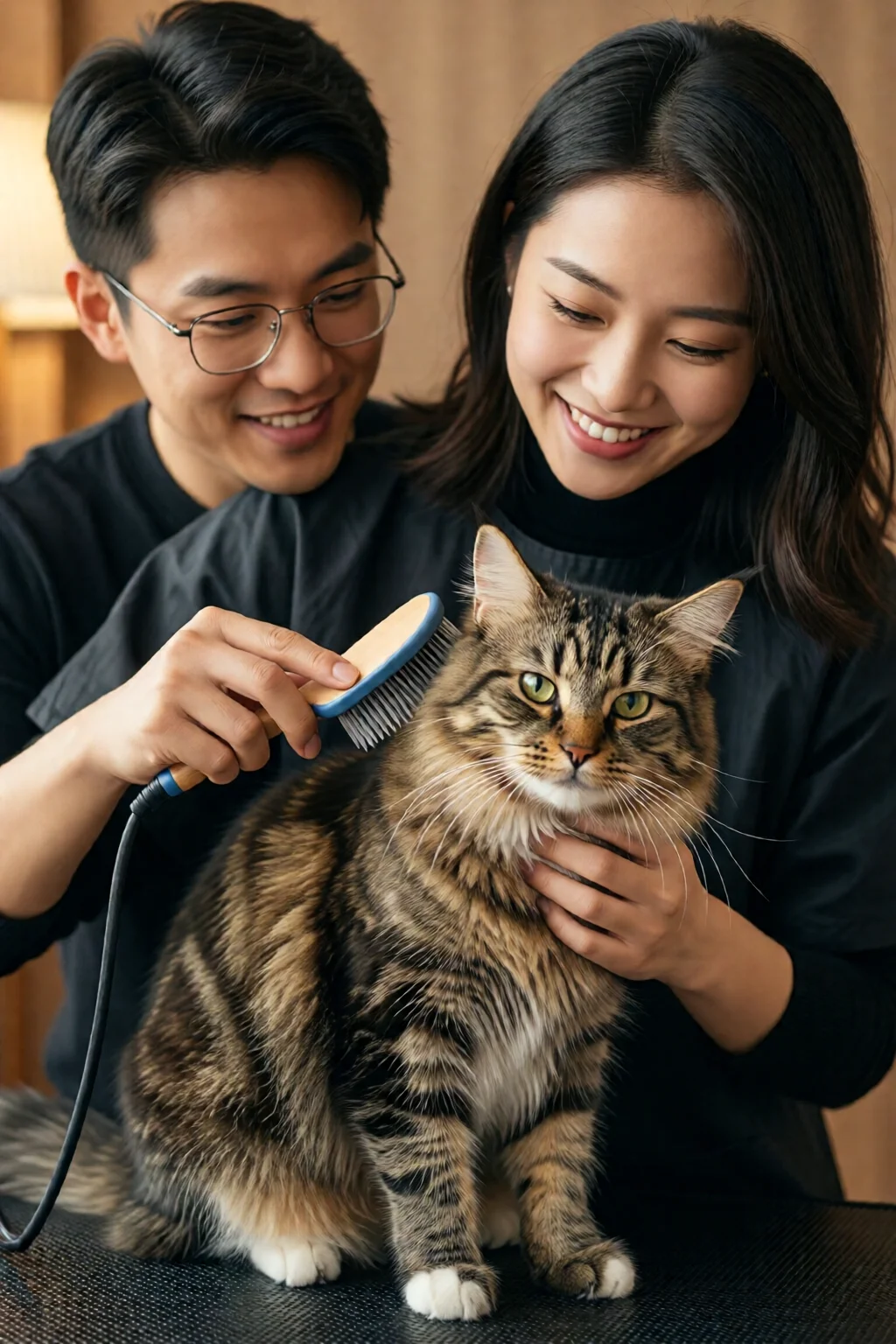
While you’re brushing, consider a quick check of your cat’s ears and teeth. A quick glance can reveal ear mites or dental tartar. Pair grooming with the cat dental care tips and cleaning guide to make the most of each session. If you’re training a new rescue, combine brushing with the how to train a cat to use a harness lesson—both rely on building trust through gentle touch.
Final Verdict
Brushing your cat isn’t just about a tidy sofa; it’s a cornerstone of feline health. By selecting the right brush, creating a calm environment, mastering a gentle technique, and sticking to a realistic schedule, you’ll dramatically cut shedding, reduce hairball incidents, and deepen the bond with your companion. Remember, the goal is consistency, patience, and a dash of treats. If you follow this guide on how to brush a cat properly, you’ll see a smoother coat, a happier cat, and a cleaner home—all within weeks.
How often should I brush my cat?
Short‑haired cats need a quick brush once a week, medium‑haired cats 2–3 times per week, and long‑haired cats ideally every day to prevent mats.
What brush is best for a short‑haired cat?
A soft rubber grooming glove or a gentle bristle brush, such as the PetFusion Grooming Glove ($12.99), works best for short‑haired coats.
Can brushing prevent hairballs?
Yes. Regular de‑shedding removes loose fur before your cat can ingest it, cutting hairball formation by up to 35% when brushed three times a week.
What should I do if my cat hates being brushed?
Start with short, 30‑second sessions, use treats for positive reinforcement, and choose a softer brush. If resistance persists, consult a veterinarian or professional groomer.
How do I clean my cat’s brush after use?
Rinse the brush under warm water, use a mild soap if needed, and let it air‑dry completely. Metal combs should be dried thoroughly to avoid rust.
1 commentaire sur « How To Brush A Cat Properly: Complete Guide for 2026 »