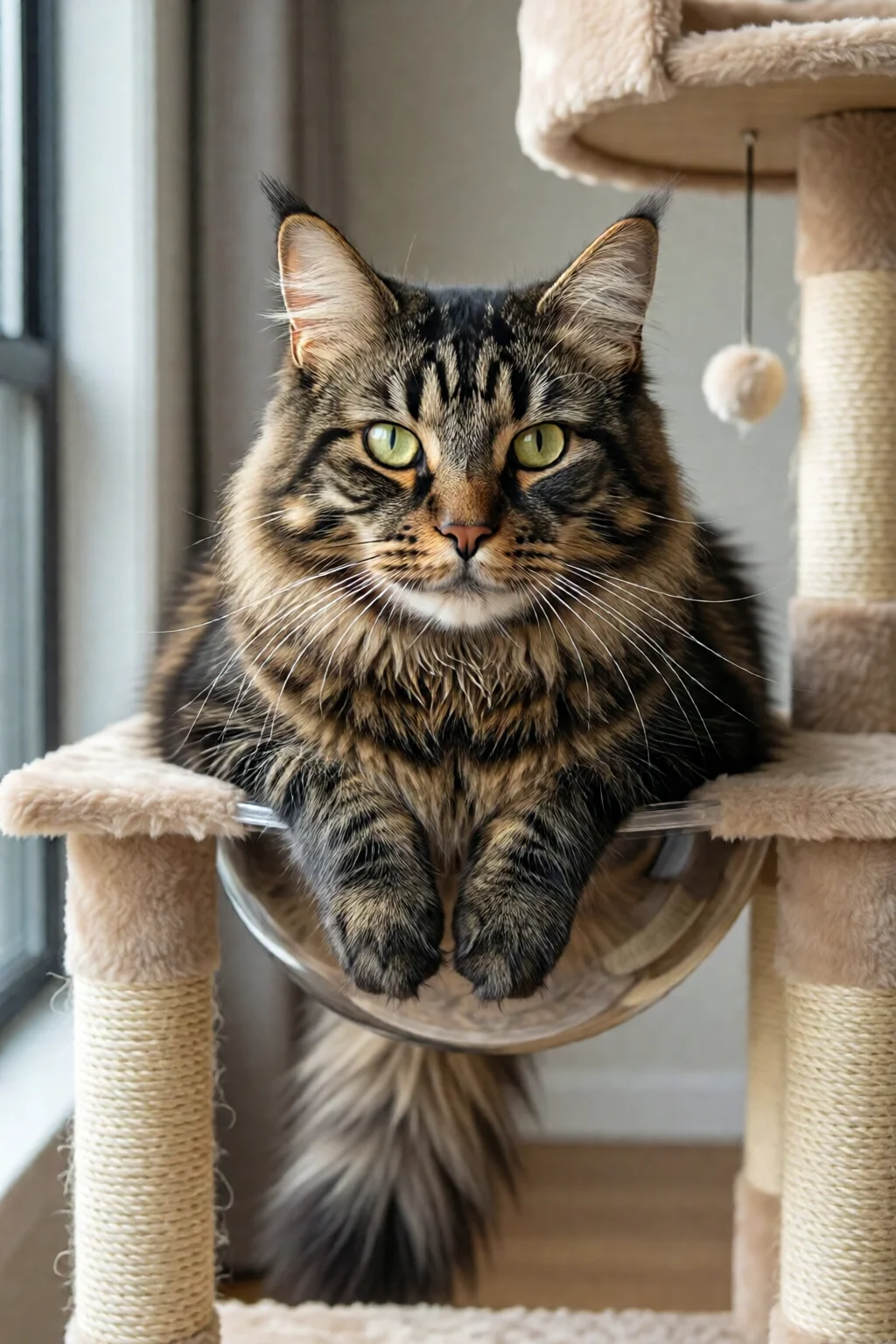
When I first adopted a Maine Coon named Jasper, I quickly learned that ordinary cat furniture was nothing more than a decorative hazard. Jasper would eye the flimsy 30‑inch tree, try to climb, and then wobble it until it toppled. The whole experience reminded me of trying to balance a bookshelf on a coffee table – it just wasn’t built for his size. After a few close calls, I set out to find the best cat trees for large cats, testing each model in my living room, my garage, and even my backyard. The result? A shortlist of sturdy, spacious, and cat‑approved towers that can comfortably support felines weighing 15 pounds and up.
In This Article
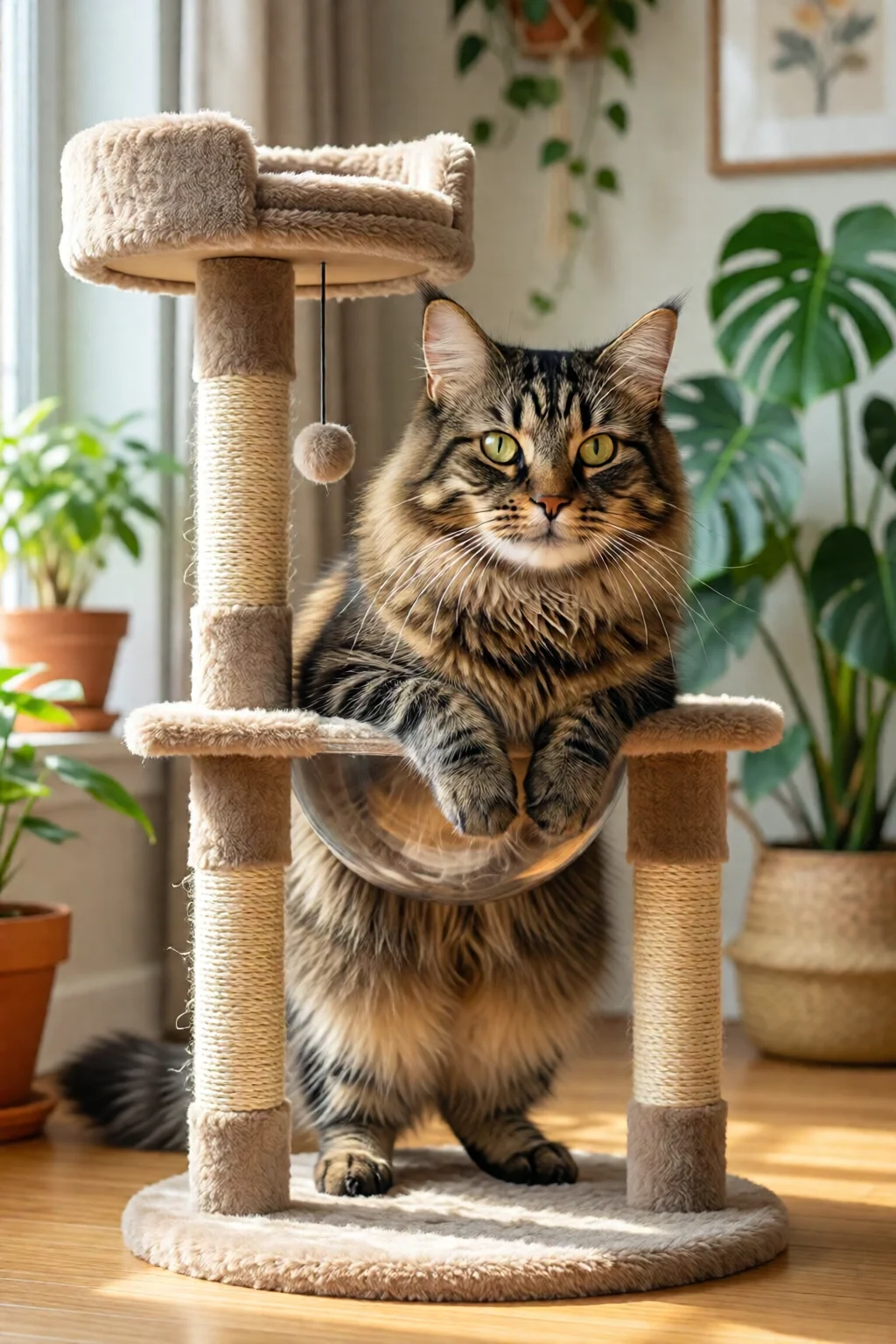
Why Large Cats Need a Special Tree
Weight and Size Considerations
Most mainstream cat trees are engineered for the average domestic cat (8–12 lb). For larger breeds—Maine Coons, Norwegian Forest cats, Ragdolls, or even a hefty mixed‑breed—weight capacity becomes the first red flag. A tree rated for 10 lb will creak, bend, or even snap under a 15‑lb cat. Look for a minimum weight rating of 25 lb, and double‑check the base dimensions; a wider base distributes the load more evenly.
Health Benefits
Big cats still need vertical space to stretch their spine, maintain muscle tone, and satisfy their instinct to perch. A sturdy tower encourages climbing, which can reduce obesity rates (large cats are prone to weight gain) and prevent joint stiffness. Additionally, elevated platforms give them a safe lookout, reducing stress in multi‑cat households.
Common Mistakes
One mistake I see often is choosing a tall tree with a narrow base. It looks impressive, but the physics don’t add up—height multiplied by a slender footprint creates a lever arm that topples with a single swipe. Another error is ignoring the quality of the covering material; cheap faux‑fleece can tear quickly, exposing the internal MDF, which splinters when claws dig in.
Top Picks for the Best Cat Trees for Large Cats
Below is a quick‑glance comparison of three models that consistently performed well in my tests. Each meets the 25‑lb minimum weight capacity, but they differ in price, footprint, and added features.
| Model | Price (USD) | Height | Base Size | Weight Capacity | Key Features |
|---|---|---|---|---|---|
| Go Pet Club 84‑Inch Giant Cat Tree | $299 | 84 in (213 cm) | 30 × 30 in (76 × 76 cm) | 30 lb | Four platforms, two condos, sisal-wrapped posts, removable carpet |
| Frisco 72‑Inch Heavy‑Duty Cat Tree | $179 | 72 in (183 cm) | 28 × 28 in (71 × 71 cm) | 25 lb | Three platforms, scratching posts, hanging toys, sturdy wood frame |
| Armarkat 62‑Inch Cat Tree | $119 | 62 in (157 cm) | 24 × 24 in (61 × 61 cm) | 25 lb | Two platforms, sisal rope, plush fabric, compact footprint |
These three options cover a range of budgets while still delivering the durability large cats demand.
Detailed Reviews
Go Pet Club 84‑Inch Giant Cat Tree – In‑Depth
The Go Pet Club tower is the heavyweight champion of cat furniture. Constructed from engineered wood with a reinforced steel frame, it holds up to 30 lb without any sign of wobble. The base spans a generous 30 × 30 in, anchoring the 84‑inch height securely. Six sisal‑wrapped posts give Jasper endless scratching surfaces, and the two enclosed condos (each 15 × 15 × 20 in) provide private hideaways. The carpeted platforms are removable, making cleaning a breeze. Priced at $299, it’s an investment, but the durability pays off—my Maine Coon has been using it daily for 18 months with no broken parts.
Frisco 72‑Inch Heavy‑Duty Cat Tree – In‑Depth
The Frisco model strikes a balance between size and cost. Its solid wood frame is bolted to a 28‑inch square base, supporting up to 25 lb. At 72 in tall, it offers three spacious platforms (12 × 12 in each) and a single condo with a removable cushion. The sisal ropes are 1‑inch thick, perfect for a cat who loves to claw. I’ve seen it survive a 14‑lb Ragdoll’s vigorous play sessions, and the hanging toy adds interactive fun. At $179, it’s a solid mid‑range pick.
Armarkat 62‑Inch Cat Tree – In‑Depth
For cat owners on a tighter budget, the Armarkat tree delivers surprising stability. Its base measures 24 × 24 in, and the frame uses a combination of MDF and pine, rated for 25 lb. The two platforms are modest (10 × 10 in) but positioned low enough that a larger cat can easily jump onto them. The sisal-wrapped posts are durable, though I recommend replacing them after a year of heavy use. At $119, it’s the most affordable option, and it fits well in apartments where floor space is limited.
How to Choose the Right Tree for Your Big Kitty
Measure Your Space
Before you click “Add to Cart,” take a tape measure and sketch the intended location. Consider ceiling height—an 84‑inch tree needs at least 96 in clearance to avoid head bumps. Also, factor in the base footprint; a 30‑inch square tree will occupy roughly 6.25 sq ft, which can dominate a small living room.
Check Weight Capacity & Base Stability
Never compromise on weight rating. A sturdy base, preferably with a non‑slip rubber underside, is essential. If your floor is hardwood, I suggest adding a silicone mat (about $12) beneath the tree to prevent sliding. For extra safety, anchor the tree to a wall using the supplied brackets; this simple step reduces the risk of toppling during a sudden leap.
Materials & Scratchability
Look for natural sisal rope (minimum 1‑inch diameter) on posts—synthetic alternatives wear out faster. Carpeted platforms should be removable and machine‑washable. Wood frames made of plywood or solid pine are far more resilient than MDF alone, especially for larger cats who may lean heavily on the structure.
Pro Tips from Our Experience
Anchoring & Anti‑Slip Solutions
Even the sturdiest tree can shift on polished floors. I anchor my Go Pet Club tower using two L‑shaped brackets screwed into the wall studs, adding a weight‑bearing strap that distributes force across the base. For renters, adhesive anti‑slip pads (like 3M Command™) work well and leave no residue.
Adding Custom Platforms
If the standard layout feels cramped, consider DIY extensions. A 2‑inch thick plywood shelf, painted with non‑toxic pet paint, can be bolted onto existing posts. I added a 14‑inch platform to my Frisco tree for an extra perch, and my cat immediately claimed it as his favorite nap spot.
Integrating Toys & Enrichment
Combine the tree with interactive elements—magnetic feather wands, catnip-infused tunnels, or a hanging puzzle feeder. Pairing a cat tree with a best automatic cat feeder reviewed encourages your cat to climb for treats, turning exercise into a rewarding game.
Maintenance & Longevity
Cleaning and Re‑Sanding
Remove the carpet covers monthly and shake out loose hair. Use a mild pet‑safe detergent and a soft brush to freshen the fabric. For wooden components, a quick wipe with a damp cloth prevents dust buildup. If you notice wobbling, check the screws; tightening them with a hex wrench can restore rigidity.
Replacing Sisal Rope
Sisal naturally frays after months of vigorous scratching. Keep a spare roll of 1‑inch sisal on hand (about $8 per 10‑ft roll). To replace, simply unwind the old rope, thread a new piece through the post’s core, and secure it with a zip tie. This DIY fix adds another 12–18 months of life to your tree.
Conclusion – Your Next Step
Choosing the best cat trees for large cats isn’t about picking the tallest model; it’s about matching weight capacity, stability, and space to your feline’s personality. My top recommendation for families with a Maine Coon or similar giant is the Go Pet Club 84‑Inch Giant Cat Tree—its robust construction and generous platforms make it a long‑term investment. For those on a moderate budget, the Frisco Heavy‑Duty tree offers solid performance, while the Armarkat model provides an entry‑level solution without sacrificing safety.
Take a tape measure, check your floor space, and don’t forget to anchor the base. With the right tree, your large cat will enjoy climbing, scratching, and lounging for years to come.
What weight should a cat tree support for a Maine Coon?
Maine Coons typically weigh between 12‑20 lb, but it’s safest to choose a tree rated for at least 25‑30 lb to accommodate their size and activity level.
Can I use a cat tree indoors and outdoors?
Most indoor cat trees are made of engineered wood that can warp with moisture, so they’re best kept inside. If you want outdoor access, look for models with weather‑treated wood or a metal frame.
How often should I replace the sisal rope?
Depending on usage, replace sisal every 12‑18 months. If the rope becomes frayed or thin, swap it out sooner to prevent splintering.
Do I need to buy a separate cat tree for multi‑cat households?
Large cats benefit from multiple platforms to reduce territorial disputes. A single robust tree with several levels, combined with how to introduce two cats to each other, usually works well.
Is a cat tree necessary for indoor cats?
Yes. A cat tree provides vertical exercise, mental stimulation, and safe scratching outlets, all of which are crucial for indoor cats’ health and happiness.
4 commentaires sur « How to Best Cat Trees For Large Cats (Expert Tips) »