Master the art of German Shepherd training with proven tips that turn a high‑energy bundle into a well‑behaved family member in just weeks. In this guide you’ll learn the exact tools, routines, and mindset needed to shape a confident, obedient German Shepherd—whether you’re starting with a 8‑week puppy or a 3‑year‑old rescue.
In This Article
- What You Will Need (Before You Start)
- Step 1 – Establish a Consistent Routine
- Step 2 – Teach Core Commands with Clicker Reinforcement
- Step 3 – Leash Walking Without Pulling
- Step 4 – Socialization & Real‑World Distractions
- Step 5 – Advanced Recall & Impulse Control
- Common Mistakes to Avoid
- Troubleshooting & Tips for Best Results
- Summary
What You Will Need (Before You Start)
Gather these items first; the right gear saves time and keeps training fun for both of you.
- Clicker: Karen Pryor Clicker Training Kit – $19.95, includes a durable metal clicker and a 200‑page guide.
- Treats: Zuke’s Mini Training Treats (5 oz bag) – $8.99. Small enough to eat quickly, high‑value chicken flavor.
- Leash & Collar: PetSafe Gentle Leader Headcollar – $24.99; or a sturdy 30‑inch nylon leash ($12.49) for leash‑pull control.
- Crate: MidWest Life Stages Double Door Crate, 42 in × 28 in × 30 in – $69.99. Fits an adult German Shepherd comfortably.
- Interactive Toys: KONG Classic ($12.99) and KONG Extreme Dog Toy ($15.99) for mental stimulation.
- Training Pads: AmazonBasics Puppy Training Pads, 24 × 24 in, pack of 50 – $23.99 (useful for indoor potty training).
- Optional – Remote E‑Collar: SportDOG Brand 425X ($149.99) for advanced recall work (use only after solid foundation).
Make sure treats are measured; a typical training session uses about 5–10 grams of treats per 5‑minute block. Keep a notebook or a phone app to record progress, cues, and any setbacks.
Step 1 – Establish a Consistent Routine
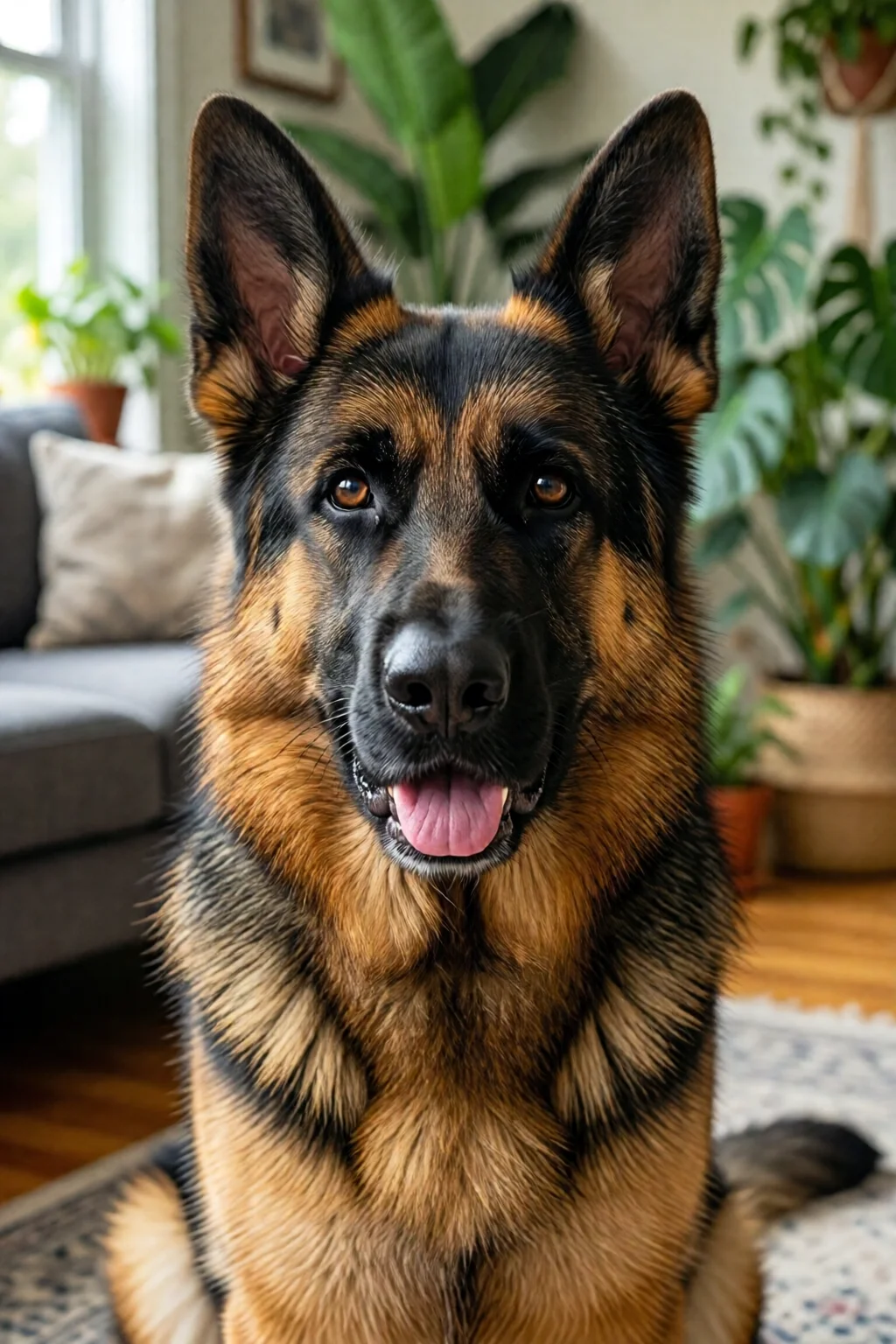
German Shepherds thrive on predictability. Feed, walk, and train at the same times each day. In my experience, a 3‑hour “on‑off” schedule (e.g., feed at 7 am, 12 pm, 5 pm; walk at 8 am, 1 pm, 6 pm) reduces anxiety and curbs unwanted chewing.
Begin each session with a 2‑minute “focus game.” Hold a treat, say “look,” and reward the moment your dog makes eye contact. Do this 5 times before moving to the next cue. Consistency here builds impulse control.
Step 2 – Teach Core Commands with Clicker Reinforcement
Start with “sit,” “down,” and “stay.” Follow this pattern:
- Hold a treat above the nose, move it back to cue a sit.
- As the rear touches the floor, click the clicker and immediately give the treat.
- Repeat 8–10 times, then add the verbal cue “sit” before the motion.
- Practice in three locations: living room, backyard, and a quiet park to generalize the behavior.
Keep each training block under 5 minutes; German Shepherds have high stamina but can lose focus quickly if sessions drag.
Step 3 – Leash Walking Without Pulling
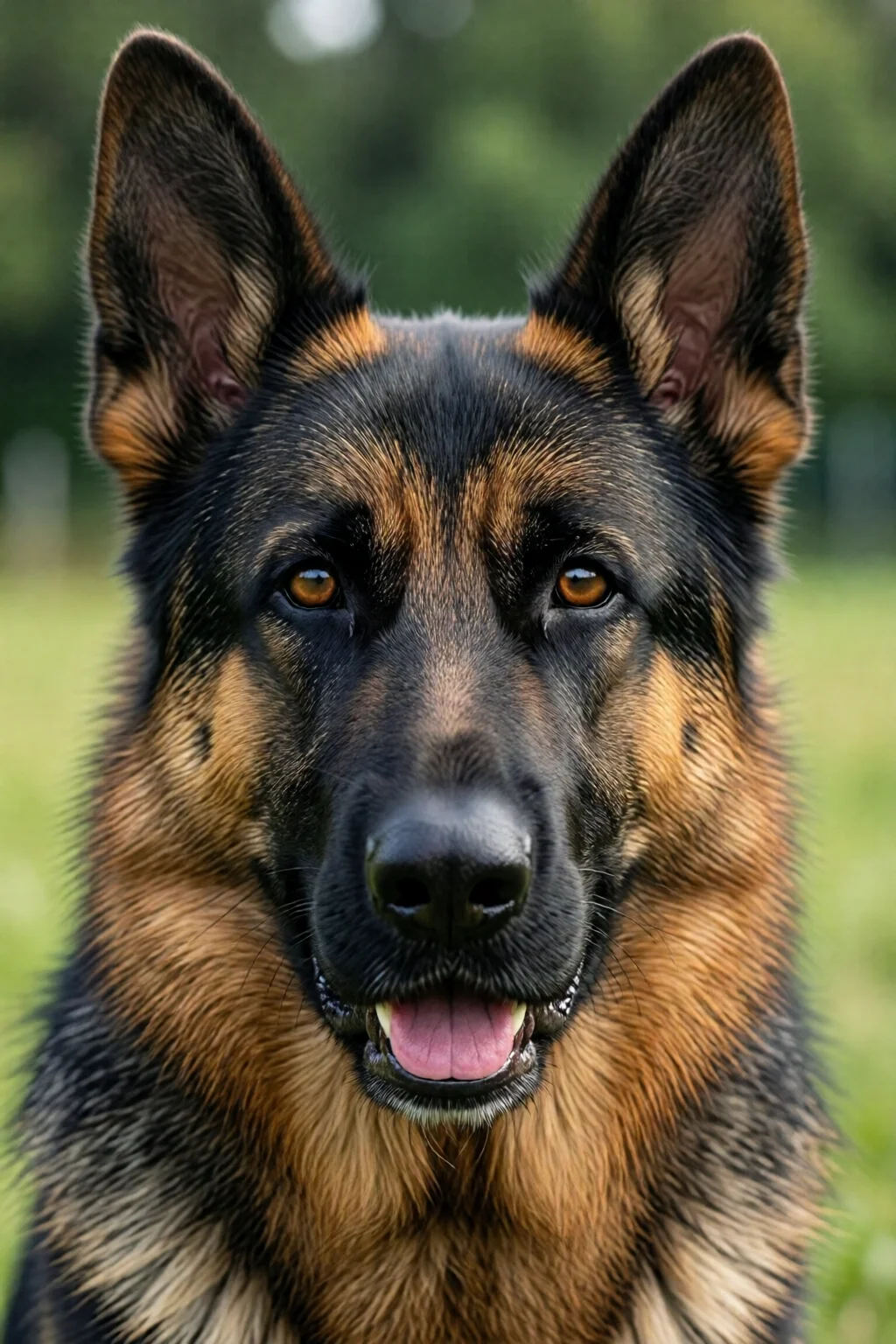
Attach the Gentle Leader Headcollar, adjust so the nose sits just below the eye line. Walk forward; when the dog pulls, the head gently turns toward you, breaking the forward momentum. Reward the moment the nose is back on your side with a click and treat.
For a more traditional collar approach, use the “high‑value treat at the heel” method:
- Start with a 15‑foot leash.
- Every 2–3 steps, click and reward when the dog’s shoulder aligns with your thigh.
- Gradually increase distance between rewards; aim for 30‑second stretches of loose‑leash walking within 2 weeks.
Step 4 – Socialization & Real‑World Distractions
German Shepherds can become overprotective if not exposed early. Schedule 2‑hour “socialization walks” weekly:
- Visit a dog‑friendly café (e.g., best dog breeds for families with kids article for venue ideas).
- Introduce the dog to a stroller, bicycle, and a child’s toy.
- Use a calm “leave it” cue; click and treat when the dog looks away from the stimulus.
Track progress in your notebook: note the stimulus, the dog’s reaction, and the success rate. Aim for 80 % compliance before moving to busier environments.
Step 5 – Advanced Recall & Impulse Control
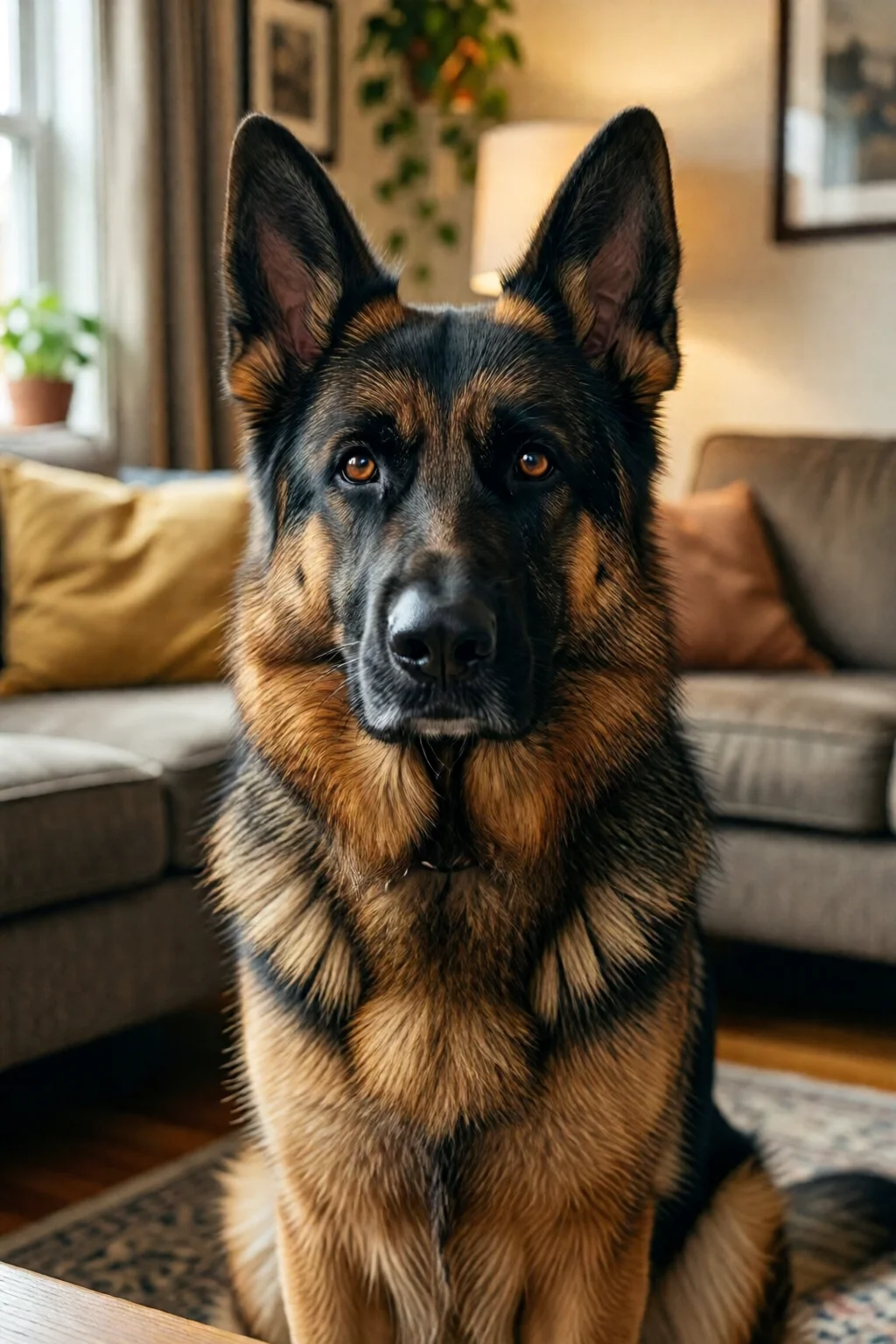
Once “come” works in a quiet yard, add distance and distraction:
- Start 20 ft away, call “come” with an enthusiastic tone.
- When the dog arrives, click, reward with a premium treat (e.g., Zuke’s Mini), and add a “release” cue like “okay.”
- Increase distance by 10 ft each session; after 5 successful 50‑ft recalls, introduce a moving distraction (a jogger or a ball roll).
- If the dog hesitates, switch to a remote E‑collar at the lowest stimulus level for a gentle reminder, then immediately reward the correct response.
Remember: the goal is 100 % response without the collar. The device is a backup, not a crutch.
Common Mistakes to Avoid
- Inconsistency: Using “sit” some days and “down” other days confuses the dog. Stick to one cue per behavior.
- Overfeeding Treats: Giving more than 10 % of daily calories in training treats can lead to weight gain. Measure treats with a kitchen scale (≈ 5 g per click).
- Long Sessions: Training beyond 10 minutes reduces retention. Break into 3‑minute bursts.
- Punishing Mistakes: Yelling or using a choke chain creates fear. Use positive reinforcement exclusively.
- Skipping Socialization: A well‑trained Shepherd can still be reactive if not desensitized to everyday noises.
Troubleshooting & Tips for Best Results
If your German Shepherd ignores the clicker: Re‑charge its value by offering a “super‑treat” (e.g., a slice of boiled chicken) every fifth click. This restores the association between click and reward.
Recall fails in the park: Reduce distance, increase treat value, and practice “recall” while the dog is on a long leash. Gradually fade the leash as reliability improves.
Leash pulling persists: Check the headcollar fit; a loose fit allows the dog to slip out. Adjust so the strap sits snugly behind the ears.
Excessive chewing on furniture: Provide at least two 24‑hour chew toys (e.g., KONG Extreme + Nylabone Dura Chew). Rotate toys weekly to maintain novelty.
Behavior regression after a holiday: Reinforce basics for a week with twice‑daily 5‑minute sessions. Consistency resets the habit loop.
Summary
German Shepherd training doesn’t require magic—just the right tools, a predictable schedule, and a commitment to positive reinforcement. By gathering the gear, establishing a routine, mastering core commands, perfecting leash walking, socializing aggressively, and fine‑tuning recall, you’ll see measurable progress within 3–4 weeks. Avoid common pitfalls, troubleshoot promptly, and celebrate each small win. Your Shepherd will become the loyal, obedient partner you envision, ready for family life, agility, or simply a calm evening on the couch.
How long does it take to train a German Shepherd to reliably obey basic commands?
With daily 5‑minute sessions and consistent cues, most German Shepherds achieve reliable “sit,” “down,” and “stay” within 3–4 weeks. Recall and impulse control may take an additional 2–3 months of gradual exposure to distractions.
Can I use a choke chain or prong collar for German Shepherd training?
It’s not recommended. German Shepherds respond best to positive reinforcement. Tools like the Gentle Leader headcollar or a low‑level remote E‑collar (used only as a reminder) are safer and more effective.
What’s the best way to stop my German Shepherd from jumping on guests?
Teach an “off” cue. When a guest arrives, ask your dog to sit and stay, rewarding calm behavior with a click and treat. Gradually increase the duration before allowing a greet. Consistency with every visitor is key.
How many treats should I give per training session?
Aim for 5–10 grams of high‑value treats per 5‑minute block, roughly 8–12 treats depending on size. Use a kitchen scale to keep calories in check and prevent weight gain.
Where can I find more information on introducing a new dog to my home?
Check out our detailed guide on how to introduce a new dog to your home for step‑by‑step tips on easing the transition for both your resident pets and the newcomer.
2 commentaires sur « German Shepherd Training Tips That Actually Work »