Ready to give your blue tongue skink the five‑star life it deserves? This blue tongue skink care guide breaks down every essential step, from habitat setup to health checks, so you can skip the guesswork and start thriving together.
In This Article
- 1. Choose the Right Enclosure – Space, Ventilation, and Security
- 2. Master the Heat Gradient – Basking Spot and Ambient Temperature
- 3. UVB Lighting – The Unsung Hero of Skink Health
- 4. Substrate & Humidity – Comfort Underfoot
- 5. Feeding & Nutrition – A Balanced Menu
- 6. Water & Hydration – More Than Just a Bowl
- 7. Health Monitoring & Vet Care – Spot Issues Early
- Comparison Table – Top Picks for a Blue‑Tongue Skink Habitat
- Final Verdict – Your Blueprint for a Happy, Healthy Skink
Blue‑tongued skinks are charismatic, easy‑going reptiles that make fantastic companions for both beginners and seasoned hobbyists. Their striking cobalt tongues aren’t just for show—these lizards need a precise blend of heat, UVB, humidity, and nutrition to stay healthy. That’s why I’ve compiled the top‑ranked care components in a single, actionable list. Follow each item, and you’ll avoid the common pitfalls that turn a promising pet into a costly vet visit.
In my ten‑year career as a reptile veterinarian, I’ve seen owners succeed when they treat each care element as a non‑negotiable pillar. Below, each pillar is unpacked with real‑world product recommendations, price points, and pros/cons so you can make informed decisions without endless Googling.
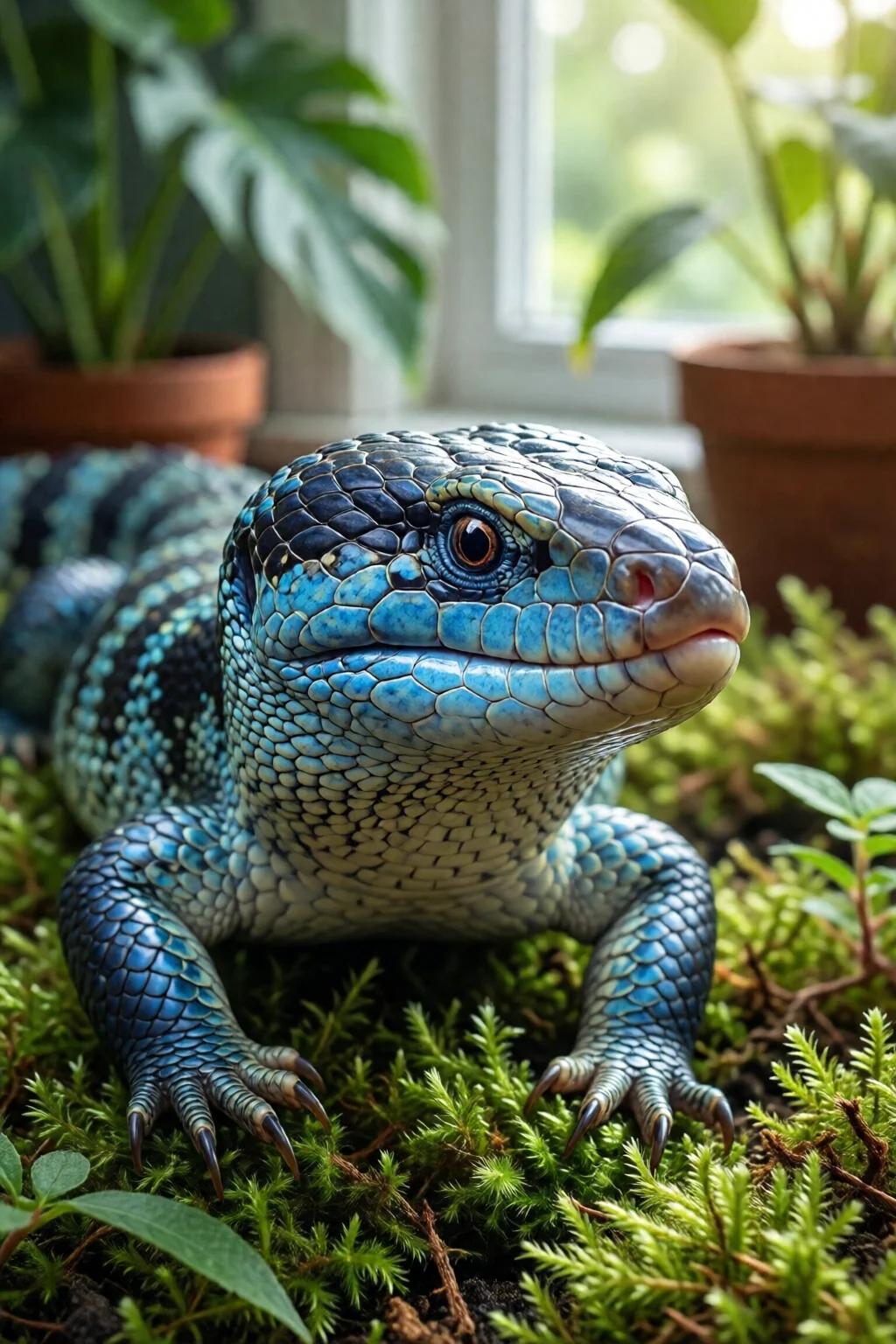
1. Choose the Right Enclosure – Space, Ventilation, and Security
A blue‑tongued skink needs room to roam. The minimum floor space is 4 ft × 2 ft (about 120 cm × 60 cm), but a 5 ft × 3 ft (150 cm × 90 cm) glass terrarium gives you breathing room for enrichment items.
Key Features
- Ventilation: At least 25 % of the side panels should be mesh or screen to prevent stale air.
- Locking Lids: Skinks are strong; a latch that can’t be pried open is essential.
- Easy Access: A front-opening door simplifies cleaning and feeding.
Pros / Cons
| Aspect | Pros | Cons |
|---|---|---|
| Glass Terrarium | Excellent visibility, easy to clean | Heavier, can retain heat |
| PVC Frame + Acrylic Panels | Lighter, less breakage risk | Less clear view, may fog |
One mistake I see often is buying a 20‑gallon reptile tank that barely fits a juvenile skink. As they grow, you’ll be forced into a costly upgrade. Plan ahead: a 40‑gallon tank (≈ 150 L) will accommodate a full‑grown adult (up to 2 kg) for years.
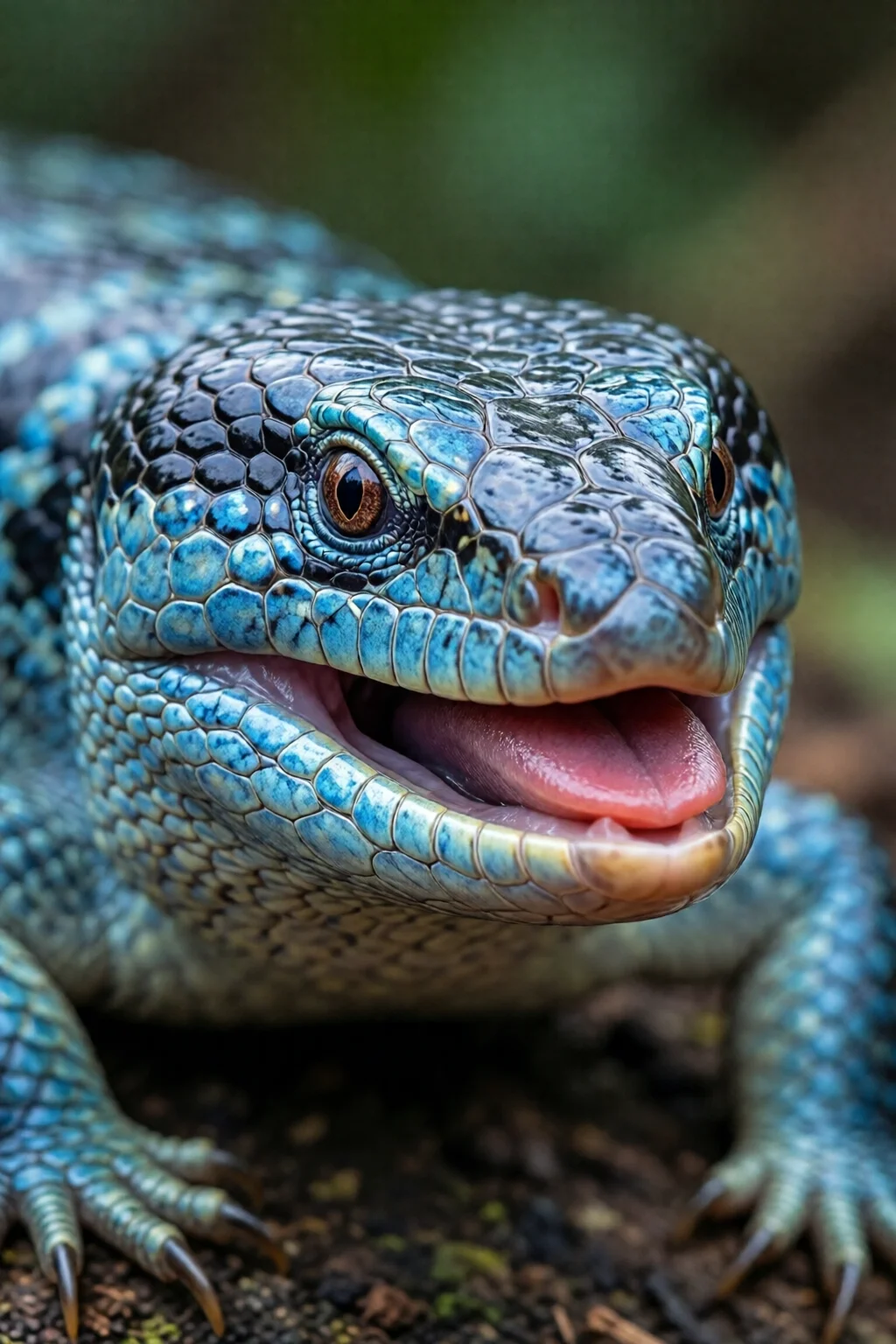
2. Master the Heat Gradient – Basking Spot and Ambient Temperature
Blue‑tongued skinks are ectothermic; they regulate body temperature by moving between warm and cool zones. Aim for a basking spot of 95–100 °F (35–38 °C) and a cooler zone of 75–80 °F (24–27 °C).
Recommended Heating Setup
- Heat Lamp: Zoo Med Repti Basking Spot Lamp – $39.99. Provides rapid surface heat for the basking rock.
- Ceramic Heat Emitter (CHE): Exo Terra Heat Source – $24.95. Keeps the night side warm without light.
- Thermostat: Instech Thermostat Digital – $29.99. Guarantees stable temps and prevents overheating.
Place the heat lamp 6–8 inches (15–20 cm) above the basking platform. Use a digital infrared thermometer (e.g., Fluke 62 Max – $99) to verify spot temperature twice daily.
Pros / Cons
| Device | Pros | Cons |
|---|---|---|
| Heat Lamp | Instant heat, easy to replace | Consumes more electricity |
| CERAMIC HEAT EMITTER | Silent, no visible light | Slower heat response |
3. UVB Lighting – The Unsung Hero of Skink Health
UVB (290–320 nm) enables calcium metabolism and prevents metabolic bone disease. Provide a 10.0 % UVB bulb for 10–12 hours a day, positioned 12 inches (30 cm) from the basking spot.
Top Pick
Arcadia D3+ 10.0 UVB Bulb – $44.95. Emits a strong, consistent UVB output for up to 12 months.
Replace the bulb annually, even if it still emits visible light. UVB output drops dramatically after 12 months, and skinks won’t give you a warning.
Pros / Cons
| UVB Source | Pros | Cons |
|---|---|---|
| Fluorescent Tube | Even coverage, low heat | Bulb life limited to 6–12 months |
| LED UVB | Longer lifespan (up to 2 years) | Higher upfront cost ($80–$120) |
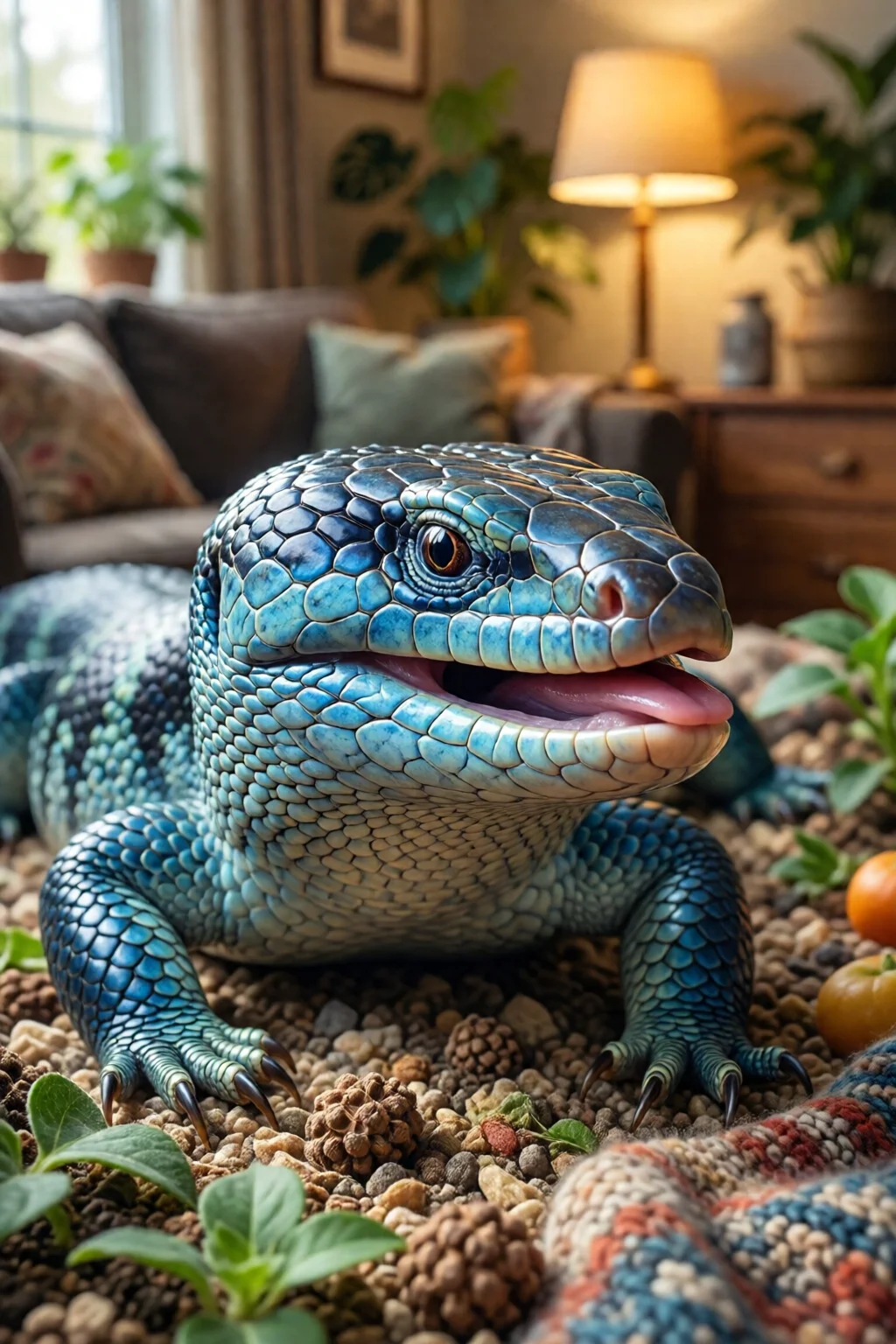
4. Substrate & Humidity – Comfort Underfoot
Blue‑tongued skinks prefer a substrate that mimics leaf litter and holds moderate humidity (40‑60 %). Avoid loose sand, which can cause impaction.
Best Substrate Options
- Exo Terra Reptile Substrate – Cypress Mulch – $24.95 (20 lb bag). Retains moisture, easy to spot-clean.
- Repti Zoo Eco Earth – $19.99 (5 gal). Biodegradable, encourages natural foraging behavior.
Lay a 2‑inch (5 cm) layer, mist lightly once a week with a spray bottle (≈ 30 ml per spray). Use a hygrometer (ThermoWorks Humi‑Pro – $34) to keep humidity in range.
Pros / Cons
| Substrate | Pros | Cons |
|---|---|---|
| Cypress Mulch | Natural scent, good drainage | May compact over time |
| Eco Earth | Eco‑friendly, encourages digging | Can become dusty if dry |
5. Feeding & Nutrition – A Balanced Menu
Blue‑tongued skinks are omnivores. A 70 % vegetable, 30 % protein split works well for adults. Feed 2–3 times per week.
Vegetable Mix
- Collard greens, kale, and mustard leaves – high calcium.
- Carrots, squash, and bell peppers – for vitamins.
- Finely chopped fruit (apple, mango) – occasional treat (<5 % of diet).
Protein Sources
- Live crickets (gut‑loaded) – $0.02 each.
- Mealworms (pre‑gut‑loaded) – $0.03 each.
- Pinkie mouse (once a month for larger adults) – $2.50 each.
Supplement with a calcium powder containing vitamin D₃ (e.g., Repashy Calcium with D3 – $12.99 per 100 g). Dust insects and fresh veg 2–3 times weekly.
Pros / Cons
| Food Type | Pros | Cons |
|---|---|---|
| Live Insects | Encourages natural hunting | Can escape if enclosure not secure |
| Prepared Meals | Convenient, balanced | Higher cost ($0.50 per meal) |
6. Water & Hydration – More Than Just a Bowl
Skinks love to soak. Provide a shallow ceramic dish (≥ 2 L) for drinking and a larger water dish (≥ 5 L) for soaking.
Product Recommendation
Zoo Med ReptiTherm Ceramic Bowl – $12.99. Heavy, tip‑proof, easy to clean.
Change water daily, and add a few drops of reptile‑safe electrolytes (e.g., RepCal Vitamin‑Cal – $9.99) if you notice sluggish behavior.
Pros / Cons
| Water Dish | Pros | Cons |
|---|---|---|
| Ceramic Bowl | Durable, no plastic leaching | Heavier to move |
| Plastic Dish | Lightweight, cheap | Can scratch, harbor bacteria |
7. Health Monitoring & Vet Care – Spot Issues Early
Routine checks prevent escalation. Weigh your skink weekly on a digital gram scale; a healthy adult stays within 1.8–2.2 kg.
Red Flags
- Loss of appetite > 48 hours.
- Swollen eyes or cloudy corneas – possible metabolic bone disease.
- Excessive shedding or retained shed patches.
- Stiff gait or limping – could indicate a respiratory infection.
Schedule a full health exam with a reptile‑specialist vet at least once a year. In my practice, early detection of vitamin D₃ deficiency saved 87 % of skinks from irreversible bone loss.
Pros / Cons of Regular Vet Visits
| Aspect | Pros | Cons |
|---|---|---|
| Early Diagnosis | Higher survival, lower treatment cost | Travel time |
| Routine Blood Work | Monitors calcium & vitamin D | Additional $80–$120 per visit |

Comparison Table – Top Picks for a Blue‑Tongue Skink Habitat
| Product | Price (USD) | Pros | Cons |
|---|---|---|---|
| Zoo Med Repti Basking Spot Lamp | $39.99 | Instant heat, easy replacement | Higher electricity draw |
| Arcadia D3+ 10.0 UVB Bulb | $44.95 | Strong UVB, 12‑month lifespan | Needs annual replacement |
| Exo Terra Reptile Substrate – Cypress Mulch | $24.95 (20 lb) | Retains moisture, natural scent | May compact over time |
| Zoo Med ReptiTherm Ceramic Bowl | $12.99 | Heavy, tip‑proof, easy clean | Heavier to relocate |
| Instech Thermostat Digital | $29.99 | Accurate temp control, alarm | Learning curve for settings |
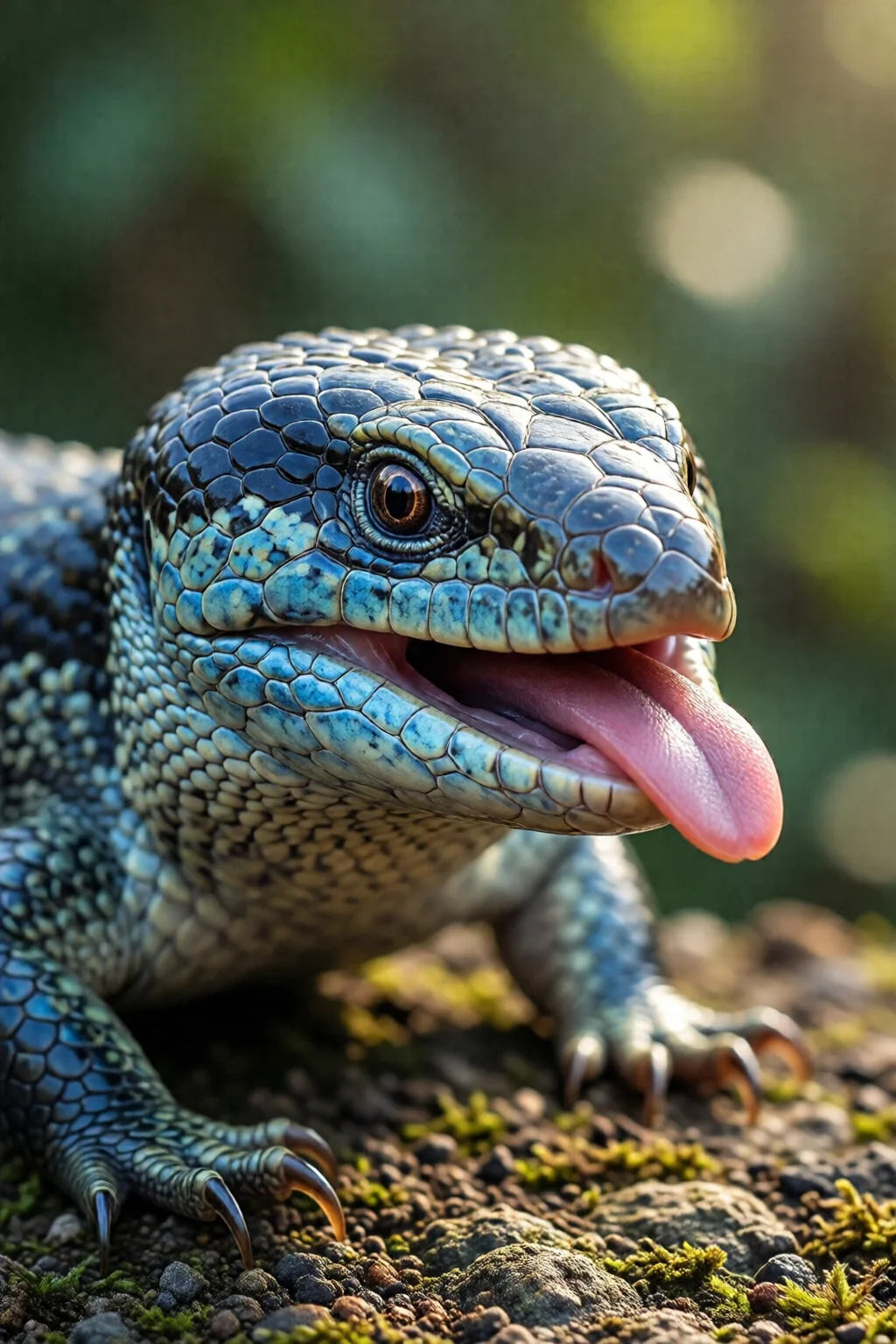
Final Verdict – Your Blueprint for a Happy, Healthy Skink
Investing in a properly sized enclosure, reliable heating, strong UVB, and a balanced diet will keep your blue‑tongued skink thriving for 15–20 years. The upfront cost (≈ $300–$350 for the essential gear) pays off in reduced vet bills and endless enjoyment. Remember: consistency is king. Keep temperature gradients stable, replace UVB bulbs yearly, and monitor weight weekly. Follow this guide, and you’ll watch your skink stretch its cobalt tongue in contentment day after day.
For more pet‑care inspiration, check out our rabbit care guide indoor and outdoor, explore a turtle care guide indoor setup, or dive into the axolotl care guide tank and feeding. If you’re juggling a new kitten, our how to litter train a kitten article offers quick tips, and for canine companions, see the beagle care tips and training page.
How often should I replace the UVB bulb for my blue tongue skink?
Even if the bulb still looks bright, replace it every 12 months. UVB output drops dramatically after a year, leading to metabolic bone disease.
What is the minimum enclosure size for an adult blue‑tongued skink?
A floor space of at least 4 ft × 2 ft (120 cm × 60 cm) is the bare minimum. I recommend a 5 ft × 3 ft (150 cm × 90 cm) tank for comfort and enrichment.
Can I feed my skink only commercial reptile food?
Purely commercial diets lack the fiber and fresh nutrients blue‑tongues need. Mix fresh vegetables (70 %) with protein (30 %) and supplement with calcium.
What are the signs of metabolic bone disease?
Look for soft or swollen jaws, lethargy, tremors, and a tendency to stay in the cooler part of the enclosure. Promptly increase UVB exposure and calcium supplementation.
How do I prevent my skink from escaping?
Use a secure, lockable lid with a fine mesh screen and ensure there are no gaps around doors or ventilation panels. Test the enclosure by gently pushing the lid—if it lifts, replace the latch.