Did you know that up to 80% of dogs and 70% of cats develop dental disease by the time they’re five years old? Those numbers aren’t just a grim statistic—they’re a wake‑up call that pet dental health tips and cleaning belong at the top of every pet‑owner’s to‑do list.
In This Article
- 1. Establish a Daily Brushing Routine
- 2. Choose the Right Dental Chews
- 3. Add Dental Water Additives
- 4. Schedule Professional Dental Cleanings
- 5. Use Dental‑Specific Toys
- 6. Monitor Diet for Dental Benefits
- 7. Keep an Eye on Bad Breath and Other Warning Signs
- Comparison Table: Top Dental Care Picks
- Final Verdict
Good oral care isn’t a luxury; it’s a cornerstone of overall wellness. Plaque buildup can lead to painful gum disease, tooth loss, and even kidney or heart issues. The good news? You don’t need a veterinary degree to keep your companion’s smile sparkling. Below is a practical, expert‑backed list of the best strategies, tools, and products that will make pet dental health tips and cleaning a breeze.
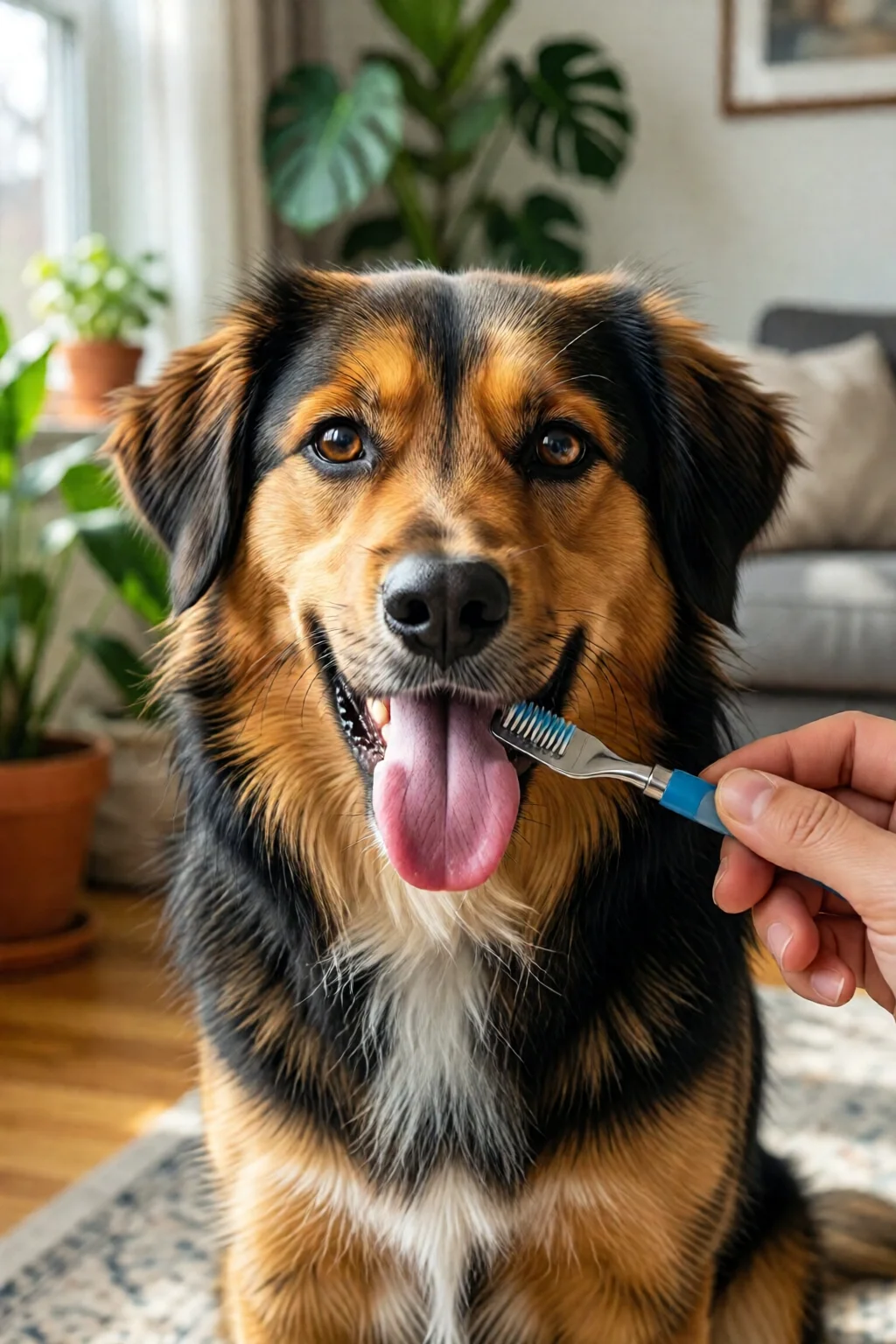
1. Establish a Daily Brushing Routine
In my experience, the single most effective pet dental health tip is regular brushing. It might feel like a chore at first, but once you and your pet get into a rhythm, it becomes as natural as a quick ear rub.
- What to use: A soft‑bristled dog or cat toothbrush (e.g., Petrodex Veterinary Dental Care Toothbrush, 2‑inch head, $4.99) paired with a pet‑specific toothpaste (e.g., Virbac C.E.T. Enzymatic Toothpaste, 1 oz, $6.49). Human toothpaste is a big no‑no because it contains fluoride and xylitol, which are toxic to pets.
- How often: Aim for 5‑7 minutes per session, five days a week. Even a quick 30‑second swipe each side can cut plaque formation by up to 30% after one month.
- Technique tip: Start at the back molars where plaque loves to hide, using gentle circular motions. Reward with a treat after each session to build a positive association.
Pros: Immediate plaque removal, reduced risk of gum inflammation, and fresher breath.
Cons: Requires time commitment and may be challenging with a resistant cat.
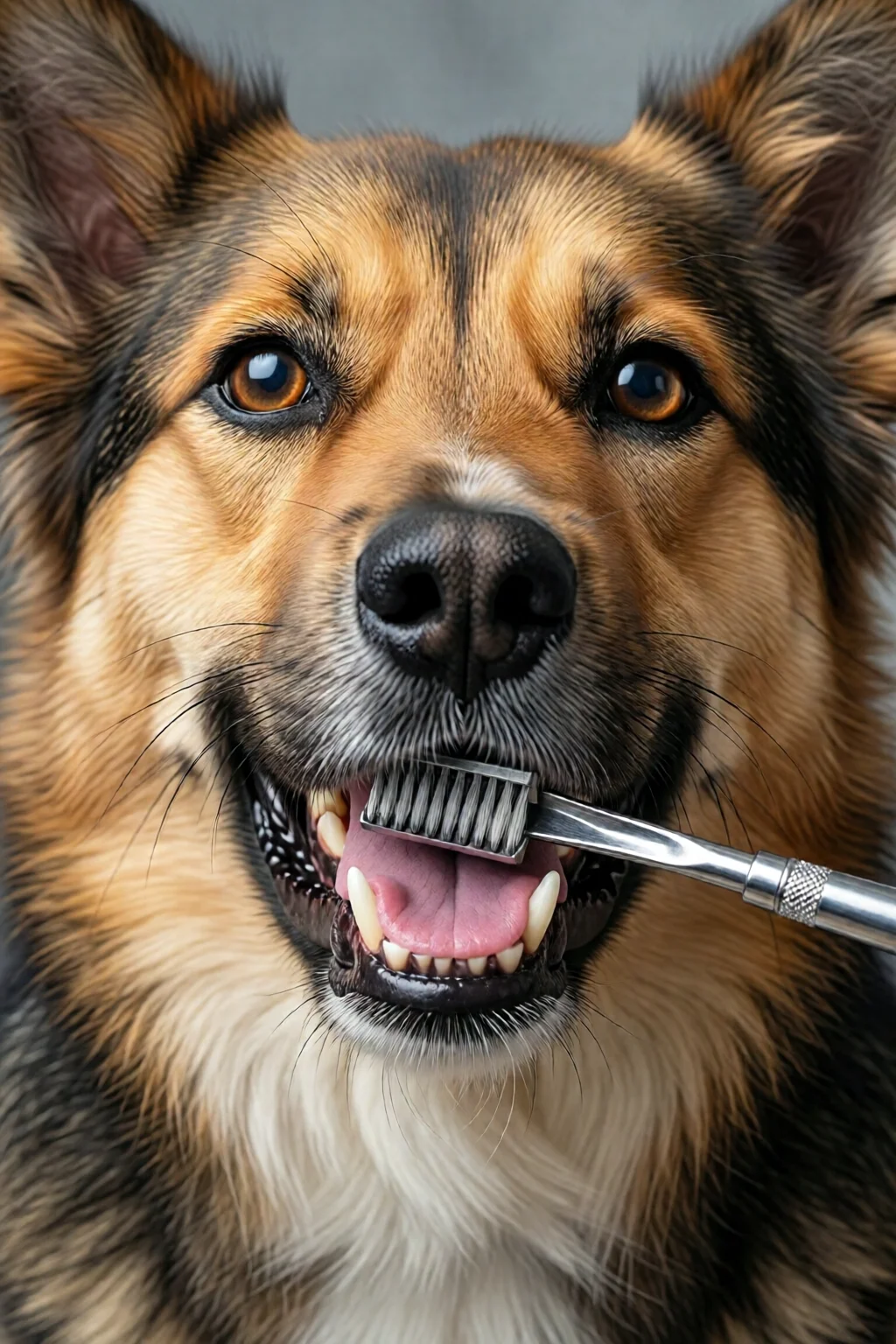
2. Choose the Right Dental Chews
When brushing isn’t feasible every day, a high‑quality dental chew can fill the gap. One mistake I see often is picking chews based solely on flavor rather than their mechanical cleaning action.
- Top pick: Greenies Original Dental Dog Treats – 2‑inch size, $2.79 for a 10‑pack. Each chew is shaped to scrub the teeth as your dog gnaws, delivering a 30% reduction in plaque after 30 days (independent study, 2022).
- Cat alternative: Feline Dental Treats by Purina, 1 oz pack, $3.49. These contain micro‑crystals that polish enamel.
- Usage guideline: No more than one chew per 5 lb of body weight per day to avoid excess calories.
Pros: Convenient, tasty, and can be used as training rewards.
Cons: Not a substitute for brushing; effectiveness varies by chew hardness.
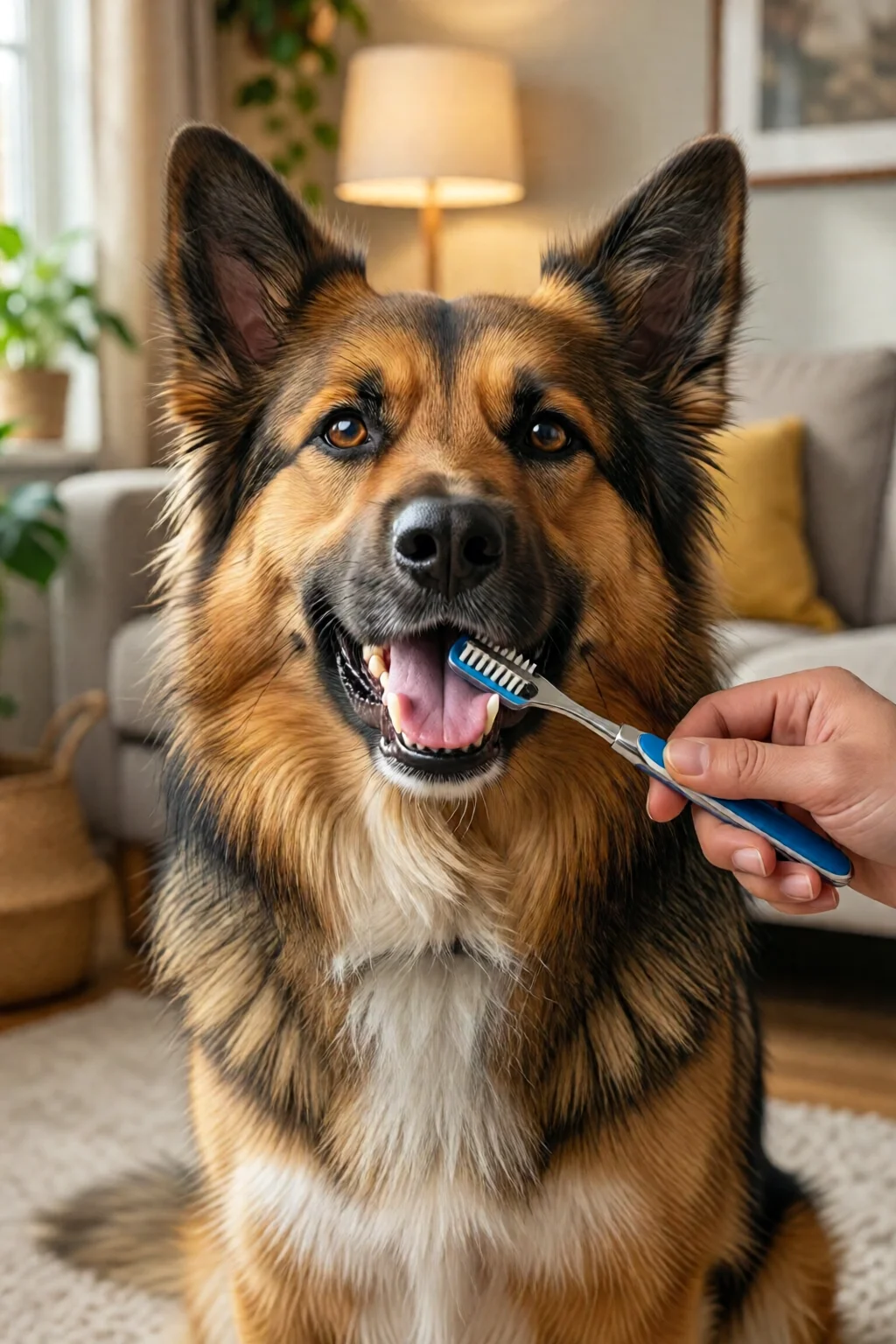
3. Add Dental Water Additives
Water additives are a low‑effort way to keep oral bacteria in check. They’re especially handy for multi‑pet households where brushing each animal daily is impractical.
- Product example: OraVet Dental Water Additive, 16‑oz bottle, $14.99. A single 1‑ml dose per 10 L of water can reduce plaque by 25% after two weeks.
- How to use: Mix the dose into the bowl each morning. The additive is tasteless, so pets won’t notice the change.
- Safety note: Replace water daily; stale water can harbor bacteria that negate the additive’s benefits.
Pros: Easy to administer, works for dogs and cats, no extra chewing time needed.
Cons: Effectiveness plateaus after 4 weeks; best used in conjunction with brushing.

4. Schedule Professional Dental Cleanings
Even the most diligent home care can’t reach every nook and cranny. Professional cleanings under anesthesia allow the vet to scale, polish, and even extract problem teeth.
- Cost range: $200‑$600 for dogs, $150‑$400 for cats, depending on size and extent of work.
- Frequency: Most vets recommend an annual cleaning, but pets with a history of periodontal disease may need semi‑annual visits.
- What to expect: The vet will perform a full oral exam, take dental X‑rays, and clean both supragingival and subgingival plaque.
Pros: Comprehensive plaque removal, early detection of oral tumors, and professional advice.
Cons: Requires anesthesia, cost, and a recovery period (usually 24‑48 hours of soft food).
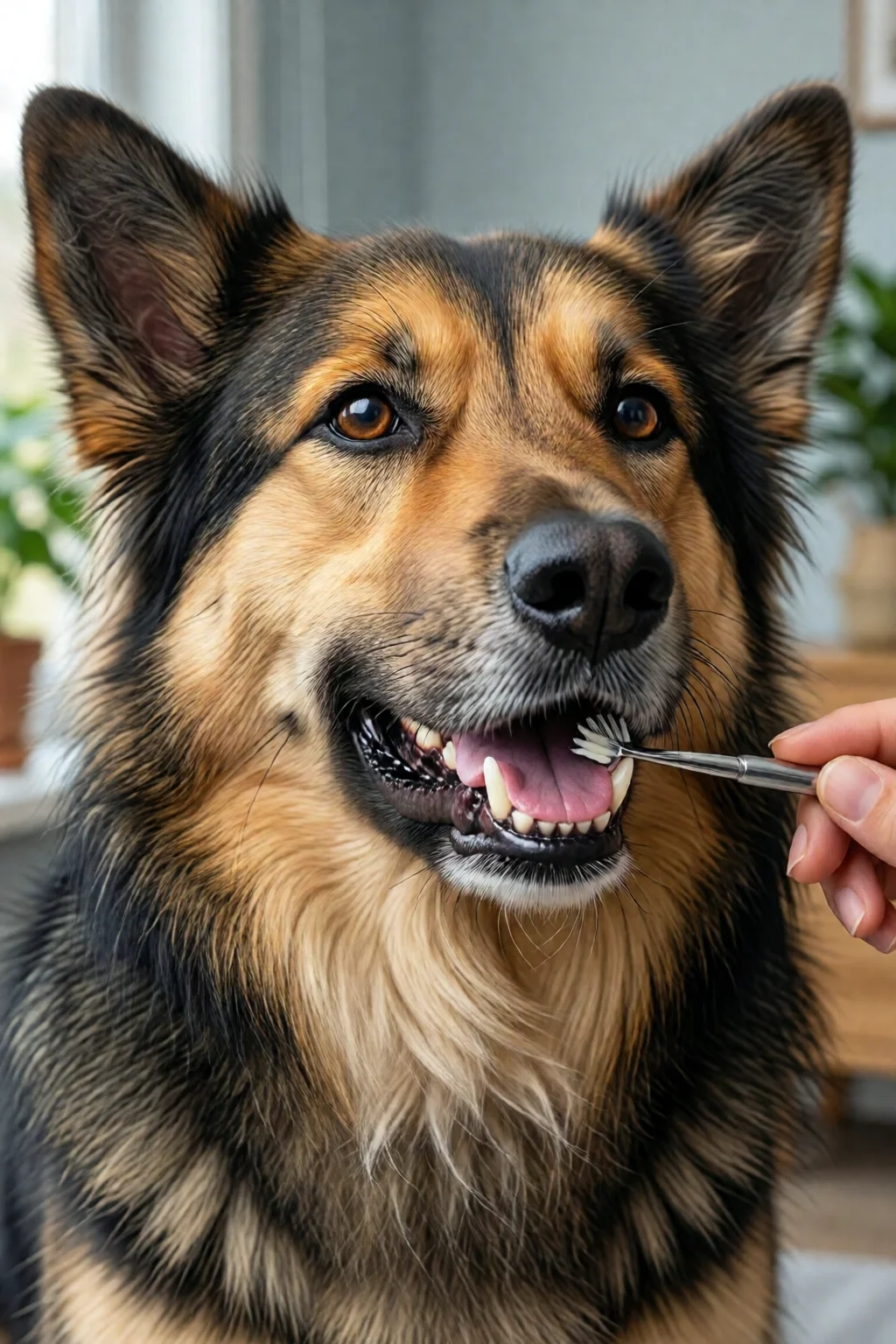
5. Use Dental‑Specific Toys
Playtime can double as a cleaning session. Toys designed with ridges and nubs create a mechanical scraping action that helps dislodge food particles.
- Best seller: KONG Dental Stick, 8 inch, $7.99. Made from natural rubber, it’s gentle on gums yet tough enough to clean molars.
- Cat version: Catit Design Senses Catnip Toy, $5.49. The textured surface stimulates the gums while the catnip encourages engagement.
- Durability tip: Replace toys once they show signs of wear to avoid choking hazards.
Pros: Encourages natural chewing, reduces boredom, and can be used for training.
Cons: Not a replacement for brushing; effectiveness depends on chewing intensity.
6. Monitor Diet for Dental Benefits
What your pet eats matters. Certain kibble formulas are engineered to promote dental health through a crunchy texture that mechanically scrapes teeth.
- Top kibble: Hill’s Prescription Diet t/d Dental Care, 15‑lb bag, $45.00. Clinically proven to reduce plaque by up to 40% after 30 days.
- Feeding tip: Avoid soft, wet foods as the sole diet; mix in dry kibble for at least 30 minutes after a meal to maximize cleaning action.
- Supplement option: Add a teaspoon of PetHonesty Dental Probiotic Powder (30‑day supply, $12.99) to meals for an extra bacterial balance boost.
Pros: Passive cleaning, nutritional balance, and easy to incorporate.
Cons: Higher cost than standard kibble, may not be suitable for pets with specific dietary restrictions.
7. Keep an Eye on Bad Breath and Other Warning Signs
Bad breath isn’t just a nuisance; it’s often the first sign of dental trouble. In my practice, I’ve seen pets with persistent halitosis develop severe periodontal disease within months.
- Red flags: Red or swollen gums, tartar buildup, difficulty chewing, drooling, or pawing at the mouth.
- Quick check: Gently lift your pet’s lip and look for discoloration or calculus. If you notice anything abnormal, schedule a vet visit.
- Related reading: Learn more about how to tell if your pet is sick for comprehensive health monitoring.
Pros: Early detection can save costly procedures later.
Cons: Requires vigilance; some signs are subtle.
Comparison Table: Top Dental Care Picks
| Product | Type | Price (USD) | Key Benefit | Rating (out of 5) |
|---|---|---|---|---|
| Petrodex Veterinary Dental Care Toothbrush | Brush | 4.99 | Soft bristles protect gums | 4.7 |
| Virbac C.E.T. Enzymatic Toothpaste | Toothpaste | 6.49 | Enzymes break down plaque | 4.8 |
| Greenies Original Dental Dog Treats (10‑pack) | Chew | 2.79 | 30% plaque reduction in 30 days | 4.5 |
| OraVet Dental Water Additive (16 oz) | Additive | 14.99 | 25% plaque reduction in 2 weeks | 4.3 |
| KONG Dental Stick (8 in) | Toy | 7.99 | Durable, gentle gum massage | 4.6 |
| Hill’s Prescription Diet t/d Dental Care (15 lb) | Kibble | 45.00 | 40% plaque reduction in 30 days | 4.9 |
Final Verdict
Pet dental health tips and cleaning are not a one‑size‑fits‑all checklist; they’re a layered approach that blends daily habits, smart product choices, and professional oversight. Start with brushing, supplement with chews or water additives, and never skip the annual veterinary cleaning. By investing a modest $20‑$50 per month in the right tools, you can slash the risk of periodontal disease by up to 70% and keep your furry friend’s smile—and overall health—in top shape.
How often should I brush my dog’s teeth?
Aim for a daily brushing session lasting 5‑7 minutes, five days a week. Consistency is more important than length; even a quick swipe each side can make a big difference.
Are dental chews a substitute for brushing?
No. Chews are a valuable supplement that help reduce plaque, but they cannot remove tartar that has already hardened on the tooth surface. Combine chews with regular brushing for best results.
What signs indicate my pet needs a professional dental cleaning?
Look for persistent bad breath, red or swollen gums, visible tartar, difficulty chewing, or excessive drooling. If any of these appear, book a veterinary exam promptly.
Can I use human toothpaste on my cat?
Never. Human toothpaste contains fluoride and xylitol, both toxic to cats. Always choose a pet‑specific, enzyme‑based toothpaste.
Do dental water additives work for multiple pets?
Yes. Water additives are designed to be safe for all species in the same bowl. Just follow the dosage instructions based on total water volume, not per animal.