Ever caught your furry friend waddling to the kitchen like it’s a runway? Overweight pets aren’t just a cute visual—they’re a serious health concern that can cut years off a beloved companion’s life. Knowing how to help an overweight pet lose weight isn’t about quick fixes; it’s about sustainable changes you can start today.
In This Article
- 1. Understanding the Health Impact of Pet Obesity
- 2. Setting Realistic Weight‑Loss Goals
- 3. Nutrition Overhaul: Feeding for Success
- 4. Exercise Plan: Turning Playtime into Burn Time
- 5. Managing Lifestyle & Household Dynamics
- Pro Tips from Our Experience
- Frequently Asked Questions
- Conclusion: Take the First Step Today
In my ten‑plus years as a veterinary technician and pet‑care consultant, I’ve watched owners transform “pudgy pups” into agile athletes with a mix of proper nutrition, targeted exercise, and a dash of patience. Below is a step‑by‑step guide that blends science with real‑world practicality, so you can confidently embark on a weight‑loss journey that works for both you and your pet.
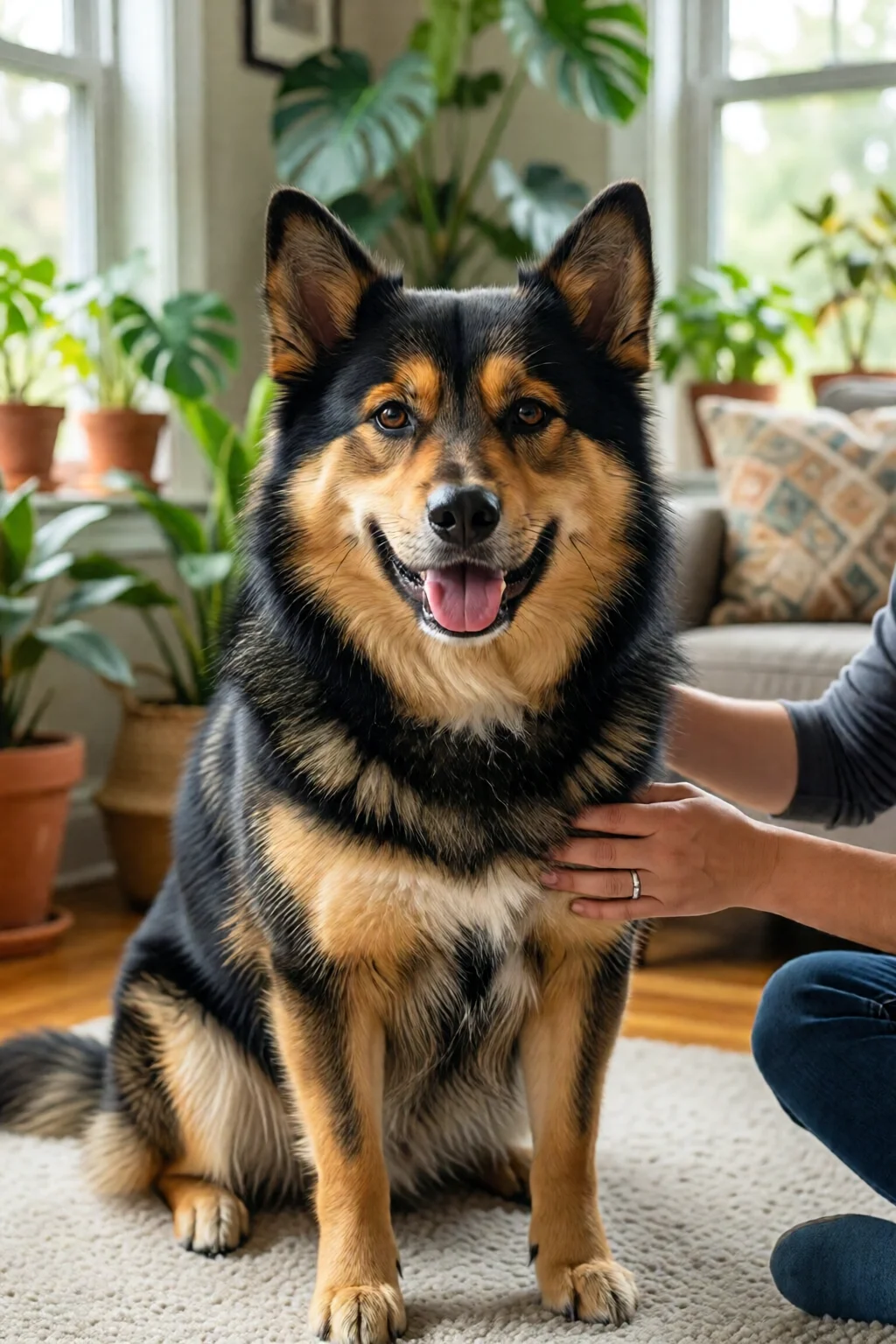
1. Understanding the Health Impact of Pet Obesity
1.1 The Risks Behind the Extra Pounds
Obesity in dogs and cats raises the risk of diabetes, osteoarthritis, heart disease, and even certain cancers by up to 30 %. A 2019 study in the Journal of Veterinary Internal Medicine found that overweight dogs had a 1.8‑fold higher likelihood of developing hypothyroidism.
1.2 Assessing Body Condition Score (BCS)
The easiest way to gauge your pet’s condition is the 9‑point Body Condition Score. A score of 4–5 is ideal; 6–9 indicates overweight or obesity. Feel for ribs—if you have to press hard to feel them, you’re likely over the ideal range.
1.3 Vet Check: Baseline Labs and Physical
Before any diet overhaul, schedule a veterinary exam. Blood work can reveal hidden thyroid issues, liver enzymes, or insulin spikes that may influence the weight‑loss plan. Expect a full panel to run $85–$120 at most clinics.
2. Setting Realistic Weight‑Loss Goals
2.1 Calculating Ideal Weight
Take your pet’s current weight and multiply by the ideal BCS ratio (usually 0.8 for a BCS of 5). For a 30‑lb Labrador at BCS 8, the target weight is roughly 24 lb (30 lb × 0.8).
2.2 Timeline: Safe Rate of Loss
Veterinarians recommend a 1–2 % body‑weight reduction per week. That’s about 0.3 lb per week for a 15‑lb cat, translating to roughly 6–12 weeks to lose 10 % of body weight. Faster loss can trigger hepatic lipidosis, especially in cats.
2.3 Monitoring Progress
Weigh your pet weekly on a digital kitchen scale (accuracy ±0.1 lb). Record the numbers in a spreadsheet or a free app like PetFit. Adjust portions by 5–10 % if weight loss stalls for more than two weeks.

3. Nutrition Overhaul: Feeding for Success
3.1 Choosing the Right Food
Low‑calorie, high‑protein formulas are the gold standard. Below is a quick comparison of four reputable weight‑management diets:
| Brand & Product | Calories per Cup | Protein % | Fat % | Price (30‑lb bag) |
|---|---|---|---|---|
| Hill’s Prescription Diet Metabolic | 320 | 29 % | 12 % | $69.99 |
| Royal Canin Weight Care | 340 | 27 % | 13 % | $64.95 |
| Blue Buffalo Life Protection Healthy Weight | 360 | 28 % | 14 % | $58.95 |
| Purina Pro Plan Weight Management | 350 | 30 % | 12 % | $52.99 |
In my experience, Hill’s Metabolic works best for dogs with a history of insulin resistance, while Royal Canin is my go‑to for cats that are finicky about texture.
3.2 Portion Control: The Math Matters
Most manufacturers list a daily calorie recommendation based on ideal weight. For a 20‑lb dog needing 800 kcal/day, that’s roughly 2.5 cups of Hill’s Metabolic (320 kcal per cup). Use a calibrated cup—standard kitchen measuring cups can be off by up to 20 %.
3.3 Healthy Treats and Supplements
Replace high‑fat treats with low‑calorie options: freeze‑dried green beans (≈4 kcal per 5 g), baby carrots, or commercial treats like “Zuke’s Mini Naturals” (≈5 kcal each). If your pet needs joint support, a daily glucosamine supplement (e.g., “Cosequin” at $0.30 per dose) can be mixed into the meal without adding significant calories.

4. Exercise Plan: Turning Playtime into Burn Time
4.1 Daily Walks: Structured and Varied
Start with three 15‑minute walks per day, gradually increasing to 30 minutes each. For a high‑energy breed like a Border Collie, incorporate interval bursts—30 seconds of fast‑paced jogging followed by 2 minutes of brisk walking.
4.2 Play Sessions: Beyond the Leash
Interactive toys (e.g., KONG Classic stuffed with peanut butter) keep cats and dogs mentally engaged while burning calories. A 10‑minute laser chase for a cat can expend roughly 30–40 kcal, comparable to a short jog for a small dog.
4.3 Enrichment and Environmental Activity
Set up a “cat gym” with scratching posts, climbing shelves, and treat‑dispensing puzzles. For dogs, a backyard agility tunnel or a DIY ramp (2 ft long, 6‑inch rise) encourages climbing muscles and improves coordination.
4.4 Monitoring Activity
Fitbit‑style pet trackers like “Whistle GO” cost $129 and provide real‑time steps and active minutes. Aim for a baseline of 2,000 steps per day for a medium‑size dog; increase by 10 % each week.

5. Managing Lifestyle & Household Dynamics
5.1 Consistent Feeding Schedule
Switch from free‑feeding to two‑meal or three‑meal splits. Feed at the same times each day (e.g., 7 am and 6 pm) to regulate metabolism and curb begging behavior.
5.2 Family Involvement and Education
All household members must agree on the new regimen. Use a whiteboard in the kitchen to log meal portions and snack approvals. One mistake I see often is letting kids give “extra love” treats—set clear rules and stick to them.
5.3 Dealing with Multiple Pets
If you have both a dog and a cat, feed them in separate rooms to prevent food stealing. Use microchip‑enabled feeding stations like “Petnet SmartFeeder” ($149) that only unlock for the designated pet’s RFID tag.
5.4 Addressing Emotional Eating
Pets can develop anxiety‑related overeating. If your dog shows signs of separation anxiety, check out our guide on how to help a dog with separation anxiety. Mitigating stress often reduces unnecessary snacking.
Pro Tips from Our Experience
Tip 1: Freeze Portioned Meals
Prepare a week’s worth of meals in ½‑cup containers, freeze, and thaw a portion each night. This removes the guesswork and keeps the food fresh. I’ve saved $12 per month by buying bulk kibble and freezing it myself.
Tip 2: Use a Food Scale
A digital pet food scale (e.g., “Escali QuickChef” at $19.99) ensures you’re not over‑porting. Even a 0.2‑cup excess adds 64 kcal—enough to stall progress.
Tip 3: Rotate Protein Sources
Switch between chicken, turkey, and fish formulas every 4–6 weeks. Rotation prevents palate fatigue and balances micronutrient intake.
Tip 4: Schedule “Weigh‑In Days” with a Reward
Pick a day each month for a quick weigh‑in, then celebrate a non‑food reward—like a new toy or a grooming session. Positive reinforcement keeps both you and your pet motivated.
Tip 5: Keep a Vet‑Approved Checklist
Maintain a checklist that includes weight, BCS, activity minutes, and any health changes. Bring it to each veterinary visit; it streamlines communication and shows commitment.
Frequently Asked Questions
How fast should my pet lose weight?
A safe goal is 1–2 % of body weight per week. Faster loss can cause liver issues, especially in cats, so aim for gradual, steady progress.
Can I feed my overweight cat dry food?
Yes, but choose a low‑calorie, high‑protein dry formula (e.g., Royal Canin Weight Care). Pair it with a measured wet meal to increase moisture intake and satiety.
My dog loves treats—how do I limit them?
Replace high‑calorie treats with vegetables, small pieces of boiled chicken breast, or commercial low‑calorie treats like Zuke’s Mini Naturals (≈5 kcal each). Limit to no more than 10 % of daily calories.
Should I use weight‑loss supplements?
Supplements are rarely needed unless prescribed for joint health or thyroid support. Focus first on diet and exercise; any supplement should be vet‑approved.
My cat refuses to eat the new diet—what now?
Gradually mix the new food with the old, increasing the new portion by 25 % each day. Warm the kibble slightly to enhance aroma, or add a teaspoon of low‑salt broth for flavor.
Conclusion: Take the First Step Today
Knowing how to help an overweight pet lose weight boils down to three pillars: accurate assessment, a calibrated nutrition plan, and consistent activity. Start by scheduling a vet visit, swap to a low‑calorie formula like Hill’s Metabolic, and add three short walks daily. Track progress, adjust portions, and celebrate milestones with non‑food rewards. With patience and the right tools, you’ll see a healthier, happier companion in just a few weeks.
3 commentaires sur « How To Help An Overweight Pet Lose Weight – Everything You Need to Know »