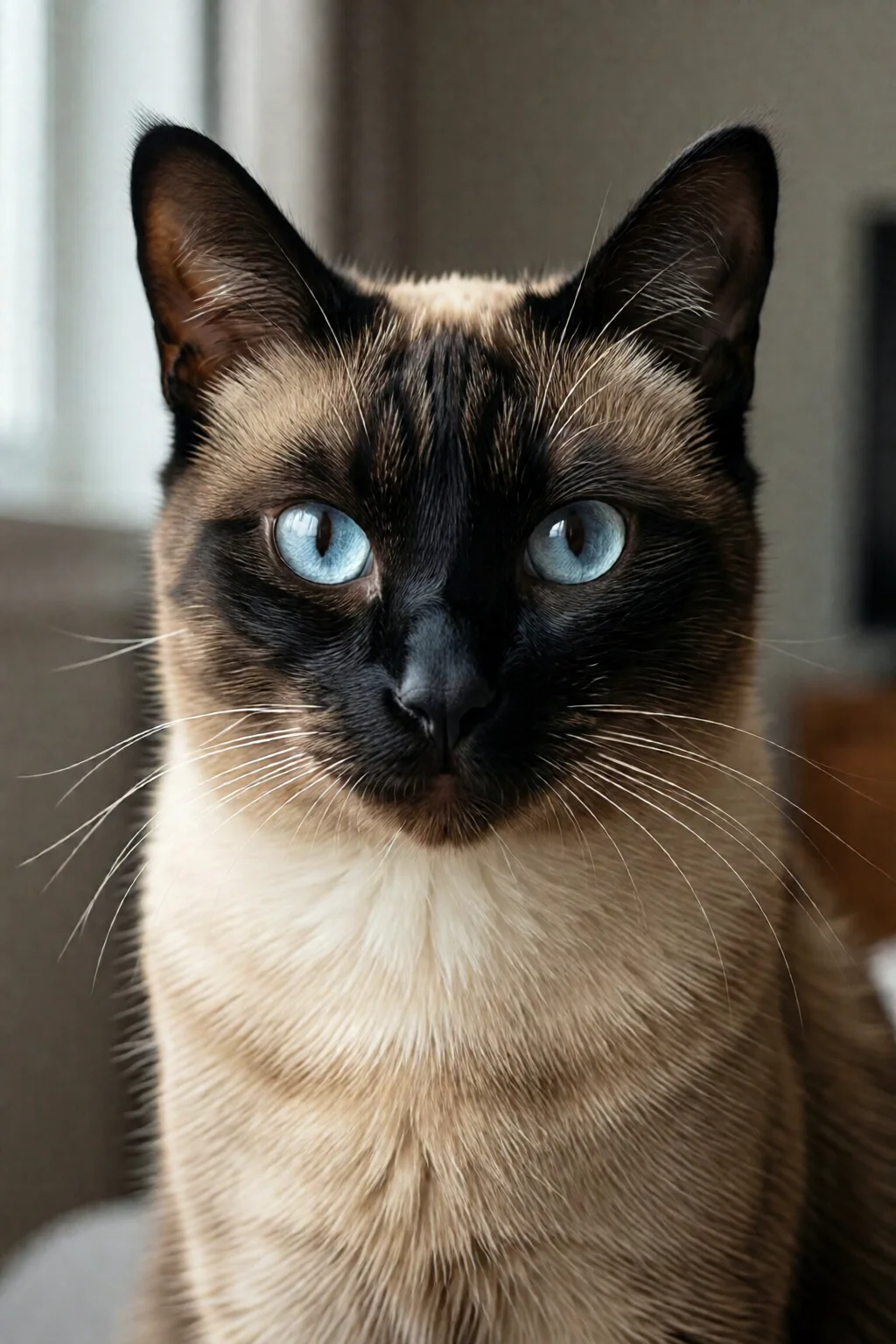
When I first brought home a two‑month‑old Siamese kitten named Luna, I quickly learned that a sleek coat and striking blue eyes are just the beginning. Within days she was demanding attention, mastering the high perch on my bookshelf, and vocalizing a chorus that could rival a morning choir. If you’re about to welcome a Siamese into your home—or already share space with one—you’ll want a roadmap that respects their unique personality while keeping them healthy and happy. This guide walks you through the essential siamese cat care tips and personality insights you need, from setting up the perfect environment to troubleshooting the occasional diva moment.
In This Article
- What You’ll Need Before You Start
- Step 1: Understanding Siamese Personality
- Step 2: Setting Up a Siamese‑Friendly Home
- Step 3: Feeding and Nutrition
- Step 4: Grooming and Health Maintenance
- Step 5: Training and Mental Stimulation
- Common Mistakes to Avoid
- Troubleshooting & Tips for Best Results
- Summary
What You’ll Need Before You Start
- High‑quality food: Royal Canin Siamese Adult (2 lb bag, $12.99) or Hill’s Science Diet Adult Indoor (5 lb, $22.49) – both formulated for lean muscle and low‑fat needs.
- Interactive toys: Feather wands, laser pointers, and the Catit Senses 2.0 Food Maze ($19.95) to satisfy their hunting instincts.
- Grooming kit: A stainless‑steel slicker brush (e.g., Safari Professional, $8.99) and a soft nail trimmer (Pet Republique, $6.50).
- Litter box setup: Covered box with high sides (Nature’s Miracle, 13 L, $29.99) plus a low‑dust clumping litter (World’s Best, 10 lb, $15.99).
- Vertical space: A sturdy cat tree at least 5 ft tall (Armarkat, $79.99) or wall‑mounted shelves (CatastrophiCreations, $39.95 per set).
- Health essentials: Annual wellness exam ($55–$75), flea/tick preventive (Frontline Plus, $13.99 for 3 months), and a dental care kit (Virbac C.E.T. Enzymatic Toothpaste, $9.95).
Step 1: Understanding Siamese Personality
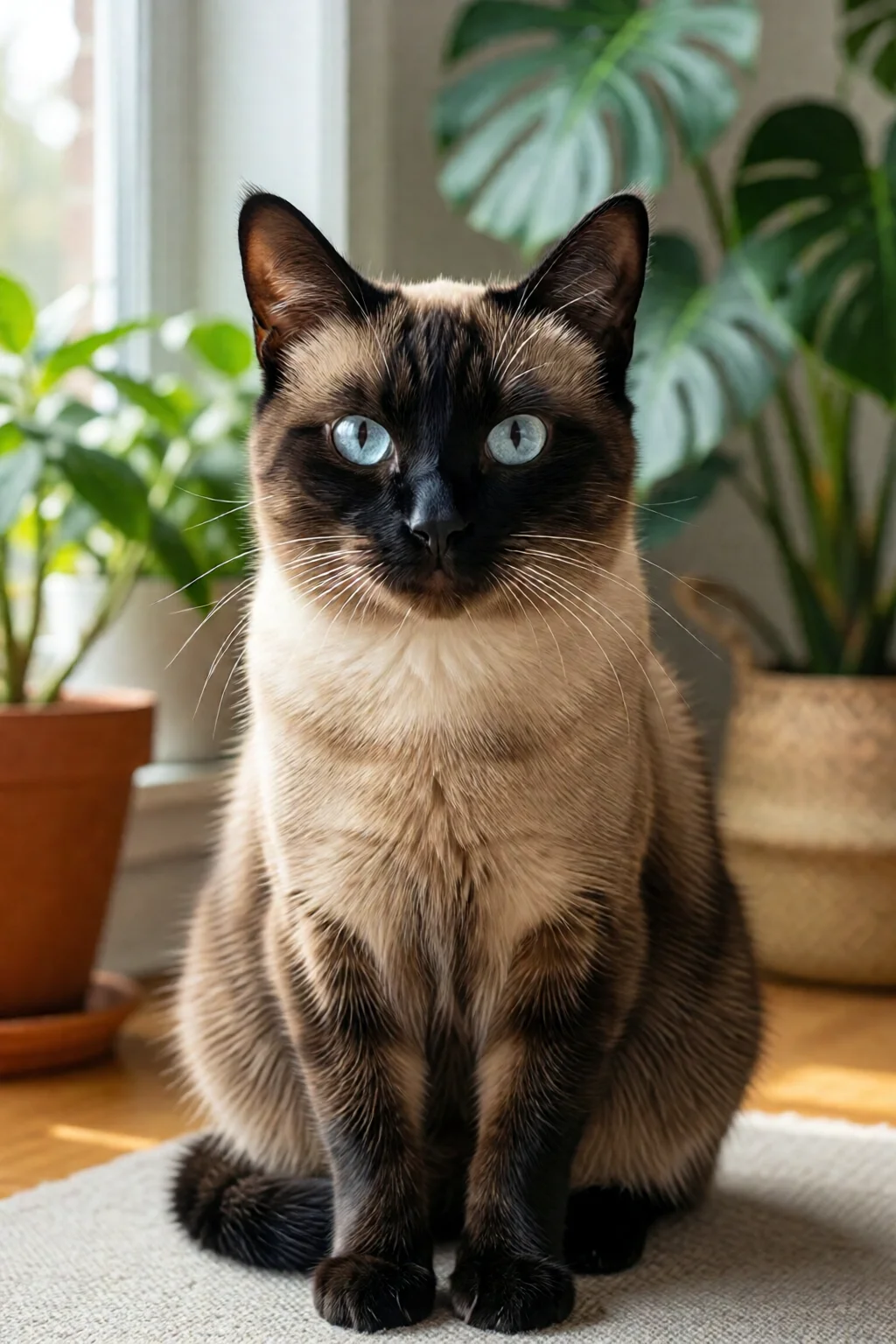
Siamese cats are famously vocal, social, and intelligent. Their personality can be summed up in three words: talkative, curious, and loyal. Unlike many independent breeds, they thrive on human interaction and will often follow you from room to room, demanding to be part of every activity. In my experience, a Siamese will learn to open doors, operate simple toys, and even mimic words if you repeat them often enough.
Key traits to note:
- Talkative: Expect a range of meows, chirps, and “chatty” conversations, especially when they want attention.
- Affectionate: They love to sit on laps, curl around necks, and seek out warm spots—think sunny windowsills or a heated pet bed (K&H Pet Products, $44.99).
- Active: High energy levels mean they need daily play sessions of at least 20 minutes.
- Intelligent: Puzzle feeders and clicker training work wonders; Siamese can learn basic commands like “sit” or “high five” within a week.
Understanding these quirks helps you tailor the rest of your care plan, ensuring you meet their social and mental needs before they resort to attention‑seeking mischief.
Step 2: Setting Up a Siamese‑Friendly Home
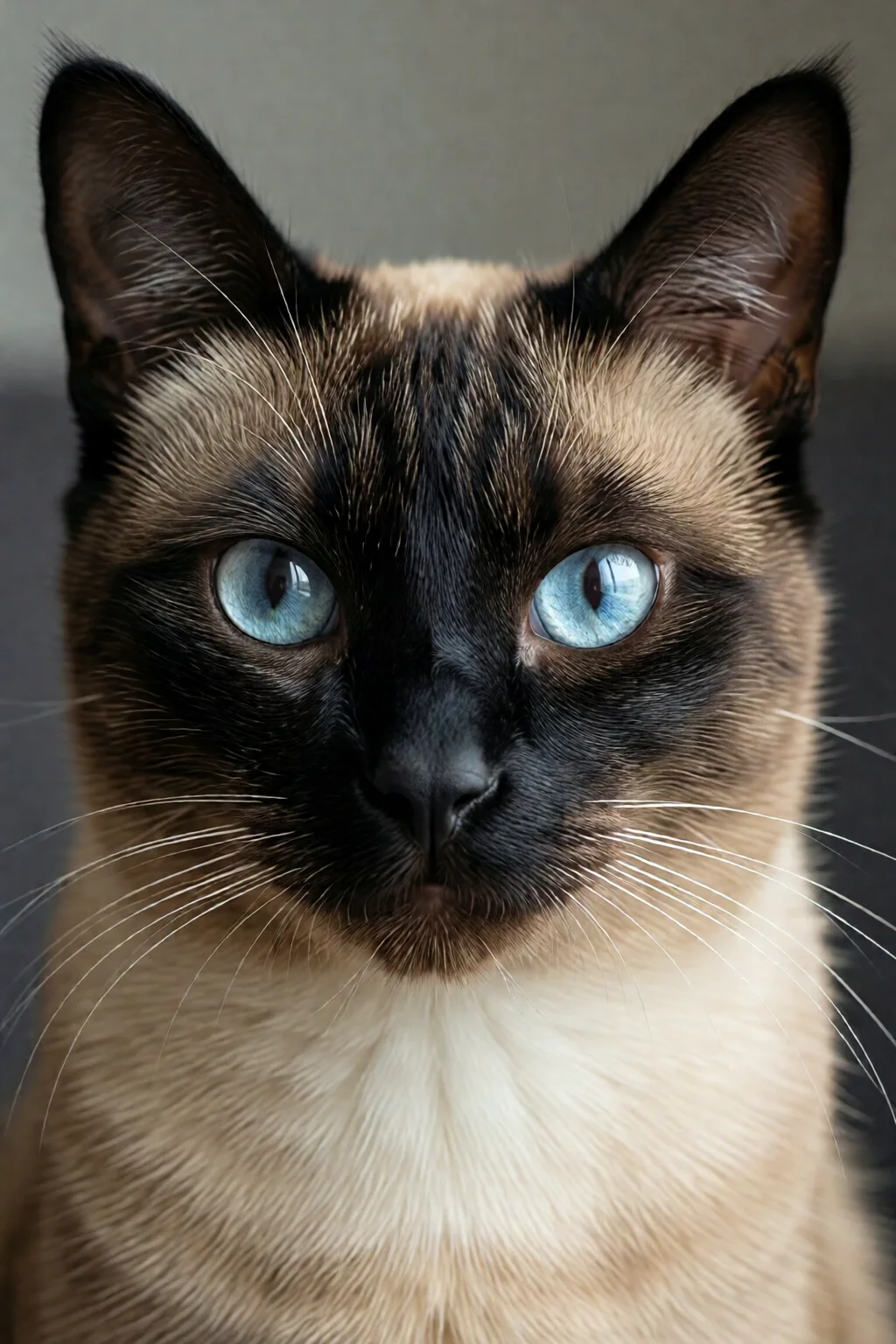
Because Siamese cats love to be at eye level with their humans, vertical space is non‑negotiable. Install a 5‑foot cat tree near a sunny window, or mount a series of wall shelves spaced 12‑18 inches apart. This gives them the ability to climb, observe, and pounce—activities that mimic their natural hunting behavior.
Next, create a quiet retreat. Even the most social Siamese needs a safe spot for downtime. A simple insulated cat condo (Frisco 3‑Level Cat House, $39.99) placed in a low‑traffic corner works well. Keep the litter box in a semi‑private area—away from food and water but not completely hidden, as they dislike feeling isolated.
Finally, manage the household’s auditory environment. Siamese cats are sensitive to sudden loud noises; a white‑noise machine (LectroFan, $49.95) can help ease anxiety during thunderstorms or fireworks.
Step 3: Feeding and Nutrition
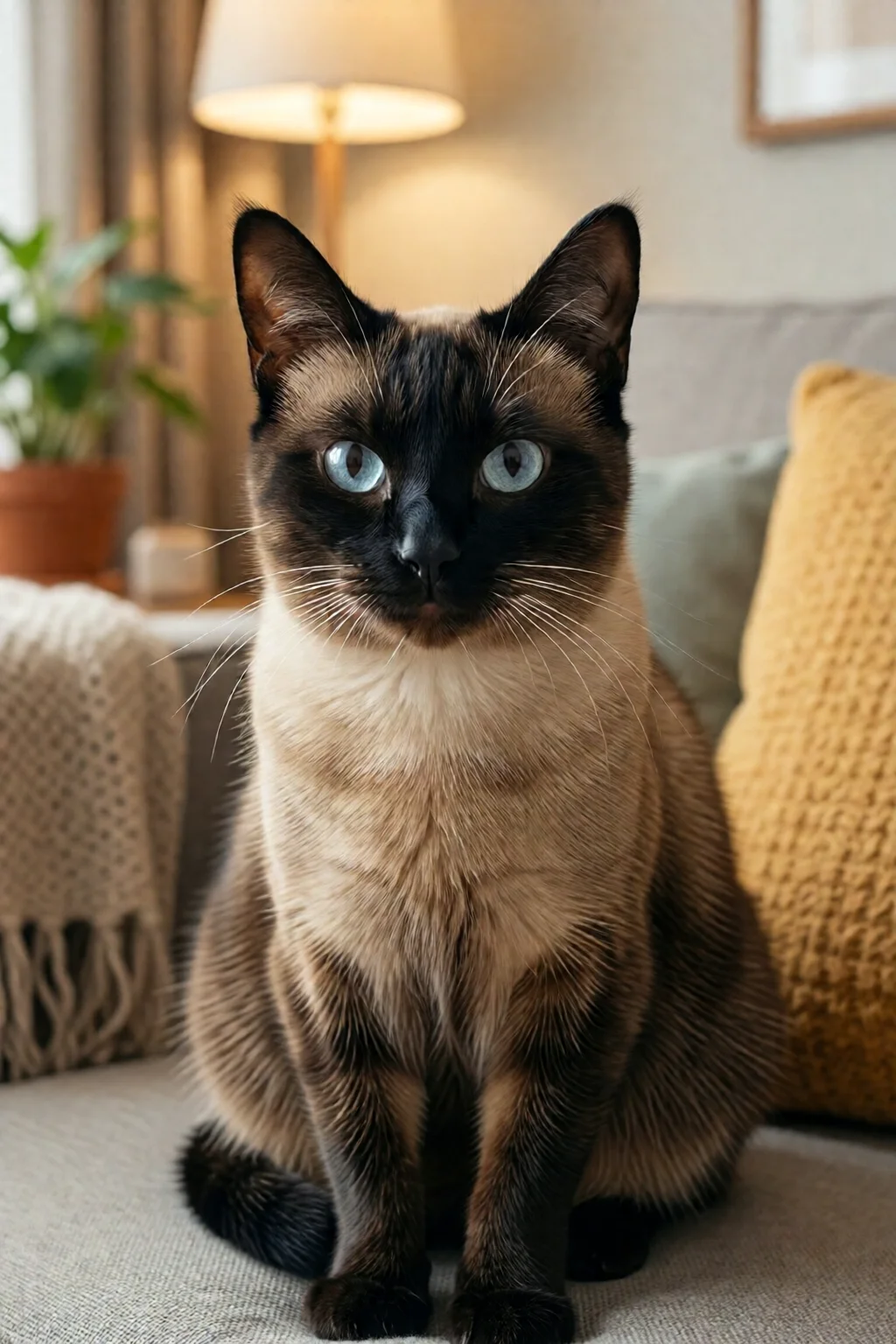
While Siamese cats have a lean body type, they’re prone to weight fluctuations if over‑fed. A good rule of thumb: feed 2–3% of their ideal body weight per day, divided into two meals. For a 9‑lb adult, that translates to roughly 0.18–0.27 lb (≈80–120 g) of dry kibble daily.
Choose a diet rich in animal protein (minimum 40% on the label) and low in carbohydrates. Royal Canin Siamese blends in taurine and omega‑3 fatty acids, supporting their heart health and glossy coat. If you prefer a raw diet, consult a vet nutritionist—raw chicken thighs (≈150 g per meal) with a calcium supplement (Miller’s Calcium Powder, $12.99 for 30 g) can be a balanced option.
Remember to provide fresh water at all times; a stainless‑steel fountain (PetSafe Drinkwell, $34.95) encourages hydration and reduces urinary issues.
Step 4: Grooming and Health Maintenance
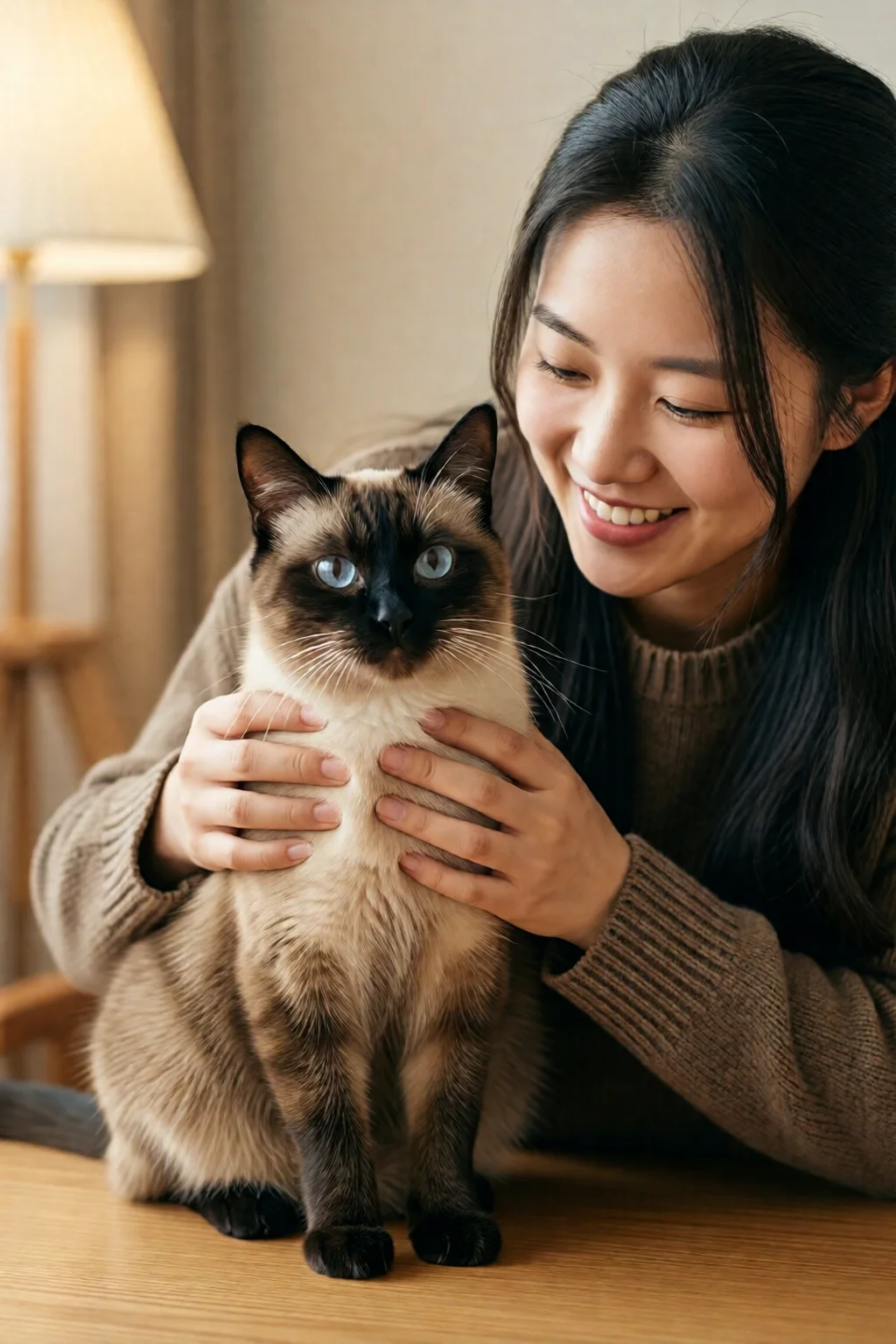
Even though Siamese cats have short coats, regular grooming prevents hairballs and skin irritation. Brush twice a week with a slicker brush to remove loose hair and distribute natural oils. During shedding season (spring and fall), increase brushing to three times a week.
Dental health is crucial; Siamese are prone to plaque buildup. Use a soft‑pointe toothbrush (Petrodex, $4.99) and a feline‑specific toothpaste (Virbac C.E.T., mentioned above). A quick 30‑second brush each night can cut dental disease risk by up to 70%.
Schedule annual wellness exams, vaccinations (FVRCP, rabies), and a hemoglobin test to screen for anemia—Siamese can be genetically predisposed to certain blood disorders. If you notice excessive vocalization, lethargy, or loss of appetite, contact your vet within 24 hours.
For additional grooming tips, see our guide on sphynx cat care bathing and skin—the skin‑care principles overlap.
Step 5: Training and Mental Stimulation
Training a Siamese is both rewarding and essential for preventing boredom‑induced antics. Start with clicker training: associate the click sound with a treat (e.g., Greenies Feline Dental Treats, $7.99 for 4 oz). Teach “come” and “stay” within five short sessions, each lasting no longer than three minutes to keep their attention.
Puzzle feeders, like the Catit Senses 2.0 (mentioned earlier), engage their problem‑solving skills and slow down eating, reducing the risk of obesity. Rotate toys weekly to maintain novelty—one week a feather wand, the next a motorized mouse.
If you have a dog in the household, manage introductions carefully. Siamese may feel threatened by a larger, boisterous canine. Use a baby gate to allow visual contact while keeping scent exchange limited. For dog‑related health queries, check dog diabetes symptoms and management and how to stop a dog from barking for cross‑species harmony tips.
Common Mistakes to Avoid
- Neglecting social interaction: Leaving a Siamese alone for more than 4 hours can lead to separation anxiety and destructive behavior.
- Overfeeding treats: Treats should not exceed 10% of daily caloric intake; otherwise, you risk rapid weight gain.
- Using low‑quality litter: Dusty litters can irritate their sensitive respiratory system, leading to sneezing and coughing.
- Skipping dental care: Ignoring oral hygiene shortens lifespan; a simple nightly brush makes a huge difference.
- Insufficient vertical space: Without climbing options, Siamese may resort to scaling curtains or furniture, causing damage.
Troubleshooting & Tips for Best Results
Excessive vocalization: If your cat’s chatty sessions spike after you leave for work, try a timed feeder that dispenses food every 4 hours. This mimics a “presence” cue and can reduce meowing by up to 40%.
Scratching furniture: Place a sisal scratching post (Catit Design, $24.95) near the favorite perch. Sprinkle catnip (real, not spray) to attract them.
Separation anxiety: Gradually increase alone time by 5‑minute increments. Pair departures with a high‑value treat (e.g., a small piece of cooked chicken) that they only receive when you’re out.
Health red flags: Persistent coughing, watery eyes, or a sudden drop in activity may indicate respiratory infection—a common issue in purebred lines. Early vet intervention is key.
For an in‑depth look at grooming another breed, our maine coon cat care guide offers parallels on coat maintenance and ear cleaning that apply to Siamese as well.
Summary
By combining the right supplies, a Siamese‑friendly environment, and daily mental enrichment, you’ll unlock the full potential of your cat’s vibrant personality. Remember: these cats crave connection, thrive on routine, and love a good challenge. With the siamese cat care tips and personality insights outlined here, you’ll keep your feline friend healthy, happy, and vocal—just the way they’re meant to be.
How much should I feed my adult Siamese cat?
Adult Siamese cats typically require 2–3% of their ideal body weight in dry kibble per day, divided into two meals. For a 9‑lb cat, that’s about 80–120 grams daily. Adjust based on activity level and monitor weight monthly.
Why is my Siamese cat so vocal?
Siamese cats are naturally talkative—they use vocalizations to communicate needs, seek attention, or express excitement. Providing regular interaction, playtime, and environmental enrichment can help manage excessive meowing.
What are the best toys for a Siamese cat?
Interactive toys that stimulate hunting instincts work best: feather wands, laser pointers, puzzle feeders like the Catit Senses 2.0, and motorized mice. Rotate toys weekly to keep interest high.
How often should I groom my Siamese?
Brush a Siamese twice a week with a slicker brush. Increase to three times a week during shedding seasons (spring and fall) to prevent hairballs and maintain coat health.
Can I train a Siamese cat to use a clicker?
Absolutely. Siamese are highly intelligent and respond well to clicker training. Start with simple commands like “sit” and reward with a treat after each click. Keep sessions under three minutes for best results.