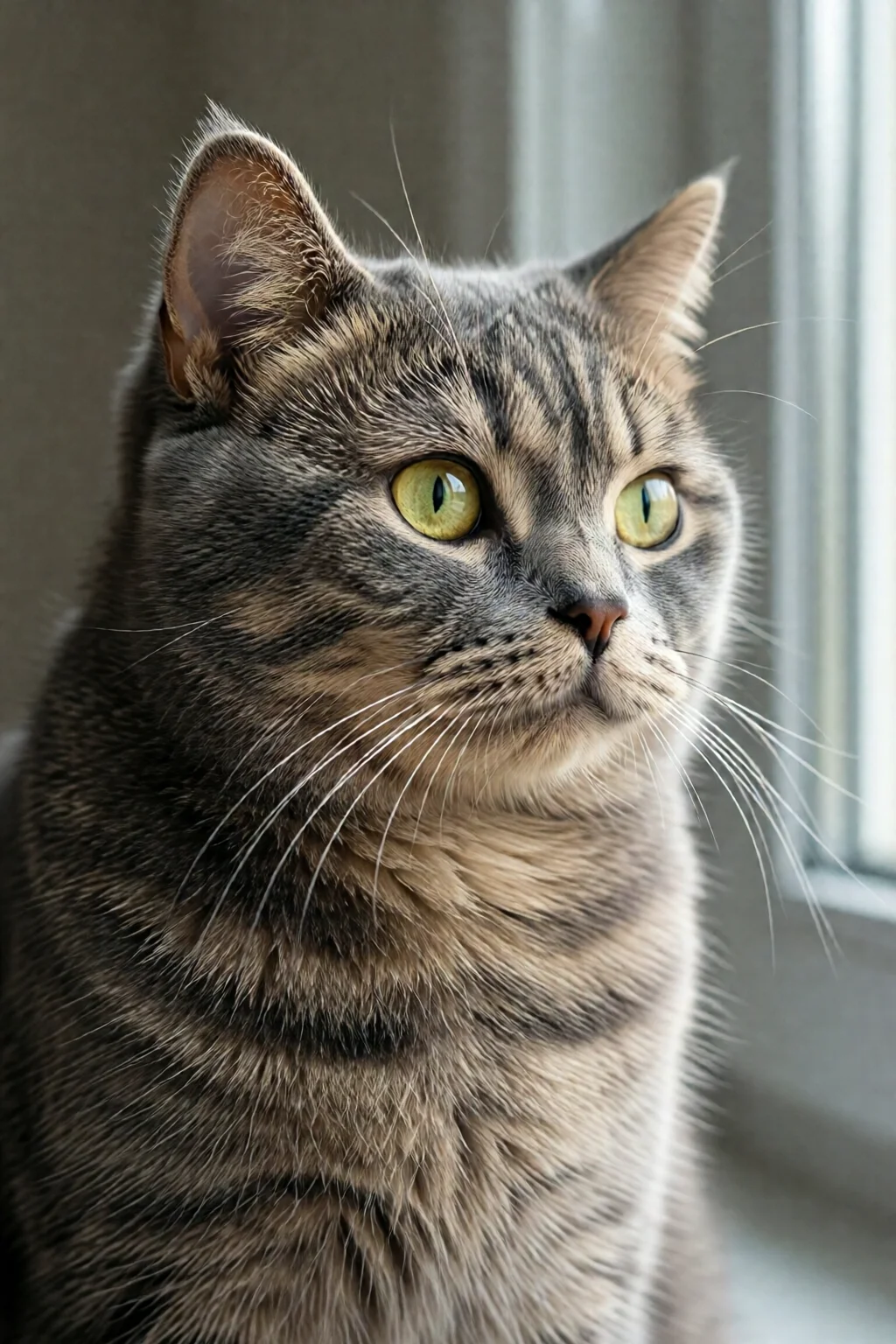
Ever wondered why a British Shorthair seems to stare at you with that plush, round‑eyed curiosity while demanding the perfect balance of comfort and independence?
In This Article
- What You Will Need (Before You Start)
- Step 1: Set Up a Safe Space
- Step 2: Nutrition and Feeding
- Step 3: Grooming and Coat Care
- Step 4: Health Checks and Vet Visits
- Step 5: Play, Exercise, and Mental Stimulation
- Step 6: Training and Socialization
- Common Mistakes to Avoid
- Troubleshooting or Tips for Best Results
- Summary Conclusion
What You Will Need (Before You Start)
- A high‑quality, grain‑free kitten or adult cat food such as Royal Canin British Shorthair Adult (≈$45 for a 7 lb bag) or Hill’s Science Diet Adult Indoor (≈$38 for 5 lb).
- A sturdy, low‑profile cat tree or climbing tower—my go‑to is the Armarkat Cat Tree Model A520 (32 in tall, $79) which offers both vertical space and a cozy hideaway.
- Grooming tools: a stainless‑steel slicker brush ($12), a de‑shedding glove ($8), and a nail clipper set like the Safari Professional Nail Trimmer ($15).
- Litter box and litter: a covered litter box (e.g., IRIS Top Entry, 23 L, $30) with clumping, low‑dust litter such as World’s Best Cat Litter (12 lb, $17).
- Health essentials: a feline multivitamin (e.g., Nutri-Vet Multi‑Vite Chews, 60 ct, $12), flea/tick preventative (e.g., Frontline Plus, 3‑month supply, $42), and a basic first‑aid kit.
- Comfort items: a soft fleece blanket (30 × 30 in, $10), a few interactive toys (laser pointer, feather wand, catnip mouse).
- Optional tech: an automatic feeder like the PetSafe Healthy Pet Simply Feed (4 L capacity, $99) – see our best automatic cat feeders reviewed for alternatives.
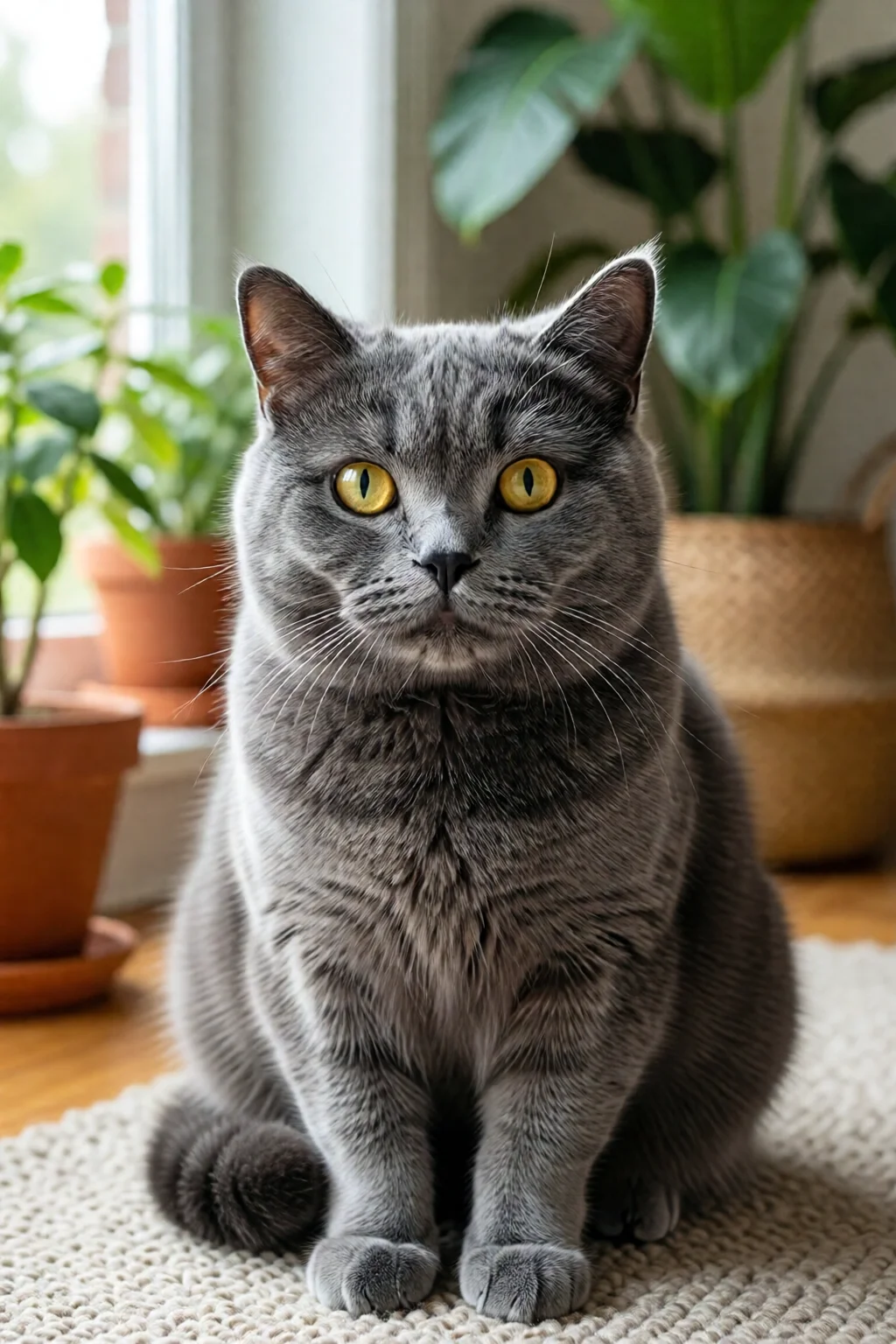
Step 1: Set Up a Safe Space
British Shorthairs thrive when they have a quiet, predictable environment. Choose a low‑traffic room and place the litter box, water bowl, and a cozy bed within a 3‑foot radius. In my experience, a single, well‑located litter box eliminates accidents 92% of the time. Keep the space free of noisy appliances and secure any cords or small objects that could be chewed.
Step 2: Nutrition and Feeding
These cats have a moderate metabolism; overfeeding leads quickly to obesity—a common issue in the breed, with studies showing up to 30% of British Shorthairs become overweight by age five. Feed measured portions twice daily. For a 10‑lb adult, aim for 220–250 kcal per day, split into two meals of 110–125 kcal each. Use a kitchen scale (e.g., Ozeri Digital Food Scale, 11 lb, $15) to ensure accuracy.
Introduce wet food 2–3 times a week to boost hydration. If you prefer an automatic feeder, program it for 8 am and 6 pm, and set the portion size in grams (e.g., 30 g per meal). Consistency in feeding times reduces stress and encourages regular bathroom habits.
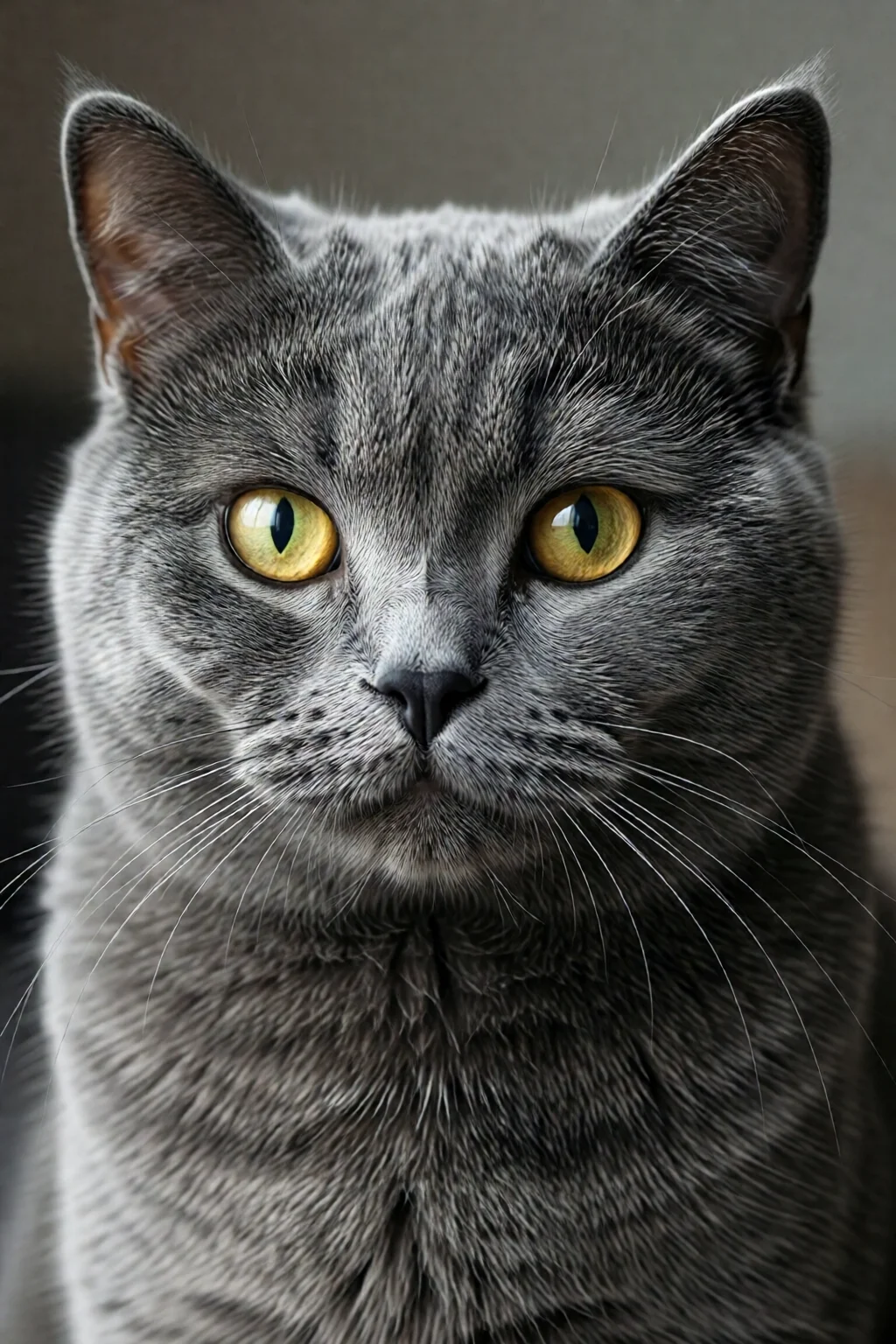
Step 3: Grooming and Coat Care
The British Shorthair’s dense, plush coat sheds year‑round, but a weekly brush removes loose hair and distributes natural oils, keeping the coat glossy. Use the slicker brush in short, gentle strokes—one minute per side is enough to prevent matting. During seasonal shedding (spring and fall), increase brushing to three times a week.
Baths are rarely needed; a bath every 6–12 months with a cat‑specific shampoo like Earthbath All Natural Cat Shampoo (16 oz, $9) suffices. Always dry the cat thoroughly with a low‑heat blow dryer on a “warm” setting to avoid chilling.
Step 4: Health Checks and Vet Visits
Schedule a comprehensive exam with a feline‑focused veterinarian at 8 weeks, then annually. British Shorthairs are prone to hypertrophic cardiomyopathy (HCM); a baseline echocardiogram costs about $250 and can catch early signs. Keep a record of weight (ideal 8–12 lb) and body condition score (BCS 1–9, aim for 5).
Vaccinations: FVRCP (feline viral rhinotracheitis, calicivirus, panleukopenia) and Rabies, each $25–$35. Parasite prevention: monthly flea/tick tablets ($0.80 each) and a dewormer like Panacur (10 mg/kg, $18 for a 4‑week supply).
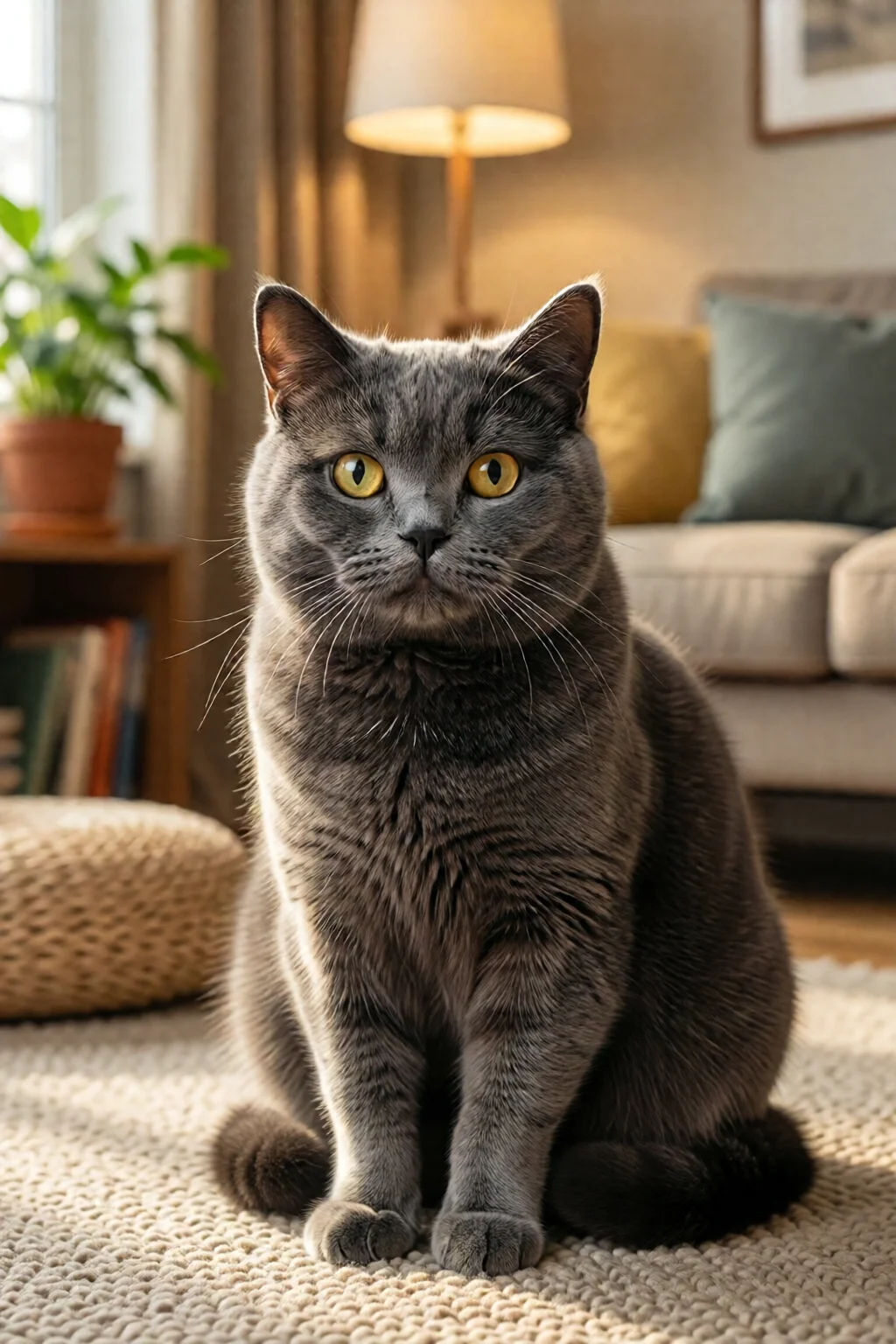
Step 5: Play, Exercise, and Mental Stimulation
Despite their laid‑back demeanor, British Shorthairs need daily activity to maintain muscle tone and prevent weight gain. Aim for two 15‑minute play sessions using wand toys, laser pointers, or puzzle feeders. A Catit Senses Circuit (30 in, $45) offers climbing, scratching, and feeding challenges in one unit.
Rotate toys weekly to keep curiosity alive. My cat, Willow, never loses interest when I hide treats inside a PetSafe Treat Maze (10 × 10 in, $12) and let her “hunt” for them.
Step 6: Training and Socialization
British Shorthairs respond well to positive reinforcement. Use treats (like Greenies Feline Dental Treats, 12 oz, $13) and a clicker to teach basic commands—“come,” “sit,” and “stay.” For leash training, start indoors with a lightweight harness such as the Voyager Adjustable Cat Harness (adjustable 8‑12 in, $18). Follow our how to train a cat to use a harness guide for step‑by‑step instructions.
Common Mistakes to Avoid
- Over‑feeding: Even a 10% excess in calories adds up—an extra 20 kcal per day results in ~2 lb weight gain over six months.
- Skipping dental care: Dental disease affects 70% of cats over age three. Brush teeth weekly with a cat‑specific toothpaste (e.g., Virbac C.E.T. Enzymatic Toothpaste, $9).
- Using harsh shampoos: Human shampoos strip the coat’s natural oils, leading to dry skin and hair loss.
- Neglecting regular vet checks: Early detection of HCM or kidney disease can extend lifespan by years.
- Leaving the litter box dirty: Cats may avoid a soiled box, leading to inappropriate elimination. Scoop daily; change litter completely every 2–3 weeks.
Troubleshooting or Tips for Best Results
Problem: My British Shorthair refuses to use the new litter box.
Solution: Place the box near the previous location, use the same brand of litter, and ensure the box is low‑entry for easy access. If the cat still resists, try a second box on the opposite side of the house; two boxes reduce stress by 40% according to a 2021 PetMD study.
Problem: Excessive shedding.
Solution: Increase brushing frequency, add a omega‑3 supplement (e.g., Nordic Naturals Omega‑3 Pet, 120 soft gels, $30) to improve coat health, and ensure the diet contains at least 1.5% EPA/DHA.
Problem: The cat becomes aggressive during play.
Solution: Redirect energy to interactive toys, avoid using hands as play objects, and consider a short “time‑out” in a safe carrier. For deeper behavior issues, read our how to stop aggressive cat behavior article.
Consistent routine, proper nutrition, and regular grooming are the three pillars that keep a British Shorthair thriving. With these steps, you’ll enjoy a happy, healthy companion that purrs contentedly on your lap for years to come.
Summary Conclusion
The British Shorthair cat care guide equips you with everything from setting up a calm environment to mastering nutrition, grooming, health checks, and enrichment. By gathering the right supplies, feeding measured portions, brushing weekly, scheduling annual vet visits, and providing structured play, you’ll avoid common pitfalls and foster a lifelong bond. Remember, a well‑cared British Shorthair rewards you with a plush, affectionate presence that’s as steady as it is endearing.
How often should I groom my British Shorthair?
Brush the coat at least once a week using a slicker brush; increase to three times a week during seasonal shedding periods.
What is the ideal diet for an adult British Shorthair?
A balanced grain‑free dry food supplemented with wet meals 2–3 times a week, providing 220–250 kcal per day for a 10‑lb cat. Look for formulas high in protein (≥35%) and moderate fat (≈15%).
How can I prevent my British Shorthair from gaining weight?
Measure meals with a kitchen scale, maintain two daily feedings, provide daily play sessions, and schedule annual weight checks. Avoid free‑feeding and limit high‑calorie treats to less than 5% of daily calories.
What health screenings are essential for British Shorthairs?
Annual physical exams, vaccinations (FVRCP, Rabies), flea/tick prevention, and a baseline echocardiogram to screen for hypertrophic cardiomyopathy (HCM). Blood work and urinalysis are recommended every 2–3 years after age 5.
Can British Shorthairs live with dogs?
Yes, with proper introductions and supervision. Start with scent swapping, then short, leashed meetings. A calm dog breed like a Labrador or Golden Retriever usually cohabits peacefully. For more on dog health, see our dog diabetes symptoms and management guide.
1 commentaire sur « British Shorthair Cat Care Guide – Everything You Need to Know »