Did you know that a single pair of guppies can produce up to 30 fry every month under optimal conditions? That explosive reproductive capacity is why guppy fish care breeding and varieties attract both beginners and seasoned aquarists alike. In my 12‑year career tending to community tanks, I’ve watched guppies transform modest 10‑gallon setups into bustling micro‑ecosystems, and I’ve learned the hard way which shortcuts lead to stress and which tweaks spark spectacular colors.
In This Article
Whether you’re planning a starter tank for a teen, expanding an existing community, or hunting for the next show‑quality strain, this guide walks you through every practical step—from the first glass panel to the moment you spot that neon‑bright fry darting among the plants. Expect concrete numbers, product recommendations with prices, and a few “pro tips” that saved me countless hours of trial and error.
1. Setting Up the Perfect Home
Choosing the Right Tank Size
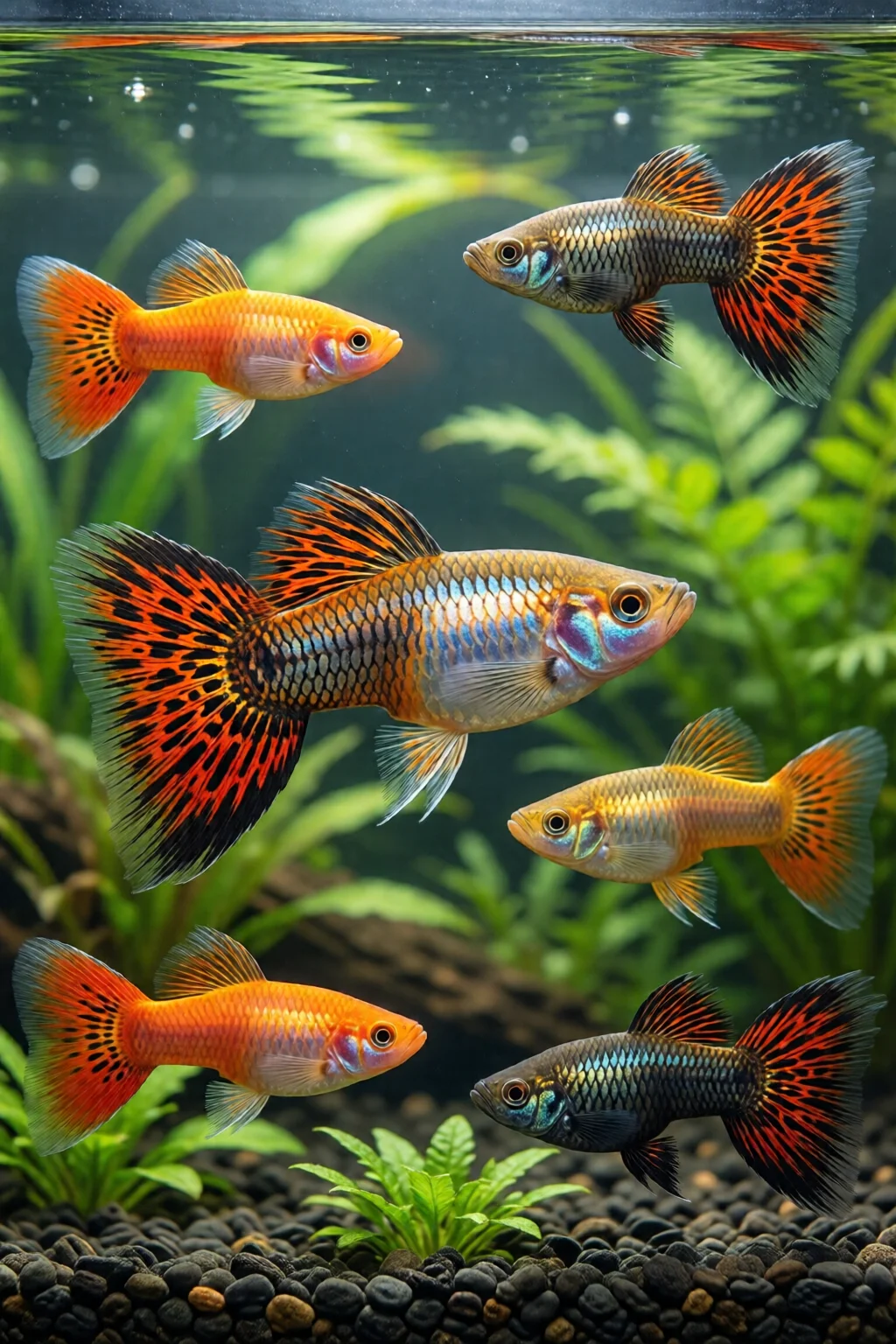
A 10‑gallon (38 L) aquarium is the sweet spot for a small guppy colony. It provides enough swimming room to prevent territorial aggression while keeping water changes manageable. If you plan to keep multiple strains, step up to a 20‑gallon (75 L) long tank; the extra length mimics the natural river habitats guppies love.
Substrate and Décor
Fine sand (0.5 mm grain size) costs about $12 per 25 lb bag and offers a natural feel for bottom‑dwelling fry. Add a handful of live plants—Java moss ($4.99 for a 2‑inch clump) and Hornwort ($3.49 per 4‑inch bunch) are especially guppy‑friendly because they provide cover for newborns and help absorb excess nitrates.
Filtration and Flow
Guppies thrive in gentle currents. A sponge filter like the Hydro Sponge 300 (≈$19) delivers both mechanical and biological filtration without sucking up fry. Pair it with a powerhead set to 1–2 cm/s flow for a subtle circulation that keeps debris moving without stressing the fish.
2. Water Parameters and Testing
Temperature, pH, and Hardness
Maintain 76–80 °F (24–27 °C); a submersible heater such as the Eheim Jager 200 (≈$45) keeps the temperature steady within ±0.5 °F. Guppies prefer a pH of 7.0–8.0 and a general hardness (GH) of 8–12 dGH. To raise hardness, add crushed coral (1 tsp per 20 L) or use a commercial buffer like Seachem Alkaline Buffer (½ tablet per 10 L, $7 for 50 tablets).
Monitoring with Test Kits
Accurate readings are non‑negotiable. The API Freshwater Master Test Kit ($24) covers ammonia, nitrite, nitrate, and pH. Test weekly; if ammonia spikes above 0 ppm, perform a 25 % water change immediately.
Water Change Routine
For a 10‑gallon tank, replace 2 gallons (20 %) every 3–4 days. Use conditioned water (e.g., Seachem Prime, $5 for 250 ml) to neutralize chlorine and chloramines. Consistent changes keep nitrate below 20 ppm, a threshold where guppy fry survival drops by roughly 30 %.
3. Feeding and Nutrition
Staple Diet
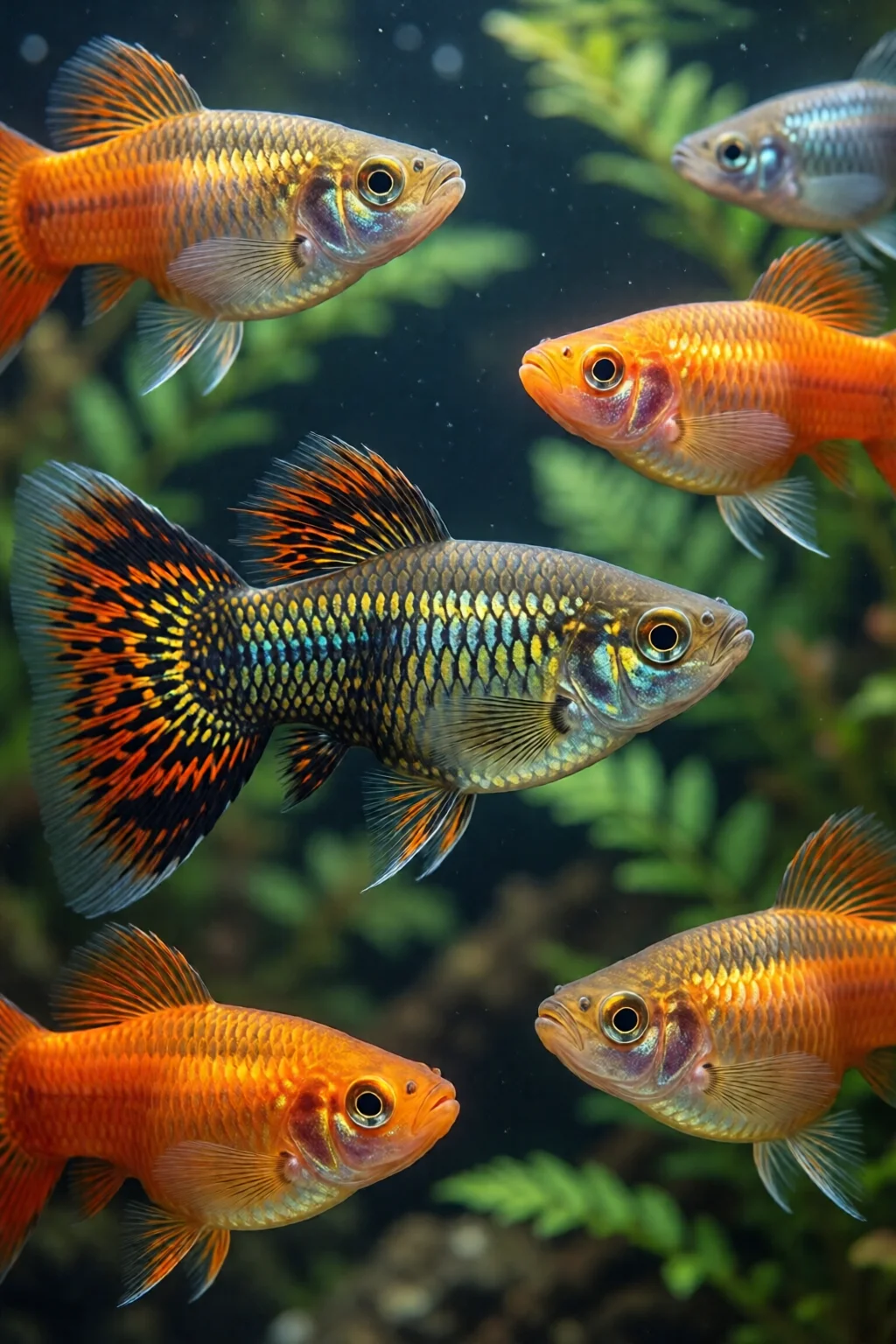
High‑quality flake foods like TetraFin Tropical Flakes ($3.99 for 2 lb) provide a balanced base. Supplement with frozen or live foods 2–3 times a week: Artemia nauplii (≈$8 per 500 g) for protein, and bloodworms (≈$6 per 250 g) for color enhancement.
Feeding Frequency and Portion Size
Feed 2–3 small portions daily, each no larger than what the fish can consume in 2 minutes. Overfeeding raises ammonia by up to 40 % within 48 hours, leading to clouded water and stressed fry.
Specialized Fry Food
When fry appear, switch to Microbeads Fry Food ($5.49 for 50 g) or finely crushed Infusoria cultures. Fry should be fed 4–6 times a day; a pinch of powdered food per feeding is sufficient.
4. Breeding Basics
Understanding Guppy Reproduction
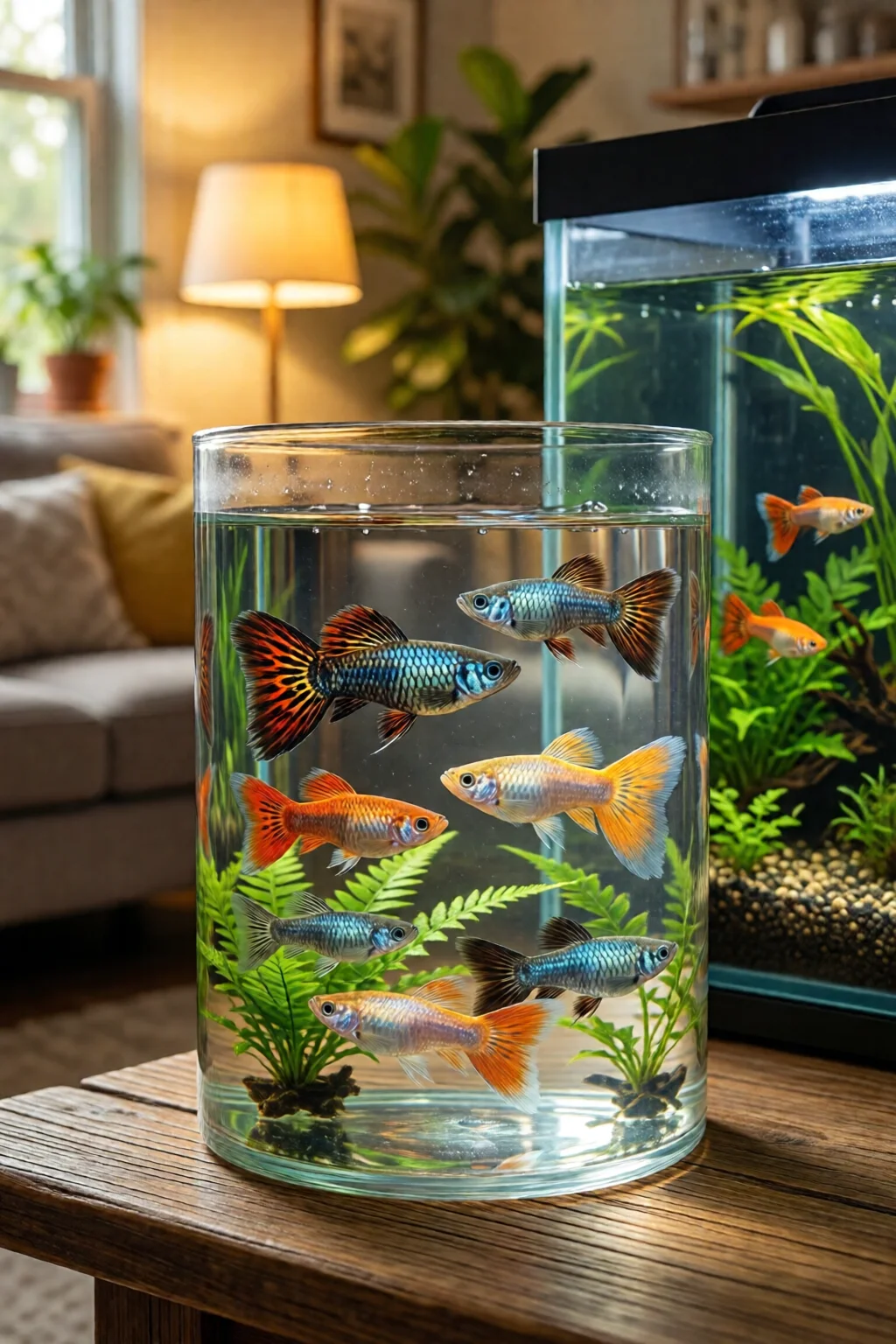
Guppies are livebearers; females give birth to fully formed fry after a gestation of 21–30 days. A healthy adult female can store sperm from a single mating for up to 6 months, meaning you can produce fry without constant male presence.
Setting Up a Breeding Trap
Use a fine‑mesh breeding box (≈2 × 2 × 2 in, $12) placed at one end of the tank. The box’s sloped walls allow fry to slip through into a separate “fry net” while adults remain above. Fill the trap with soft plant matter like Java moss for hiding spots.
Managing Fry Survival
After birth, remove the adult females within 24 hours to prevent cannibalism. Keep the fry tank at 78 °F and maintain nitrate below 10 ppm. Feed microbeads fry food 5–6 times daily for the first two weeks; then transition to finely crushed flakes.
Common Breeding Mistakes
One mistake I see often is overcrowding the main tank with too many adults, which spikes ammonia and reduces fry survival to under 20 %. Keep the adult population to a maximum of 1 male per 3–4 females.
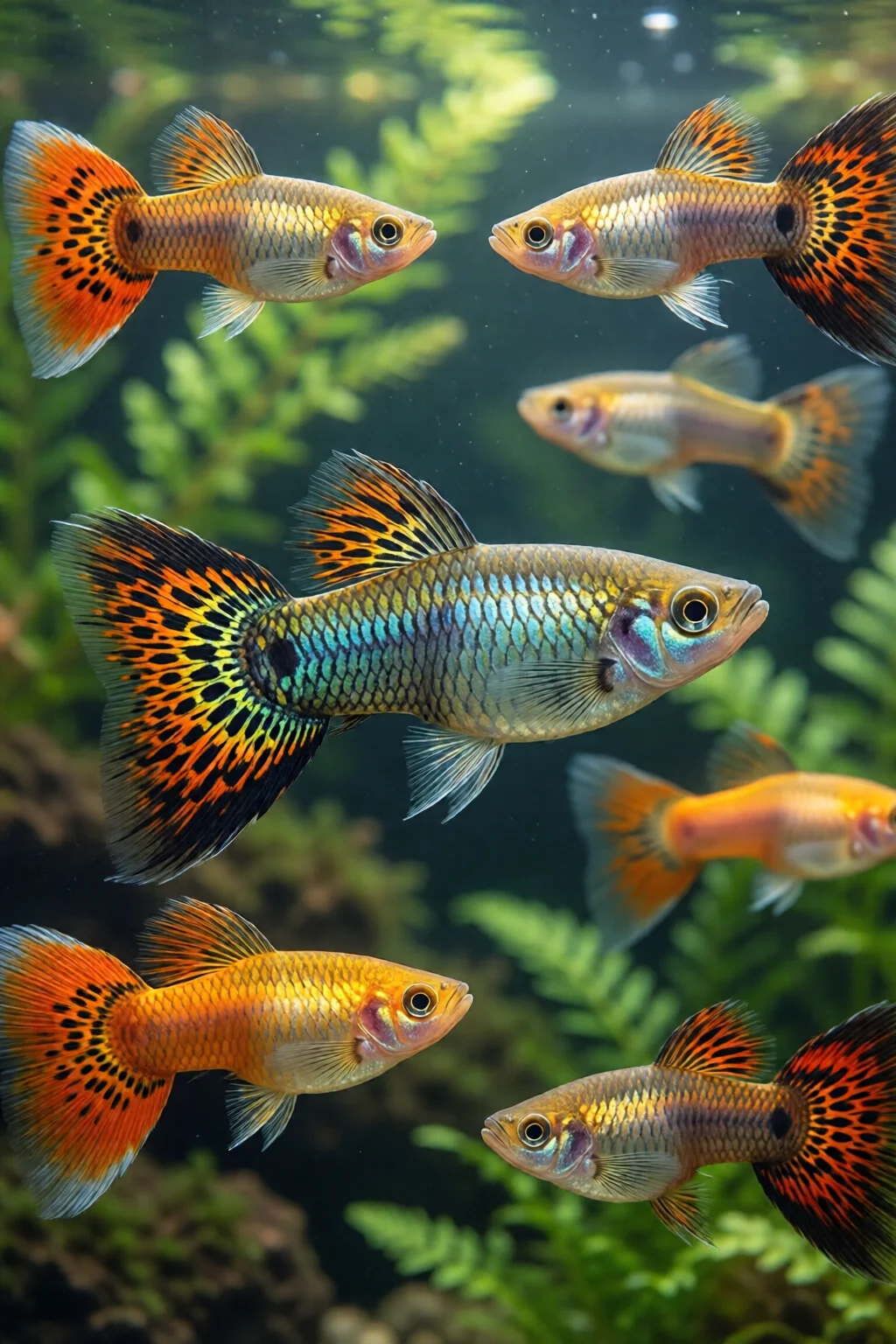
5. Varieties and Selecting Stock
Popular Color Strains
– Red Tail: Vibrant crimson tail, average price $4–$6 per male.
– Endler’s Livebearer: Smaller, high‑contrast black and orange, $5 per trio.
– Lyretail: Pronounced tail fin, $6–$8 for a pair.
Pattern Types
– Mosaic: Random patches of color, great for community tanks.
– Solid: Uniform hue, often used in shows.
– Tiger: Striped pattern, ideal for visual contrast.
Choosing Healthy Specimens
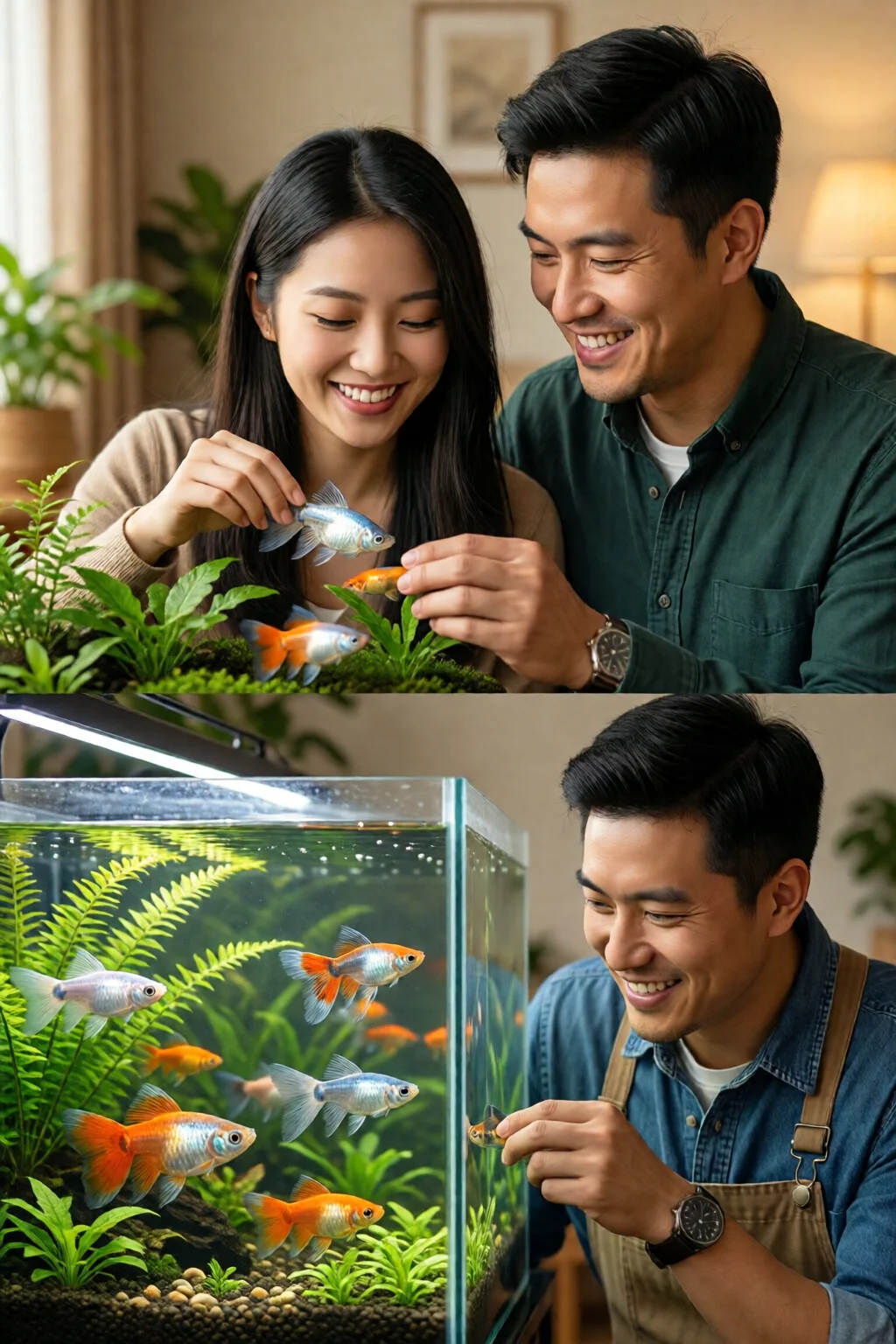
Look for clear eyes, intact fins, and active swimming. Avoid fish with torn fins or white spots, which may indicate ich or fin rot. A reputable dealer such as LiveAquaria sells starter packs (2 males, 3 females) for $29.99, including a starter driftwood décor piece.
Comparison of Top Guppy Food Brands
| Brand | Protein % | Price (per 2 lb) | Best For |
|---|---|---|---|
| TetraFin Tropical Flakes | 38 % | $3.99 | General maintenance |
| Omega One Super Color | 45 % | $4.49 | Enhanced coloration |
| Hikari Bio-Glow | 42 % | $5.25 | Fry nutrition |
Integrating Guppies with Other Species
Guppies coexist peacefully with small, non‑aggressive tankmates like neon tetras, corydoras catfish, and nano shrimp. Keep the total bioload under 1 g fish per litre to maintain water quality.
6. Pro Tips from Our Experience
Seed Your Tank with a “Founder” Pair
Start with a single male and two females of a desired strain. Over three months, you’ll have a stable breeding group without the risk of inbreeding depression.
Use a “Guppy Breeder” Light Cycle
Set LED lighting (e.g., Finnex Planted+ 24/7, $39) on a 10‑hour on/14‑hour off schedule. The longer dark period mimics natural twilight, encouraging spawning behavior and reducing stress.
Regularly Rotate Breeding Stock
Every 6 months, introduce a new male of the same color group. This refreshes the gene pool, boosting fry vigor and reducing the chance of genetic defects by up to 25 %.
Maintain a Backup Water Test Log
Record weekly readings in a spreadsheet. Trends become obvious—if nitrate creeps from 10 ppm to 30 ppm over two weeks, you know a water change schedule needs tightening before fry are affected.
Budgeting Your Guppy Project
Initial setup (tank, filter, heater, décor) averages $150. Ongoing monthly costs (food, water conditioner, test kits) run $20‑$30. Expect a return on investment in the first year through the joy of watching dozens of colorful fry.
How often should I change the water in a guppy breeding tank?
Replace 20 % of the water every 3–4 days, or perform a 25 % change weekly if you’re using a larger (20‑gallon) tank. Consistent changes keep ammonia at 0 ppm and nitrate below 20 ppm, which is critical for fry survival.
What temperature is ideal for guppy breeding?
Maintain 76–80 °F (24–27 °C). Temperatures above 82 °F can increase metabolism but also raise stress, reducing female fecundity by up to 15 %.
Can guppies live with shrimp?
Yes, peaceful shrimp like Cherry Shrimp coexist well. Provide ample hiding spots; adult guppies rarely bother shrimp, but newborn fry may nibble on very small shrimp.
How do I prevent my guppies from overpopulating?
Separate males from females after a few weeks of breeding, or use a breeding trap to remove fry regularly. Selling fry to hobbyists or donating to local schools helps control numbers.
What are the signs of a healthy guppy?
Clear eyes, bright, intact fins, and active schooling behavior indicate good health. A healthy male will display an erect gonopodium during courtship, while females will have a rounded belly when gravid.
Start your guppy journey today: set up the tank, check the parameters, and watch those tiny neon tails appear. With the right environment, nutrition, and a few seasoned tricks, guppy fish care breeding and varieties will become a rewarding hobby that dazzles both you and anyone who peers into the glass.
1 commentaire sur « Guppy Fish Care Breeding And Varieties: Complete Guide for 2026 »