When I first set up a 10‑gallon tank for my niece, I was terrified of choosing the “wrong” fish. The night before the big setup, I spent hours scrolling forums, watching YouTube tutorials, and even calling a local pet store. By sunrise, I had a shortlist of hardy, colorful swimmers that would thrive even if I made a rookie mistake. The result? A vibrant community that still dazzles her guests three years later. If you’re standing where I stood—excited but unsure of the best fish for beginners freshwater—this guide will walk you through everything you need to know, from tank basics to the exact species that will make your first aquarium a success.
In This Article
- 1. Setting the Stage: Tank Size, Filtration, and Lighting
- 2. The Stars of the Show: Top Freshwater Species for Beginners
- 3. Building a Peaceful Community: Compatibility and Tankmates
- 4. Feeding Fundamentals: Nutrition That Keeps Fish Healthy
- 5. Budgeting for Success: Costs You Can Expect
- Pro Tips from Our Experience
- Comparison Table: Best Fish for Beginners Freshwater
- Frequently Asked Questions
- Conclusion: Your First Freshwater Adventure Starts Now
Freshwater aquariums are the most forgiving entry point for new hobbyists. Water chemistry is more stable, equipment is generally cheaper, and the fish themselves are often more tolerant of fluctuations. But “easy” doesn’t mean “any fish will do.” Selecting the right species, matching them with a proper tank setup, and understanding their basic needs will save you time, money, and heartbreak. Below you’ll find a step‑by‑step roadmap, peppered with real‑world prices, product recommendations, and the occasional anecdote from my own tanks.
1. Setting the Stage: Tank Size, Filtration, and Lighting
1.1. Minimum Tank Size for Beginners
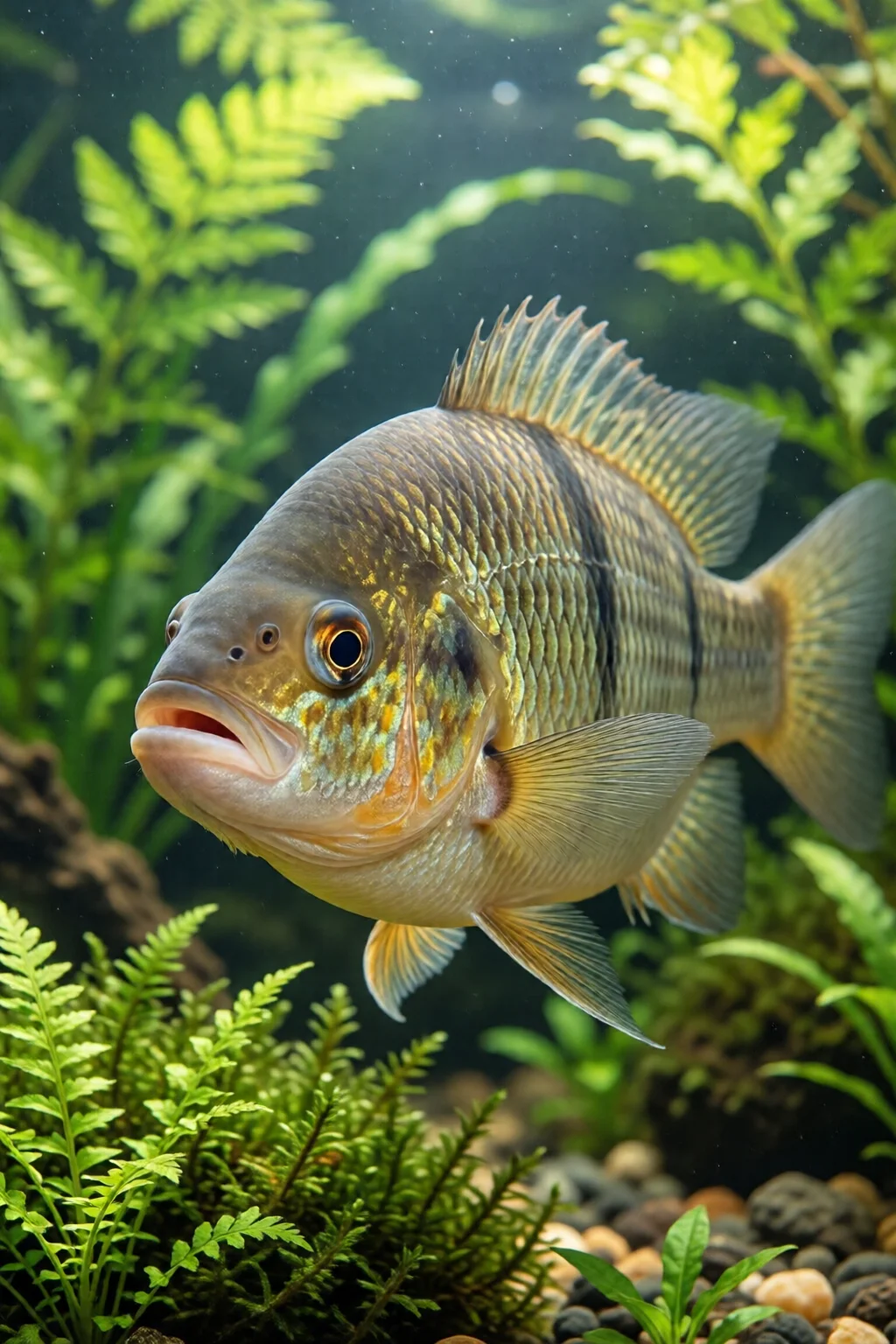
Contrary to popular belief, a 5‑gallon tank is too small for most community fish. The rule of thumb I always share is “one inch of fish per gallon”, but this only works when the tank is at least 10 gallons. A 10‑gallon aquarium (about 38 L) provides enough water volume to dilute waste, offers stable temperature, and gives you room to arrange decorations without overcrowding.
For those on a tighter budget, the Marina 10‑gallon glass tank retails for around $49.99 and comes with a built‑in lid to reduce evaporation. Pair it with a Tetra Whisper internal filter ($24.95) and you’ll have a solid foundation.
1.2. Filtration: Keeping the Water Clean
Even the hardiest beginners need reliable filtration. I recommend a mechanical + biological filter that can handle at least twice the tank’s volume per hour. The Fluval 107 Performance filter processes 110 gph, making it perfect for a 20‑gallon setup and leaving room to upgrade later. Expect to spend $59.95 for the unit and $15‑$20 annually on replacement filter cartridges.
1.3. Lighting: More Than Just Aesthetics
Freshwater fish don’t need intense lighting, but a steady day/night cycle promotes plant growth and reduces stress. An Aqueon LED aquarium light (approx. $34.99) offers adjustable intensity and a built‑in timer. If you decide to add live plants later, the same light will support low‑to‑medium light species like Java fern and Anubias.
2. The Stars of the Show: Top Freshwater Species for Beginners
2.1. Betta splendens (Siamese Fighting Fish)
Betta are often the first fish new owners purchase because they’re stunning and can survive in smaller spaces. A single male betta thrives in a 5‑gallon tank with a gentle filter (like the Tetra Whisper 5‑gallon) and a heater set to 78°F (25.5°C). Expect to pay $12‑$18 for a quality strain from reputable breeders. Feed them high‑protein pellets twice daily, supplemented with frozen bloodworms once a week.
One mistake I see often: placing bettas with fin‑nipping species. Their long fins become a buffet for more aggressive tankmates.
2.2. Poecilia reticulata (Guppy)
Guppies are live‑bearers, meaning they reproduce quickly—great for learning about fry care but a potential overpopulation issue. A small school of 3‑5 guppies (both sexes) needs at least a 10‑gallon tank. They flourish at 72‑80°F (22‑27°C) and appreciate a varied diet of flake foods, brine shrimp, and daphnia. Expect to spend $3‑$5 per fish; a starter kit (tank, filter, heater) runs about $120.
In my first community tank, guppies added a splash of neon color and taught me the importance of gender ratios—keep more males than females to control breeding.
2.3. Paracheirodon innesi (Neon Tetra)
Neons are the quintessential schooling fish. A minimum school of six (preferably eight) keeps them confident and reduces stress. They require a temperature of 70‑80°F (21‑27°C) and slightly acidic water (pH 6.0‑7.0). A 20‑gallon tank (about $80) with a Fluval 107 provides ample space. Neon tetras cost $2‑$3 each, and a packet of 10 lives for under $12.
My first neon school lit up the tank like a neon sign—no wonder they’re a staple for beginners.
2.4. Danio rerio (Zebra Danio)
Zebra danios are hardy, active swimmers that love a well‑planted environment. They thrive in temperatures of 64‑77°F (18‑25°C) and tolerate a broader pH range (6.5‑7.5). A group of five in a 20‑gallon tank makes a lively display. They’re inexpensive—$1.50‑$2 each—and eat most commercial flakes, though a weekly treat of frozen mosquito larvae boosts color.
One tip: Danios love a strong current, so I add a small powerhead ($19.95) to simulate river flow.
2.5. Corydoras paleatus (Bronze Cory Catfish)
Bottom‑dwelling catfish like the bronze cory are excellent cleanup crew. They prefer groups of three or more and a sandy substrate to protect their barbels. A 20‑gallon tank with a gentle filter flow works well. Each cory costs $4‑$6, and they accept sinking wafers, bloodworms, and blanched veggies.
For detailed care, check my corydoras catfish care guide. Pair them with mid‑level swimmers like guppies for a balanced community.
3. Building a Peaceful Community: Compatibility and Tankmates
3.1. Schooling Dynamics
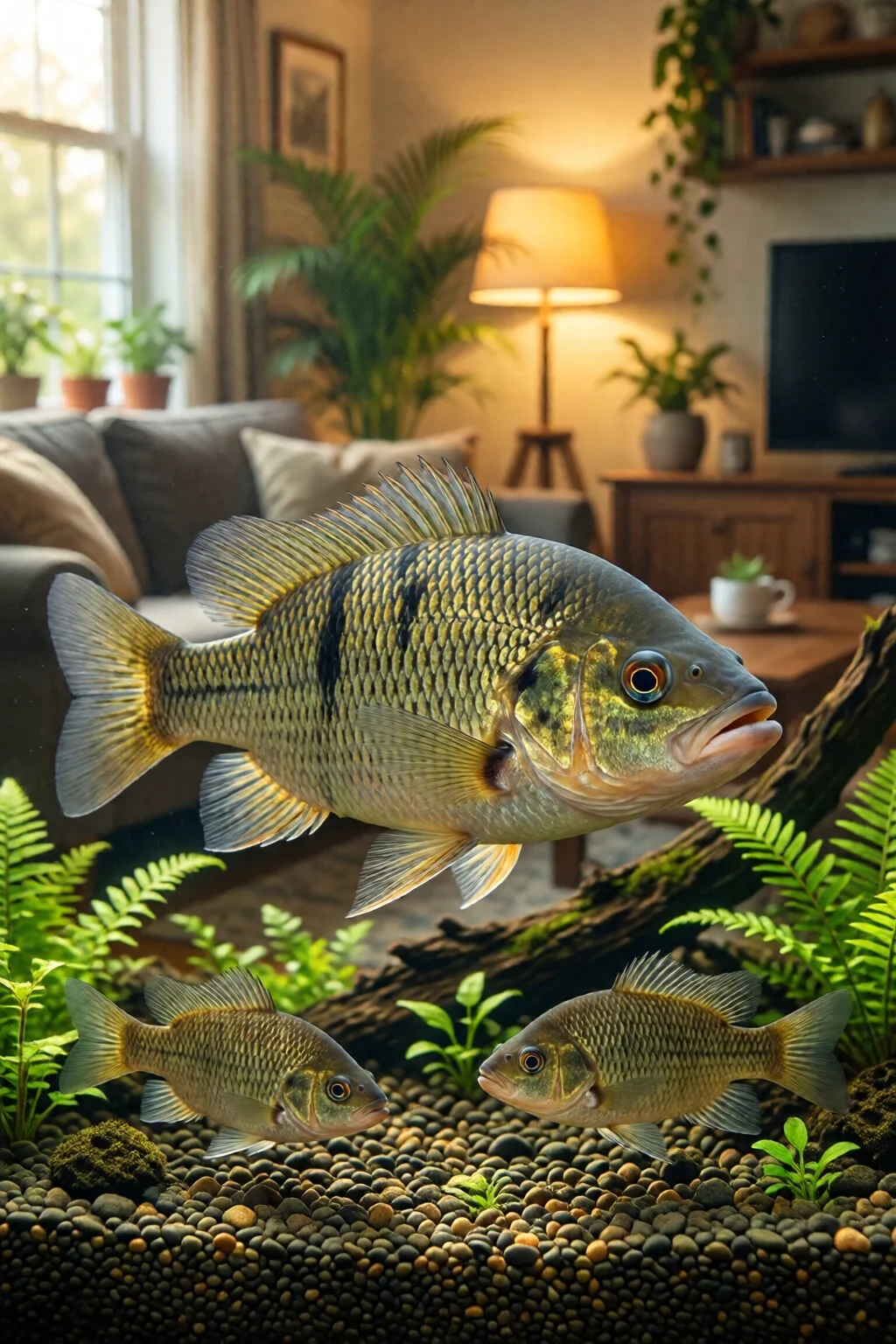
Most beginner fish are schooling species that feel safe in numbers. Neon tetras, zebra danios, and cory catfish all exhibit this behavior. Keeping the recommended minimum school size prevents hiding and aggression. In my experience, a mixed school of neon tetras and danios creates a dynamic visual contrast while maintaining peace.
3.2. Aggression and Territoriality
Betta males are famously territorial. If you decide to keep a betta, opt for a single specimen in a 5‑gallon tank or a community tank with very peaceful, non‑fin‑nipping species (e.g., snails, small shrimp). Avoid mixing bettas with guppies or tetras that may nip at their fins.
3.3. Adding Invertebrates
Snails like Nerite or shrimp such as Cherry shrimp are low‑maintenance and help clean algae. A small batch (5‑10) of Cherry shrimp costs about $12 and cohabits well with the fish listed above. If you have kids, the hermit crab care guide for kids offers a fun side project.
4. Feeding Fundamentals: Nutrition That Keeps Fish Healthy
4.1. Staple Diets
High‑quality flake or pellet foods form the base of any beginner’s feeding regimen. Brands like API or Tetra offer formulations that meet the nutritional needs of most tropical fish. A 1‑pound bag of API Tropical Flakes costs $7.99 and lasts several months for a modest community.
4.2. Supplemental Foods
Live or frozen foods—brine shrimp, daphnia, bloodworms—provide protein spikes that enhance color and breeding readiness. Freeze‑dried options are convenient and store well; a 5‑ounce bag of Brine Shrimp Freeze‑Dried is about $5.50.
4.3. Feeding Schedule
Feed small portions twice daily, only what fish can consume within two minutes. Overfeeding leads to ammonia spikes, which can be fatal. In my first tank, I set a timer on the heater to remind me of feeding times—a simple habit that prevented water quality issues.
5. Budgeting for Success: Costs You Can Expect
5.1. Initial Investment
Here’s a quick rundown of typical starter costs (prices are U.S. averages):
- 10‑gallon tank with hood: $49.99
- Filter (Fluval 107): $59.95
- Heater (50 W): $24.99
- Lighting (Aqueon LED): $34.99
- Test kit (API Master Test Kit, 4‑in‑1): $19.95
- Starter fish (mix of guppies, neon tetras, cory catfish): $30‑$40
Total: roughly $260‑$280. This is a one‑time cost; many hobbyists spread purchases over a few weeks to manage cash flow.
5.2. Ongoing Expenses
Monthly upkeep includes electricity (≈$5), filter media (≈$10), food (≈$8), and occasional water conditioner ($5 per bottle, lasts ~2 months). Expect $30‑$35 per month after the initial setup.
5.3. Unexpected Costs
Equipment failures (heater or filter) can happen. I always keep a spare heater ($24.99) on hand. Additionally, a sudden disease outbreak may require medication (e.g., Melafix, $12.99). Budgeting an extra $50 for emergencies is wise.
Pro Tips from Our Experience
- Cycle before adding fish: A fully cycled tank (ammonia → nitrite → nitrate) takes 4‑6 weeks. Use a bacterial starter like Seachem Stability ($16.95) to speed up the process.
- Maintain consistent temperature: Fluctuations stress fish. A reliable submersible heater with a built‑in thermostat prevents spikes.
- Test water weekly: The API Master Test Kit measures ammonia, nitrite, nitrate, and pH. Keep nitrate below 20 ppm for optimal health.
- Quarantine new arrivals: A 10‑gallon “hospital” tank catches parasites before they spread. I keep one on standby for $40.
- Don’t over‑decorate: Leave open swimming space. Too many ornaments trap waste and reduce water flow.
Comparison Table: Best Fish for Beginners Freshwater
| Species | Ideal Tank Size | Temperature Range (°F) | Difficulty (1‑5) | Approx. Cost (per fish) |
|---|---|---|---|---|
| Betta splendens | 5‑gal (solo) or 10‑gal (community) | 76‑82 | 2 | $12‑$18 |
| Guppy (Poecilia reticulata) | 10‑gal (small school) | 72‑80 | 2 | $3‑$5 |
| Neon Tetra (Paracheirodon innesi) | 20‑gal (school of 8+) | 70‑80 | 3 | $2‑$3 |
| Zebra Danio (Danio rerio) | 20‑gal (group of 5+) | 64‑77 | 2 | $1.50‑$2 |
| Bronze Cory (Corydoras paleatus) | 20‑gal (group of 3+) | 72‑78 | 3 | $4‑$6 |
Frequently Asked Questions
How long does it take to cycle a new freshwater tank?
A properly cycled tank usually reaches stability in 4‑6 weeks. Using a bacterial starter like Seachem Stability can shorten this to 2‑3 weeks, but always confirm with a water test before adding fish.
Can I keep bettas with other community fish?
Yes, but only with very peaceful, non‑fin‑nipping species. Avoid guppies, tetras, or other bettas. A single betta in a 10‑gallon community with cory catfish and some snails can work if the tank has plenty of hiding spots.
What is the cheapest way to start a freshwater aquarium?
Begin with a 10‑gallon tank, a basic hang‑on‑back filter ($20‑$30), a low‑wattage heater ($15), and inexpensive starter fish like guppies or zebra danios. DIY decorations from smooth river rocks and driftwood can cut costs further.
Do I need a separate quarantine tank?
While not mandatory, a small 5‑gal quarantine tank is highly recommended. It helps catch parasites or diseases before they spread to your main community. A basic setup costs around $40 and can be reused for future additions.
Where can I find reliable information on other beginner fish?
Our site offers detailed guides such as the oscar fish care guide big tank, the angelfish care guide freshwater, and many more. Even unrelated topics like how to potty train a puppy fast are linked for holistic pet care.
Conclusion: Your First Freshwater Adventure Starts Now
Choosing the best fish for beginners freshwater isn’t about picking the flashiest species; it’s about matching fish temperament, tank size, and your willingness to maintain water quality. Start with a well‑cycled 10‑ or 20‑gallon setup, invest in reliable filtration and lighting, and stock your tank with hardy, schooling fish like neon tetras, zebra danios, or bronze corys. Remember to test water regularly, feed a balanced diet, and keep a small emergency fund for unexpected repairs.
Take the first step today—order a tank, line up a few beginner‑friendly fish, and watch your aquatic community flourish. In just a few weeks, you’ll be proud of a thriving, colorful ecosystem that’s as rewarding to watch as it is educational. Happy fish‑keeping!
1 commentaire sur « Best Fish For Beginners Freshwater – Everything You Need to Know »