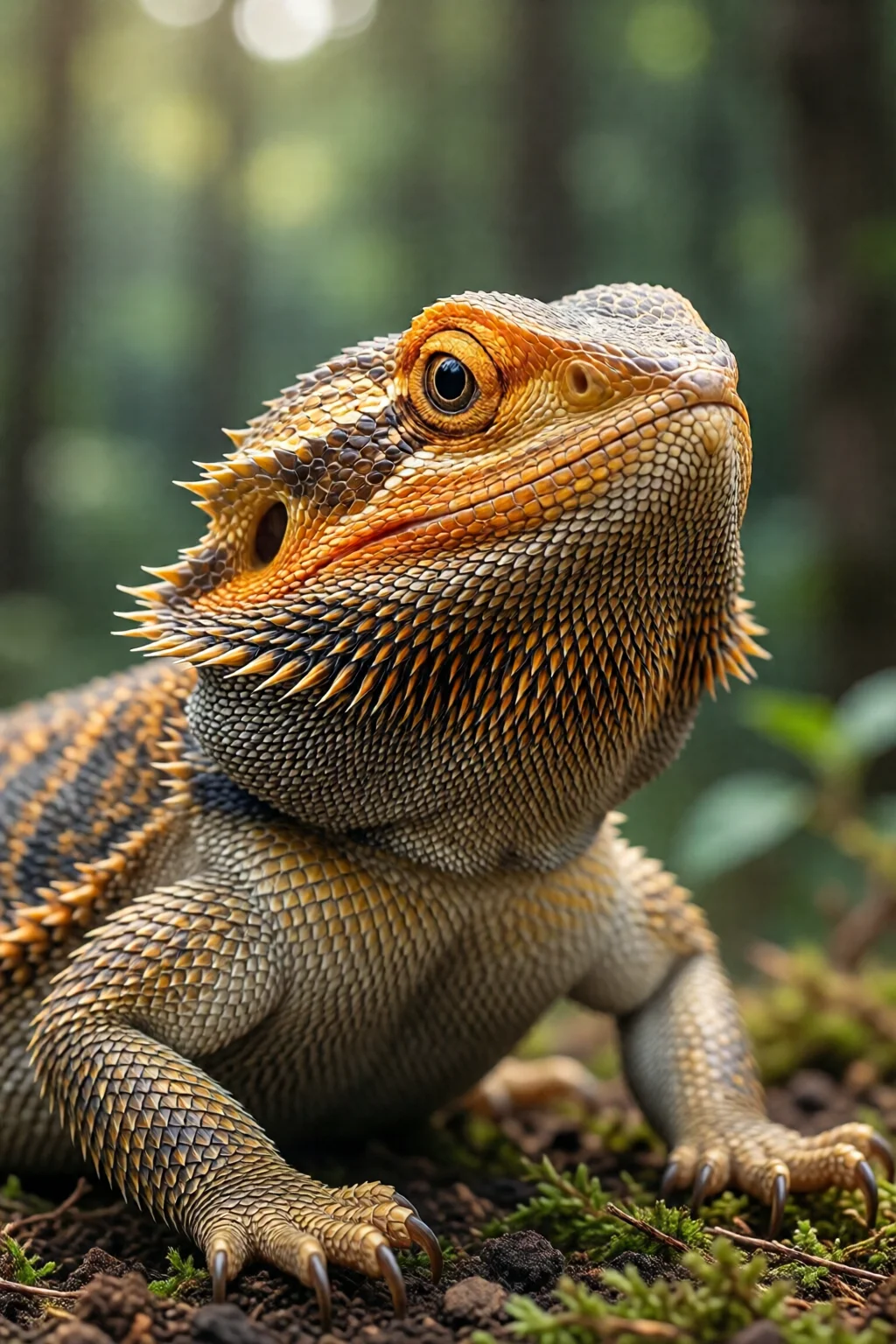
Ever wondered why your bearded dragon seems sluggish or why the sand in its tank constantly shifts into piles? Those signs usually point to a mismatch in diet or habitat basics. In this bearded dragon care guide diet and habitat, I’ll walk you through the nine essential pieces that turn a simple terrarium into a thriving, vibrant home for your scaly companion.
In This Article
- 1. Pick the Perfect Enclosure – Size Matters More Than Style
- 2. Substrate Selection – Safety Over Aesthetics
- 3. Temperature & Lighting – The Heartbeat of Health
- 4. Humidity & Ventilation – Keep It Balanced
- 5. Core Diet – The Staple Foods Every Adult Needs
- 6. Supplements – The Tiny Add‑Ons That Prevent Big Problems
- 7. Water & Hydration – More Than Just a Bowl
- 8. Routine Cleaning – Keep the Habitat Hygienic
- 9. Monitoring Health – Signs That Your Habitat Is Working
- Comparison Table – Top Picks for a Successful Bearded Dragon Care Setup
- Final Verdict – A Balanced Diet and Habitat Are the Cornerstones
1. Pick the Perfect Enclosure – Size Matters More Than Style
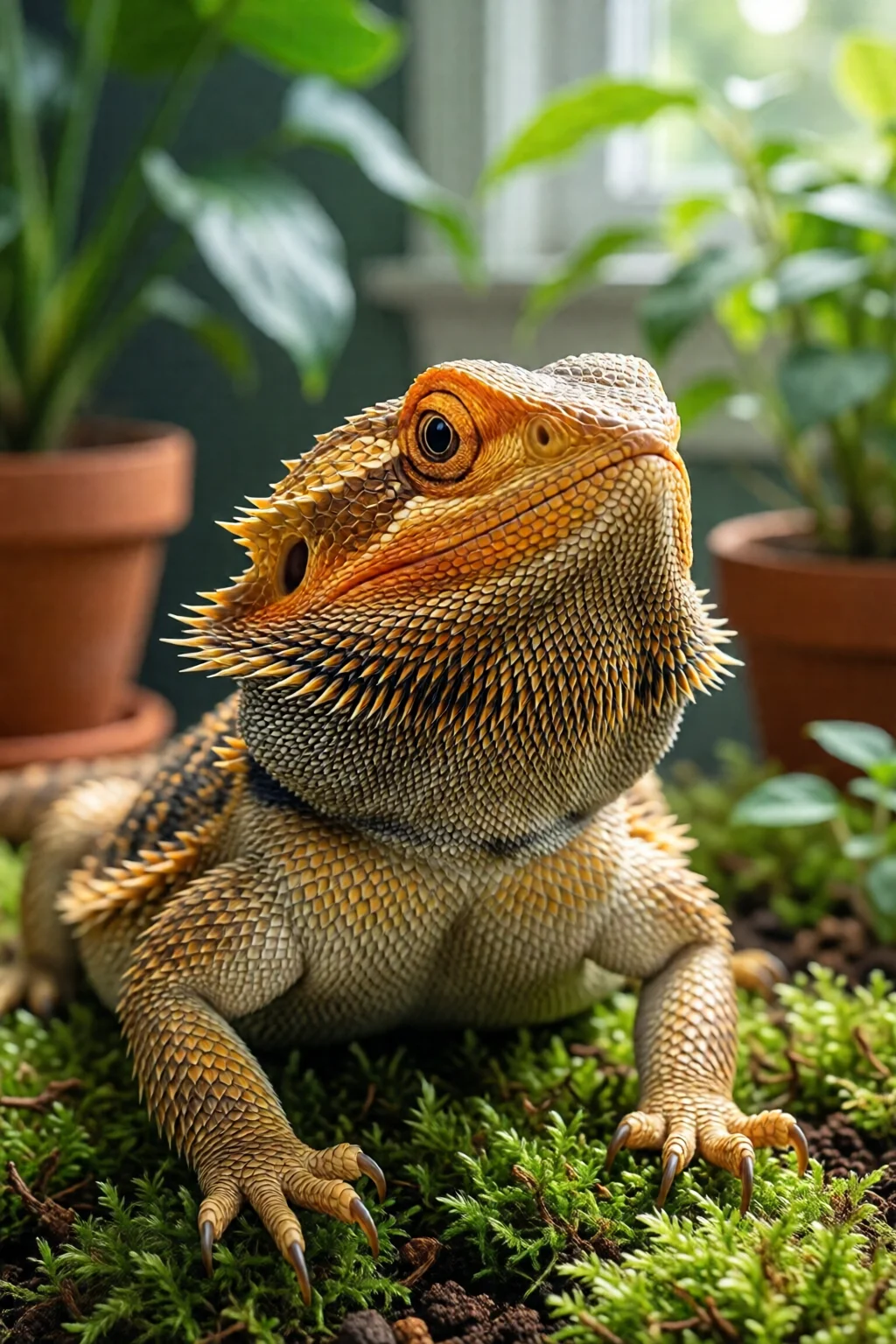
In my experience, new owners often buy the flashiest glass tank only to discover it’s too cramped. A juvenile bearded dragon (up to 12 inches) can comfortably live in a 20‑gallon long tank, but adults need at least a 40‑gallon “long” (not “standard”) enclosure. The Zilla 40‑Gallon Glass Terrarium (18×12×24 in, $199) hits the sweet spot: sturdy glass, front‑door access, and a built‑in screen top for ventilation.
Pros: Easy to clean, good heat retention, no plastic odor.
Cons: Heavier than PVC; requires a sturdy stand.
2. Substrate Selection – Safety Over Aesthetics
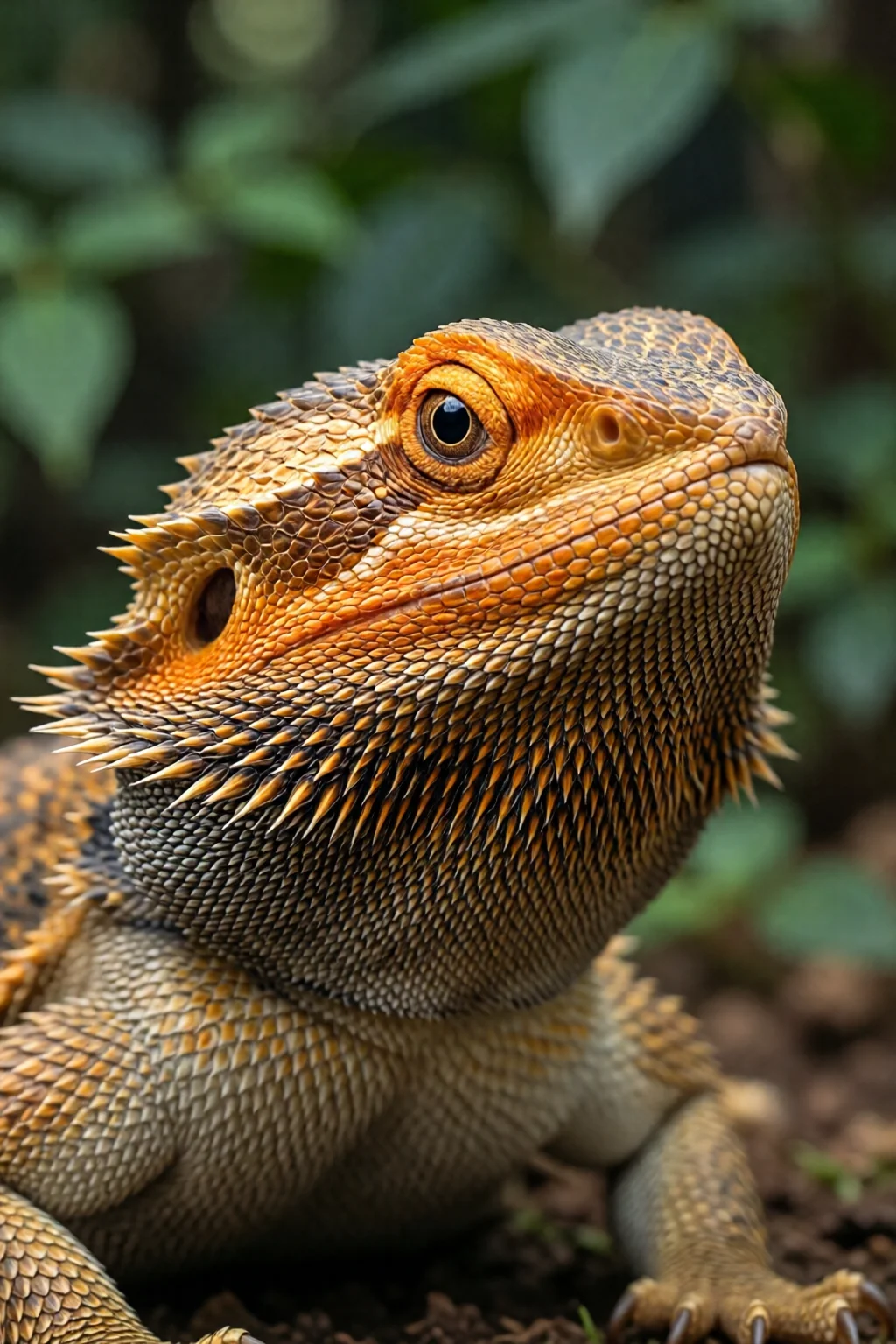
One mistake I see often is using loose sand that can cause impaction if ingested. For a natural look with safety, I recommend a reptile carpet (e.g., Exo Terra Repti Carpet, 24×36 in, $34.95) or a thin layer (½‑inch) of Cypress mulch ($12 per bag). If you crave sand, use a “sand‑only” zone with a depth of no more than ½‑inch to discourage digging and accidental swallowing.
Pros: Carpet is reusable, easy to disinfect.
Cons: Carpet can retain odors if not washed weekly.
3. Temperature & Lighting – The Heartbeat of Health
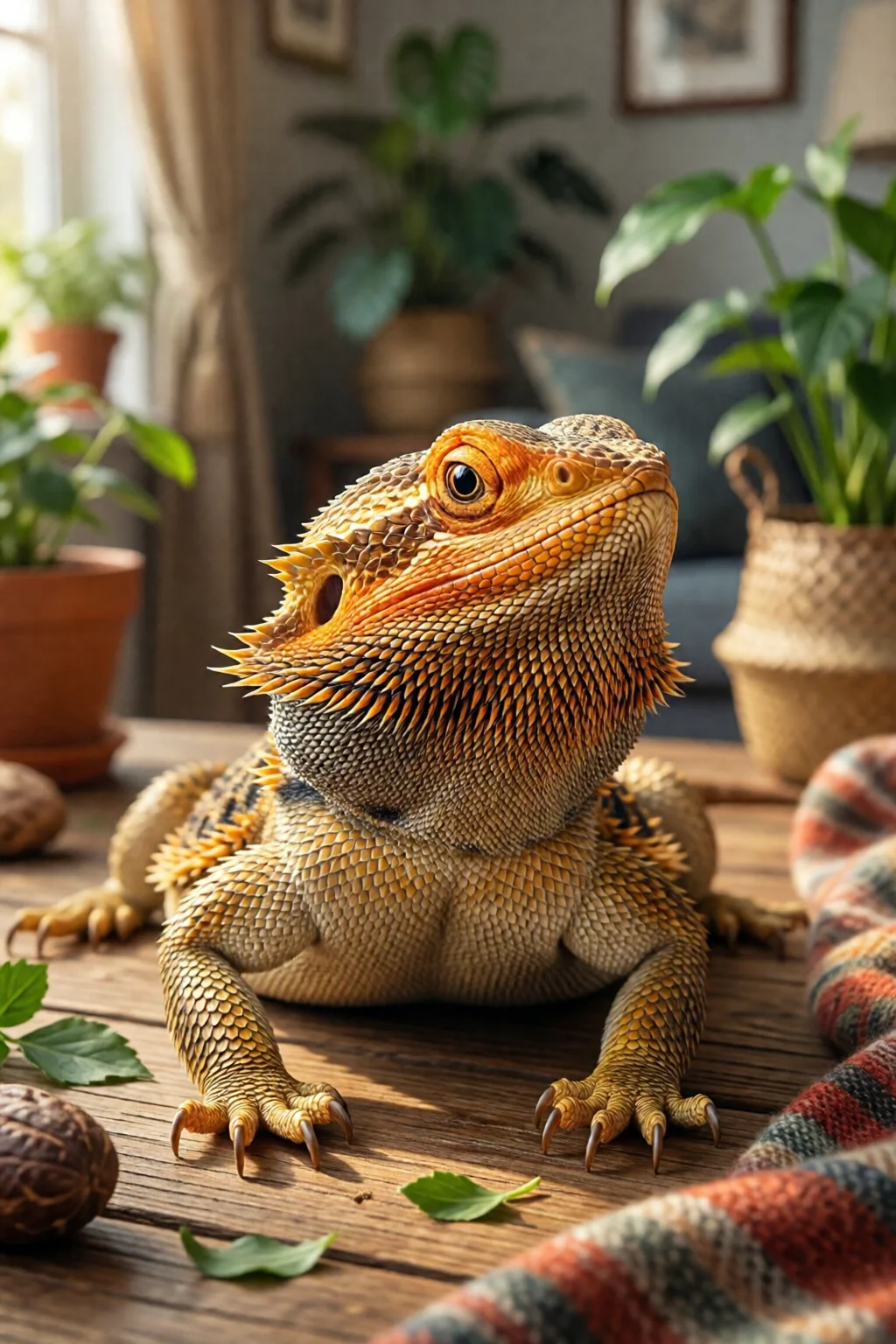
Bearded dragons are ectothermic; they need a basking spot of 95‑105 °F and a cooler end around 75‑85 °F. A 13‑watt Exo Terra Basking Lamp ($29.99) paired with a 10.0 UVB bulb (Fluker’s UVB 10.0, 13 W, $39.95) provides both heat and UVB radiation essential for calcium metabolism.
Place a digital thermometer (Zoo Med Repti Thermometer, $12.99) at each end to monitor gradients. Remember to replace UVB bulbs every 6‑9 months even if they still emit light; UV output wanes long before the bulb looks dim.
Pros: Accurate temperature zones encourage natural behavior.
Cons: UVB bulbs add recurring cost (≈$40 per year).
4. Humidity & Ventilation – Keep It Balanced
Bearded dragons thrive at 30‑40 % relative humidity. Too much moisture invites respiratory infections. Use a small hygrometer (ThermoWorks Mini Hygrometer, $24.95) and a screened top to maintain airflow. If humidity spikes above 50 %, a simple oscillating fan ($15) on low will circulate air without creating drafts.
During shedding season, a brief misting session (no more than 5 seconds) can help, but never leave a water bowl full for days; replace water daily.
5. Core Diet – The Staple Foods Every Adult Needs
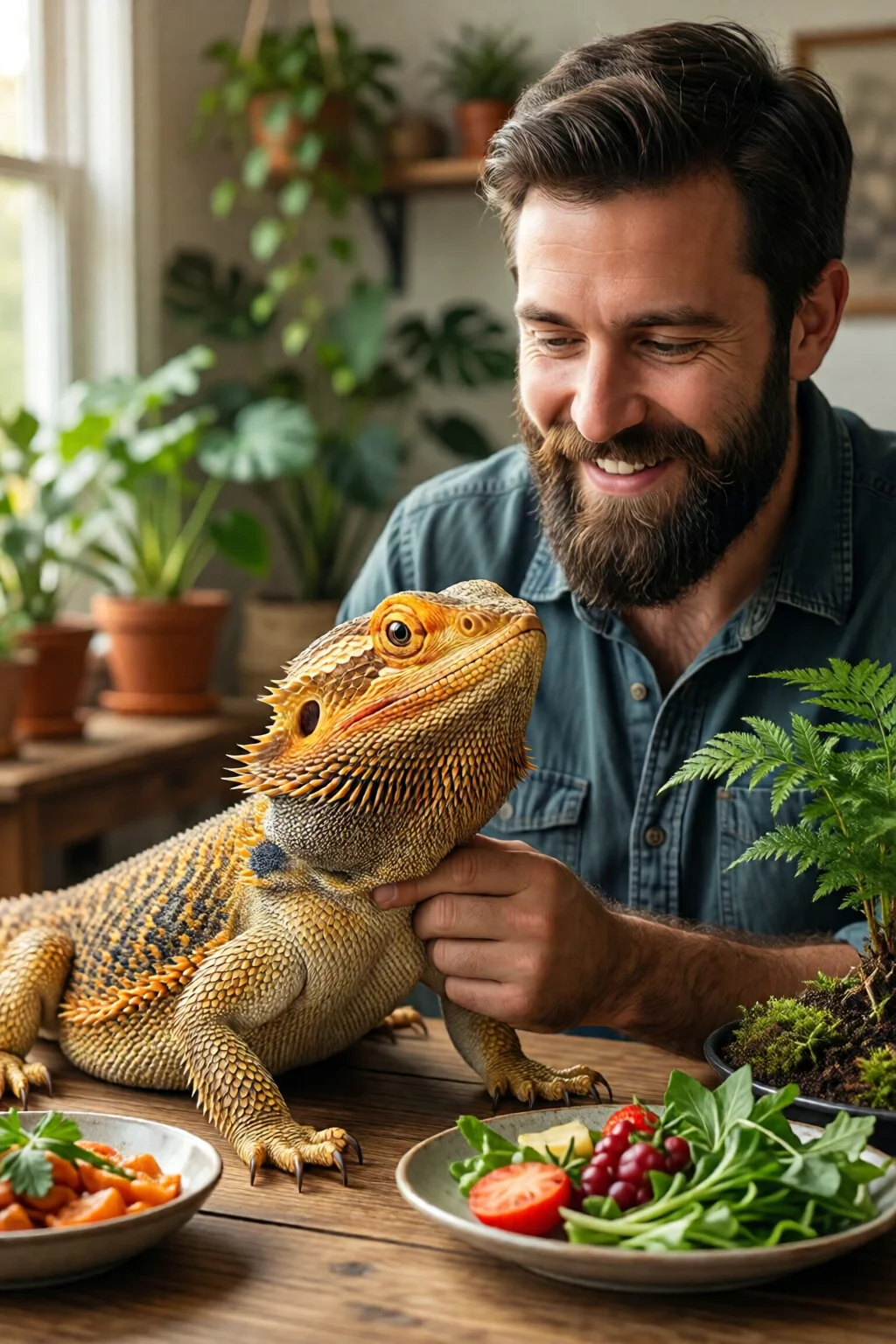
Adult bearded dragons (over 12 months) should eat a 70 %–80 % vegetable diet with 20 %–30 % protein. Here’s a reliable daily plate:
- Greens (40 % of plate): Collard greens, mustard greens, dandelion leaves – chopped into bite‑size pieces. Approx. 1‑2 cups per adult.
- Vegetables (30 % of plate):** Squash, carrots, bell peppers – lightly steamed for 2‑3 minutes to improve digestibility.
- Protein (20‑30 % of plate):** Crickets (≈30 crickets per feeding), Dubia roaches (10‑15), or pre‑gut‑loaded superworms (Repashy Superworm, 250 g for $4.99).
Feed juveniles daily, tapering to every other day for adults. Rotate greens weekly to prevent nutrient deficiencies.
6. Supplements – The Tiny Add‑Ons That Prevent Big Problems
Calcium with vitamin D3 is non‑negotiable. I dust every live insect with Repashy Calcium with D3 (2 g, $7.99) before offering it. For adults, a weekly dusting with a multivitamin supplement (Zoo Med ReptiVite, $9.95) rounds out micronutrients.
Gut‑loading insects 24 hours before feeding (e.g., feeding crickets a slice of carrot) dramatically boosts their nutritional value. It’s a simple step that can increase calcium intake by up to 30 %.
7. Water & Hydration – More Than Just a Bowl
Bearded dragons rarely drink from a bowl; they prefer licking droplets. Offer a shallow water dish (5 × 5 in, $5) and change it daily. During shedding, a misting bottle (12 oz, $3) can provide extra humidity. If your dragon refuses to drink for several days, increase misting frequency or try adding a few frozen berries to the bowl for novelty.
8. Routine Cleaning – Keep the Habitat Hygienic
Spot‑clean daily: remove feces, uneaten food, and replace water. Perform a full clean every 4‑6 weeks: empty the tank, scrub glass with a reptile‑safe cleaner (Zoo Med Repti Cleaner, $8.99), rinse substrate, and replace any worn accessories. A clean environment reduces stress and the risk of skin infections.
9. Monitoring Health – Signs That Your Habitat Is Working
Healthy bearded dragons display bright coloration, an active appetite, and regular shedding. Watch for signs like lethargy, weight loss, or swollen joints – these often point to temperature or diet imbalances. A quick weekly weigh‑in (using a kitchen scale, $12) helps you catch subtle changes early.
Comparison Table – Top Picks for a Successful Bearded Dragon Care Setup
| Component | Brand / Model | Price (USD) | Key Features | Rating (out of 5) |
|---|---|---|---|---|
| Enclosure | Zilla 40‑Gallon Long Terrarium | 199 | Tempered glass, front door, screen top | 4.8 |
| Substrate | Exo Terra Repti Carpet | 34.95 | Reusable, easy to clean, non‑impaction | 4.5 |
| UVB Lighting | Fluker’s UVB 10.0 (13 W) | 39.95 | Full‑spectrum UVB, 6‑month lifespan | 4.7 |
| Basking Lamp | Exo Terra Basking Lamp 13 W | 29.99 | Adjustable canopy, high heat output | 4.6 |
| Calcium Supplement | Repashy Calcium with D3 | 7.99 (2 g) | Powdered, easy dusting | 4.9 |
Final Verdict – A Balanced Diet and Habitat Are the Cornerstones
When you combine a spacious, well‑ventilated enclosure with precise temperature gradients, a high‑quality UVB source, and a varied diet rich in greens and properly gut‑loaded insects, your bearded dragon will thrive for years. The upfront cost (≈$350 for the essential gear) pays off in reduced veterinary bills and a happier pet. Remember, consistency is key: monitor temperatures, rotate foods, and keep the tank spotless. Follow this bearded dragon care guide diet and habitat, and you’ll watch your dragon bask confidently, shed flawlessly, and greet you with that iconic “arm‑waving” display.
How often should I replace the UVB bulb?
Even if the bulb still emits light, replace the UVB bulb every 6‑9 months because UV output declines long before it looks dim.
Can I use regular sand as substrate?
Only a very thin layer (½‑inch) is safe; deeper sand can cause impaction. For beginners, a reptile carpet or Cypress mulch is recommended.
What’s the ideal feeding schedule for an adult?
Feed adults every other day, offering a plate that’s 70‑80 % vegetables and 20‑30 % protein. Adjust portions based on weight checks.
Do I need a separate water dish for soaking?
A shallow water dish (5×5 in) is sufficient for daily drinking. For soaking, provide a shallow tub no deeper than 1 inch and supervise.
Where can I learn more about feeding live insects safely?
Check out our pet mouse care guide and cages for gut‑loading tips that apply to crickets and roaches as well.
1 commentaire sur « Bearded Dragon Care Guide Diet And Habitat – Everything You Need to Know »