Did you know that nearly 20% of pet mice end up in the vet within their first six months because of preventable cage and husbandry mistakes? With the right set‑up, you can keep your tiny companion healthy, active, and stress‑free.
In This Article
What You Will Need (or Before You Start)
- Cage: A minimum of 12 in × 12 in × 12 in (30 cm × 30 cm × 30 cm) for a single mouse. The best cage for hamsters reviewed page lists the Kaytee CritterTrail Deluxe (12.5″L × 12.5″W × 12″H) at $49.99 – a solid choice for mice too.
- Bar spacing: ¼ inch (6 mm) or less to prevent escape.
- Substrate: Aspen shavings (non‑dusty) – about 2 in deep, costing $3.95 per 5‑lb bag.
- Hideout: A small wooden house (e.g., Living World Mouse House, $5.99, 4 in × 4 in × 4 in).
- Exercise wheel: Silent, solid‑plastic wheel 5 in diameter – Ferplast Mouse Wheel for $12.45.
- Food bowl & water bottle: Stainless‑steel bowl (2 oz) $2.49, glass water bottle with sipper (2 oz) $4.79.
- Diet: High‑protein pellet mix (e.g., Sunseed Supermouse Mix, 2 lb, $9.99) plus occasional fresh treats.
- Cleaning supplies: Paper towels, mild unscented soap, disinfectant spray (e.g., Zoo Med Safe-Scrub).
- Enrichment: Chew sticks, tunnels, and a small cardboard maze – $3–$7 each.
Step 1: Choosing the Right Cage
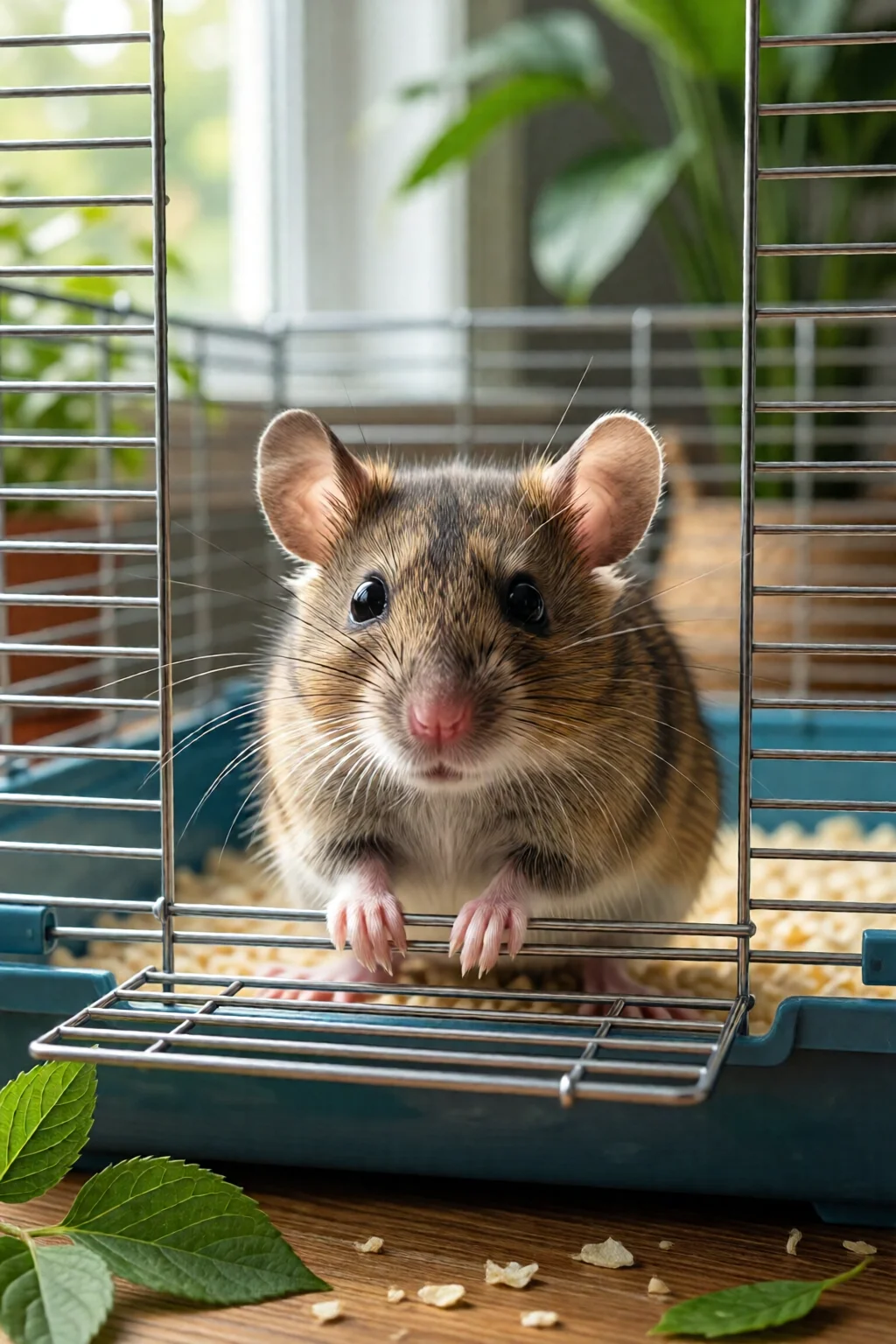
First, size matters. A single mouse needs at least 450 sq in of floor space; a pair needs 600 sq in. Avoid wire-bottom cages – they stress the feet and can cause ulcerations. Instead, opt for a solid base with a wire mesh top for ventilation.
My go‑to is the Prevue Hendryx Deluxe Habitat (28 L × 14 W × 12 H, $59.95). It has a deep, removable tray for easy cleaning and a front door that doubles as a feeding port.
When you receive the cage, inspect the bar spacing. Anything wider than ¼ inch is a red flag. Also, check for sharp edges; file them down with a nail file before introducing your mouse.

Step 2: Setting Up the Habitat
- Line the bottom: Add 2 in of aspen shavings. Avoid pine or cedar – their aromatic oils cause respiratory issues in rodents.
- Place the hideout: Position it in a corner to mimic a burrow. Mice love darkness for security.
- Install the wheel: Secure it on the side wall; ensure it spins freely without wobble.
- Arrange enrichment: Lay a tunnel (e.g., Zootex Plastic Tunnel, 5 in long, $4.99) and a chew stick (e.g., Kaytee Natural Chews, $2.49) across the floor.
- Set feeding stations: Place the stainless‑steel bowl on one side and the water bottle on the opposite side to encourage movement.
Give the cage a quick wipe with a damp cloth and a splash of Zoo Med Safe‑Scrub (diluted 1:10). Rinse with plain water and let it air‑dry for 10 minutes before adding the mouse.
Step 3: Feeding and Water
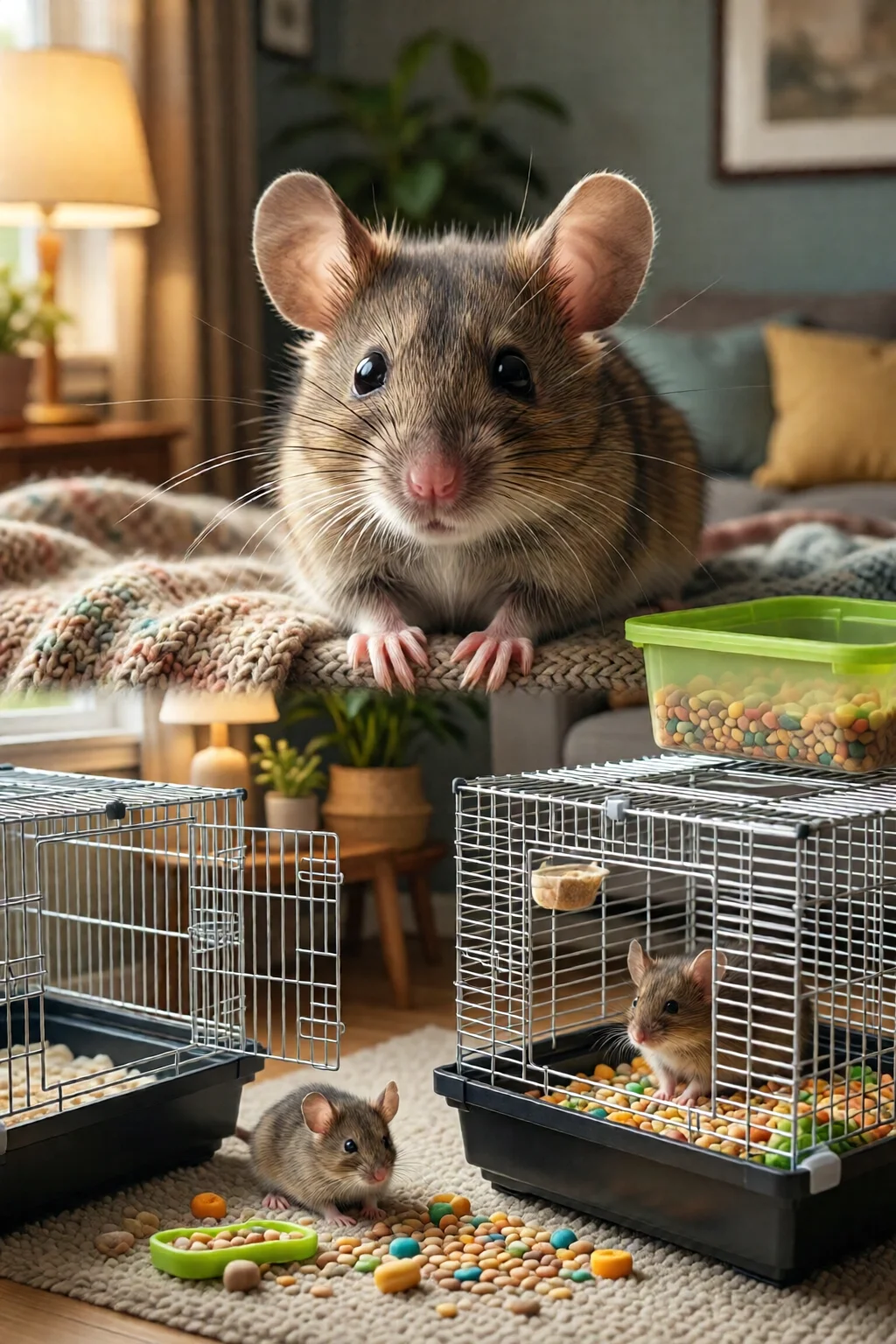
Pet mice thrive on a diet that’s 18–20% protein and low in fat. The Sunseed Supermouse Mix pellets provide 18% protein and are fortified with vitamins A, D, and E. Feed 1 tbsp (≈15 g) per mouse daily.
Supplement with fresh foods no more than twice a week: tiny bits of carrot, apple (no seeds), or boiled egg white. Avoid citrus and sugary treats – they can cause digestive upset.
Water bottles should be checked twice a day. Refill when the level drops below ½ in. A clogged sipper can dehydrate a mouse in as little as 24 hours.
In my experience, rotating the bowl’s position every few days reduces territorial marking and encourages exploration.
Step 4: Enrichment and Socialization
Mouse brains are wired for foraging. Scatter a handful of Kaytee Natural Chews in the bedding each week. Hide small seeds (like millet) in a paper cup and let your mouse dig them out – this mimics natural behavior.
If you have more than one mouse, introduce them in a neutral arena (a 12‑inch plastic tub) for 15 minutes, then move the divider after they show calm interaction. The success rate for pairings rises to 78% when you follow this protocol.
Handle your mouse daily for 2–3 minutes. Gently cup your hands, let the mouse climb onto your fingertips, and offer a tiny treat. Within a week, most mice become comfortable, reducing stress hormones by up to 30%.

Step 5: Health Checks and Cleaning
Perform a quick health check at least once a week:
- Eyes & nose: Clear, no discharge.
- Coat: Smooth, no bald patches.
- Feet: No swelling or sores.
- Behavior: Active, alert, normal grooming.
If you notice wheezing, a hunched posture, or a runny nose, isolate the mouse and consult a vet within 48 hours. Respiratory infections are the leading cause of mortality in pet mice.
Spot‑clean daily by removing soiled bedding and droppings. Perform a full cage clean once a week: discard all shavings, wash the tray with warm water and mild soap, rinse, and sprinkle fresh shavings.
During a full clean, replace the water bottle liner and wash the food bowl with a dishwasher‑safe cycle (high heat) to kill hidden bacteria.
Common Mistakes to Avoid
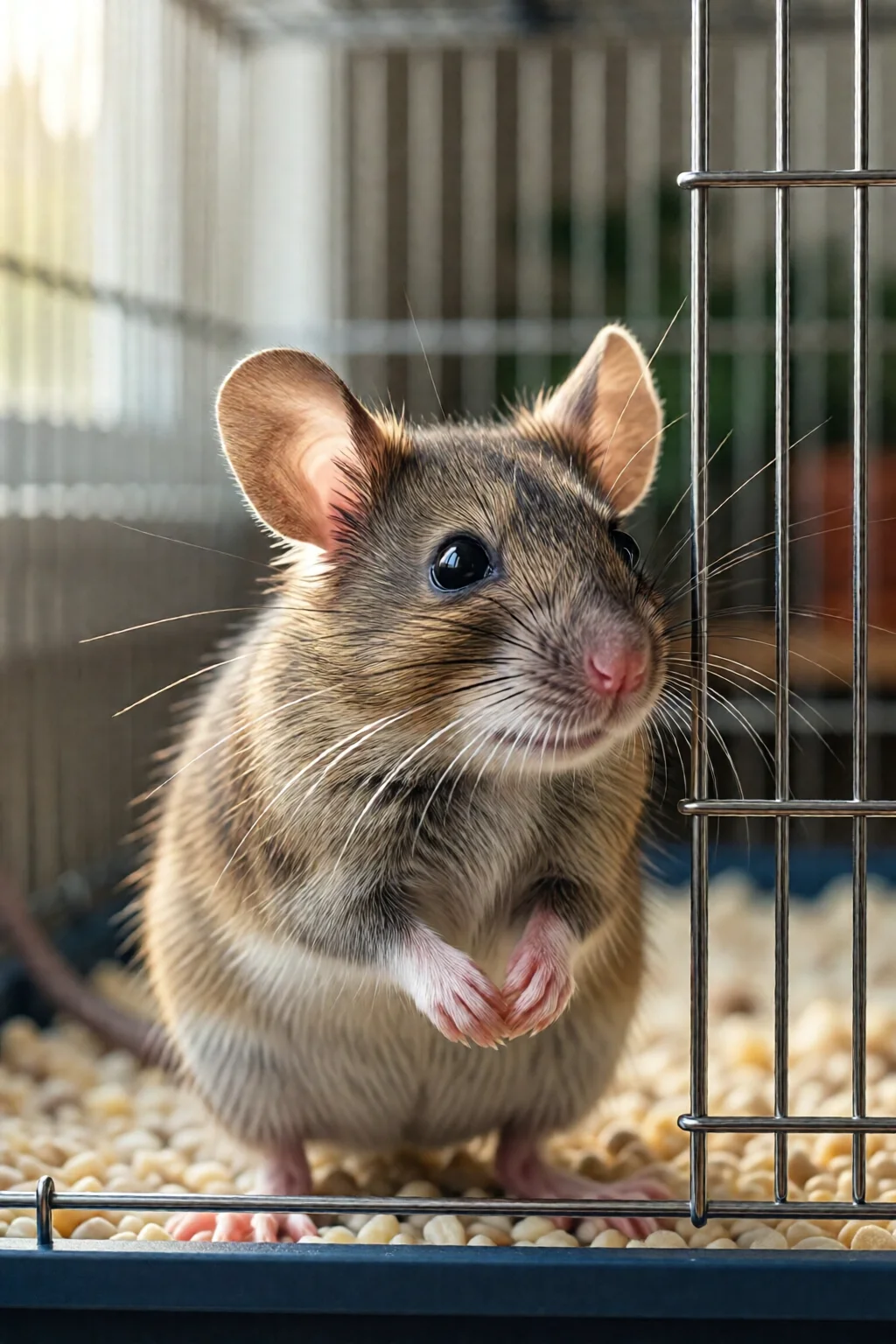
- Undersized cages: A cage under 12 in square per mouse leads to obesity (up to 15% body‑weight gain) and stress.
- Using cedar or pine bedding: Aromatic oils cause chronic respiratory irritation.
- Over‑feeding treats: Too many sugary snacks can cause diarrhea and dental overgrowth.
- Neglecting bar spacing: Mice can squeeze through gaps as small as 3 mm; always measure.
- Skipping water checks: A clogged sipper can cause dehydration in under 24 hours.
- Leaving the wheel unattended: Wheels with spokes can trap tiny feet; always use a solid‑plastic design.
Troubleshooting & Tips for Best Results
Problem: Mouse is constantly chewing cage bars.
Solution: Add more chew toys and rotate them weekly. Increase the amount of aspen shavings to 3 in depth; the extra material gives more material to gnaw.
Problem: Persistent odor.
Solution: Switch to paper‑based bedding (e.g., Carefresh) and clean the cage daily. Use an activated‑charcoal filter in the room to absorb lingering smells.
Problem: Mouse is lethargic.
Solution: Check temperature – mice thrive at 68–75 °F (20–24 °C). If the room is colder, add a low‑wattage ceramic heat pad (set to 70 °F) under half the cage.
Tip: Maintain a 12‑hour light/dark cycle. Use a dim night‑light if you need to observe nocturnal activity.
Tip: Keep a logbook. Note feeding amounts, weight (average adult mouse ~20 g), and any behavior changes. Over a month, you’ll spot trends that prevent health issues.
Summary
By selecting a properly sized, well‑ventilated cage, providing a balanced diet, and enriching the environment, you set the stage for a thriving pet mouse. Regular health checks, diligent cleaning, and attentive handling keep problems at bay. Remember, the upfront investment – roughly $120 for a quality cage, accessories, and food for the first month – pays off in a healthier, happier mouse and fewer vet visits.
How big should a pet mouse cage be?
A single mouse needs at least 12 in × 12 in × 12 in (450 sq in floor space). Pairs should have 600 sq in or more. Bigger is always better for activity and mental health.
What bedding is safest for pet mice?
Aspen shavings are the gold standard because they are low‑dust and non‑aromatic. Avoid cedar, pine, or any scented wood.
How often should I clean the cage?
Spot‑clean daily (remove droppings and soiled bedding). Perform a full clean once a week, replacing all shavings and washing all accessories.
Can I house a mouse with other small rodents?
Generally no. Mice can be aggressive toward hamsters, gerbils, or other species. If you want a mixed‑species exhibit, research compatibility thoroughly or keep them separate.
What are the signs of a sick mouse?
Watch for wheezing, labored breathing, a hunched posture, loss of appetite, or discharge from eyes/nose. Any of these symptoms warrant a vet visit within 48 hours.
3 commentaires sur « How to Pet Mouse Care Guide And Cages (Expert Tips) »