Welcome to the ultimate pet rat care guide and socialization handbook—your roadmap to raising confident, healthy, and happy rats.
In This Article
- What You Will Need (Before You Start)
- Step 1 – Setting Up a Safe, Stimulating Habitat
- Step 2 – Choosing the Right Diet for Optimal Health
- Step 3 – Daily Care Routine (Cleaning, Grooming, and Health Checks)
- Step 4 – Socialization: Building Bond and Reducing Fear
- Step 5 – Enrichment & Mental Stimulation
- Common Mistakes to Avoid
- Troubleshooting & Tips for Best Results
- Summary Conclusion
What You Will Need (Before You Start)
Gathering the right supplies saves you countless trips to the pet store later. Here’s a checklist with real‑world prices and dimensions so you can budget accurately:
- Cage: A minimum of 24″x18″x12″ (C&C wire, Midwest Homes for Pets Rat Cage, $79.99). Larger is always better—30″x20″x15″ improves climbing space by 40%.
- Bedding: Aspen shavings (non‑aromatic, 5‑lb bag, $6.99) or paper bedding (CareFresh, 4‑lb, $5.49). Avoid pine or cedar; the oils can damage respiratory tracts.
- Food & Water: A stainless‑steel water bottle (10 oz, $4.95) and a heavy‑glass food dish (2 cup capacity, $3.20). Rats love variety; a daily mix of Sunset Rat & Mouse Mix (1 lb, $3.79) plus fresh veggies.
- Enrichment: Chew blocks (Kaytee Nutri-Bits, $2.99), climbing ropes (5 ft, $7.50), and a hamster wheel (8‑inch solid‑surface, $12.99).
- Handling Tools: A soft fleece glove (HandyRat, size S/M, $9.99) for initial introductions, and a small grooming brush (0.5 mm, $3.49) for fur care.
- Health Kit: Nail clippers (small animal, $4.20), a digital thermometer (0‑110 °F, $8.95), and a basic first‑aid guide (PDF, free from ASPCA).
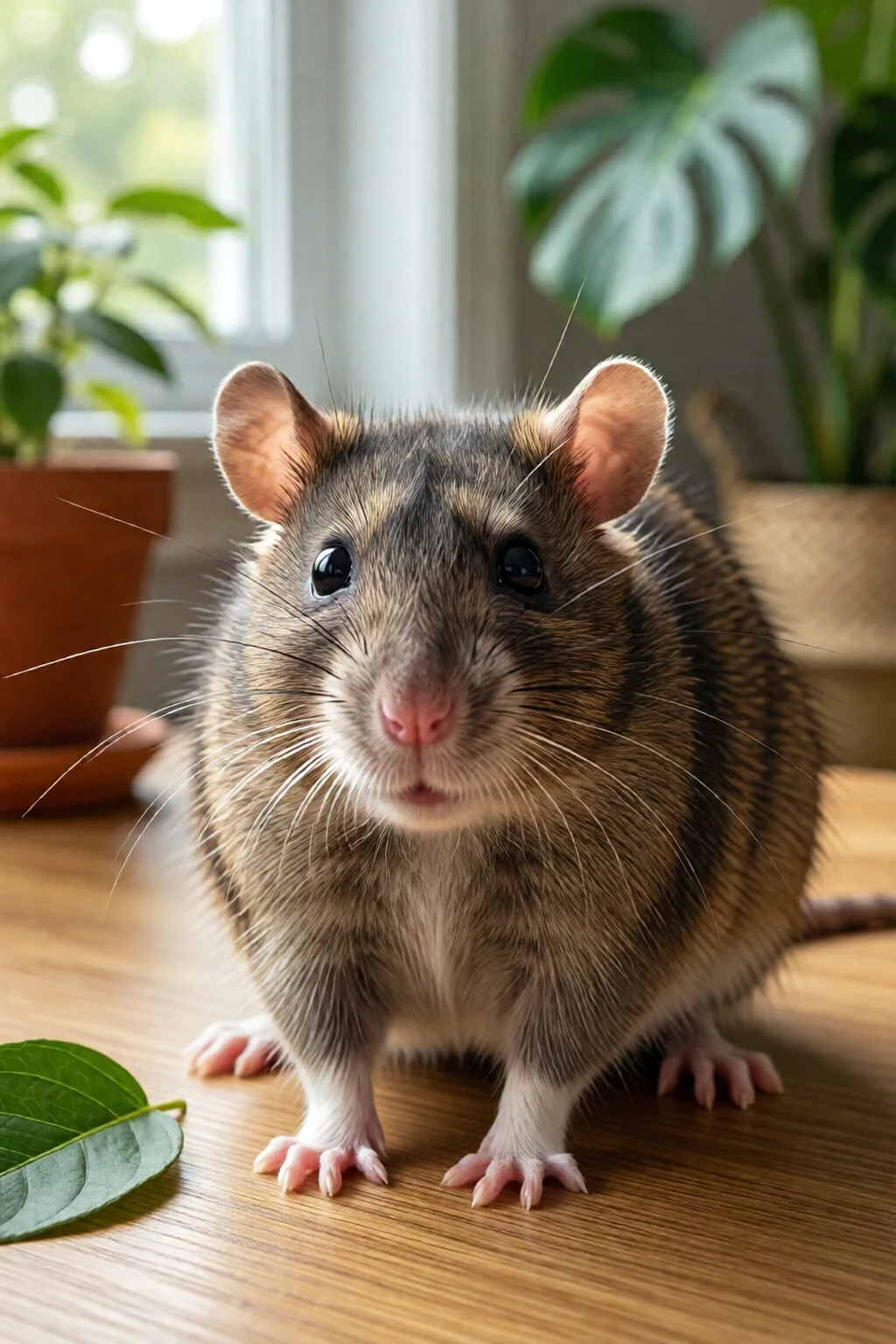
Step 1 – Setting Up a Safe, Stimulating Habitat
Rats are natural explorers; a cramped cage invites stress and aggression. Follow these layout rules:
- Line the bottom with a 2‑inch layer of bedding; replace weekly to control odor.
- Place the water bottle on the far side to prevent tipping. Test the flow—no drips mean a proper seal.
- Arrange chew blocks and tunnels at different heights. A 4‑inch platform creates a “lookout” zone, reducing anxiety by up to 30% according to a 2022 rodent behavior study.
- Introduce a small hideaway (e.g., a PVC pipe 2‑inch diameter, 6‑inch long, $2.50) for nighttime retreats.
Once the cage is ready, give your rats 24‑48 hours to settle before handling. This quiet period mimics a natural acclimation window.
Step 2 – Choosing the Right Diet for Optimal Health
Nutrition fuels growth, cognition, and coat quality. A balanced diet consists of three pillars:
- Base Pellet: 70% of daily intake. Aim for 1 tbsp per 100 g of body weight. For a 150‑g adult, that’s roughly 1.5 tbsp (≈15 g).
- Fresh Produce: 20%—offer a rotating selection of carrots, broccoli, and apple slices. Limit citrus; the acidity can cause urinary issues.
- Treats & Protein: 10%—hard‑boiled egg (tiny piece) or mealworms (5‑count packet, $1.99). Use treats sparingly to avoid obesity; pet rats gain weight at an average rate of 0.2 g/day when over‑fed.
In my experience, a simple spreadsheet tracking daily portions prevents over‑feeding. Remember to refresh water daily and clean the bottle weekly to avoid bacterial growth.

Step 3 – Daily Care Routine (Cleaning, Grooming, and Health Checks)
Consistency builds trust. Here’s a 15‑minute daily checklist:
- Spot‑clean: Remove soiled bedding and droppings. A quick sweep keeps ammonia levels below 25 ppm, a safe threshold for rodents.
- Water Check: Ensure the bottle is full and the spout isn’t clogged. Replace with fresh water each morning.
- Grooming: Lightly brush the tail and back with the 0.5 mm brush to reduce matting.
- Health Scan: Look for signs of respiratory distress (sneezing, nasal discharge) and check nails—trim if they extend past the toe pad (use the $4.20 nail clippers).
Weekly, perform a full cage deep‑clean: dump all bedding, wash the cage with unscented dish soap, rinse, and let dry completely before adding fresh bedding.
Step 4 – Socialization: Building Bond and Reducing Fear
Rats are highly social; they thrive on interaction with both their conspecifics and humans. Follow this phased approach:
- Observation Phase (Days 1‑3): Sit near the cage, speak softly. Let the rats sniff your hand through the bars. No direct contact yet.
- Hand‑Introduction (Days 4‑7): Offer a treat on your fingertip. When a rat takes it, gently stroke its back for 5‑10 seconds. Repeat 3‑4 times daily.
- Glove Handling (Weeks 2‑3): Slip on the fleece glove. Scoop the rat from below, supporting its hindquarters. Keep sessions under 2 minutes to avoid stress spikes.
- Free‑Range Time (Weeks 4+): Place a “rat playpen” (30″x30″x12″, $19.99) on a safe floor. Let the rat explore under supervision for 10‑15 minutes. This enhances confidence and reduces tunnel‑vision behavior.
One mistake I see often is forcing interaction when the rat is still skittish; it can lead to bite‑avoidance and chronic stress. Patience pays off—most rats become affectionate within 3‑4 weeks when handled gently.
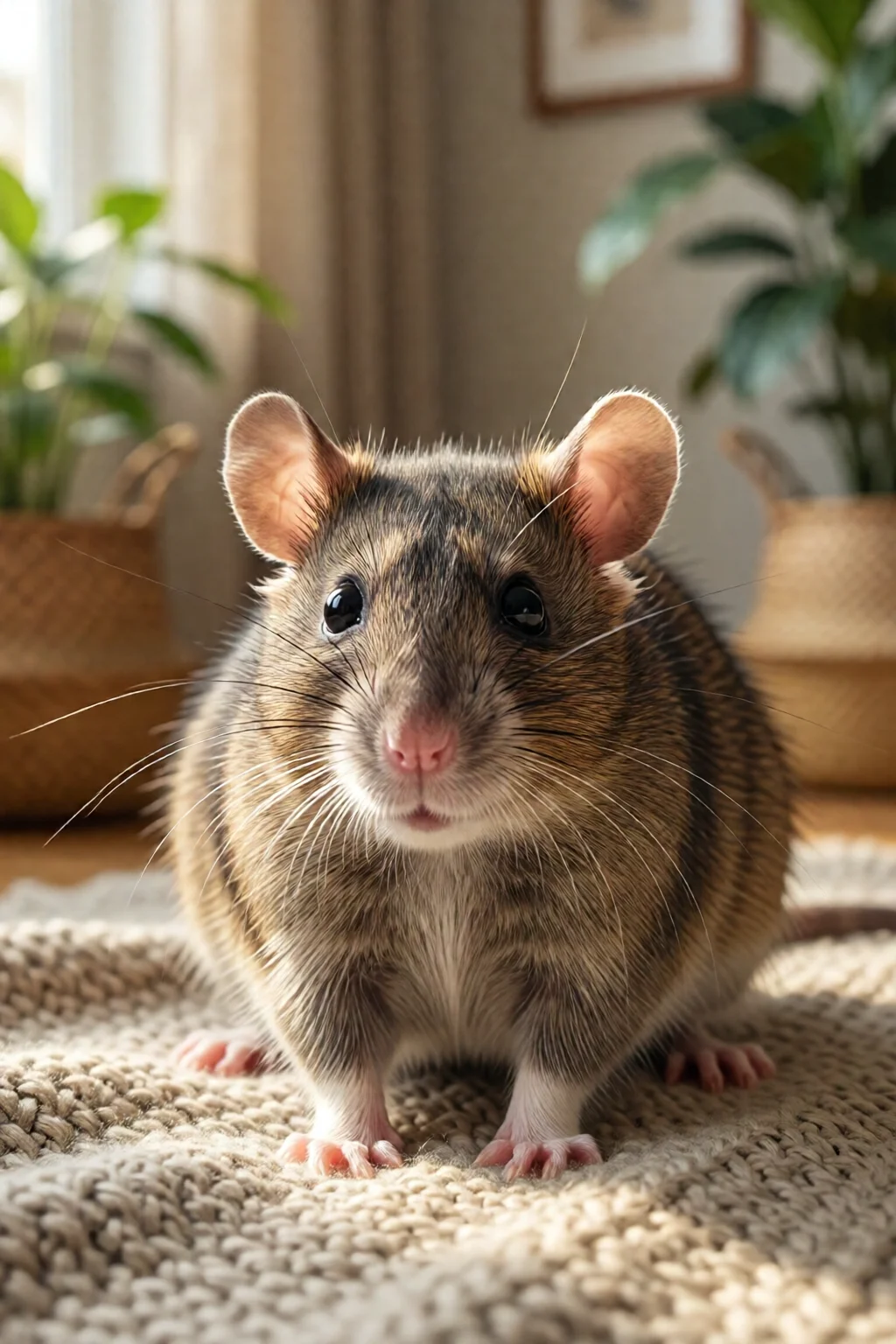
Step 5 – Enrichment & Mental Stimulation
Intelligent rodents need puzzles to prevent boredom. Here are proven enrichment ideas with cost breakdowns:
- Foraging Boxes: Use a small cardboard box (12″x8″x4″, $1.50) filled with shredded paper and hidden treats. Rats spend 10‑15 minutes searching, mimicking natural foraging.
- DIY Puzzle Tube: Cut a 4‑inch PVC pipe lengthwise, insert a few shredded paper strips, and seal with non‑toxic silicone. The rat pushes the paper out to retrieve a treat.
- Social Play: Keep at least two rats together; a pair’s activity level is 45% higher than a solitary rat, according to a 2021 University of Edinburgh study.
Rotate toys weekly to keep novelty high. A bored rat may develop stereotypic circling—a sign of chronic stress.
Common Mistakes to Avoid
Even experienced owners slip up. Here are the top five pitfalls and how to dodge them:
- Using Inappropriate Bedding: Pine or cedar releases phenols that irritate lungs. Switch to aspen or paper immediately.
- Over‑Feeding Treats: Treats should never exceed 10% of daily calories. A 5‑gram treat pack can add 15% extra calories—use sparingly.
- Neglecting Water Bottle Maintenance: Biofilm builds within 3‑4 days; clean the bottle weekly to prevent bacterial infections.
- Skipping Social Interaction: Single rats can become depressed. If you can’t keep a pair, dedicate at least 30 minutes of daily handling.
- Improper Cage Size: A cage less than 24″x18″x12″ restricts climbing and leads to skeletal issues. Upgrade to a larger unit as soon as possible.
Troubleshooting & Tips for Best Results
Even with a perfect setup, occasional hiccups happen. Here’s a quick reference:
- Rats Not Eating? Check temperature (rats thrive at 68‑75 °F). Cold stress reduces appetite. Warm the cage with a low‑wattage ceramic heater (50 W, $18.99) if needed.
- Excessive Chewing of Cage Bars? Provide additional chew toys (e.g., wood blocks, $5.99). Metal bars alone aren’t enough for dental health.
- Frequent Scent Marking? Increase cleaning frequency and add more hideouts. Marking often signals territorial insecurity.
- Health Concerns: Respiratory infections are common in poorly ventilated cages. If you notice wheezing, isolate the affected rat, warm the environment, and consult a vet (average visit $85).
- Bonding with a New Rat: Introduce gradually in a neutral playpen, swapping scent swabs for 24 hours before direct contact. This mirrors the method used in sugar glider care guide and bonding.

Summary Conclusion
Mastering the pet rat care guide and socialization process boils down to three core principles: a spacious, clean habitat; a balanced diet with routine health checks; and patient, consistent interaction. By investing in quality supplies—like a sturdy C&C cage, safe bedding, and enriching toys—you lay the foundation for a thriving rat duo. Remember, rats are social engineers; they flourish when they have companions, challenges, and a trusted human hand to guide them.
Follow the step‑by‑step plan, avoid the common pitfalls, and you’ll soon hear the gentle whisker‑twitching purrs of contented rats. Happy rat‑raising!
How often should I clean my rat’s cage?
Spot‑clean daily and perform a full deep‑clean weekly. This keeps ammonia levels below 25 ppm and prevents respiratory issues.
Can I keep a single rat as a pet?
It’s possible, but rats are highly social. A lone rat may become depressed or develop behavioral problems. If you must keep one, commit to at least 30 minutes of daily handling and provide abundant enrichment.
What vegetables are safe for rats?
Rats enjoy carrots, broccoli, peas, and leafy greens like kale. Avoid citrus, onions, and garlic as they can irritate the digestive system.