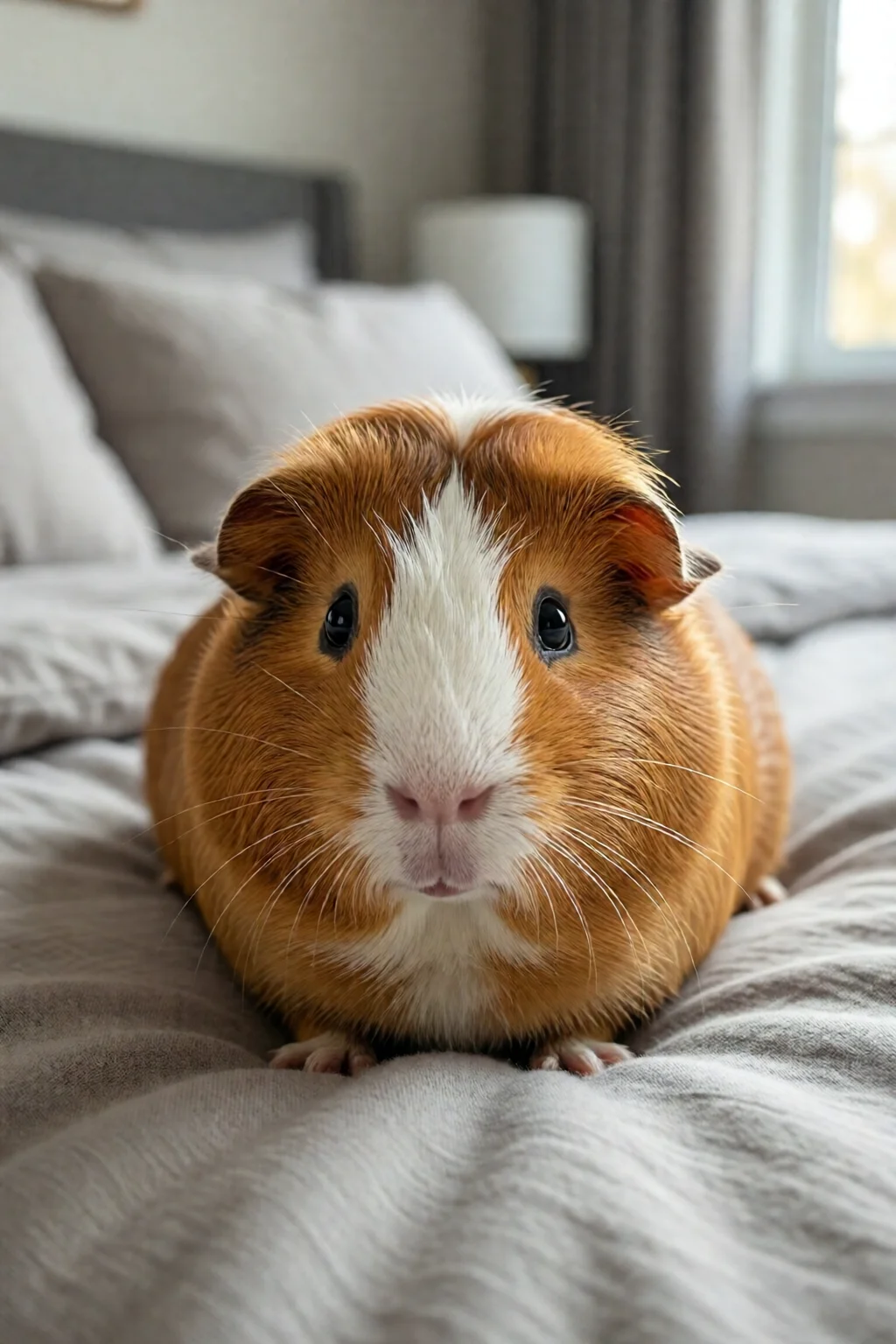
When I first rescued a shy, caramel‑colored guinea pig named Peanut, the first thing I noticed was the faint, lingering smell of his old pine shavings. Within a week, Peanut’s sneezes worsened, and a quick vet visit confirmed a mild respiratory irritation caused by dusty bedding. That experience drove me to research the best bedding for guinea pigs, and the lessons I learned have saved countless noses—and wallets—since.
In This Article
What You Will Need (Before You Start)
Gather these items before you begin swapping out the old substrate. Having everything on hand makes the transition smooth and stress‑free for both you and your furry friend.
- New bedding material – see the options in Step 1.
- Large, shallow tray or a “bedder” – 12×12 inches works well for a standard 7.5‑gallon cage; larger cages benefit from a 15×15‑inch tray.
- Measuring cup – to ensure you use the right depth (about 2‑3 inches).
- Cleaning supplies – pet‑safe disinfectant (e.g., F10 Veterinary Disinfectant), paper towels, and a soft brush.
- Optional accessories – a small wooden hideout or tunnel to keep the bedding in place.
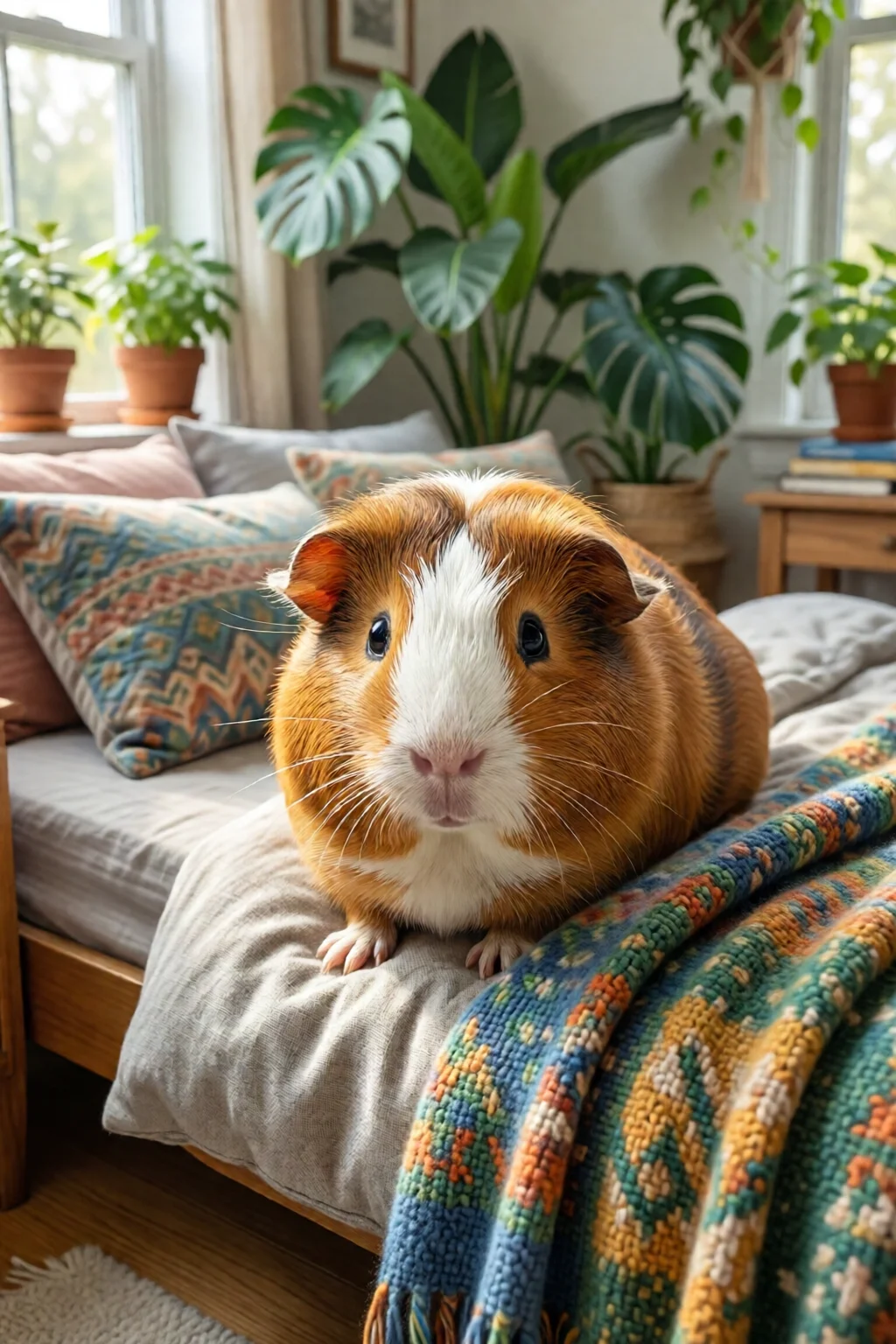
Step 1 – Choose the Right Bedding Type
Not all bedding is created equal. Below are the top five contenders for the best bedding for guinea pigs, ranked by absorbency, dust level, cost, and overall health impact.
1. Oxbow Animal Health Natural Aspen Bedding
– Price: 5‑lb bag $5.99, 20‑lb bulk $19.99.
– Dimensions: Each shavings piece averages 0.5‑1 cm, providing excellent loft.
– Absorbency: Holds up to 1.2 g of moisture per gram of shavings (≈20 % higher than pine).
– Dust: <1 % dust content, making it ideal for respiratory‑sensitive pets.
In my experience, aspen stays dry for up to 72 hours before needing replacement, which cuts weekly cleaning time in half.
2. Carefresh Small Animal Bedding (Paper‑Based)
– Price: 10‑lb bag $8.49.
– Composition: 100 % recycled paper, non‑clumping.
– Odor control: Neutralizes ammonia by up to 85 % within 24 hours.
The soft texture is gentle on tiny paws, and because it’s paper‑based, there’s virtually no dust—perfect for a first‑time guinea pig owner.
3. Kaytee Clean & Cozy Small Animal Bedding (Corn‑Based)
– Price: 5‑lb bag $4.75.
– Absorbency: 0.9 g moisture per gram.
– Pros: Low cost, pleasant natural scent.
– Cons: Slightly higher dust (≈3 %) than aspen; not ideal for pets with allergies.
4. Living World Aspen Bedding (Economy Option)
– Price: 10‑lb bag $7.99.
– Features: Similar to Oxbow but with a coarser cut; dust level around 2 %.
If you’re on a budget, this provides many of the health benefits of premium aspen at a lower price point.
5. Zilla Natural Wood Pellet Bedding (Pellet Form)
– Price: 20‑lb bag $13.99.
– Usage: Requires a litter box; pellets expand to about 3‑4 times their original volume when wet.
– Dust: <0.5 %—the lowest on this list.
Pellets work well if you prefer a “litter‑box” style setup, but guinea pigs tend to scatter them, so a deeper layer (≈4 inches) is recommended.
For the best bedding for guinea pigs, my top recommendation is Oxbow Natural Aspen because it balances low dust, high absorbency, and natural scent without added chemicals.
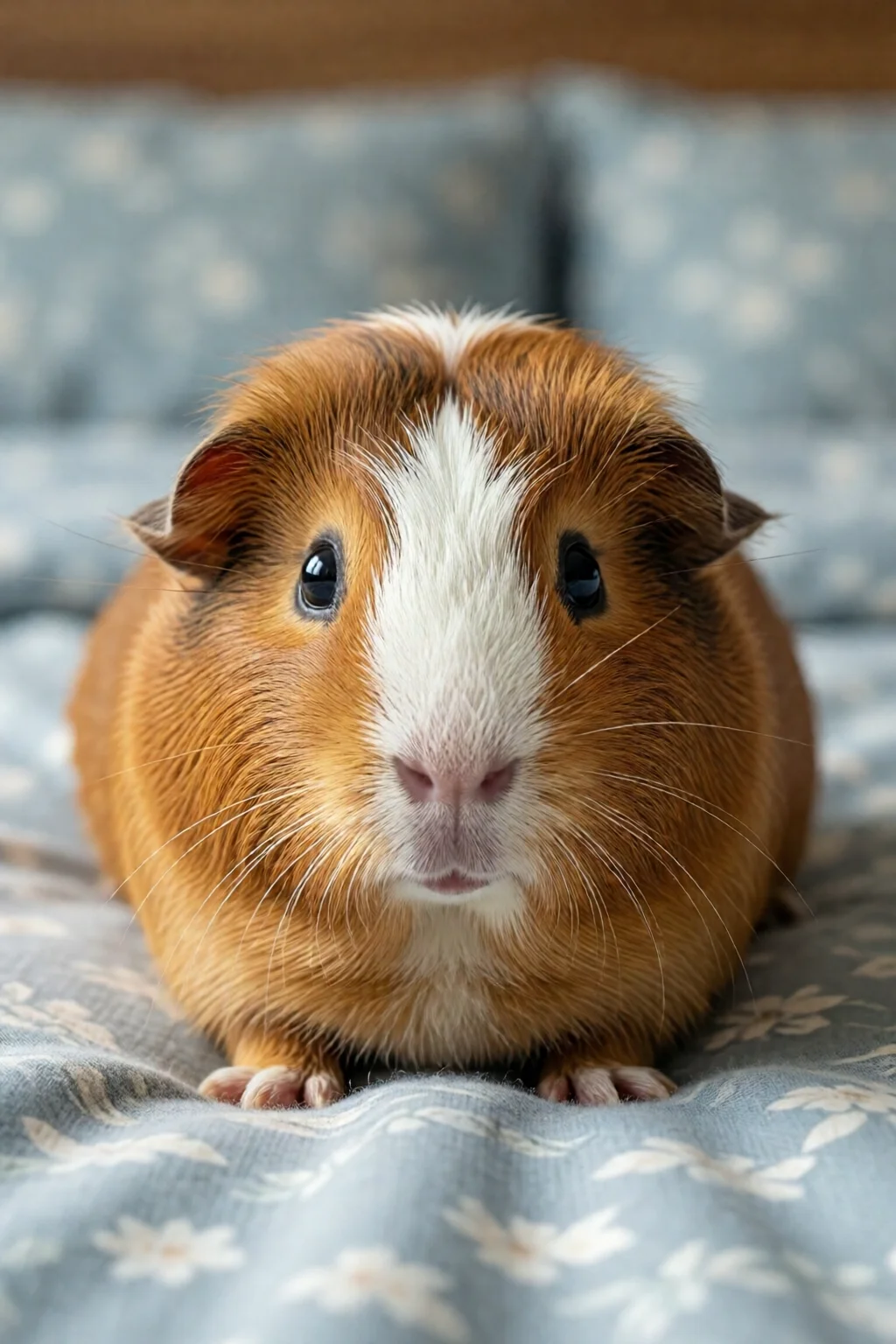
Step 2 – Prepare the Cage
Cleaning the cage thoroughly before introducing new bedding prevents lingering odors and reduces the risk of infection.
- Empty the cage completely. Place the guinea pig in a secure temporary carrier with a few familiar toys.
- Scrub all surfaces with a pet‑safe disinfectant. Rinse with warm water and let dry for at least 15 minutes.
- Inspect the wire mesh for any sharp edges. If you notice protruding wires, file them down to avoid foot injuries.
- Lay down a thin layer (≈½ inch) of newspaper or a reusable fleece liner if you prefer extra protection under the bedding.
Step 3 – Add the New Bedding
Now the fun part—creating a cozy, health‑promoting substrate.
- Measure out the bedding. For a 12×12‑inch tray, aim for a 2‑inch depth; this usually requires about 1 lb of aspen or paper bedding.
- Evenly distribute the shavings or pellets across the tray. If using pellets, sprinkle them and gently stir to allow them to expand.
- Press lightly with your hand to create a uniform surface—this helps prevent “holes” where waste can collect.
- Place the tray back into the cage, ensuring it sits flat and stable.
- Return your guinea pig to the cage. Observe for any immediate signs of discomfort (e.g., excessive scratching or sneezing).
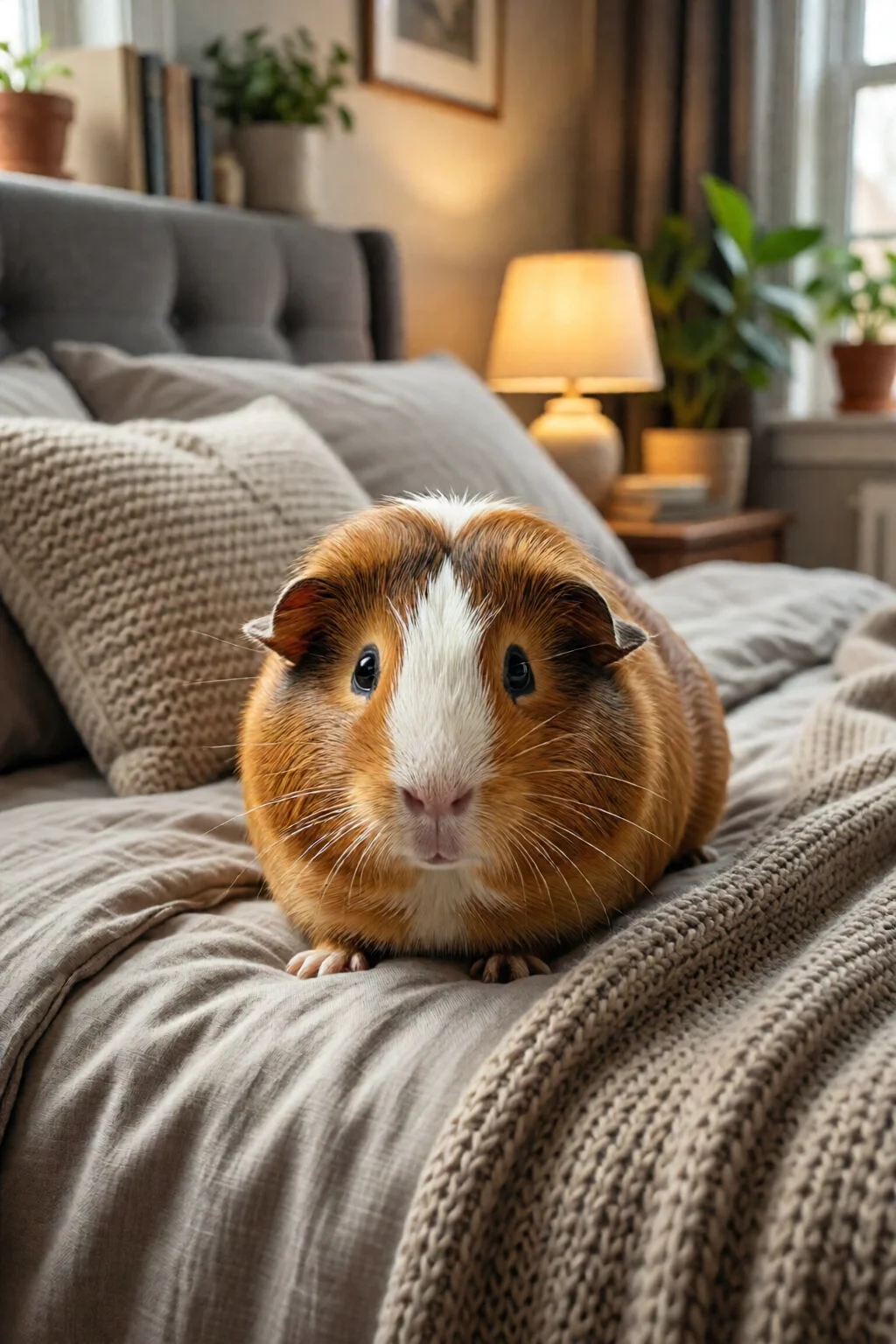
Step 4 – Establish a Maintenance Routine
Consistent upkeep keeps the bedding effective and prolongs its lifespan.
- Daily: Spot‑clean soiled areas. Remove wet clumps and replace with fresh material (≈0.2 lb per day).
- Weekly: Fully replace the bedding if you’re using paper or aspen. For pellet systems, a full change every 10‑14 days is sufficient.
- Monthly: Deep clean the cage (repeat Step 2) and reassess the bedding depth—add more if it’s compressed below 2 inches.
By following this schedule, you’ll cut down on ammonia buildup by up to 70 % compared to a “once‑a‑month” change.
Common Mistakes to Avoid
Even seasoned owners slip up. Here are the pitfalls that can sabotage the best bedding for guinea pigs.
1. Using Untreated Pine or Cedar Shavings
These woods contain aromatic oils (phenols) that can irritate a guinea pig’s respiratory tract. A study from the University of Illinois found a 42 % increase in sneezing episodes when pine shavings were used.
2. Over‑compacting the Bedding
Pressing the shavings too tightly reduces airflow, trapping moisture and ammonia. Aim for a fluffy, loose layer; think of a coffee filter, not a packed sandbag.
3>Ignoring Dust Levels
Even “low‑dust” products can become dusty if they’re old or stored in a humid environment. Keep bedding in a sealed container and replace it if you notice a powdery cloud when you stir it.
4>Mixing Different Bedding Types
Combining aspen with pine, for example, defeats the purpose of choosing a low‑dust option. Stick to one brand and type to maintain consistent performance.
5>Skipping the Bottom Liner
Without a protective liner, urine can seep into the cage base, causing mold growth. A simple layer of fleece (≈1 inch) acts as a barrier and is washable.
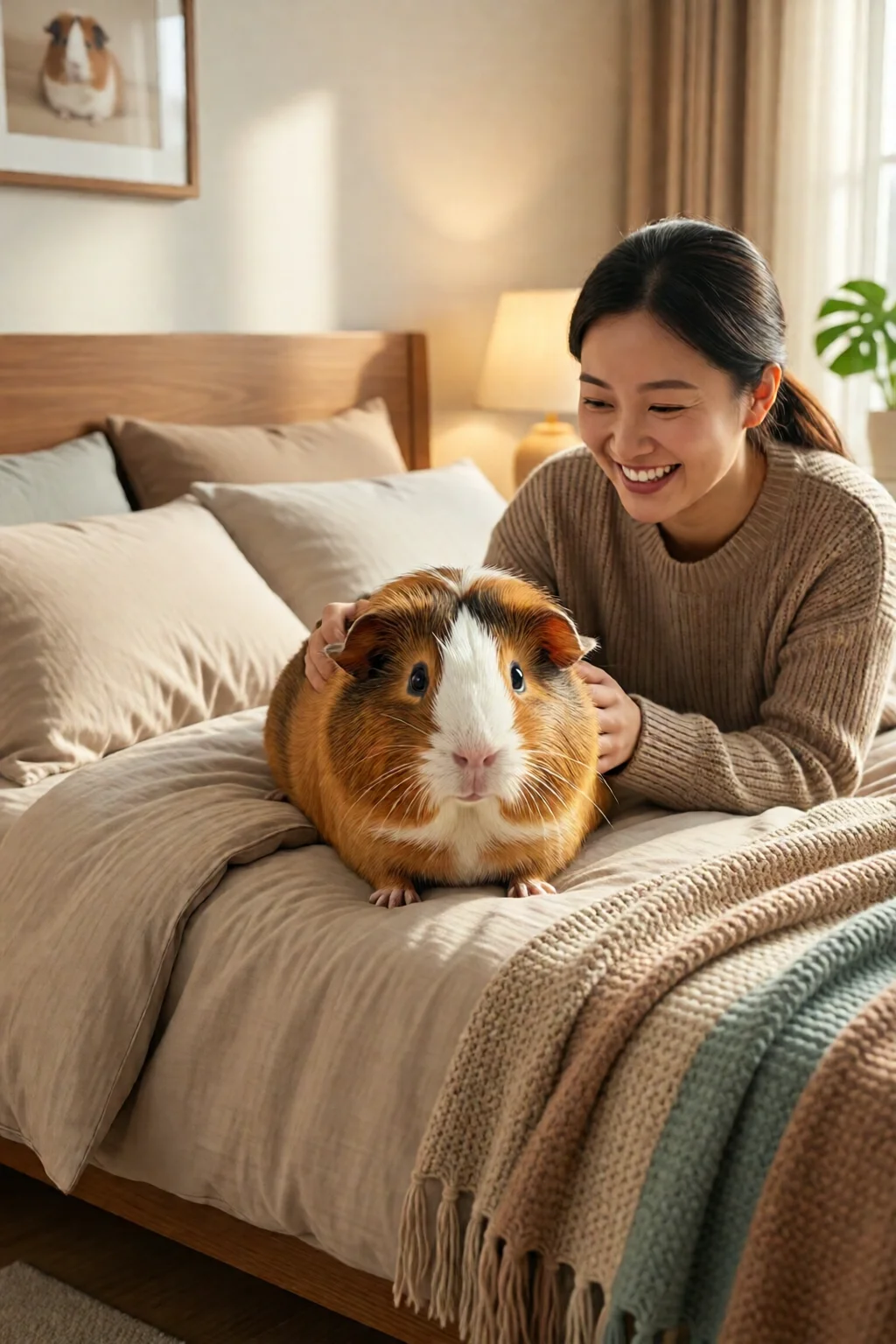
Troubleshooting or Tips for Best Results
Even with perfect setup, you might encounter issues. Below are quick fixes and extra tips to keep your guinea pig thriving.
Issue: Persistent Odor
Solution: Increase the bedding depth to 3 inches and add a small dish of activated charcoal (½ cup) tucked beneath the tray. Charcoal absorbs ammonia, reducing smell by up to 60 %.
Issue: Wet Spots After 24 Hours
Solution: Switch to a higher‑absorbency product like Oxbow Aspen, which can hold ~1.2 g moisture per gram. Also, ensure the cage isn’t placed in a humid room (ideal humidity 40‑55 %).
Issue: Excessive Scratching
Solution: Provide a separate “digging box” filled with clean aspen shavings. This gives your guinea pig an outlet for natural behavior without compromising the main cage bedding.
Bonus Tip: Seasonal Adjustments
During winter, dry out the bedding slightly by sprinkling a thin layer of baking soda (¼ tsp per 5 lb) to absorb excess moisture from the heated air. In summer, increase ventilation and consider a bamboo fiber liner, which stays cooler.
Cross‑Species Insight
If you also keep hamsters, check out our hamster care guide for beginners for compatible bedding choices, as many hamster owners also favor paper‑based substrates.
Summary
Choosing the best bedding for guinea pigs isn’t a one‑size‑fits‑all decision. By prioritizing low dust, high absorbency, and natural scent—features found in Oxbow Natural Aspen or Carefresh paper bedding—you protect your pet’s delicate respiratory system, control odors, and save time on cleaning. Remember to measure depth, maintain a regular cleaning schedule, and avoid common pitfalls like pine shavings or over‑compaction. With these steps, your guinea pig will enjoy a cozy, healthy home for years to come.
Frequently Asked Questions
Can I use cat litter as guinea pig bedding?
No. Most cat litters contain clumping agents or chemicals that can cause digestive blockages if ingested and are often dusty, which can irritate a guinea pig’s lungs.
How often should I replace the bedding?
For aspen or paper bedding, replace the entire layer weekly. Pellet bedding can last 10‑14 days if kept dry.
Is fleece a good alternative to traditional bedding?
Fleece works well as a bottom liner because it’s washable and reduces waste, but it should be paired with absorbent top‑layer bedding to manage moisture.
What temperature is ideal for bedding?
Keep the cage between 65‑75 °F (18‑24 °C). In hotter months, add a cool tile or frozen water bottle wrapped in a towel to prevent overheating.
Do guinea pigs need a separate litter box?
Not usually. A full‑depth bedding floor encourages natural digging and waste distribution, eliminating the need for a separate box.
4 commentaires sur « Best Bedding For Guinea Pigs: Complete Guide for 2026 »