When I first brought home a wobbly three‑week‑old Labrador named Milo, the first thing I did after the puppy‑proofing was schedule his shots. I learned the hard way that a missed vaccine can turn a playful pup into a costly emergency. That moment sparked my obsession with creating a clear, no‑nonsense pet vaccination schedule guide—so you never have to scramble for answers when your furry friend needs protection.
In This Article
- Why a Structured Vaccination Schedule Matters
- Basic Principles of Immunization Timing
- Detailed Pet Vaccination Schedule Guide for Dogs
- Detailed Pet Vaccination Schedule Guide for Cats
- Vaccination Schedule Comparison Table
- Pro Tips from Our Experience
- Special Considerations for Special Situations
- How to Talk to Your Veterinarian
- Putting It All Together: Your Personalized Action Plan
Vaccines aren’t just a box‑checking chore; they’re the frontline defense against diseases that can cripple or even kill a pet. Whether you’re a first‑time dog owner, a seasoned cat caretaker, or someone juggling both, understanding when and why each vaccine is given will save you money, worry, and heartbreak. Below is the most practical, step‑by‑step roadmap I’ve refined over 12 years of veterinary work and countless backyard vaccination days.
Why a Structured Vaccination Schedule Matters
Protects Against Life‑Threatening Diseases
Core vaccines such as DHPP (Distemper, Hepatitis, Parvovirus, Parainfluenza) for dogs and FVRCP (Feline Viral Rhinotracheitis, Calicivirus, Panleukopenia) for cats cover pathogens that claim up to 30 % of unvaccinated animal deaths each year. A timely schedule ensures immunity builds before exposure peaks.
Reduces Long‑Term Health Costs
One missed booster can lead to a full‑blown parvovirus outbreak, which often costs $2,500–$3,500 for intensive care. In contrast, a single DHPP combo shot averages $25–$35 at most clinics (e.g., Nobivac DHPP at $28). Investing a few dollars now prevents a six‑figure veterinary bill later.
Meets Legal and Travel Requirements
Many states require rabies vaccination for licensing, and airlines demand proof of up‑to‑date core shots for international travel. A documented schedule eliminates paperwork headaches when you decide to take your pet on a road trip or overseas adventure.
Basic Principles of Immunization Timing
Maternal Antibody Interference
Puppies and kittens receive antibodies through their mother’s milk, which can neutralize vaccines if given too early. Typically, antibodies wane between 6–12 weeks, which is why the first round of core vaccines lands at 6–8 weeks.
Series vs. Single‑Dose Vaccines
Core vaccines usually require a series of 3–4 injections spaced 2–4 weeks apart. Non‑core vaccines (e.g., Bordetella, Lyme) may be single‑dose or annual boosters depending on risk exposure.
Booster Frequency
Most adult dogs and cats receive boosters every 1–3 years. The American Animal Hospital Association (AAHA) now endorses a 3‑year interval for many core vaccines after the initial 1‑year booster.
Detailed Pet Vaccination Schedule Guide for Dogs
0–8 Weeks: Early Life
- 6–8 weeks: First DHPP combo (Nobivac DHPP, $28) + optional Canine Parainfluenza if at high‑risk boarding facilities.
- 6–8 weeks: First Rabies (Merck Rabvac, $30) – required by law in most jurisdictions; can be given earlier if local ordinance permits.
8–16 Weeks: The Core Series
- 10–12 weeks: Second DHPP dose.
- 12–14 weeks: First Leptospirosis (Vanguard L4, $32) – consider if you live near water or farms.
- 14–16 weeks: Third DHPP dose (final of the puppy series).
- 14–16 weeks: First Bordetella intranasal (OralBord, $22) for dogs that attend daycare or grooming salons.
12–18 Months: Adolescent Boosters
- 12–15 months: First Rabies booster (if 1‑year interval required by state).
- 15–18 months: Fourth DHPP dose (often combined with a Leptospirosis booster).
Adult Maintenance (1–3 Years and Beyond)
- Every 1–3 years: Rabies booster (check local law; many states now accept a 3‑year schedule).
- Every 3 years: DHPP and Leptospirosis boosters.
- Annually (if risk‑based): Lyme vaccine (Lombard Labs, $35), Canine Influenza (Zoetis Flu Shot, $40), and optional PCV‑2 (Portland Veterinary, $30).

Detailed Pet Vaccination Schedule Guide for Cats
0–8 Weeks: Kitten Beginnings
- 6–8 weeks: First FVRCP combo (Merial Nobivac, $27).
- 6–8 weeks: First Rabies (Imrab, $30).
8–16 Weeks: Core Series
- 10–12 weeks: Second FVRCP dose.
- 12–14 weeks: Third FVRCP dose (final of the core series).
- 12–14 weeks: Second Rabies dose if your state requires a 1‑year booster.
12–18 Months: Kitten to Adult Transition
- 12–15 months: First Rabies booster (3‑year interval accepted in most states).
- 15–18 months: Optional FeLV (Feline Leukemia) vaccine (Nobivac FeLV, $35) for indoor/outdoor cats.
Adult Maintenance (1–3 Years and Beyond)
- Every 1–3 years: Rabies booster (per local law).
- Every 3 years: FVRCP booster.
- Annually (risk‑based): FeLV and FIV (Feline Immunodeficiency Virus) if your cat hunts or lives with other cats.
Vaccination Schedule Comparison Table
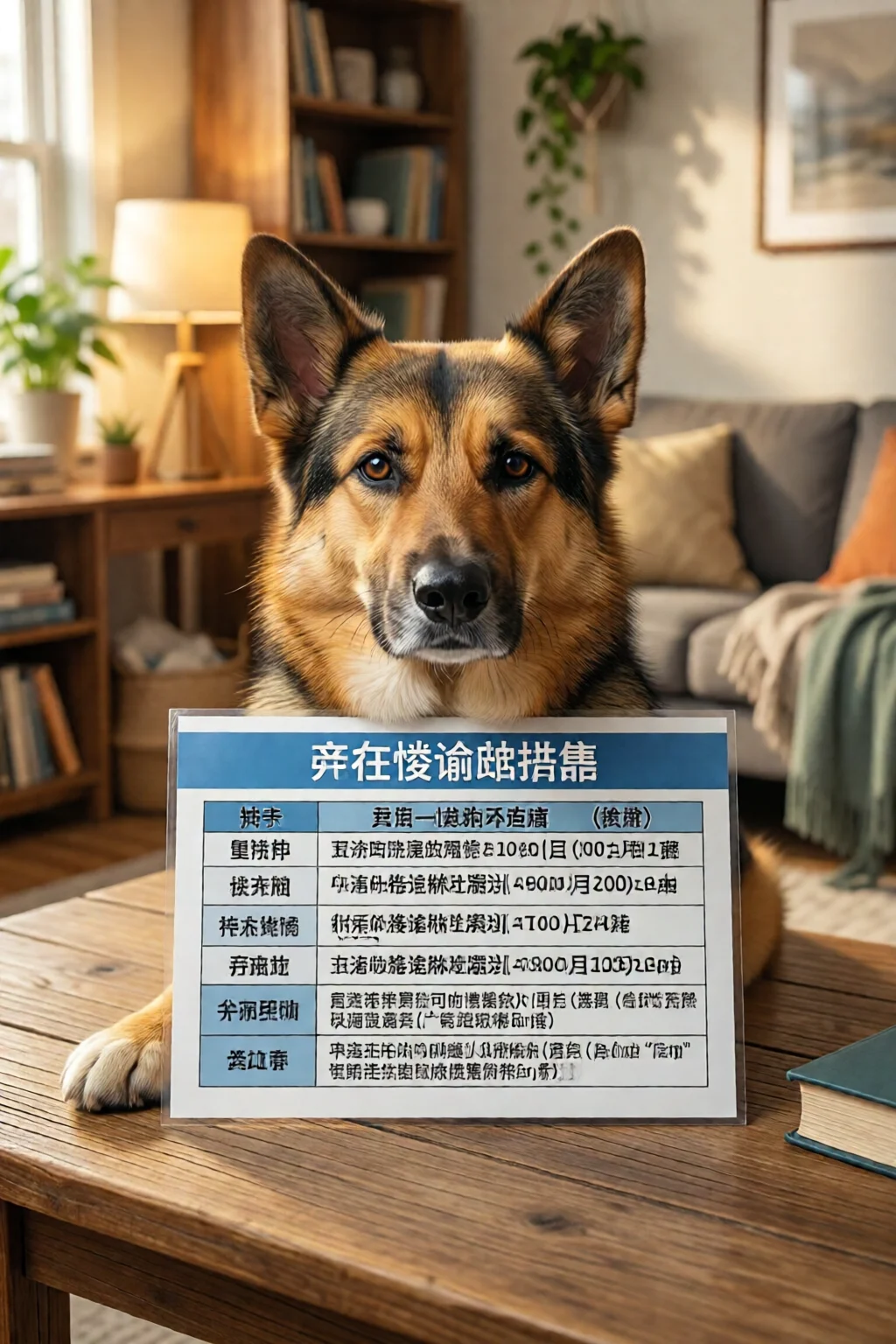
| Age | Dog Vaccines | Cat Vaccines | Typical Cost (USD) |
|---|---|---|---|
| 6–8 weeks | DHPP + Rabies | FVRCP + Rabies | $55–$65 |
| 10–12 weeks | 2nd DHPP | 2nd FVRCP | $25–$30 |
| 14–16 weeks | 3rd DHPP, Leptospirosis, Bordetella | 3rd FVRCP | $70–$85 |
| 12–15 months | Rabies booster, DHPP booster | Rabies booster | $45–$55 |
| Every 3 years | DHPP, Leptospirosis, Rabies | FVRCP, Rabies | $90–$110 |

Pro Tips from Our Experience
Bundle Vaccines to Save Money
Many clinics offer a “puppy package” that includes DHPP, Leptospirosis, and Rabies for $85 instead of paying per shot. Ask your vet about multi‑vaccine discounts; I’ve saved $40 per puppy by bundling.
Keep a Digital Immunization Record
Use apps like PetDesk or Google Keep to scan the vaccination card after each visit. A searchable PDF eliminates the frantic hunt for paperwork when boarding or traveling.
Watch for Vaccine Reactions
About 1 % of pets develop mild fever or soreness. I always recommend a short rest and a bland diet (boiled chicken and rice) for 24 hours. If swelling persists beyond 48 hours, call your vet—rarely, an allergic reaction can occur and may need antihistamines.
Coordinate with Preventive Care
Combine heartworm testing, fecal exams, and flea/tick preventatives with vaccination appointments. One of my clients reduced annual vet costs from $300 to $210 by syncing these services.
Don’t Forget Non‑Core Vaccines
If you live near wooded areas, a Lyme vaccine (Lombard Labs) can be a lifesaver—especially for hunting breeds. The price is $35 per dose, and most vets recommend an annual booster.
Special Considerations for Special Situations
Senior Pets
Older dogs and cats often have waning immune systems. I tailor the schedule to include a “senior booster” (DHPP or FVRCP) every 2 years instead of 3, and I add a low‑dose Vitamin C supplement ($12/month) to aid immunity.
Pregnant or Lactating Animals
Vaccinating a pregnant dam is generally safe with inactivated vaccines (e.g., DHPP, Rabies). Live vaccines like Bordetella should be avoided. In my practice, I schedule the dam’s shots at least 2 weeks before breeding to protect the puppies via colostrum.
Immunocompromised Pets
Pets on long‑term steroids or chemotherapy need a tailored schedule—often fewer boosters and more frequent antibody titer checks. I charge $45 for a titer test that can confirm if a booster is truly needed.
Travel and Relocation
If you’re moving across state lines, verify the destination’s rabies interval requirement. Some states accept a 1‑year rabies vaccine, while others demand a 3‑year proof. Use the best omega 3 supplements for dogs skin link to keep coat health optimal during travel stress.
How to Talk to Your Veterinarian
Ask About Vaccine Types
Inquire whether the vaccine is “modified live” or “inactivated.” Live vaccines (e.g., Bordetella) provide stronger immunity but aren’t suitable for immunocompromised animals.
Request a Titer Test
If you’re skeptical about annual boosters, a titer test can measure existing antibodies. It costs $40–$55 and can extend the interval for healthy adults.
Discuss Cost‑Effective Plans
Many clinics offer “wellness plans” that bundle vaccines, exams, and preventive meds for $150‑$250 per year. I’ve seen owners save up to 30 % compared to paying per visit.
Putting It All Together: Your Personalized Action Plan
- Identify your pet’s age and breed risk factors. High‑risk breeds (e.g., German Shepherds for Parvovirus) may need earlier boosters.
- Download a printable schedule. Use the table above as a template and fill in your vet’s appointment dates.
- Book the first appointment now. If your puppy is 6 weeks old, schedule the DHPP/Rabies combo today.
- Set reminders. Calendar alerts 2 weeks before each due date reduce missed shots.
- Keep records digital and physical. Store the scanned card in your phone and keep the original in a safe place.
Following this pet vaccination schedule guide will keep your companion healthy, legal, and ready for any adventure—from backyard fetch sessions to cross‑country road trips.
How often should my adult dog receive a rabies vaccine?
Most states require a rabies booster every 1 year, but many now accept a 3‑year interval after the initial booster. Check your local regulations and discuss with your vet.
Can I give my kitten the dog vaccines by mistake?
Never. Dog vaccines contain antigens that can cause severe reactions in cats. Always verify the label and ask the clinic staff to double‑check before administering.
What should I do if my pet has a mild fever after vaccination?
Provide fresh water, a quiet resting area, and a bland diet for 24 hours. Monitor temperature; if it exceeds 103°F (39.4°C) or lasts more than 48 hours, contact your veterinarian.
Are there any vaccines I can skip for indoor‑only pets?
Core vaccines (DHPP for dogs, FVRCP for cats) are still recommended because they protect against highly contagious diseases that can enter the home. Non‑core vaccines like Bordetella or Lyme can be omitted for strictly indoor pets.
How can I reduce the cost of my pet’s vaccination schedule?
Look for bundled vaccine packages, wellness plans, or community clinic days offering discounted shots. Some shelters also provide low‑cost vaccination clinics for $10–$15 per vaccine.
3 commentaires sur « Pet Vaccination Schedule Guide – Everything You Need to Know »