When I first noticed my 4‑year‑old Labrador, Max, constantly scratching his belly and developing dry patches, I thought it was just a seasonal itch. A quick trip to the vet confirmed a mild dermatitis, and the recommendation was simple: add a high‑quality omega‑3 supplement to his diet. Within six weeks, the flakes vanished, his coat turned glossy, and the endless scratching stopped. If you’re reading this, you’re probably hoping for the same transformation for your furry friend. Below you’ll learn how to pick the best omega 3 supplements for dogs skin, dose them correctly, and avoid the pitfalls that turn a promising solution into a wasted expense.
In This Article
- What You’ll Need Before You Start
- Step 1: Assess Your Dog’s Skin Health
- Step 2: Choose the Right Omega‑3 Formulation
- Step 3: Calculate the Correct Dosage
- Step 4: Introduce the Supplement Gradually
- Step 5: Monitor Results and Adjust
- Common Mistakes to Avoid
- Troubleshooting & Tips for Best Results
- Summary
What You’ll Need Before You Start
- A reputable omega‑3 supplement formulated specifically for dogs (or a high‑grade human product vetted by your vet).
- A digital kitchen scale or calibrated measuring spoon for precise dosing.
- Access to your dog’s recent blood work or a vet’s assessment of EPA/DHA needs.
- A notebook or phone app to track daily intake, coat condition, and any side effects.
- Patience – skin improvements typically take 4‑8 weeks of consistent feeding.
Step 1: Assess Your Dog’s Skin Health
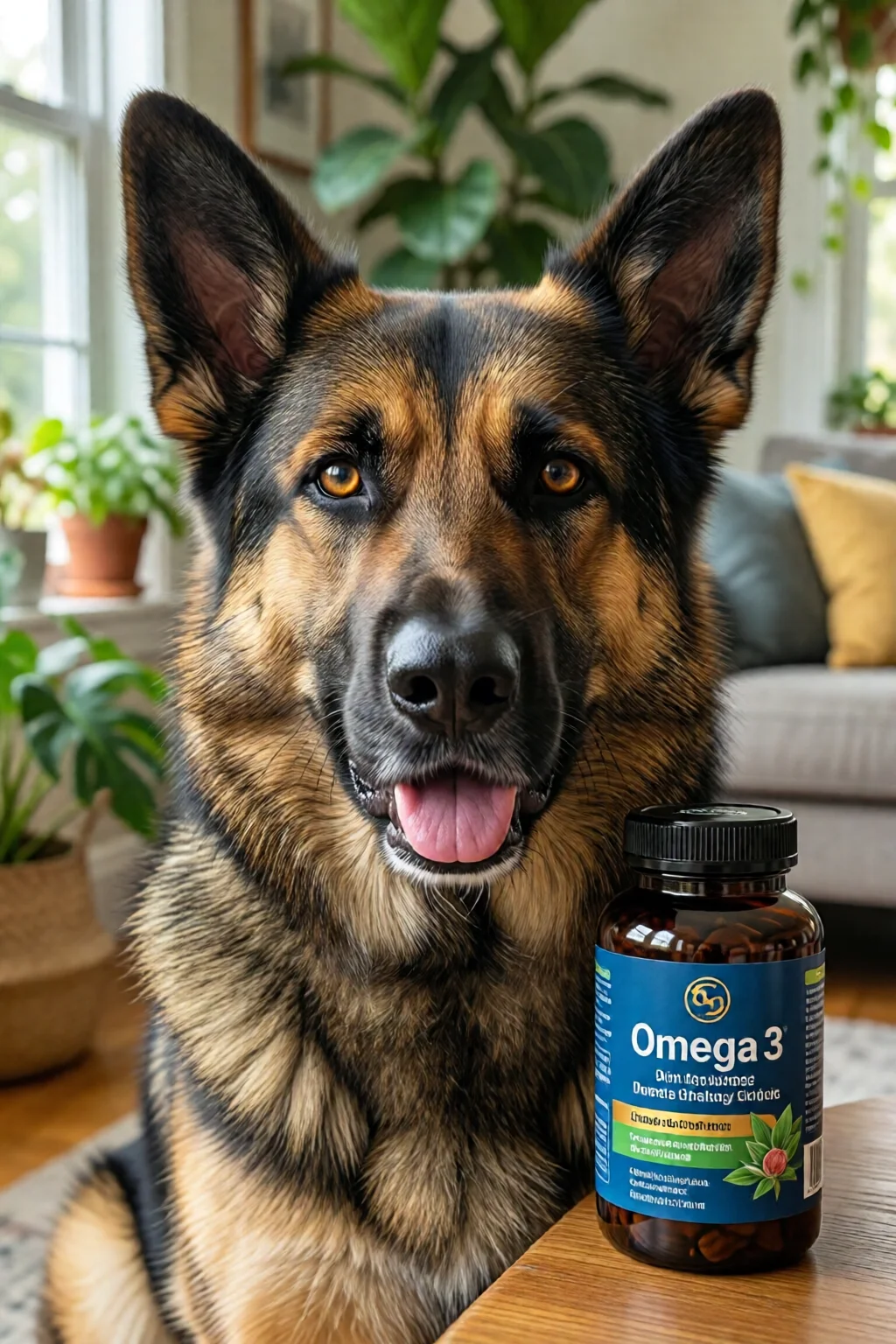
Before you reach for the bottle, understand the baseline. Look for redness, flaking, hair loss, or a dull coat. Document the location and severity on a simple chart: mild (a few patches), moderate (multiple areas), or severe (widespread). If your dog has an underlying allergy, infection, or hormonal issue, omega‑3 alone won’t solve it. A quick call to your veterinarian can confirm whether a supplement is appropriate or if you need a concurrent treatment plan.
In my experience, owners who skip this assessment often misattribute improvement to the supplement when it’s actually a change in environment or a seasonal shift. Taking a photo each week helps you see the real progress, not just the hope.
Step 2: Choose the Right Omega‑3 Formulation
Not all fish oils are created equal. The key metrics are EPA (eicosapentaenoic acid) and DHA (docosahexaenoic acid) concentrations, source purity, and added antioxidants to prevent oxidation.
Top Picks for Skin Health (2024 data)
- Nordic Naturals Omega‑3 Pet – 1000 mg EPA/DHA per 1‑ml serving, sourced from wild‑caught anchovies and sardines. Price: $28 for a 60‑ml bottle (≈$0.47 /ml). Certified by the International Fish Oil Standards (IFOS) with a 99% purity rating.
- Zesty Paws Dermatosis Skin & Coat – Soft chews delivering 300 mg EPA + 200 mg DHA per chew, plus vitamin E and kelp. Price: $19 for a 90‑chew bottle (≈$0.21 per chew). Vet‑recommended for dogs under 30 lb.
- Vetriscience Omega 3 – 500 mg EPA/DHA per 1‑ml dose, enriched with antioxidant blend (vitamin E, rosemary extract). Price: $22 for a 30‑ml bottle (≈$0.73 /ml). Comes with a calibrated dropper for easy dosing.
- Grizzly Salmon Oil – 1200 mg EPA/DHA per 2‑tsp (10 ml) serving, using sustainably harvested Alaskan salmon. Price: $25 for a 32‑oz (946 ml) bottle (≈$0.03 /ml). Ideal for large breeds needing higher EPA loads.
- Nutramax Welactin – 300 mg EPA/DHA per 0.75‑ml softgel, formulated with a patented “Lactoferrin‑Omega” complex. Price: $35 for a 120‑softgel bottle (≈$0.29 per softgel). Frequently prescribed for chronic dermatitis.
One mistake I see often is choosing a cheap “generic” fish oil that lists “fish oil” without EPA/DHA percentages. Those products may contain mostly triglycerides with negligible active omega‑3s, delivering nothing more than empty calories.
How to Verify Quality
- Check the label for EPA and DHA amounts per serving – aim for at least 200 mg combined EPA/DHA per 10 lb of body weight.
- Look for third‑party testing (IFOS, USP, or NSF). A batch number and QR code are good signs.
- Ensure the product is stored in dark, amber glass or opaque plastic to limit oxidation.
- If the supplement contains added flavors (e.g., salmon or chicken), confirm they’re natural and not artificial.

Step 3: Calculate the Correct Dosage
Veterinarians generally recommend 20‑55 mg of combined EPA/DHA per pound of body weight per day, depending on the severity of the skin condition. Here’s a quick calculator:
- Small dogs (under 20 lb): 400‑800 mg EPA/DHA daily.
- Medium dogs (20‑50 lb): 800‑1500 mg EPA/DHA daily.
- Large dogs (over 50 lb): 1500‑2500 mg EPA/DHA daily.
Example: Bella, a 35‑lb Border Collie, has moderate dermatitis. Using the mid‑range 35 mg/lb recommendation, she needs 1,225 mg EPA/DHA per day. A single serving of Nordic Naturals (1 ml = 1,000 mg) plus a half‑ml of Vetriscience (250 mg) would hit the target precisely.
Always round down if you’re unsure, then monitor for improvements. Over‑dosing rarely causes toxicity, but it can lead to gastrointestinal upset or a fishy odor in the breath.
Step 4: Introduce the Supplement Gradually
Start with half the calculated dose for the first three days. Mix the oil into a small amount of wet food, or give a chew with a treat. Observe for any vomiting, diarrhea, or increased itching. If all is well, increase to the full dose on day four. This titration helps your dog’s digestive system adapt to the extra fat.
For softgel or chew formats, crush the chew (if appropriate) and blend it into a spoonful of kibble. For liquid oils, use the calibrated dropper – 20 drops roughly equal 1 ml for most products.
Step 5: Monitor Results and Adjust
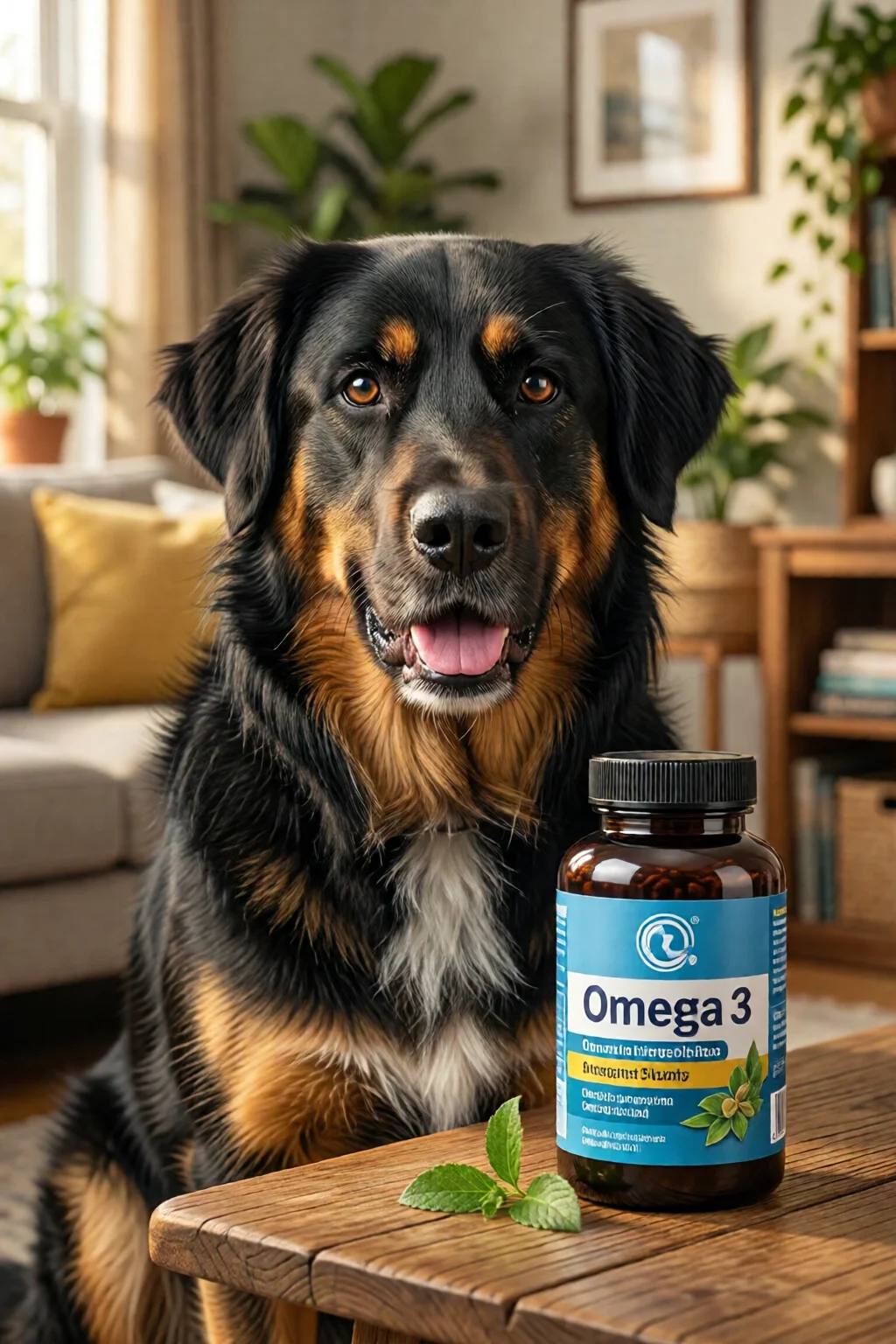
Keep a weekly log of coat shine, scratching frequency, and any skin lesions. Most owners notice a subtle improvement in 2–3 weeks, but a visible change in coat texture usually appears after 4–6 weeks. If after eight weeks you see no difference, consider these adjustments:
- Increase EPA/DHA by 10‑20% (still staying within the recommended range).
- Switch to a product with a higher EPA/DHA ratio, such as Grizzly Salmon Oil.
- Re‑evaluate diet – excess omega‑6 fatty acids (common in grain‑heavy foods) can antagonize omega‑3 benefits.
Remember, omega‑3 works best when paired with a balanced diet low in inflammatory omega‑6s. A quick read of our pet hydration tips water intake guide can also remind you that proper hydration supports skin health.
Common Mistakes to Avoid
- Skipping the vet check. Underlying conditions like hypothyroidism won’t respond to omega‑3 alone.
- Using human fish oil without checking for additives. Some human brands add vitamin A or herbal extracts that can be harmful in large doses for dogs.
- Ignoring expiration dates. Oxidized oil loses efficacy and can cause a rancid smell, leading to appetite loss.
- Inconsistent dosing. Skipping days resets the anti‑inflammatory cascade, delaying results.
- Feeding too much omega‑6. Diets high in corn, soy, or wheat oil counteract omega‑3 benefits. Switch to a limited‑ingredient kibble if needed.
Troubleshooting & Tips for Best Results
Coat still dull? Add a pinch of ground flaxseed (1 tsp per 20 lb) to boost plant‑based ALA, which the body can convert to EPA/DHA, albeit inefficiently. Combine with fish oil for a synergistic effect.
Dog refuses the taste? Freeze the oil in ice‑cube trays and serve a tiny cube as a “treat” after a walk. The cold texture masks the fishy flavor.
Stomach upset? Offer the supplement with a small amount of pumpkin puree (1 tbsp) to soothe the gut.
Persistent itching after 8 weeks? Re‑evaluate for flea allergy dermatitis or a food allergy. A diet trial with a novel protein might be necessary. For guidance, see our article on how to help a dog with separation anxiety – the stress component can exacerbate skin issues.
Budget concerns? Buying in bulk often saves money. Grizzly Salmon Oil’s 32‑oz bottle costs $25, which works out to less than $0.03 per ml – a fraction of the cost of chewables.

Summary
Choosing the best omega 3 supplements for dogs skin isn’t a one‑size‑fits‑all decision. It starts with a clear assessment of your dog’s condition, followed by selecting a high‑purity product, calculating an evidence‑based dose, and introducing it gradually. Track progress, avoid common pitfalls, and adjust as needed. With consistency, most dogs show a shinier coat, reduced itching, and overall healthier skin within two months.
How much omega‑3 should my dog get daily?
Most veterinarians recommend 20‑55 mg of combined EPA/DHA per pound of body weight. For a 30‑lb dog, that translates to roughly 600‑1,650 mg per day, depending on the severity of skin issues.
Can I give my dog human fish oil?
Yes, if the product lists EPA and DHA concentrations and has no added vitamins or herbs. However, a pet‑specific formula is often safer because it’s tested for contaminants and flavored for dogs.
How long before I see skin improvement?
Visible changes usually appear after 4‑6 weeks of consistent dosing, while subtle reductions in itching can start as early as 2 weeks.
Is it safe to combine omega‑3 with other supplements?
Generally, yes. Omega‑3 works well with glucosamine for joint health and with probiotics for gut balance. Avoid combining multiple high‑fat oils to prevent excess calories.
What should I do if my dog gets a fishy odor after taking omega‑3?
The odor is normal and usually fades within a day. If it persists, ensure the oil isn’t oxidized (check the smell; it should be fresh, not rancid) and consider a different brand.
3 commentaires sur « Best Omega 3 Supplements For Dogs Skin – Everything You Need to Know »