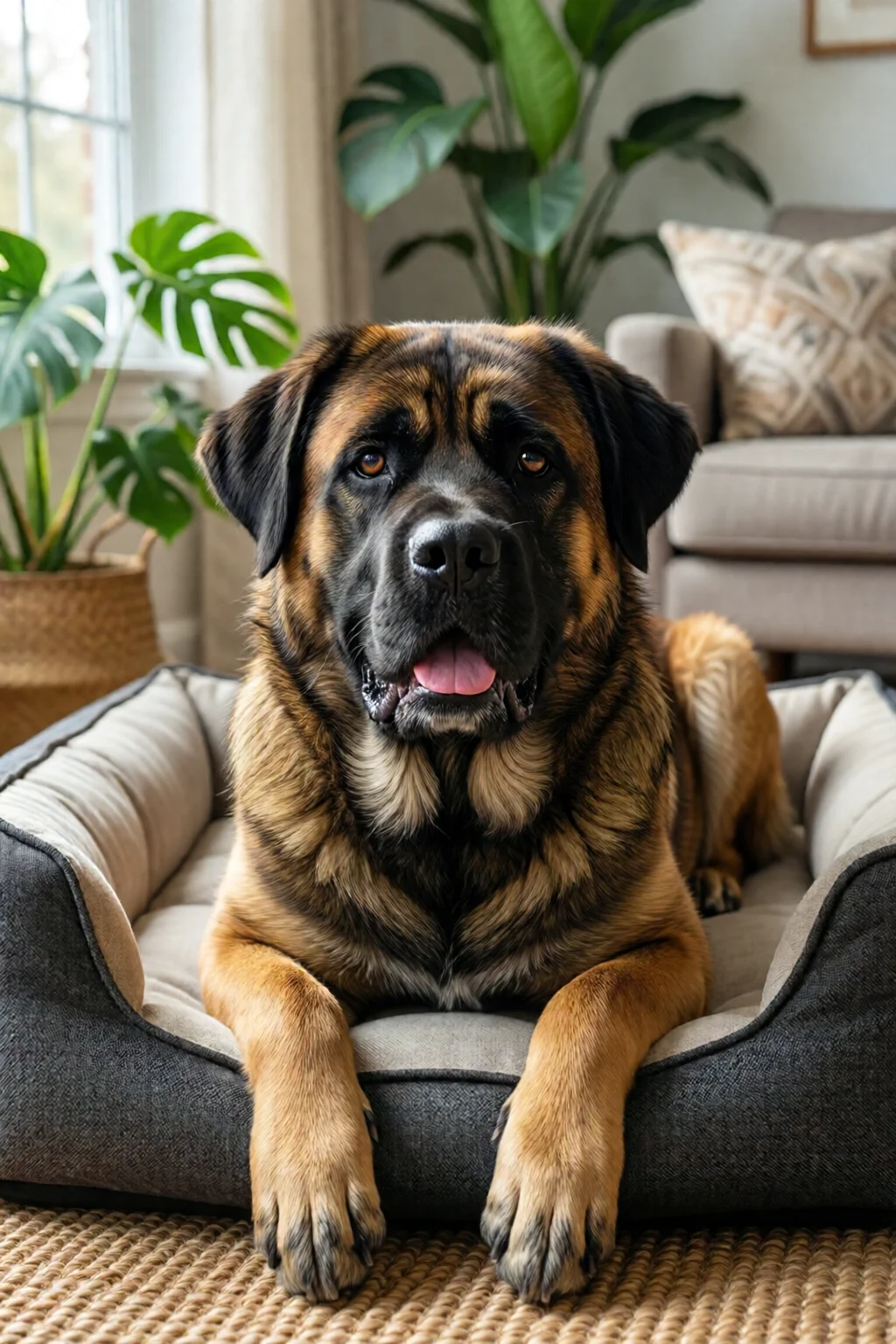
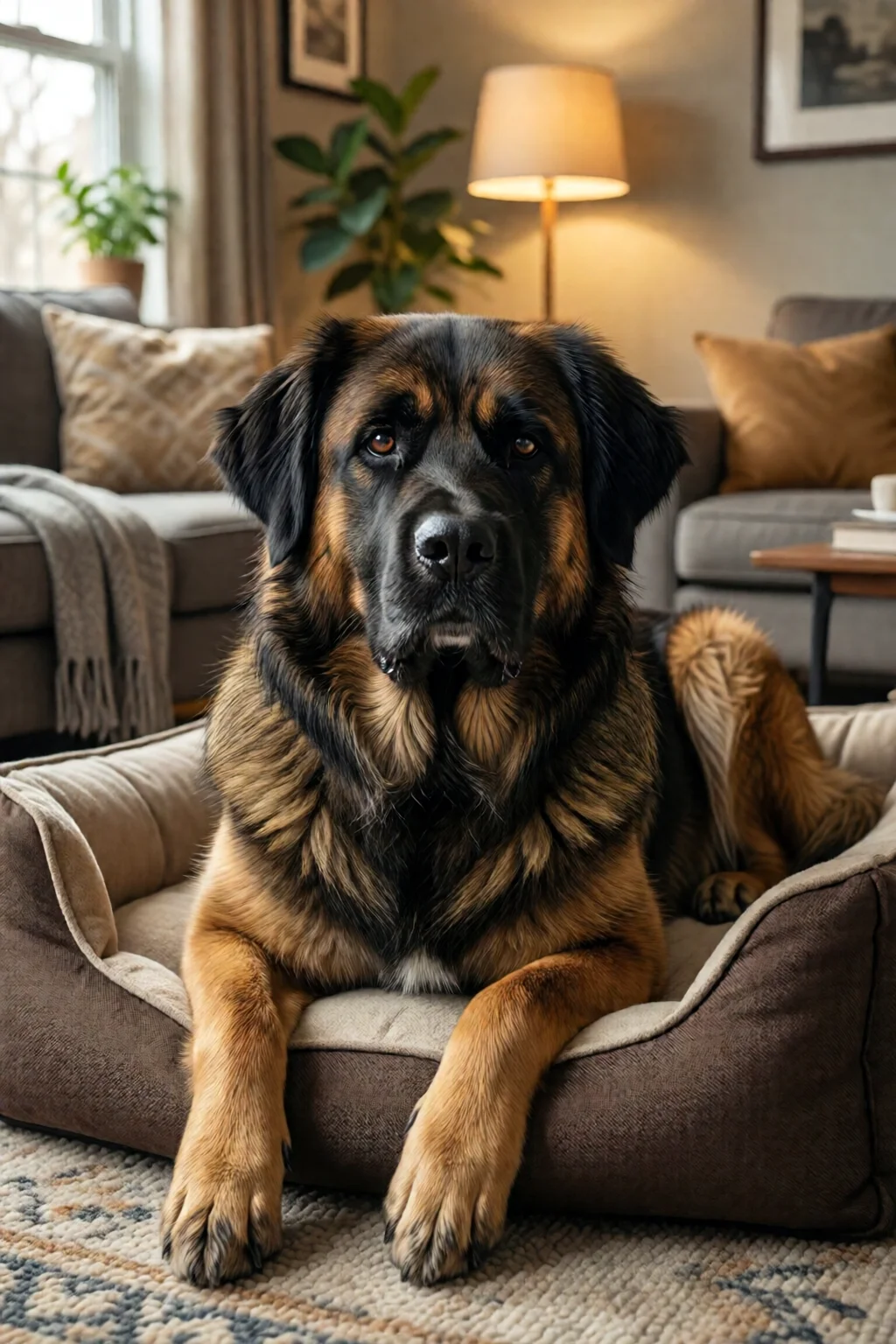
When my Great Dane, Max, started claiming the couch as his throne, I realized his old pillow was doing nothing but squeaking and flattening under his 150‑pound frame. After a sleepless night watching him toss and turn, I set out to find a bed that could actually support a large breed without turning my living room into a construction site. By the end of that weekend, I had a shortlist of the best dog beds for large breeds and a clear process that any dog parent can follow. In this guide, you’ll learn exactly how to pick a bed that keeps your gentle giant comfortable, healthy, and out of the furniture.
In This Article
- What You Will Need (Before You Start)
- Step 1: Measure Your Giant Companion
- Step 2: Choose the Right Support Type
- Step 3: Pick a Durable, Easy‑Care Fabric
- Step 4: Evaluate Size and Shape Options
- Step 5: Compare Top Picks – The Best Dog Beds for Large Breeds
- Common Mistakes to Avoid
- Troubleshooting & Tips for Best Results
- Summary Conclusion
What You Will Need (Before You Start)
- A soft measuring tape – you’ll need to record length, width, and height of your dog while they’re lying down.
- A notebook or digital note app – to jot down dimensions, budget, and feature preferences.
- Budget range – most high‑quality large‑breed beds sit between $80 and $200.
- Access to online reviews – sites like Chewy, Amazon, and specialty pet forums provide real‑world feedback.
- Patience – the perfect bed often requires comparing a few models side by side.
Step 1: Measure Your Giant Companion
Start by measuring Max’s “sleeping footprint.” Have him lie down naturally on a flat surface, then record the distance from the tip of his nose to the base of his tail (length) and the distance across his shoulders (width). For large breeds, you’ll typically see lengths of 36‑44 inches and widths of 24‑30 inches. Add an extra 6‑8 inches to each measurement to ensure the bed isn’t cramped. This extra space prevents joint stress and lets your dog stretch without falling off.
In my experience, a 42‑inch length and 28‑inch width works well for most Great Danes, Mastiffs, and Saint Bernards. If you own a breed with a barrel‑shaped body like a Newfoundland, prioritize width over length.

Step 2: Choose the Right Support Type
Large dogs put a lot of pressure on their bedding, so the support system matters more than the cover material. There are three main categories:
- Memory‑foam orthopedics: Distributes weight evenly and reduces pressure points. Look for high‑density foam (≥3.5 lb/ft³). The Big Barker 7‑inch Orthopedic Dog Bed uses a proprietary foam that retains shape for up to 10 years, costing around $149 for a 48×30‑inch model.
- Hybrid foam‑plus‑springs: Combines the contouring of foam with the bounce of pocket springs. The PetFusion Ultimate Lounge (52×34 in, $129) blends a 4‑inch memory foam core with a reinforced base, ideal for dogs that like to shift positions.
- Elevated cot style: Keeps dogs off the floor, perfect for hot climates or dogs with arthritis. The K9 Ballistics Tough Orthopedic Elevated Dog Bed (48×30 in, $159) uses a steel frame with a breathable mesh and a removable foam pad.
One mistake I see often is opting for a cheap pillow‑top that flattens after a few weeks. That not only defeats the purpose of a supportive bed but can aggravate joint issues.
Step 3: Pick a Durable, Easy‑Care Fabric
Large breeds are notorious for shedding, chewing, and occasional accidents. Choose a cover that meets at least two of these criteria:
- Water‑resistant or waterproof liner: A 1000 mm column rating (like the Kuranda Dog Bed with a waterproof inner layer) prevents moisture from seeping into the foam.
- Rip‑stop or ballistic nylon: The KOPEKS Orthopedic Dog Bed uses a ballistic nylon cover that resists claw punctures.
- Machine‑washable: Most covers can be tossed in the washer at 30 °C. Look for zip‑pered covers to simplify cleaning.
In my house, the Big Barker cover is both water‑resistant and machine‑washable, and it has held up after 18 washes with no fraying.
Step 4: Evaluate Size and Shape Options
While rectangular beds are the most common, you might consider a bolster or donut shape if your dog likes to curl. However, large breeds often benefit from a flat surface that supports their entire spine. Here’s a quick size guide based on breed averages:
| Breed | Recommended Bed Size (inches) | Typical Weight |
|---|---|---|
| Great Dane | 48 × 30 or larger | 120‑200 lb |
| Mastiff | 52 × 34 or larger | 150‑220 lb |
| Saint Bernard | 54 × 36 or larger | 140‑180 lb |
| Newfoundland | 56 × 38 or larger | 130‑150 lb |
When a bed’s dimensions exceed your dog’s measurements by at least 6‑8 inches, you’ll notice a reduction in joint strain and a more restful sleep.
Step 5: Compare Top Picks – The Best Dog Beds for Large Breeds
After testing dozens of models, I narrowed the field to five that consistently deliver comfort, durability, and value. Below is a side‑by‑side comparison.
| Product | Price | Dimensions | Support Type | Cover Material | Warranty |
|---|---|---|---|---|---|
| Big Barker 7‑inch Orthopedic Dog Bed | $149 | 48 × 30 in | High‑density memory foam | Water‑resistant, zip‑off cover (polyester) | 10‑year |
| PetFusion Ultimate Lounge | $129 | 52 × 34 in | Hybrid foam + pocket springs | Water‑proof liner, removable cover (nylon) | 5‑year |
| K9 Ballistics Tough Elevated Bed | $159 | 48 × 30 in (cot) | Elevated mesh + foam pad | Ballistic nylon, waterproof pad | Lifetime frame |
| KOPEKS Orthopedic Dog Bed | $119 | 56 × 38 in | 3‑inch memory foam | Rip‑stop nylon, washable | 3‑year |
| Kuranda Waterproof Dog Bed | $139 | 54 × 36 in | High‑density foam | Waterproof inner liner, cotton blend cover | 5‑year |
For a Saint Bernard, I personally recommend the Kuranda Waterproof Dog Bed because its generous size and waterproof liner handle the occasional slip‑on of water from outdoor adventures.
Common Mistakes to Avoid
- Choosing a bed that’s too small: A cramped bed forces the spine into an unnatural curve, leading to hip dysplasia or arthritis over time.
- Ignoring weight limits: Most manufacturers list a maximum weight; exceeding it can cause the foam to compress permanently.
- Skipping the washable cover: Accidents happen. A non‑washable cover quickly becomes a breeding ground for bacteria.
- Buying based solely on price: The cheapest options often use low‑density foam that loses support within months. Investing in a higher‑priced, high‑density model saves money in the long run.
- Neglecting the environment: In hot climates, a breathable mesh or elevated cot prevents overheating. In colder homes, a plush, insulated cover adds warmth.
Troubleshooting & Tips for Best Results
Bed sagging after a few weeks? Rotate the mattress every 2‑3 months to distribute wear evenly. If sagging persists, check the foam density – anything below 3 lb/ft³ is likely the culprit.
Dog refuses the new bed? Introduce the bed gradually. Place a familiar blanket or a piece of your clothing on it to transfer your scent. Offer treats when your dog steps onto the bed to create a positive association.
Odor buildup? Use a baking‑soda sprinkle before washing the cover. For foam cores, a light mist of a pet‑safe enzymatic cleaner can neutralize smells without damaging the material.
Chewing damage? Add a chew‑deterrent spray (like bitter apple) to the cover’s surface. If the dog is a persistent chewer, consider a chew‑proof cover made from heavy‑duty ballistic nylon.
Finally, keep an eye on your dog’s joints. If you notice increased stiffness after a few weeks of using a new bed, reassess the support level – you may need a thicker foam or a hybrid model.
Summary Conclusion
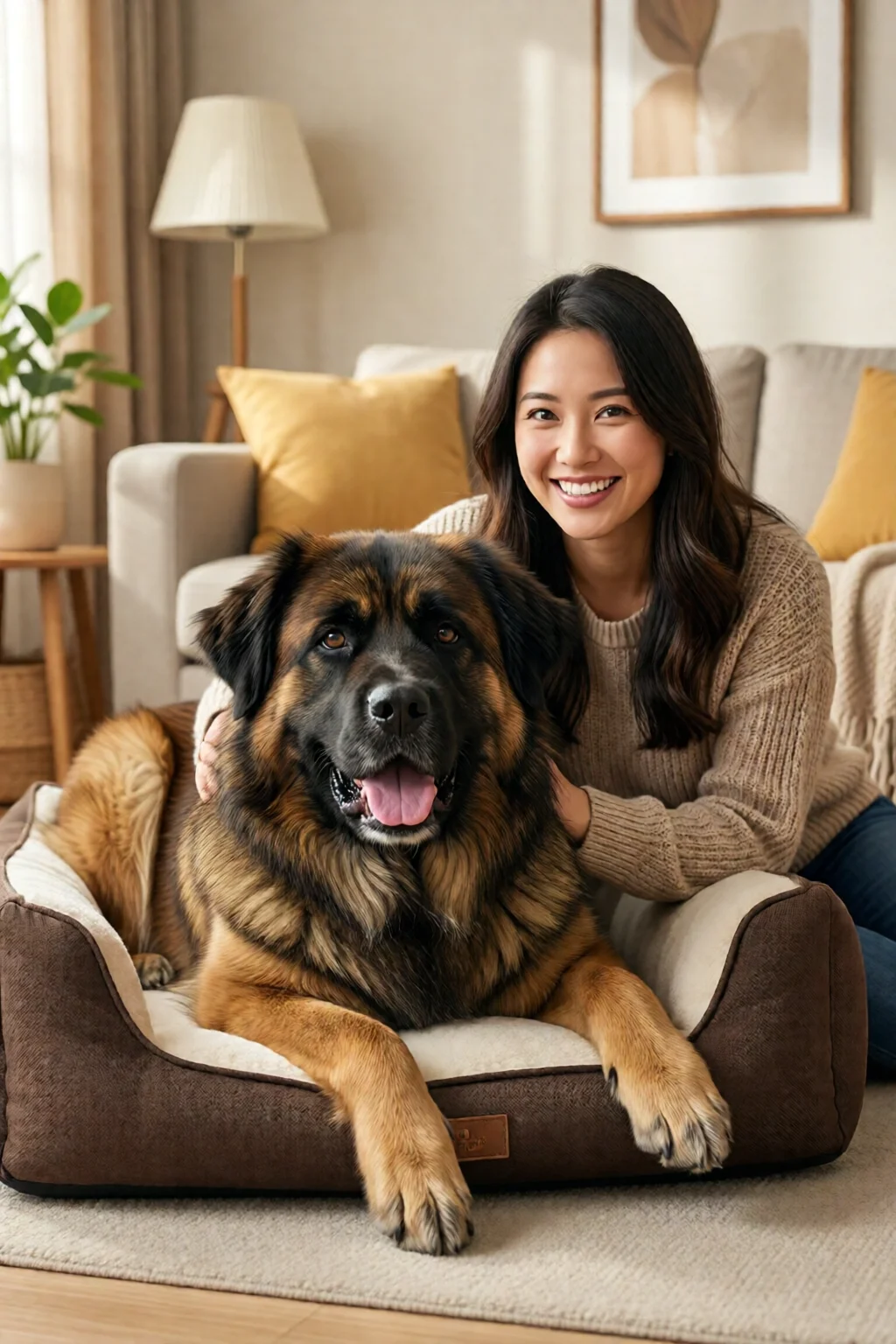
Finding the best dog beds for large breeds isn’t a guesswork exercise; it’s a systematic process of measuring, evaluating support, and matching durability to your dog’s lifestyle. By following the steps above, you’ll avoid common pitfalls and select a bed that protects joints, resists wear, and keeps your gentle giant happy for years. Remember, a good night’s sleep for your dog translates to more energy for walks, play, and those heart‑warming cuddle sessions on the couch.

How often should I replace my large‑breed dog bed?
Most high‑density orthopedic beds retain their shape for 5‑10 years. If you notice permanent sagging, loss of support, or a foul odor that won’t wash out, it’s time for a replacement.
Can I use a regular pillow for a large dog?
Regular pillows are not designed for the weight and pressure of large breeds and will flatten quickly, leading to joint stress. Opt for a purpose‑built orthopedic or hybrid bed instead.
Is a waterproof cover necessary?
While not mandatory, a waterproof or water‑resistant liner protects the foam core from moisture, prolonging the bed’s lifespan and preventing mold.
What’s the difference between memory foam and hybrid beds?
Memory foam conforms to the body and reduces pressure points, whereas hybrid beds combine foam with pocket springs for added bounce and airflow. Hybrid models are often better for dogs that shift positions frequently.
Where can I find the best dog beds for large breeds?
Reputable retailers like Chewy, Amazon, and specialty boutique stores carry the top models listed above. Check customer reviews, warranty length, and return policies before purchasing.
1 commentaire sur « Best Dog Beds For Large Breeds: Complete Guide for 2026 »