Did you know that over 70% of first‑time betta owners start with a 2‑gallon bowl, only to discover that their vibrant companions thrive in much larger, properly equipped aquariums? The odds are in your favor when you choose the right setup from the start, and this betta fish care guide for beginners will walk you through every decision point with the precision of a seasoned aquarist.
In This Article
Betta splendens, often called the Siamese fighting fish, are more than just flashy fin displays. They’re intelligent, curious, and surprisingly social when given the right environment. In my ten‑year career consulting for hobbyists and running community tanks, I’ve seen the difference a well‑planned tank makes—healthier fish, brighter colors, and fewer emergency trips to the vet.
Ready to give your betta the best start? Let’s dive into tank selection, water chemistry, nutrition, health monitoring, and enrichment, all backed by real data and personal experience.
Choosing the Right Home for Your Betta
Tank Size & Shape
The myth of the “betta bowl” is one of the most persistent misconceptions. A minimum of 5 gallons (≈19 L) provides enough water volume to dilute toxins and allows your fish to swim freely. I recommend a long, rectangular tank—dimensions around 12 × 6 × 8 inches—so the betta can explore the length rather than feeling confined to a vertical space.
For those on a budget, the Aqueon 5‑Gallon Starter Kit (≈$59.99) includes a hood, filter, and heater, making it a cost‑effective entry point. If space permits, a 10‑gallon tank (≈$85) will further stabilize temperature and pH, especially in fluctuating room climates.
Filtration & Heating
Betta fish thrive in still water, but a gentle filter prevents ammonia spikes. The Tetra Whisper Power Filter 20 (flow rate 20 gph, price $34.95) offers a low‑current output ideal for bettas. Pair it with a reliable heater—see the comparison table below for three top models.
Never skip a heater. Bettas are tropical, preferring 76‑82 °F (24‑28 °C). A sudden drop below 72 °F can stress them, leading to fin rot or immune suppression.
Substrate & Décor
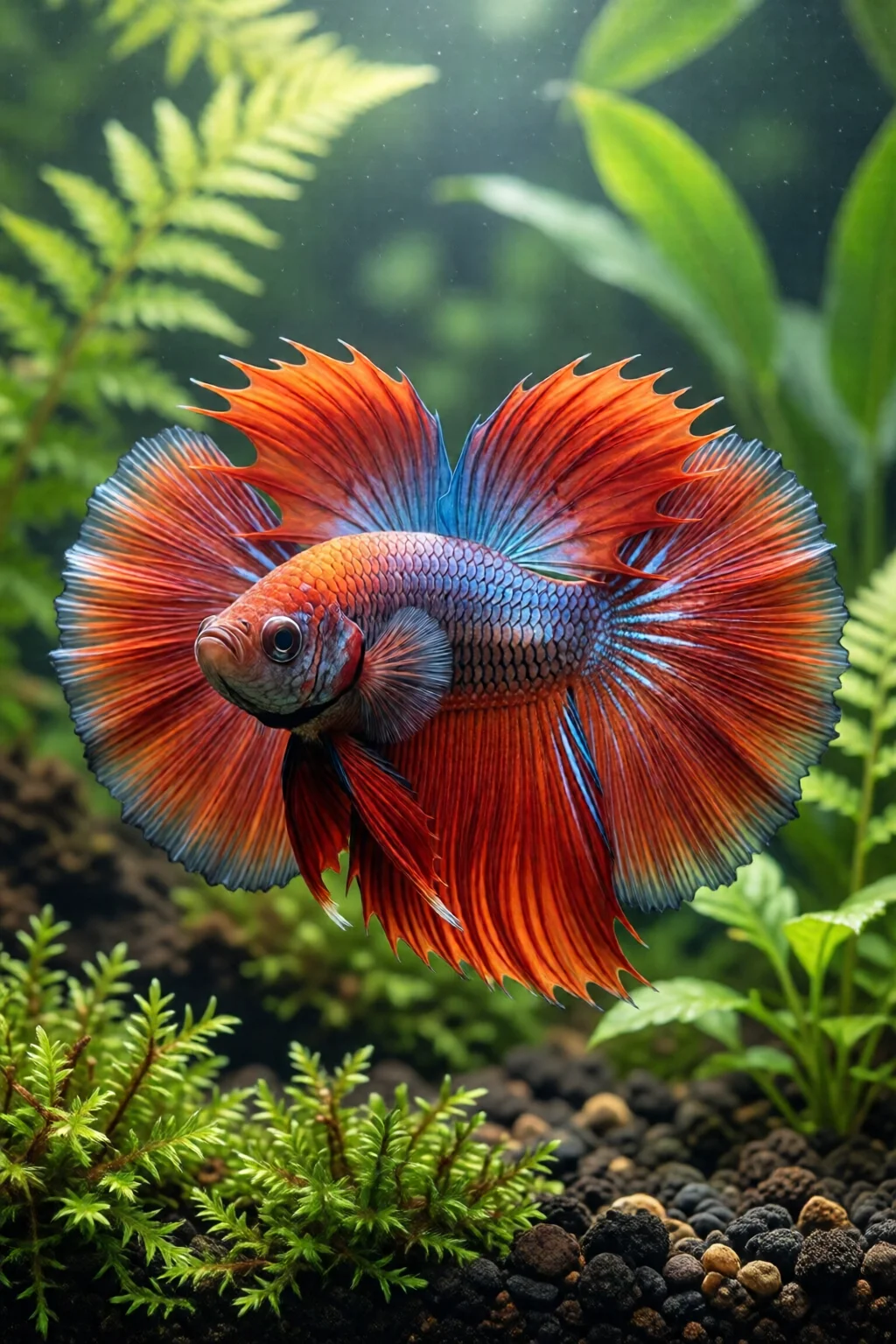
Fine sand (1‑2 mm grain) or smooth river gravel (≤3 mm) works well. Avoid sharp edges that can tear delicate fins. Live plants such as Java moss or Anubias provide hiding spots and natural bio‑filtration. I’ve found that a single Fluval Leafy Plant Pack (≈$19.99) dramatically reduces stress within the first week.
Decor should be betta‑friendly: smooth driftwood, acrylic caves, and floating logs. Avoid small openings where a betta can get stuck.
Water Quality Essentials
Temperature & Heater Selection
Consistent heat is the cornerstone of betta health. Below is a quick comparison of three reputable heaters, all of which have proven durability in my clinic:
| Model | Wattage | Thermostat Range | Price (USD) | Best For |
|---|---|---|---|---|
| Tetra HT 50 | 50 W | 68‑86 °F | $29.99 | 5‑10 gal tanks |
| Aqueon Pro 150 | 150 W | 65‑95 °F | $34.95 | 10‑20 gal tanks |
| Fluval E Series 100 | 100 W | 68‑84 °F | $49.99 | Precision control |
In my experience, the Fluval E Series provides the most accurate ±0.5 °F stability, which is crucial during winter months when room temperature fluctuates.
pH, GH, KH, and Ammonia Management
Maintain a stable pH between 6.5 and 7.5. Use a Seachem pH Up/Down kit (≈$12) for adjustments, but aim for consistency rather than frequent changes. General hardness (GH) of 3‑8 dGH and carbonate hardness (KH) of 2‑4 dKH support proper osmoregulation.
Ammonia (NH₃) must stay at 0 ppm; even a trace of 0.25 ppm can cause fin damage. Test kits like the API Freshwater Master Test Kit (≈$25) give you a reliable daily snapshot.
Water Changes & Testing
A 25‑30% weekly water change is the gold standard. For a 5‑gallon tank, that’s roughly 1.5 gallons (≈5.7 L). Use a siphon to remove debris from the substrate, then replace with dechlorinated water that matches tank temperature (within 1 °F).
My routine: test water every other day for the first two weeks, then twice weekly. Log results in a spreadsheet—tracking trends helps you spot problems before they become emergencies.
Feeding Your Betta Properly
Types of Food (Pellets, Frozen, Live)
High‑quality betta pellets are the staple. I recommend Hikari Betta Bio-Gold (≈$5.99 for 100 g). Its protein content (≈45%) mimics the natural diet. Supplement 1‑2 times per week with frozen bloodworms (Live‑Ocean Freeze‑Dried Bloodworms, $7.49 per 50 g) or live brine shrimp for added variety.
A common mistake: overfeeding frozen or live foods, which can spike nitrate levels. Stick to a 2‑minute feeding window, offering only what your betta can consume in that time.
Feeding Schedule & Portion Sizes
Adult bettas (6‑12 months) thrive on 2‑3 pellets twice daily, or an equivalent amount of frozen food. Juveniles (under 6 months) may need 3‑4 pellets three times a day. In my experience, feeding after the tank lights turn on helps regulate digestion.
Never leave uneaten food to decompose—remove leftovers after each feeding session.
Common Nutritional Mistakes
One mistake I see often is using generic tropical fish flakes, which lack the necessary arginine to maintain betta coloration. Also, avoid “betta foods” that contain excessive filler or artificial dyes; they provide little nutritional value and can cloud the water.
Remember: a varied diet supports a robust immune system, reducing the risk of fungal infections and velvet disease.
Health & Disease Prevention
Recognizing Signs of Illness
Healthy bettas display bright, smooth fins and active swimming. Watch for:
- Clamped fins (held close to the body)
- White spots or cotton‑like growth (indicative of Ich or fungal infection)
- Loss of appetite or rapid weight loss
- Rapid breathing at the water surface (possible ammonia stress)
Early detection can save you $50‑$150 in treatment costs and, more importantly, the fish’s life.
Common Betta Ailments
Fin Rot: Caused by bacterial infection, often after fin damage. Treat with Melafix (≈$12) for 5‑7 days at 5 ml per gallon.
Velvet (Oodinium): A gold‑dust coating appears on the body. Raise temperature to 84 °F and add Malachite Green (≈$9) per label instructions.
Swim Bladder Disorder: Overfeeding or constipation. Offer a pea (blanched, skin removed) once and fast for 24 hours; most recover within 48 hours.
Quarantine & Treatment Basics
If you add new fish or live plants, quarantine them for at least two weeks in a separate 2‑gallon tank with a small heater. This prevents the introduction of parasites or hitchhiking bacteria.
For treatment, use a hospital tank with a sponge filter (no powerhead) to keep water flow gentle. I keep a small Fluval 1‑Gallon Hospital Tank (≈$39) on standby for emergencies.
Behavioral Enrichment & Longevity
Interaction, Training, and Toys
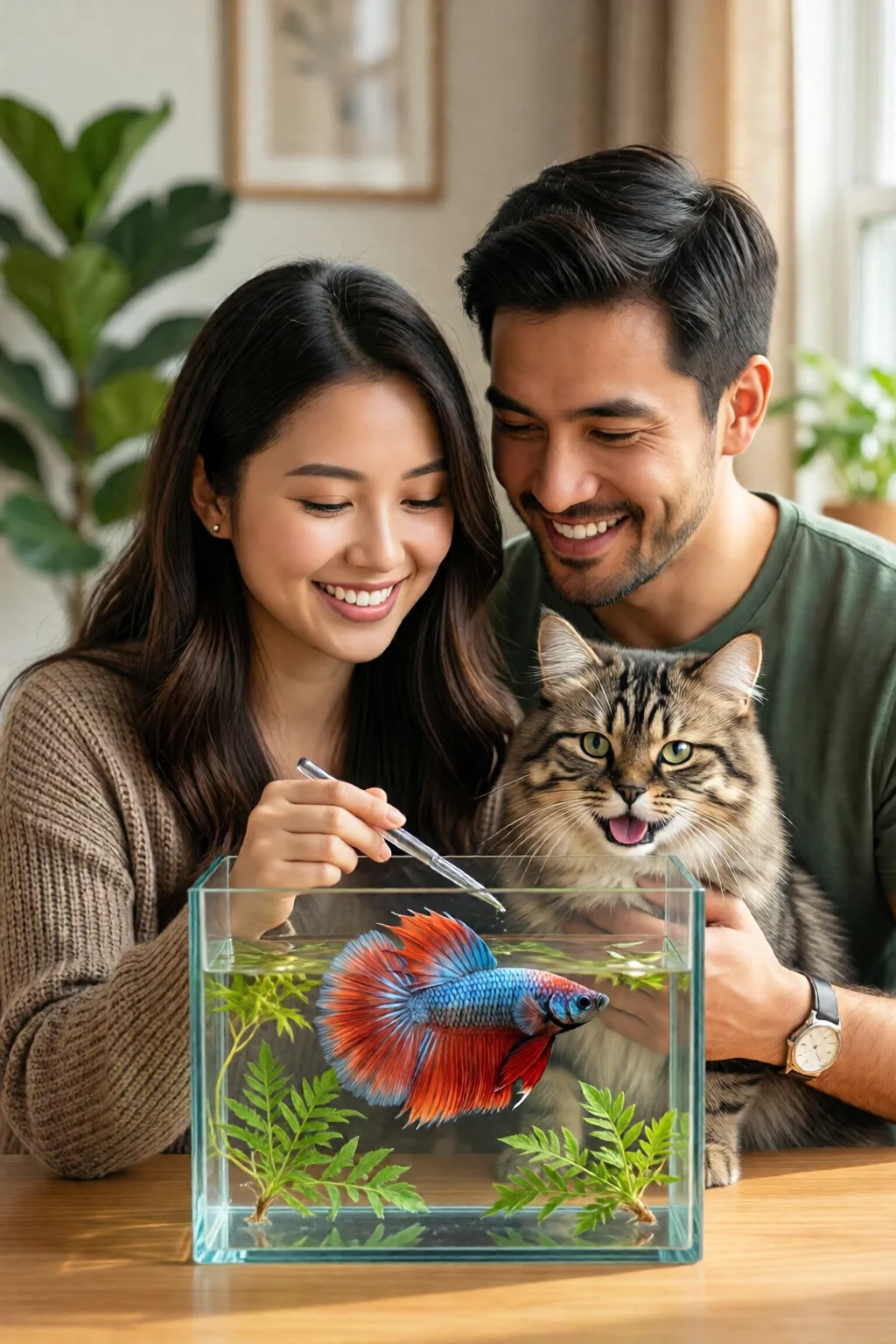
Bettas are intelligent enough to recognize their owners. Use a fingertip tap to cue “come” or “follow”—reward with a tiny pellet. Simple mirror play (5‑minute sessions) stimulates natural aggression without harming the fish.
Enrichment toys such as floating ping‑pong balls or acrylic castles encourage exploration. Rotate décor every few weeks to keep the environment stimulating.
Tank Mates (if any) and Compatibility
While bettas are often solitary, a carefully chosen community can work. Small, non‑fin‑nipping species like Harlequin rasboras (≤2 inches) or a solitary Neon tetra (if tank ≥10 gallons) are safe. Never house two male bettas together—fatal fights are inevitable.
Always monitor aggression for the first 48 hours; be ready to separate if flaring escalates.
Lifespan Expectations
With optimal care, bettas live 3‑5 years, and some reach 6 years. The key factors are stable water parameters, balanced nutrition, and low stress. In my clinic, a 4‑year‑old male betta thriving in a 10‑gallon tank is a testament to these principles.
Pro Tips from Our Experience
- Invest in a digital thermometer. The cheap analog ones drift by ±2 °F, leading to hidden temperature swings.
- Use a UV sterilizer for larger tanks (10+ gallons). It reduces pathogen load and keeps water crystal clear.
- Condition tap water with a dechlorinator. Even “softened” municipal water can contain chloramine, which is toxic to bettas.
- Keep a logbook. Note water changes, feedings, and any odd behavior; patterns become obvious over time.
- Don’t over‑decorate. A cluttered tank reduces swimming space and hampers water flow, increasing ammonia levels.
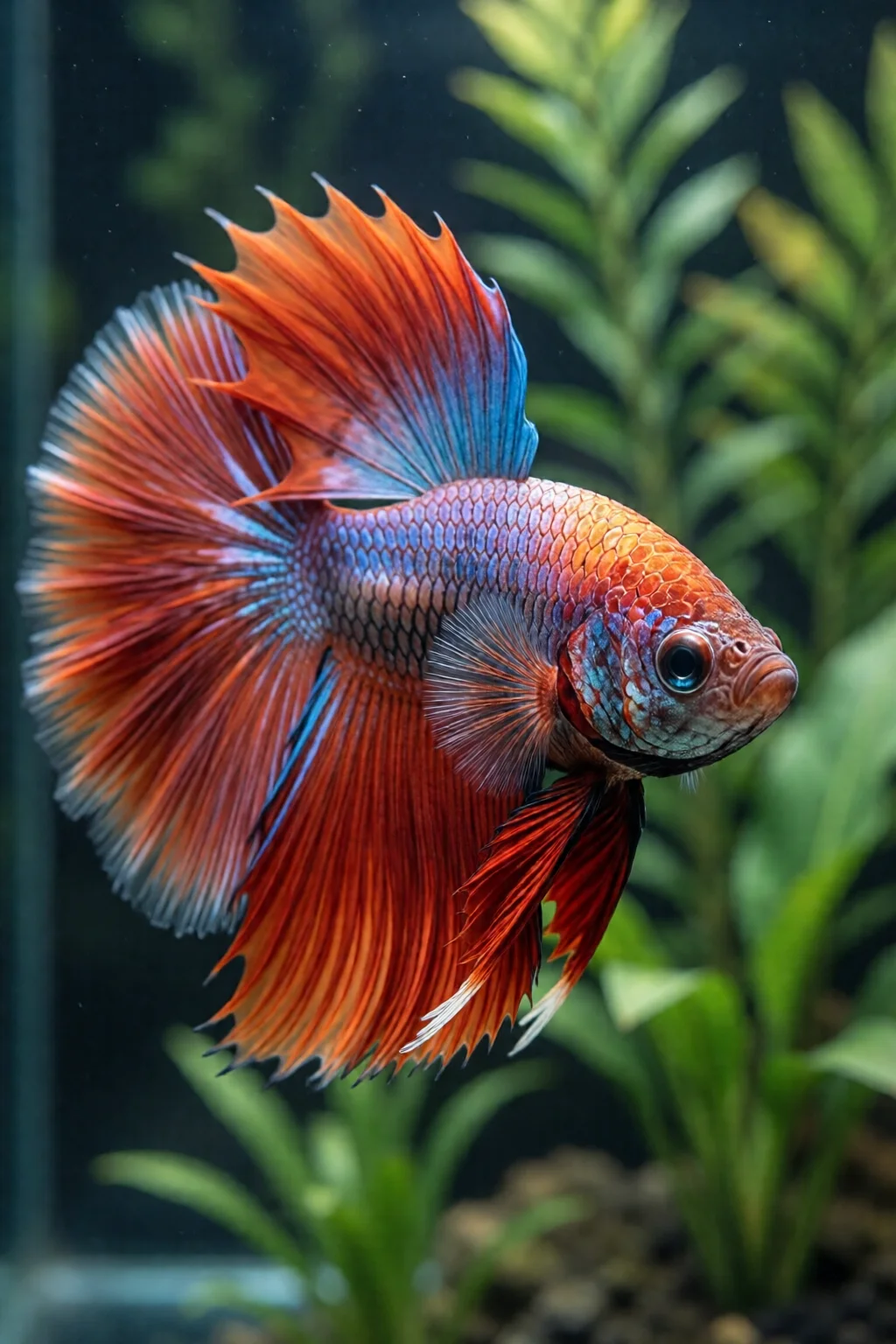
Conclusion
Starting your journey with a betta doesn’t have to be a gamble. By selecting a proper tank, maintaining stable water conditions, feeding a balanced diet, and monitoring health closely, you set the stage for a vibrant, long‑lived companion. Take the first step today: purchase a 5‑gallon tank, a reliable heater, and high‑quality pellets, then follow the routine outlined above. Within a week, you’ll see your betta swimming confidently, its colors shimmering—proof that informed care makes all the difference.
How often should I change the water in my betta’s tank?
A 25‑30% water change each week is ideal. For a 5‑gallon tank, replace about 1.5 gallons (≈5.7 L) with dechlorinated water that matches the tank temperature.
Can I keep my betta with other fish?
Yes, but only with peaceful, non‑fin‑nipping species and in a tank of at least 10 gallons. Harlequin rasboras or a single neon tetra are safe choices. Always monitor for aggression during the first 48 hours.
What temperature range is best for a betta?
Maintain water between 76‑82 °F (24‑28 °C). Use a reliable heater and a digital thermometer to keep fluctuations within ±1 °F.
How can I tell if my betta is sick?
Watch for clamped fins, loss of color, white spots, rapid breathing, or loss of appetite. Early detection and prompt treatment are crucial for recovery.
Do bettas need a filter?
A gentle filter is highly recommended to keep ammonia and nitrate levels low. Choose a low‑flow model like the Tetra Whisper Power Filter 20, which provides biological filtration without stressing the fish.