Ever wondered why a tiny, chirping budgie can fill a whole room with personality, yet many first‑time owners feel overwhelmed by the basics?
In This Article
- 1. Pick the Perfect Cage – Size, Shape, and Safety
- 2. Master the Budgie Diet – Seeds, Pellets, Fresh Foods
- 3. Water, Bathing, and Hygiene Essentials
- 4. Socialization, Handling, and Mental Enrichment
- 5. Health Monitoring – Spotting Trouble Early
- 6. Seasonal Care – Adjusting for Temperature and Light
- 7. Setting Up the Ideal Habitat – Layout, Perches, and Cleanliness
- Comparison Table – Must‑Have Gear for Budgie Beginners
- Final Verdict – Is a Budgie Right for You?
Welcome to the ultimate budgie parakeet care guide for beginners. In the next few minutes you’ll walk away with a clear checklist, real‑world product recommendations, and the confidence to give your feathered friend a happy, healthy life.
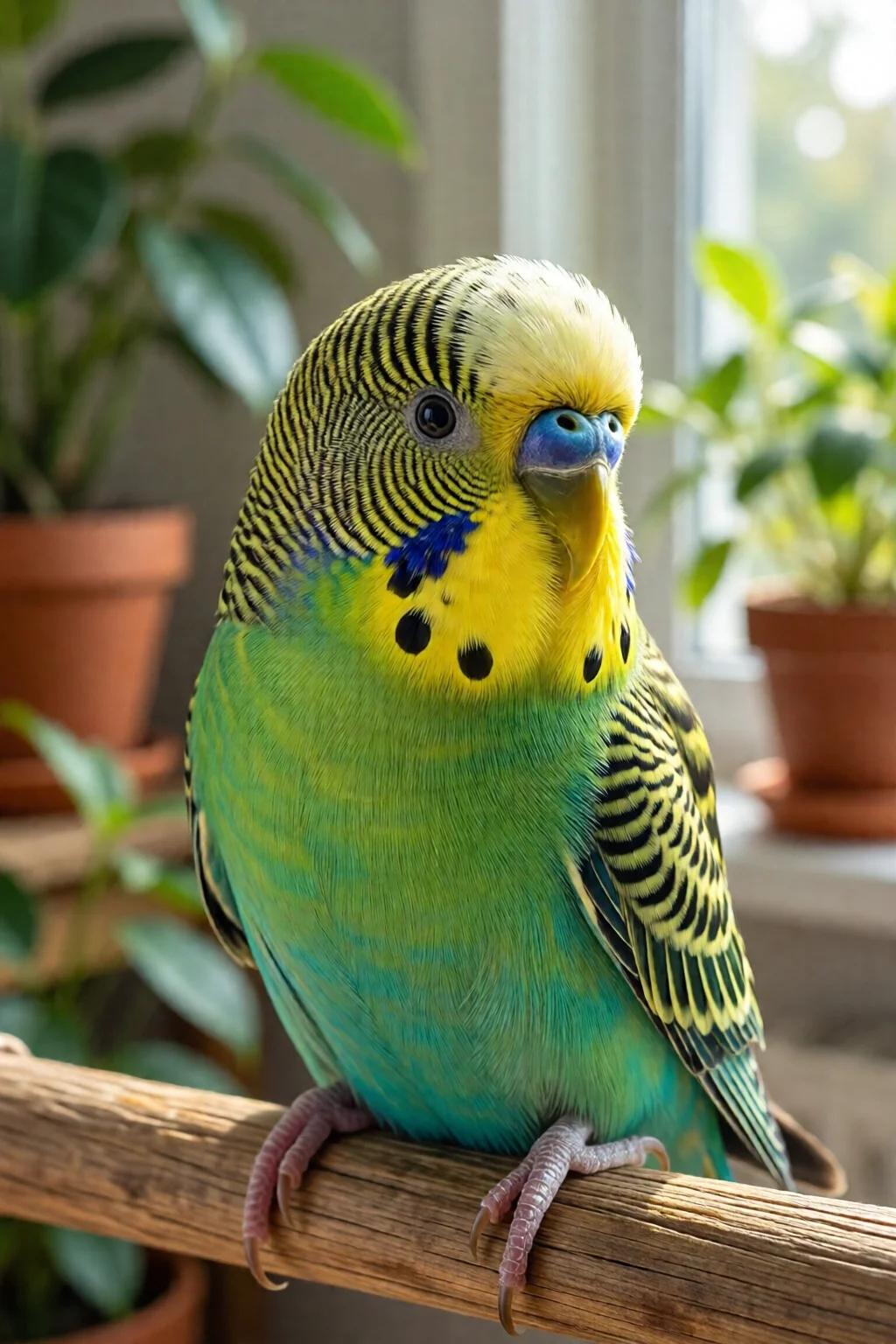
1. Pick the Perfect Cage – Size, Shape, and Safety
The cage is the foundation of budgie care. A cramped cage leads to stress, feather‑picking, and even respiratory problems.
- Minimum dimensions: 18 × 18 × 24 in (45 × 45 × 60 cm). This allows two adult budgies to stretch their wings fully.
- Bar spacing: ½ in (12 mm) or less. Anything wider lets a curious beak slip through.
- Material: Powder‑coated steel (e.g., Prevue Pet Products C‑3000) resists rust and is easy to clean.
Top picks comparison:
| Model | Price (USD) | Dimensions | Bar Spacing | Pros | Cons |
|---|---|---|---|---|---|
| Prevue C‑3000 | $79.99 | 18×18×24 in | ½ in | Sturdy, easy assembly, removable trays | No front door |
| Kaytee Flight Cage (2‑bird) | $119.95 | 20×20×30 in | ½ in | Extra height for vertical flight | Heavier, requires two people |
| Zupreem Deluxe | $64.50 | 16×16×20 in | ⅝ in | Compact, budget‑friendly | Slightly narrow bar spacing |
One mistake I see often is buying a “desktop” cage that looks cute but is too small for active birds. Upgrade now; you’ll thank yourself when your budgie starts doing graceful loops instead of frantic hopping.
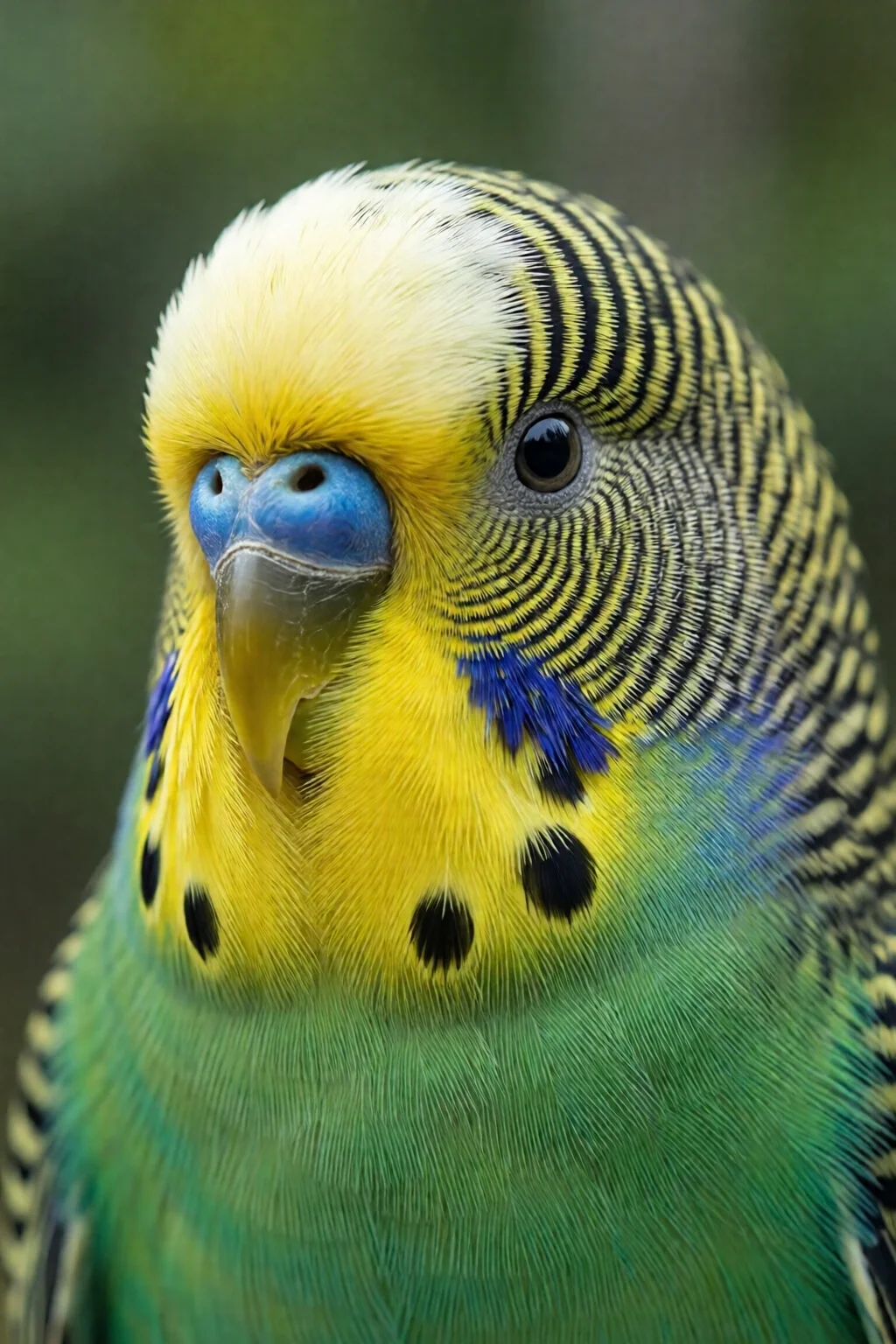
2. Master the Budgie Diet – Seeds, Pellets, Fresh Foods
A balanced diet keeps feathers glossy and prevents obesity. Many beginners rely solely on seed mixes, which are high in fat.
- Base: Offer a high‑quality seed blend like Higgins Specialty Budgerigar Seed (≈ $4.99 per 1‑lb bag) for 60 % of daily intake.
- Pellets: Add 20 % of a nutritionally complete pellet such as Zupreem Small Bird Pellets ($5.49 per 1‑lb bag). Pellets provide essential vitamins and calcium.
- Fresh produce: 20 % of the diet should be vegetables and fruit. Good choices: broccoli florets, carrots, apple slices (no seeds), and leafy greens like kale. Offer 1–2 tbsp per bird per day.
In my experience, a simple daily routine of seed‑pellet mix at breakfast, fresh veggies at lunch, and a treat of millet spray in the evening keeps my birds enthusiastic and prevents picky eating.
Feeding tips & pros/cons
- Pros: Mixed diet → stronger immune system, vibrant plumage.
- Cons: Fresh foods spoil quickly; need daily cleaning.
- Tip: Rotate vegetables weekly to provide a broader nutrient spectrum.
Safety note
Avoid avocado, chocolate, caffeine, and onion – they are toxic to budgies.
3. Water, Bathing, and Hygiene Essentials
Clean water is as vital as food. Budgies can drink as little as 2 ml per gram of body weight each day, roughly 30 ml (1 oz) for a 30‑gram bird.
- Daily water change: Use lukewarm water to prevent shock.
- Bathing: Offer a shallow dish (2 × 2 in) or mist with a spray bottle 2–3 times a week. Budgies love a light mist; it helps keep their feathers flexible.
- Cleaning schedule: Wipe perches and food dishes with a diluted white‑vinegar solution (1 part vinegar to 4 parts water) every 3 days.
One mistake I see often is using chlorinated tap water. If your tap is heavily chlorinated, let the water sit for 24 hours or use a water filter.
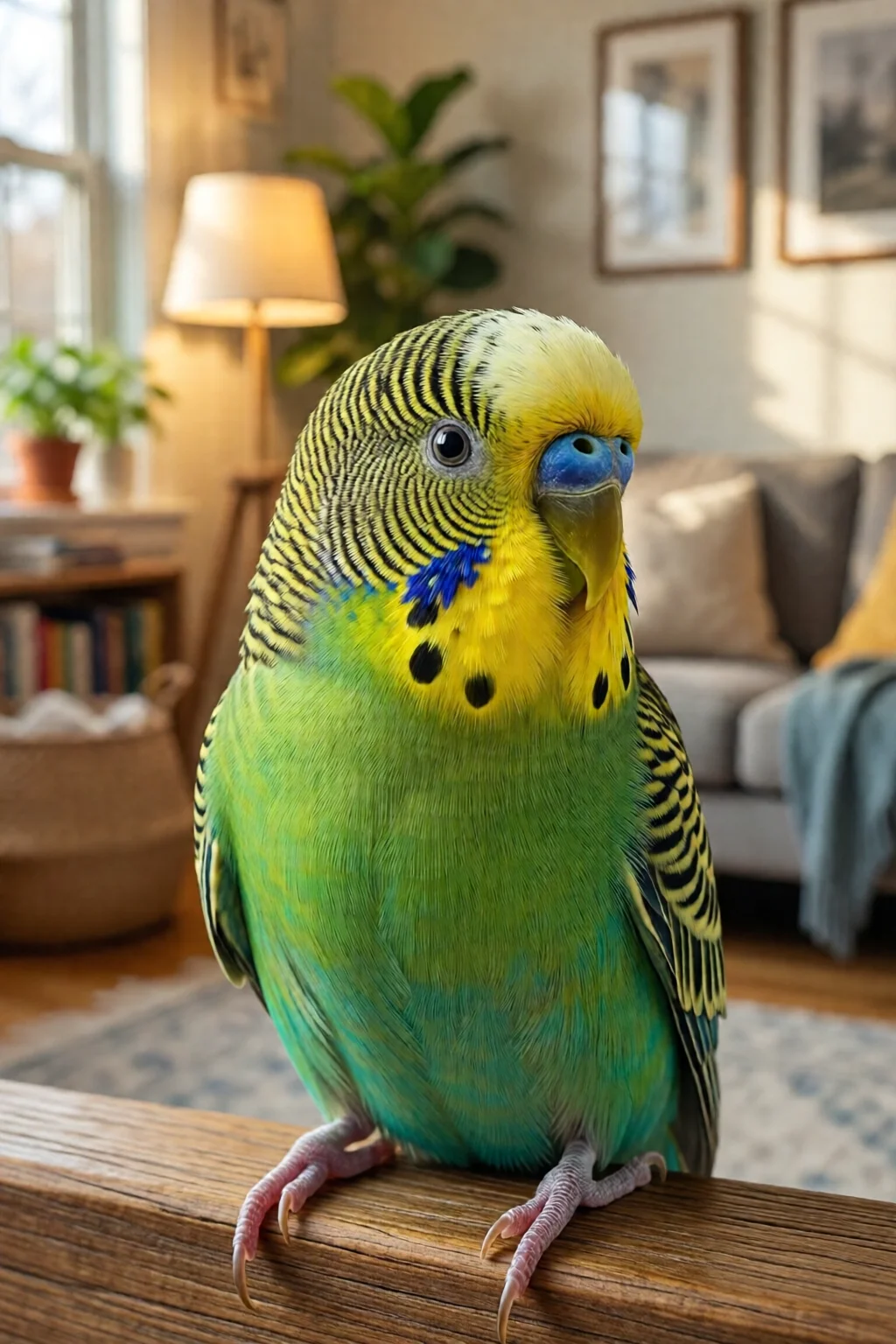
4. Socialization, Handling, and Mental Enrichment
Budgies are social by nature. A lonely bird may become depressed or develop stereotypic behaviors like feather plucking.
- Daily interaction: Spend at least 15 minutes outside the cage each day. Talk, whistling, or gentle head scratches build trust.
- Companion bird: If you have time, a second budgie can provide constant companionship. Ensure the cage is sized for two (minimum 30 × 30 × 30 in).
- Toys: Rotate toys weekly to keep curiosity high. My top picks are:
- Wooden foraging blocks (Kaytee Woodlands, $6.99)
- Shaker toys with millet (Super Bird Creations, $4.49)
- Rope perches (natural sisal, $8.95 for 12‑inch length)
Pros/Cons of companion birds
- Pros: Reduced loneliness, natural social behaviors.
- Cons: Increased noise, potential breeding if opposite sexes.
Handling safety
Always support the bird’s chest and tail. Never grab by the legs – they can dislocate. If your budgie flutters away, cover the cage briefly to calm it.
5. Health Monitoring – Spotting Trouble Early
Budgies are masters at hiding illness. Learn the red flags.
- Weight loss: A healthy adult is 30–40 g. A sudden drop of > 5 % signals a problem.
- Feather condition: Look for dull patches, broken feathers, or excessive preening.
- Breathing: No wheezing, clicking, or open‑mouth breathing.
- Droppings: Should be firm, brown, and consistent. Watery or black droppings require a vet visit.
My go‑to vet in Austin, Avian Wellness Center, charges $75 for a basic exam and $30 for a fecal test. If you catch issues early, treatment costs stay under $100, versus emergency care that can exceed $300.
Vaccinations & preventative care
Budgies don’t need routine vaccines, but a quarterly check‑up and a calcium supplement (e.g., Bird‑Calcium Powder, $9.99 per 100 g) are wise, especially for females.
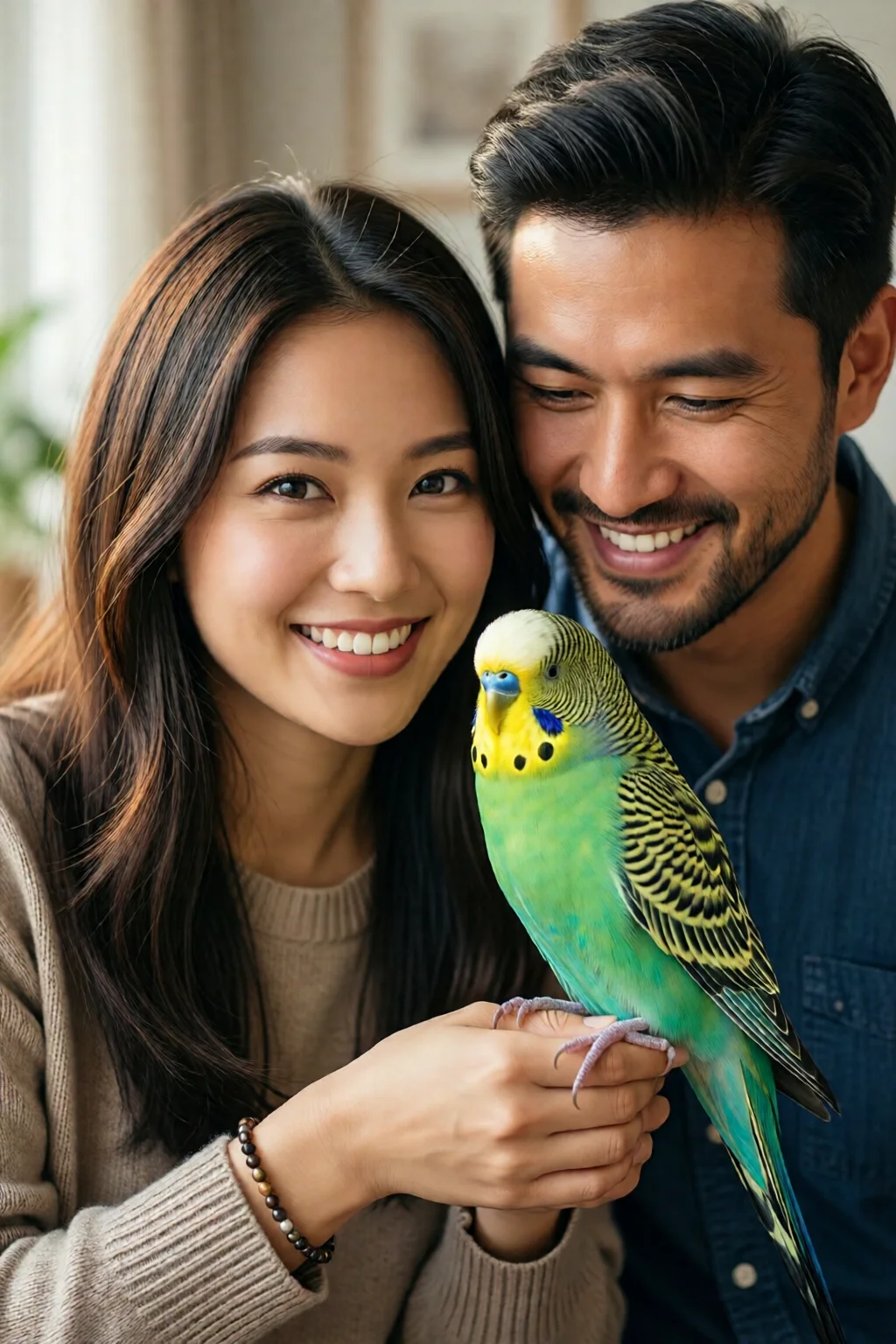
6. Seasonal Care – Adjusting for Temperature and Light
Budgies thrive in temperatures between 65–80 °F (18–27 °C). Below 50 °F they risk respiratory infections; above 85 °F they can overheat.
- Winter: Keep the cage away from drafts and heating vents. Use a low‑wattage ceramic heat emitter (e.g., Zilla Heat Lamp, $22.99) if the room drops below 60 °F.
- Summer: Provide a shaded area and ensure ventilation. A small fan set on low (e.g., Vornado VAPOR, $49.95) placed at a safe distance helps.
- Lighting: Budgies need ~10–12 hours of natural light. In darker months, a full‑spectrum UVB bulb (e.g., Zoo Med ReptiSun 10.0, $34.95) for 8 hours mimics daylight and aids calcium metabolism.
One mistake I see is turning off the light at night but leaving the heat lamp on, causing a temperature spike. Use a timed plug‑in switch to synchronize both.
7. Setting Up the Ideal Habitat – Layout, Perches, and Cleanliness
Think of the cage as a miniature playground. Arrange it for vertical and horizontal movement.
- Perch hierarchy: Provide three perches of varying diameters – ¼ in, ⅜ in, and ½ in – to prevent foot problems.
- Branch placement: Position a natural twig (e.g., apple or pear branch, 8‑inch length) in a corner for chewing.
- Flooring: Use a deep‑dish liner (paper-based, replace weekly) to absorb droppings.
- Location: Place the cage in a high‑traffic family area for social interaction, but avoid direct drafts from windows or AC.
My favorite setup includes a hanging ladder (12 in, $7.49) that doubles as a climbing challenge and a resting perch. Rotate the ladder every month to keep the environment fresh.
Comparison Table – Must‑Have Gear for Budgie Beginners
| Item | Brand | Price | Size/Specs | Rating (out of 5) |
|---|---|---|---|---|
| Cage | Prevue C‑3000 | $79.99 | 18×18×24 in | 4.7 |
| Seed Mix | Higgins Budgerigar | $4.99/lb | 1‑lb bag | 4.5 |
| Pellets | Zupreem Small Bird | $5.49/lb | 1‑lb bag | 4.6 |
| Perches | Kaytee Natural Wood | $8.95 (12‑in) | 12‑in length | 4.4 |
| Toy Set | Super Bird Creations | $12.99 (set of 3) | Assorted | 4.3 |
Final Verdict – Is a Budgie Right for You?
If you crave a bright, chatty companion that fits on a windowsill yet demands thoughtful care, the budgie parakeet is an excellent choice. The key to success lies in committing to a balanced diet, a spacious cage, daily interaction, and vigilant health checks. With the gear and routines outlined above, you’ll avoid the common rookie pitfalls and enjoy a thriving, vocal friend for years to come.
Ready to start? Grab a cage, stock up on quality seed and fresh veggies, and give your new budgie the home it deserves. Happy birding!
How often should I clean my budgie’s cage?
A full cage clean (scrubbing bars, perches, and replacing liner) should be done weekly. Spot‑clean droppings daily and replace food dishes every 2‑3 days.
Can I keep a single budgie alone?
Yes, a single budgie can thrive if you provide at least 30 minutes of daily out‑of‑cage interaction and a variety of toys. However, many owners opt for a pair to ensure constant companionship.
What is the best way to introduce a new budgie to my existing bird?
Start with a neutral, empty cage and place both birds in separate carriers inside it for a few hours. Swap carriers daily, then allow supervised playtime in the neutral cage before a permanent introduction.
How much should I expect to spend on a budgie in the first year?
Initial costs: cage ($80), starter seed mix ($5), perches and toys ($30). Ongoing monthly expenses: fresh produce ($10), pellets ($5), vet check‑up ($25). Total first‑year estimate: $350‑$400.
Where can I learn more about handling other pets alongside my budgie?
Check out our related guides: corn snake care guide setup and feeding, bearded dragon care guide diet and habitat, ball python care guide beginners, corgi care guide and fun facts, and golden retriever care guide.
1 commentaire sur « Budgie Parakeet Care Guide For Beginners: Complete Guide for 2026 »