Ready to serve your pup a balanced, vet‑approved homemade meal that beats the bland kibble routine? In this guide you’ll learn exactly which ingredients to buy, how to prep them safely, and why each step matters for your dog’s health.
In This Article
- What You Will Need (or Before You Start)
- Step 1 – Choose a Vet‑Approved Recipe Base
- Step 2 – Cook the Protein Safely
- Step 3 – Prepare the Carbohydrate
- Step 4 – Cook the Vegetables
- Step 5 – Combine, Add Fats & Supplements
- Step 6 – Portion, Store, and Serve
- Common Mistakes to Avoid
- Troubleshooting & Tips for Best Results
- Summary & Next Steps
- Frequently Asked Questions
What You Will Need (or Before You Start)
Gather these items before you turn on the stove. Having everything at hand keeps the cooking flow smooth and prevents last‑minute shortcuts that can compromise nutrition.
- Protein source: 1 lb (≈ 450 g) of boneless, skinless chicken thighs (about $4.99/lb at Walmart) or 1 lb of lean ground turkey ($3.79/lb at Trader Joe’s). For a red‑meat option, use 1 lb of 90 % lean ground beef ($5.49/lb).
- Complex carbs: 1 cup (≈ 200 g) of organic brown rice (Bob’s Red Mill, $2.99 for a 2‑lb bag) or 1 cup of rolled oats.
- Vegetables: ½ cup each of finely diced carrots, green beans, and spinach (fresh or frozen). A 12‑oz bag of frozen mixed veggies from Green Giant runs $2.79.
- Healthy fats: 1 Tbsp (≈ 15 ml) of extra‑virgin olive oil (Kirkland Signature, $8.99 for 2 L) or 1 Tbsp of salmon oil (Zesty Paws, $12.99 for 120 ml).
- Calcium & supplements: ½ tsp of ground eggshell powder (DIY from baked shells) or a commercial calcium supplement like NutriCal (≈ $10 for a 60‑day supply). Add a canine multivitamin such as VetriScience Vetri‑Multigrain ($22 for 90 tablets) to cover micronutrients.
- Cooking gear: Large saucepan, fine‑mesh strainer, cutting board, chef’s knife, measuring cups, and a food processor (if you prefer pureed textures).
Remember to have a digital kitchen scale handy; precise weights improve consistency and help you track calorie intake.
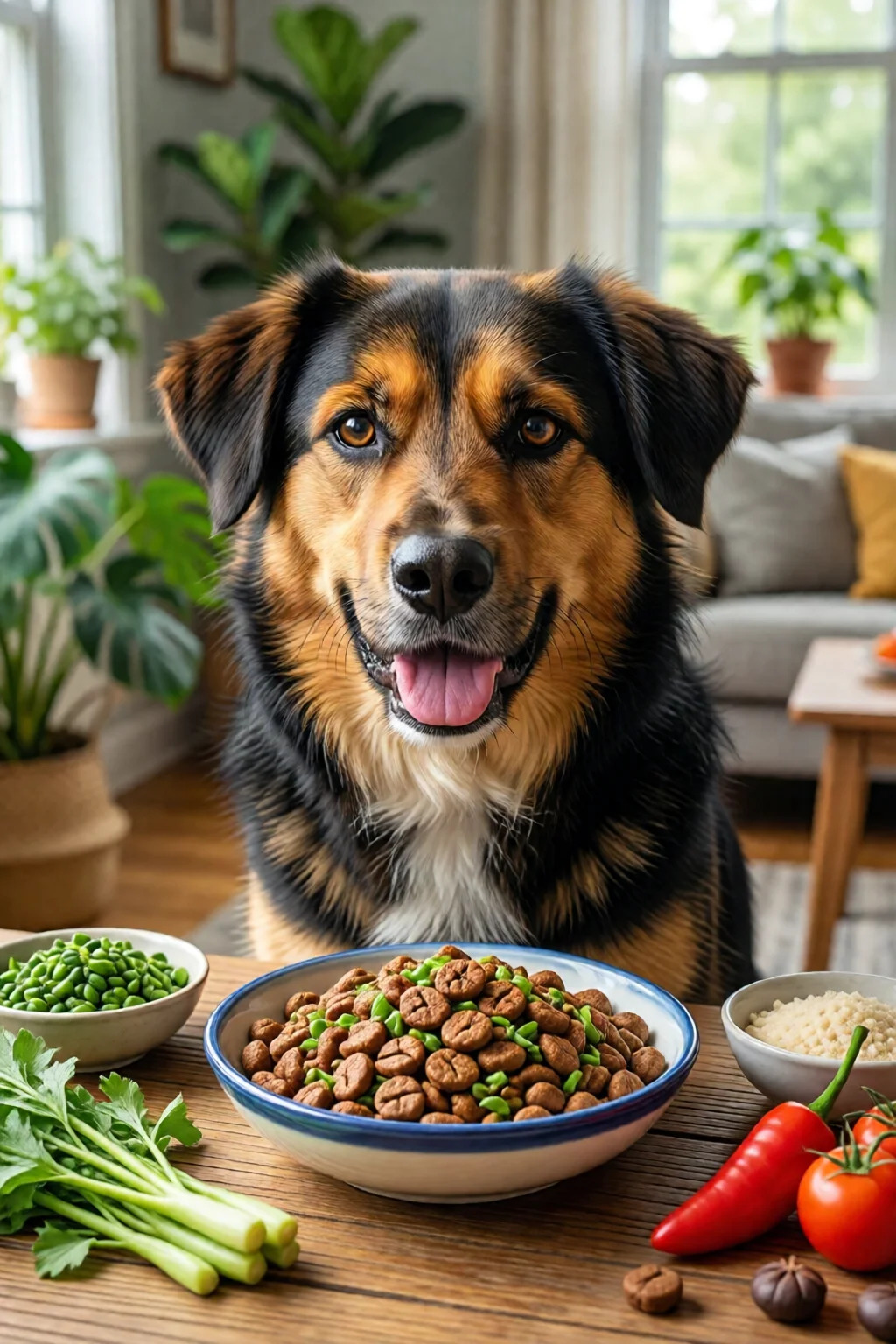
Step 1 – Choose a Vet‑Approved Recipe Base
Veterinarians favor recipes that meet the Association of American Feed Control Officials (AAFCO) nutrient profile for “maintenance” in adult dogs. A simple, balanced base looks like this:
| Ingredient | Weight (g) | Calories (kcal) |
|---|---|---|
| Chicken thighs (cooked, skinless) | 450 | 900 |
| Brown rice (cooked) | 200 | 260 |
| Mixed vegetables (cooked) | 150 | 70 |
| Olive oil | 15 ml | 120 |
| Eggshell calcium | 2 g | 0 |
That totals roughly 1,350 kcal, enough for a 30‑lb dog with a moderate activity level (≈ 30 kcal/lb/day). Adjust portions up or down based on your dog’s weight, age, and activity.
Step 2 – Cook the Protein Safely
- Place the chicken thighs or ground meat in a saucepan, add 1 cup (240 ml) of water, and bring to a gentle boil.
- Reduce heat, cover, and simmer for 12‑15 minutes until the internal temperature hits 165 °F (74 °C). Use a meat thermometer – a habit I swear by after a client’s dog suffered salmonella from undercooked turkey.
- Remove from heat, let cool 5 minutes, then shred or chop into bite‑size pieces (about ½ inch).
Step 3 – Prepare the Carbohydrate
Rinse the brown rice under cold water to remove excess starch. Combine 1 cup rice with 2 cups water in a pot, bring to a boil, then cover and simmer on low for 40 minutes. Fluff with a fork and let sit for 5 minutes – this prevents mushy texture.
Step 4 – Cook the Vegetables
Steam carrots, green beans, and spinach for 5‑7 minutes until tender but still bright. Overcooking destroys vitamin C and folate, which are crucial for immune support. If you prefer a smoother texture for senior dogs, blend the veggies in a food processor with a splash of the cooking broth.
Step 5 – Combine, Add Fats & Supplements
- In a large mixing bowl, combine the shredded protein, cooked rice, and vegetables.
- Drizzle the olive or salmon oil evenly; the fats aid absorption of fat‑soluble vitamins A, D, E, and K.
- Stir in the measured calcium powder and crush one VetriScience Vetri‑Multigrain tablet (or follow the dosage on the label).
- Mix thoroughly until the oil and supplements are fully incorporated.
Step 6 – Portion, Store, and Serve
Use a kitchen scale to portion out ¼‑cup (≈ 60 g) servings for a small breed or 1‑cup (≈ 240 g) for a large breed. Store the bulk batch in airtight containers:
- Refrigerator (≤ 4 °C): Up to 4 days. Cost per day for a 30‑lb dog ≈ $0.85.
- Freezer (≤ ‑18 °C): Up to 3 months. Thaw in the fridge overnight before serving.
Always bring the food to room temperature before offering; cold meals can cause gastrointestinal upset.

Common Mistakes to Avoid
- Skipping calcium. One mistake I see often is assuming meat alone provides enough calcium. Dogs need roughly 1 g of calcium per 1,000 kcal. Without supplementation, you risk skeletal problems, especially in growing puppies.
- Using too much fat. While healthy fats are essential, excess oil can lead to pancreatitis. Stick to 1‑2 Tbsp per 4‑lb batch.
- Relying on “human” seasoning. Garlic, onions, and excessive salt are toxic. Even a pinch of onion powder can accumulate over weeks.
- Neglecting variety. Feeding the same recipe daily can cause nutrient gaps. Rotate protein sources (chicken, turkey, beef, fish) every 2‑3 weeks.
- Improper storage. Leaving food at room temperature for more than 2 hours encourages bacterial growth. When in doubt, discard.
Troubleshooting & Tips for Best Results
My dog refuses the new food. Start by mixing 25 % homemade with 75 % of his current kibble, gradually increasing the homemade proportion over 7‑10 days. Adding a small spoonful of low‑sodium chicken broth can entice picky eaters.
Weight gain or loss. Re‑weigh your dog after two weeks. If he’s gaining > 2 % of body weight, cut the portion by 10 % and add an extra walk. If he’s losing weight, increase the portion or add a tablespoon of canned pumpkin (rich in fiber) for extra calories.
Digestive upset. Too much fiber can cause loose stools. Reduce veggies to ¼ cup each and ensure you’re not over‑supplementing with calcium.
Allergies. If you notice itching or ear infections, try a novel protein like duck or rabbit, and eliminate the suspected allergen for 2 weeks.
Convenience hacks. Batch‑cook 5 lb of protein and freeze in zip‑top bags. Portion out rice and veggies in separate containers for quick assembly. This cuts daily prep time to under 10 minutes.
Summary & Next Steps
By following this step‑by‑step guide, you’ll have a nutritionally complete, vet‑approved homemade dog food that’s affordable (< $1 per day for a medium‑size dog) and customizable. Remember to:
- Balance protein, carbs, fats, and calcium.
- Cook each component safely and at the right temperature.
- Rotate proteins and veggies every few weeks.
- Monitor weight and adjust portions accordingly.
- Consult your veterinarian, especially if your dog has medical conditions.
Homemade meals can also complement other health strategies. For example, consider a raw diet for dogs pros and cons if you enjoy raw feeding, or explore best pet insurance for dogs to safeguard against unexpected health costs.

Frequently Asked Questions
How long can homemade dog food be stored in the freezer?
When sealed in airtight containers or freezer bags, the food stays safe for up to 3 months. Thaw in the refrigerator overnight and use within 24 hours after thawing.
Do I need a multivitamin if I follow this recipe?
Yes. Even a balanced base can miss trace nutrients like zinc, copper, and certain B‑vitamins. A high‑quality canine multivitamin (e.g., VetriScience Vetri‑Multigrain) ensures you meet AAFCO standards.
Can I use sweet potatoes instead of brown rice?
Absolutely. One cup of cooked, mashed sweet potato provides roughly 180 kcal and adds beta‑carotene. Adjust the portion size to keep total calories in line with your dog’s needs.
Is it safe to feed my dog homemade food every day?
Yes, provided the meals meet AAFCO nutrient profiles and you rotate protein sources to avoid deficiencies. Regular veterinary check‑ups will confirm that your dog stays healthy.
What should I do if my dog develops diarrhea after switching diets?
Gradually transition over 7‑10 days, mixing increasing amounts of homemade food with the old diet. If diarrhea persists beyond 48 hours, consult your vet; it may indicate a need to adjust fiber or fat levels.
Feel free to experiment, keep records of ingredients and portions, and enjoy watching your dog thrive on meals you’ve crafted with care.

2 commentaires sur « Homemade Dog Food Recipes Vet Approved: Complete Guide for 2026 »