Imagine you’ve just brought home a squishy, tail‑wagging bundle of joy, and a few days later you notice your puppy’s stool looks a bit off, or he’s a little more sluggish than usual. You’ve probably heard that puppies love to explore, which also means they can pick up intestinal parasites pretty quickly. Knowing how to deworm a puppy at home can save you a trip to the vet, keep your pup healthy, and protect the rest of your household from zoonotic worms.
In This Article
- What You Will Need (or Before You Start)
- Step 1 – Confirm the Need for Deworming
- Step 2 – Weigh Your Puppy Accurately
- Step 3 – Choose the Right Dewormer
- Step 4 – Prepare the Medication
- Step 5 – Administer the Dewormer
- Step 6 – Clean Up and Observe
- Common Mistakes to Avoid
- Troubleshooting & Tips for Best Results
- Summary
- Frequently Asked Questions
What You Will Need (or Before You Start)
- Veterinary‑recommended dewormer – products like Drontal Plus (praziquantel/pyrantel) or Heartgard Plus (ivermectin) are widely used. A typical dose for a 5 lb puppy costs about $12‑$18.
- Measuring syringe or dropper – most liquid dewormers come with a 1 ml syringe; a 5 ml oral syringe costs roughly $4.
- Weight scale – accurate to the nearest ounce (0.1 lb) for proper dosing. A digital pet scale runs $25‑$35.
- Treats or a small amount of wet food – to mask the taste of the medication.
- Gloves and a clean surface – for hygiene, especially if you’re handling feces.
- Record‑keeping notebook or app – to track dates, products, and any side effects.
One mistake I see often is guessing the puppy’s weight. Even a half‑pound error can mean under‑dosing, allowing worms to survive, or overdosing, which can be toxic.
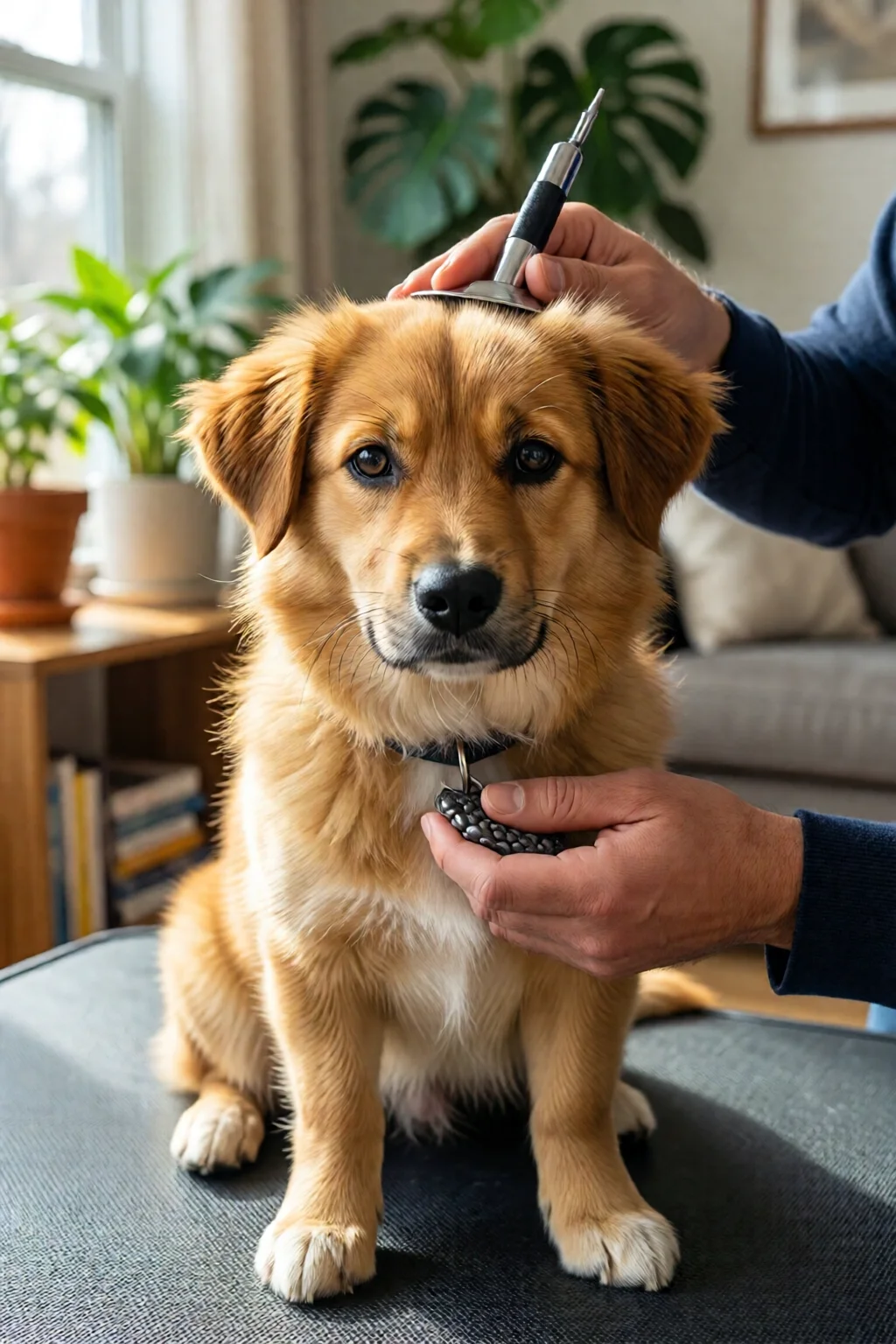
Step 1 – Confirm the Need for Deworming
Before you administer anything, look for signs of worm infection:
- Visible worms in stool (often look like tiny rice grains).
- Scooting or excessive licking of the anal area.
- Potbellied appearance despite normal food intake.
- Sudden weight loss or a dull coat.
If you see any of these, it’s time to act. However, a routine deworming schedule—usually at 2, 4, 6, and 8 weeks of age, then monthly until six months—covers most cases even without symptoms.
Step 2 – Weigh Your Puppy Accurately
Place a small blanket on the scale, weigh yourself first, then weigh yourself holding the puppy. Subtract your weight to get the pup’s weight. For a 6‑week‑old Labrador mix, you might see 7.3 lb (≈3.3 kg). Record this number.
Step 3 – Choose the Right Dewormer
There are three main categories:
- Pyrantel pamoate – effective against roundworms and hookworms. Nemex‑2 costs $9 for a 3‑day pack.
- Praziquantel – targets tapeworms. Often combined with pyrantel in products like Drontal Plus.
- Ivermectin – broad‑spectrum, also protects against heartworm. Heartgard Plus is $15 for a 4‑dose kit.
Read the label for “minimum weight” and “dose per pound.” For example, Drontal Plus recommends 0.5 ml per pound of body weight. A 7‑lb puppy would need 3.5 ml, which is 70 % of the 5 ml vial.
Step 4 – Prepare the Medication
Shake the bottle gently. Use the syringe to draw the exact dose. If the dose is a fraction of the syringe’s markings, calculate using the formula:
Desired dose (ml) = (Puppy weight in lbs × dose per lb) / 1000
For our 7‑lb pup with a 0.5 ml/lb recommendation:
Desired dose = (7 × 0.5) / 1 = 3.5 ml
Double‑check the measurement before moving on.
Step 5 – Administer the Dewormer
- Place a small piece of soft food (like a dab of canned puppy pâté) on the floor.
- Using the syringe, gently insert the tip into the side of the puppy’s mouth, behind the canine teeth.
- Slowly depress the plunger, allowing the liquid to flow onto the back of the tongue.
- Immediately give the treat or a spoonful of wet food to help swallow.
Most puppies will swallow without fuss, but if yours resists, try a “pill pocket” treat—these are flavored and can hide a liquid dose as well.

Step 6 – Clean Up and Observe
Wipe the puppy’s muzzle with a damp cloth, wash your hands, and sanitize the area. Over the next 48‑72 hours, monitor for:
- Vomiting or diarrhea (mild upset is common). If severe, call your vet.
- Changes in stool—worms should be visible within a day or two.
- Any signs of lethargy beyond the normal post‑medication slump.
If you spot live worms, collect a sample (wear gloves) and bring it to your vet for identification. This helps fine‑tune future deworming choices.
Common Mistakes to Avoid
- Skipping the weight check. As mentioned, dosing errors are the #1 cause of ineffective deworming.
- Using over‑the‑counter human dewormers. Products like “Albenza” are not formulated for puppies and can be toxic.
- Relying on a single dose. Many parasites have life cycles longer than 24 hours; a repeat dose after two weeks is essential.
- Ignoring the environment. Puppies can be re‑infected from contaminated bedding or yard. Wash bedding in hot water (≥130 °F) weekly.
- Not consulting a vet for mixed‑breed puppies. Some breeds (e.g., Collies) are sensitive to ivermectin; a vet can recommend a safer alternative like milbemycin.
Troubleshooting & Tips for Best Results
Worms still showing up after treatment? Give a second dose 14 days later. Some tapeworms (Dipylidium) require a flea control regimen as well, because fleas are intermediate hosts.
Stomach upset? Offer a bland diet—boiled chicken and rice—for 24‑48 hours. Hydration is key; refer to our pet hydration tips water intake guide for optimal fluid amounts (about 1 oz per pound of body weight per day).
Concern about resistance? Rotate dewormers annually if you live in an area with known resistance (e.g., parts of the Midwest). Consulting a vet for a fecal flotation test can confirm which parasites are present.
Preventing future infestations:
- Keep the yard clean; remove feces promptly.
- Use monthly heartworm preventatives (often contain ivermectin).
- Maintain a regular fecal exam schedule—every three months for the first year.

Summary
Knowing how to deworm a puppy at home empowers you to protect your new family member from harmful parasites without unnecessary vet visits. By weighing accurately, choosing the right product, dosing precisely, and following up with a second dose, you give your pup a clean slate for healthy growth. Remember, deworming is just one piece of the puzzle; regular vet checks, proper nutrition, and a clean environment round out responsible puppy care.
Frequently Asked Questions
How often should I deworm my puppy?
Puppies typically need deworming at 2, 4, 6, and 8 weeks of age, then monthly until six months old. After that, a quarterly schedule is common, especially if your dog spends time outdoors.
Can I use human deworming medication for my puppy?
No. Human formulations are not dosed for a puppy’s weight and can contain ingredients that are toxic to dogs. Always choose a veterinary‑approved product.
What are the signs that deworming worked?
You may see whole or segmented worms in the stool within 24‑48 hours. The puppy’s energy levels should improve, and the stool should become firmer. A follow‑up fecal test can confirm eradication.
Is it safe to deworm a pregnant dog?
Only under veterinary guidance. Some dewormers (like pyrantel) are considered safe, while others (especially ivermectin) can be risky for pregnant bitches.
Where can I find more information about parasite control?
The American Veterinary Medical Association (AVMA) offers comprehensive guides. Also, check out our related article on cat kidney disease symptoms and diet for broader pet health insights.

Ready to give your puppy a worm‑free start? Grab the right dewormer, follow the steps, and enjoy watching that little tail wag with confidence.

1 commentaire sur « How To Deworm A Puppy At Home – Everything You Need to Know »