Did you know that up to 25% of domestic cats display some form of aggression at least once a year? That number might surprise you, but it also means many owners are searching for how to stop aggressive cat behavior before a playful swipe turns into a serious injury.
In This Article
- What You Will Need (Before You Start)
- Step 1 – Identify the Root Cause
- Step 2 – Create a Low‑Stress Environment
- Step 3 – Teach Alternative Behaviors
- Step 4 – Manage Triggers in Real Time
- Step 5 – Gradual Desensitization and Counter‑Conditioning
- Common Mistakes to Avoid
- Troubleshooting & Tips for Best Results
- FAQs
- Summary
What You Will Need (Before You Start)
Gather these items so you can work efficiently and keep both you and your cat safe:
- Feliway Classic diffuser (approx. $34.99 for a 4‑week supply)
- Interactive toys – e.g., Kong Cat Play Toy ($9.99) or Catit Senses Circuit ($12.95)
- High‑quality cat treats – 5‑lb bag of Temptations Crunchies ($8.49)
- A quiet room with a sturdy carrier or safe “time‑out” crate (minimum 24 × 18 × 18 in.)
- Notebook or phone app for tracking triggers and progress
- Protective gloves (leather, size medium, $15.00) for handling during redirection
Make sure your cat’s health is up to date: a recent check‑up, vaccinations, and a clean bill of health from your vet. Pain or illness often masquerades as aggression.
Step 1 – Identify the Root Cause
Feline aggression isn’t a one‑size‑fits‑all issue. It usually stems from one or more of the following:
- Medical pain: arthritis, dental disease, or urinary tract infection. An X‑ray or blood panel can cost $120‑$250.
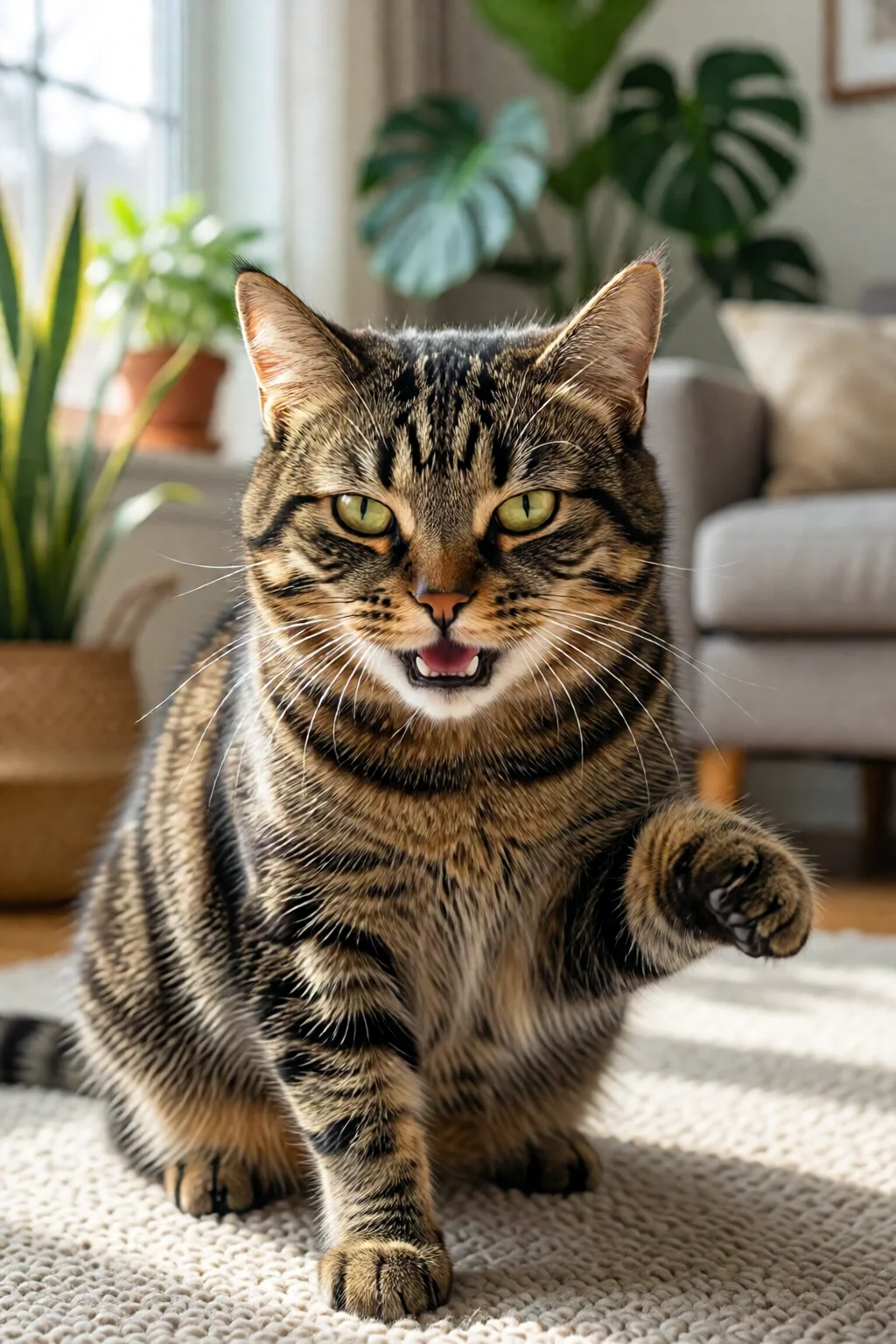
- Fear or overstimulation: tail flicks, ears back, slow blinking – classic signs of a cat saying “stop”.
- Territorial disputes: new pets, recent moves, or a stray cat outside the window.
- Redirected aggression: a bird outside the window triggers a chase and the cat lashes out at you.
- Play aggression: kittens learning hunting skills often use claws and teeth during rough play.
In my experience, the most common mistake is jumping straight to training without ruling out pain. A quick vet visit saved a client’s senior Maine Coon who was swatting because of hidden arthritis.
Step 2 – Create a Low‑Stress Environment
Once medical issues are cleared, focus on the environment:
- Diffuser: Plug a Feliway Classic diffuser in the room where aggression occurs. The synthetic feline facial pheromone can reduce tension by up to 40% within 48 hours.
- Safe zones: Provide multiple high perches (e.g., Cat Tree by Go Pet Club, $79.99) and hideaways (e.g., Frisco Cat Cave, $13.99). Cats need escape routes.
- Consistent routine: Feed at the same times each day. Predictability lowers cortisol levels.
Step 3 – Teach Alternative Behaviors
Redirect the aggression into acceptable outlets:
- Use interactive toys: Initiate a play session with a wand toy (e.g., Da Bird, $14.95). Move the toy in a way that mimics prey, then abruptly stop and toss a treat. The cat learns that play ends with a reward, not a bite.
- Positive reinforcement: When the cat pauses or redirects to a toy, click a clicker (or say “yes”) and give a treat. Consistency matters: aim for 10‑15 successful redirections per session, 2‑3 times daily.
- Teach “Leave It” cue: Hold a treat in each hand, close one fist, and let the cat sniff. When it stops trying to get the treat, say “Leave it” and reward from the open hand. Practice for 5 minutes, 3 times a week.
One mistake I see often is using punishment (sprays, yelling). Cats don’t understand why they’re being punished and the aggression can intensify.

Step 4 – Manage Triggers in Real Time
When you spot early warning signs, intervene before the swipe lands:
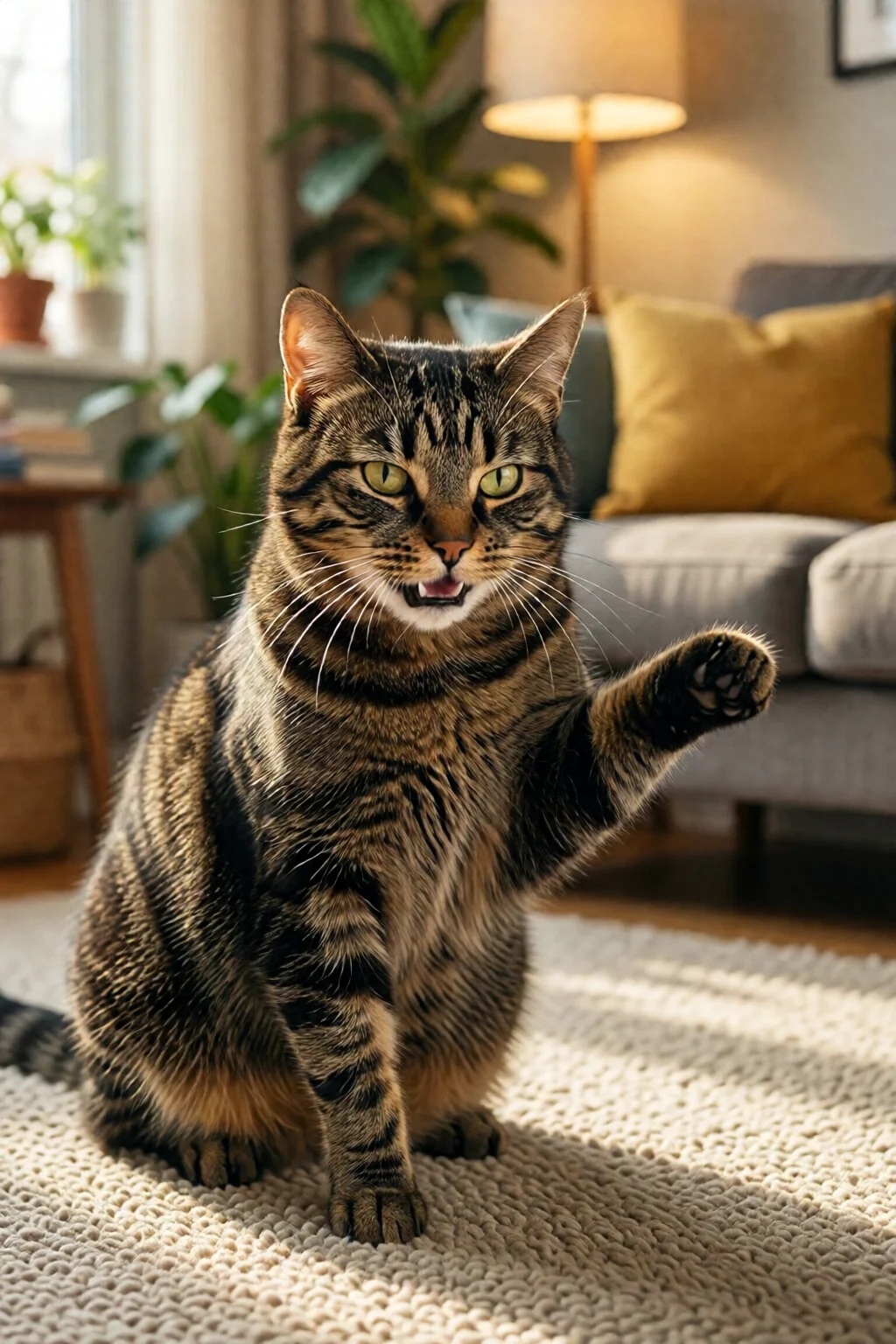
- Body language cue: Tail whipping, ears flattening, pupils dilated. Immediately stop the interaction.
- Time‑out crate: Gently place the cat in a quiet carrier for 2‑3 minutes. This isn’t a “punishment” but a reset. Return the cat to the room once it appears calm.
- Environmental control: Close curtains if a bird outside triggers aggression. Use a window perch with a “cat-proof” screen.
Step 5 – Gradual Desensitization and Counter‑Conditioning
This advanced technique works for fear‑based aggression:
- Identify the trigger (e.g., a vacuum cleaner).
- Expose the cat to the trigger at a distance where it remains relaxed (measured by a calm tail and slow blinking).
- Pair the trigger with a high‑value treat (e.g., Freeze‑Dried Chicken, $12.99 per 2‑oz pack).
- Gradually decrease the distance over 7‑10 days, maintaining the treat reward.
Progress is measured in centimeters, not minutes. If the cat shows signs of stress, increase the distance again.
Common Mistakes to Avoid
- Assuming all aggression is “bad”: Some cats are naturally more assertive; the goal is safe expression.
- Using physical corrections: Hitting or spraying water can trigger a fight‑or‑flight response, worsening aggression.
- Ignoring the environment: Overcrowded litter boxes or noisy appliances often go unnoticed.
- Inconsistent training: Skipping days or mixing commands confuses the cat.
- Neglecting socialization: Kittens need early exposure to handling; adult cats can benefit from short, positive touch sessions.
Troubleshooting & Tips for Best Results
Even with a solid plan, setbacks happen. Here’s how to keep momentum:
- Track progress: Write down each aggressive incident, trigger, and what you did. After two weeks, you’ll see patterns.
- Adjust treat value: If your cat loses interest, switch to a fresher protein (e.g., salmon bites, $7.49 per 5‑oz bag).
- Rotate toys: Cats tire of the same toy after about 5 days; keep a rotation schedule.
- Consult a behaviorist: If aggression persists after 30 days, a certified cat behaviorist (average $150/hour) can provide a tailored plan.
- Use calming collars: The Sentry Calming Collar with pheromones costs $19.99 and can supplement a diffuser.
Remember, patience is key. Most cats show measurable improvement within 2–4 weeks of consistent work.
FAQs
Why does my cat bite me when I pet its belly?
A belly expose is a vulnerable position for cats. Most view it as a defensive gesture. Offer side‑chest rubs instead and stop before the cat’s tail twitches.
Can neutering reduce aggression?
Yes. Studies show a 30% reduction in territorial aggression after neutering, especially in males over 6 months old.
Is it safe to use a citronella spray on an aggressive cat?
No. Citronella is irritating to feline respiratory systems and can increase stress. Opt for a pheromone diffuser or calming collar instead.
My cat attacks other pets – what should I do?
Separate them initially, then reintroduce using a barrier (baby gate). Provide each animal with its own resources and use simultaneous feeding to create positive associations.
How long does it take to see results?
Most owners notice a 20‑40% drop in incidents within 7‑10 days of consistent redirection and pheromone use. Full resolution typically occurs in 3‑4 weeks.
Summary
Stopping aggressive cat behavior is a blend of medical checks, environmental tweaks, and consistent training. By identifying triggers, providing safe outlets, and using tools like Feliway diffusers and high‑value treats, you can transform a hostile feline into a calm companion. Remember to track progress, avoid punishment, and seek professional help when needed. With patience and the right strategy, you’ll enjoy peaceful cuddles rather than surprise swipes.

For related topics, check out our guide on how to bathe a cat without getting scratched, the abyssinian cat care guide, and the scottish fold cat care guide. If you have other pets, the best toys for aggressive chewer dogs article offers cross‑species enrichment ideas.
1 commentaire sur « How To Stop Aggressive Cat Behavior – Tips, Ideas and Inspiration »