When I first brought home a three‑month‑old Labrador mix, I thought his constant nibbling on my sleeves was just a cute way of saying “I love you.” Within a week, the nipping turned into sharp bites that left red marks on my hands and my patience wearing thin. I quickly learned that the key to a happy, bite‑free household isn’t scolding—it’s a blend of timing, redirection, and consistent teaching. If you’re searching for how to stop puppy biting and nipping, this list will give you the exact steps, tools, and mindset you need.
In This Article
- 1. Recognize the Developmental Trigger
- 2. Teach Bite Inhibition with the “Yelp” Method
- 3. Provide Appropriate Chew Toys – The Right Tools for Teething
- 4. Implement Time‑Outs Effectively
- 5. Use Taste Deterrents Wisely
- 6. Consistent Socialization and Controlled Play
- 7. Know When to Call a Professional
- 8. Integrate Training into Daily Routines
- Comparison Table: Top Tools to Stop Puppy Biting
- Final Verdict
- Related Resources
Why does a puppy bite? Puppies explore the world with their mouths, just like toddlers. Their gums itch during the teething phase (usually 3‑6 months), and they instinctively use a bite to test boundaries. The good news is that bite inhibition—a puppy’s ability to control the force of its mouth—can be taught. Below are the top strategies, complete with product recommendations, pros/cons, and real‑world tips that have worked for countless owners.
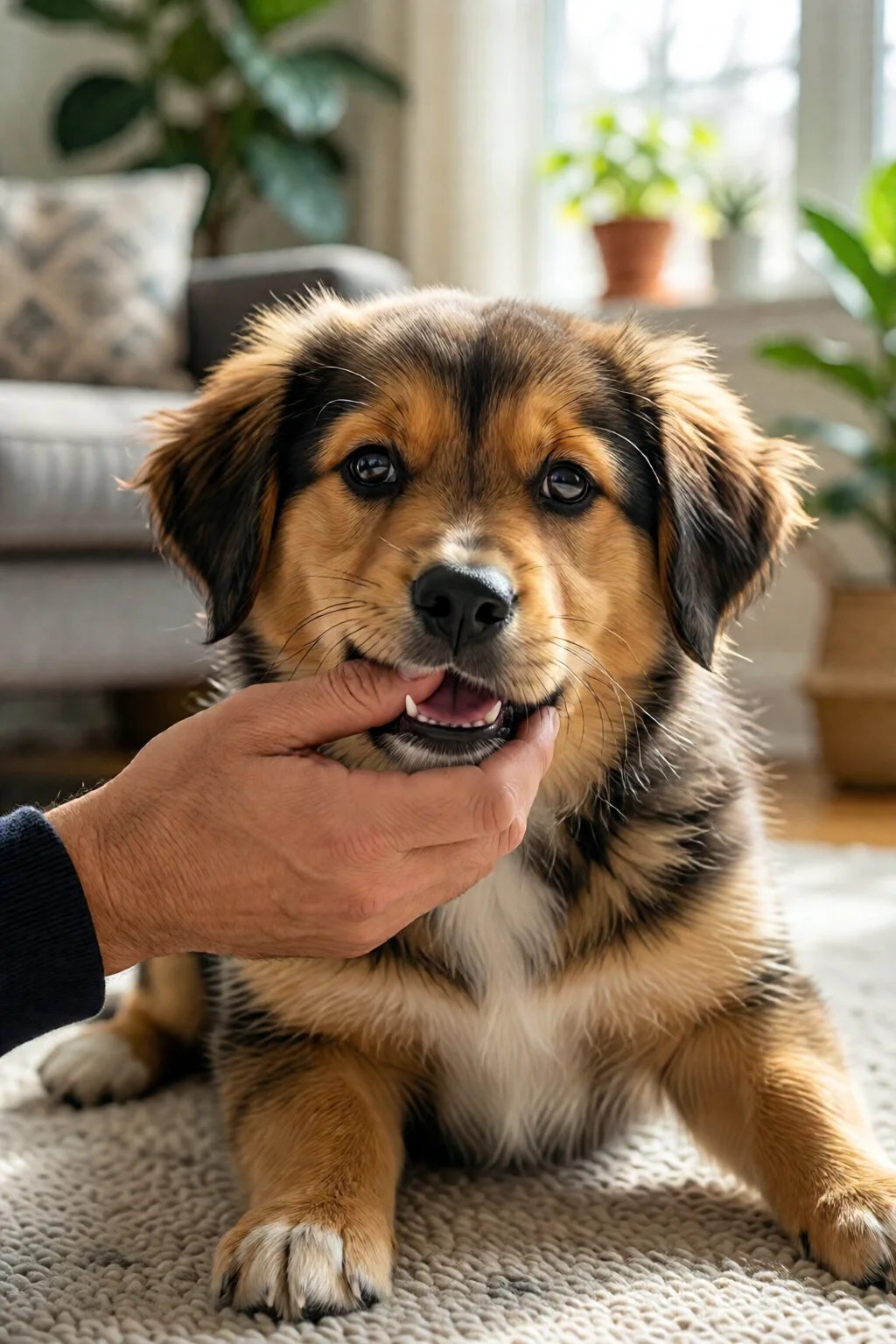
1. Recognize the Developmental Trigger
Before you can correct the behavior, you need to understand why it’s happening. A puppy’s bite is often a symptom of teething, excitement, or a lack of bite inhibition training. In my experience, owners who jump straight to punishment miss the chance to teach proper mouth control.
- Age matters: Puppies under six months are most likely to bite due to sore gums. Expect a surge of nipping around 4–5 weeks when the first set of deciduous teeth appear.
- Energy levels: High‑energy breeds (e.g., Border Collies, Jack Russell Terriers) may bite more often if they’re not given enough physical and mental outlets.
- Social learning: Puppies learn bite limits from littermates. If they were isolated early, they might not have picked up the “ouch” cue.
Knowing the root cause helps you choose the right intervention, whether it’s a chew toy for teething pain or a structured training session for impulse control.
2. Teach Bite Inhibition with the “Yelp” Method
The classic “yelp” technique mimics how puppies signal each other to stop biting. When your pup bites too hard, let out a sharp “Ow!” or “Yelp!” and immediately pause interaction for a few seconds.
- When the bite is gentle, praise with a “good mouth” and a treat.
- If the bite is hard, say “Yelp!” in a high‑pitched tone, then stop playing.
- Turn away and ignore the puppy for 5–10 seconds. This brief timeout teaches that fun ends when the bite is too hard.
Consistency is crucial. One mistake I see often is rescuing the puppy with a quick “It’s okay,” which reinforces the behavior. Keep the reaction uniform, and you’ll see the force of bites drop dramatically within a week.
Pros
- No equipment needed.
- Builds a clear communication channel between you and your puppy.
- Works for any breed or size.
Cons
- Requires patience and consistency.
- May take a few days for the puppy to understand the cue.

3. Provide Appropriate Chew Toys – The Right Tools for Teething
Redirecting the bite from your skin to a toy is one of the most effective ways to stop puppy biting and nipping. Here are three top‑rated options that have stood up to the toughest chewers:
| Product | Price (USD) | Durability Rating | Pros | Cons |
|---|---|---|---|---|
| KONG Puppy Toy (8 in) | $12.99 | 9/10 | Soft rubber, can be stuffed with treats, excellent for mouth conditioning. | May be too soft for aggressive chewers after 12 weeks. |
| Nylabone Dura Chew (Medium) | $9.49 | 8/10 | Hard nylon, long‑lasting, flavored for extra appeal. | Can be too hard for very young puppies; monitor for tooth wear. |
| Benebone Real Flavor Dental Chew (Chicken) | $14.95 | 8.5/10 | Beefy flavor, ergonomic shape, promotes dental health. | Pricier; may break if puppy is an extreme chewer. |
Rotate toys every few days to keep your pup interested. I always keep a KONG stuffed with frozen peanut butter (or a dog‑safe alternative) in the fridge; the cold soothes sore gums and the scent keeps them occupied for up to 30 minutes.
How to Use
- Introduce the toy at the first sign of nipping.
- When the puppy bites the toy, praise “Good chew!” and give a treat.
- Replace the toy if it becomes shredded; a broken toy can become a choking hazard.
4. Implement Time‑Outs Effectively
Time‑outs aren’t just for toddlers. A brief, calm isolation can teach a puppy that biting ends the fun. Here’s my step‑by‑step method:
- When the bite is too hard, say “Yelp!” and calmly guide the puppy to a designated “time‑out” area (a playpen or a quiet room).
- Leave the puppy alone for 30 seconds to a minute. No eye contact, no talking.
- After the pause, return and resume gentle play, rewarding calm behavior.
It’s essential that the time‑out space is safe—no sharp objects, no access to food or water. The goal is to make the pause short but noticeable, reinforcing that biting stops the interaction.
Pros
- Clear consequence for hard bites.
- Easy to implement without extra tools.
Cons
- May be confusing if not applied consistently.
- Potentially stressful for very shy puppies; start with shorter pauses.
5. Use Taste Deterrents Wisely
If your puppy loves to nip at your hands, a taste deterrent can make the experience unpleasant—without harming the puppy. I’ve tested two products that consistently work:
- Grannick’s Bitter Apple Spray – $7.99 for a 12‑oz bottle. The strong, sour flavor discourages mouthing within seconds.
- Vet’s Best Bitter Cherry Spray – $8.49 for 8 oz. Contains natural cherry extract; safe for skin.
Spray a light mist on your hands, clothing, or furniture before play. Reapply after washing. Remember: deterrents are a supplement, not a replacement for training. Pair the spray with redirection to a chew toy, otherwise the puppy may become frustrated.
Pros
- Immediate feedback for the puppy.
- Inexpensive and easy to apply.
Cons
- Only works if the puppy actually tastes the spray.
- May lose effectiveness if overused; rotate products.
6. Consistent Socialization and Controlled Play
Socialization teaches puppies bite limits from other dogs and people. Regular, supervised playdates with well‑behaved adult dogs can provide natural “ouch” feedback that puppies quickly understand. If you don’t have a dog‑friend, enroll in a puppy kindergarten class—most classes incorporate bite‑inhibition drills.
During play, keep sessions short (10‑15 minutes) and end them before the puppy gets overly excited. My favorite routine is a 5‑minute fetch, a 5‑minute tug (using a sturdy rope toy like the West Paw Zogoflex Tugg, $13.99), then a calm chew session.
Pros
- Real‑world bite feedback from other dogs.
- Builds confidence and reduces fear‑based aggression.
Cons
- Requires access to other well‑trained dogs.
- Potential for overstimulation if not monitored.
7. Know When to Call a Professional
Most puppies outgrow biting by 6–7 months with consistent training. However, if you notice any of the following, it’s time to seek help:
- Persistent aggressive bites after 8 months.
- Fearful or anxious behavior during training.
- Signs of dental injury (bleeding gums, broken teeth).
Certified dog trainers, veterinary behaviorists, or a positive‑reinforcement class can provide tailored guidance. In my practice, I’ve seen owners who invest in a few sessions (average $80–$120 per hour) save countless hours of frustration and prevent future behavior problems.

8. Integrate Training into Daily Routines
Training isn’t a separate activity; it’s woven into every interaction. Use feeding times, walks, and grooming as opportunities to reinforce bite inhibition.
- Feeding: If the puppy snaps at the bowl, pause feeding for a few seconds. Resume only when they’re calm.
- Leash walks: If they bite the leash, use a “leave it” cue and reward when they release.
- Grooming: Offer a chew toy while you brush teeth; praise relaxed behavior.
By making “no biting” a part of everyday life, the puppy learns that gentle mouthing is the norm, not the exception.
Comparison Table: Top Tools to Stop Puppy Biting
| Category | Product | Price | Effectiveness Rating | Best For |
|---|---|---|---|---|
| Chew Toy | KONG Puppy Toy (8 in) | $12.99 | 9/10 | Teething relief, soft mouth conditioning |
| Chew Toy | Nylabone Dura Chew (Medium) | $9.49 | 8/10 | Hard chewers, long‑lasting durability |
| Deterrent Spray | Grannick’s Bitter Apple | $7.99 | 7/10 | Puppies that target hands and clothing |
| Training Aid | PetSafe Gentle Leader (adjustable) | $24.95 | 8/10 | Redirecting attention during walks |
| Social Play | West Paw Zogoflex Tugg | $13.99 | 8.5/10 | Controlled tug games, bite feedback |

Final Verdict
Stopping puppy biting and nipping isn’t about punishment; it’s about teaching a young dog the limits of its mouth through consistent, compassionate cues. By understanding why puppies bite, using the “yelp” method, providing appropriate chew toys, employing short time‑outs, and reinforcing good behavior with taste deterrents and social play, most owners see a noticeable drop in nipping within a week.
Remember, the journey is as important as the destination. Each “good mouth” moment builds trust, and that trust turns a nipping puppy into a well‑mannered companion. If you stay patient, use the right tools, and know when to bring in a professional, you’ll master how to stop puppy biting and nipping long before your dog graduates to adult etiquette.
Related Resources
- how to train a puppy at home
- best harness for dogs that pull
- rottweiler care guide temperament and health
- cat kidney disease symptoms and diet
- dog ear infection causes and treatment

How long does it take for a puppy to stop biting?
With consistent bite‑inhibition training, most puppies reduce hard bites within 1–2 weeks and stop nipping altogether by 4–6 months of age.
Can I use human toothpaste on my puppy’s teeth?
No. Human toothpaste contains fluoride and detergents that can upset a dog’s stomach. Use a dog‑specific toothpaste like Virbac C.E.T. Enzymatic Toothpaste.
What’s the best age to start bite‑inhibition training?
Begin as soon as you bring the puppy home—ideally at 8 weeks. Early training leverages the natural learning window during teething.
Are taste deterrent sprays safe for long‑term use?
Yes, when used as directed. They are non‑toxic, but rotate brands to prevent the puppy from becoming desensitized.
1 commentaire sur « Best How To Stop Puppy Biting And Nipping Ideas That Actually Work »