Ever wondered why your border collie seems to have endless stamina while you’re still catching your breath after a quick jog?
In This Article
- What You Will Need or Before You Start
- Step 1 – Assess Your Dog’s Baseline Energy Level
- Step 2 – Build a Structured Routine
- Step 3 – Mental Stimulation Games
- Step 4 – Physical Exercise Plan
- Step 5 – Consistency and Progression
- Common Mistakes to Avoid
- Troubleshooting & Tips for Best Results
- Summary Conclusion
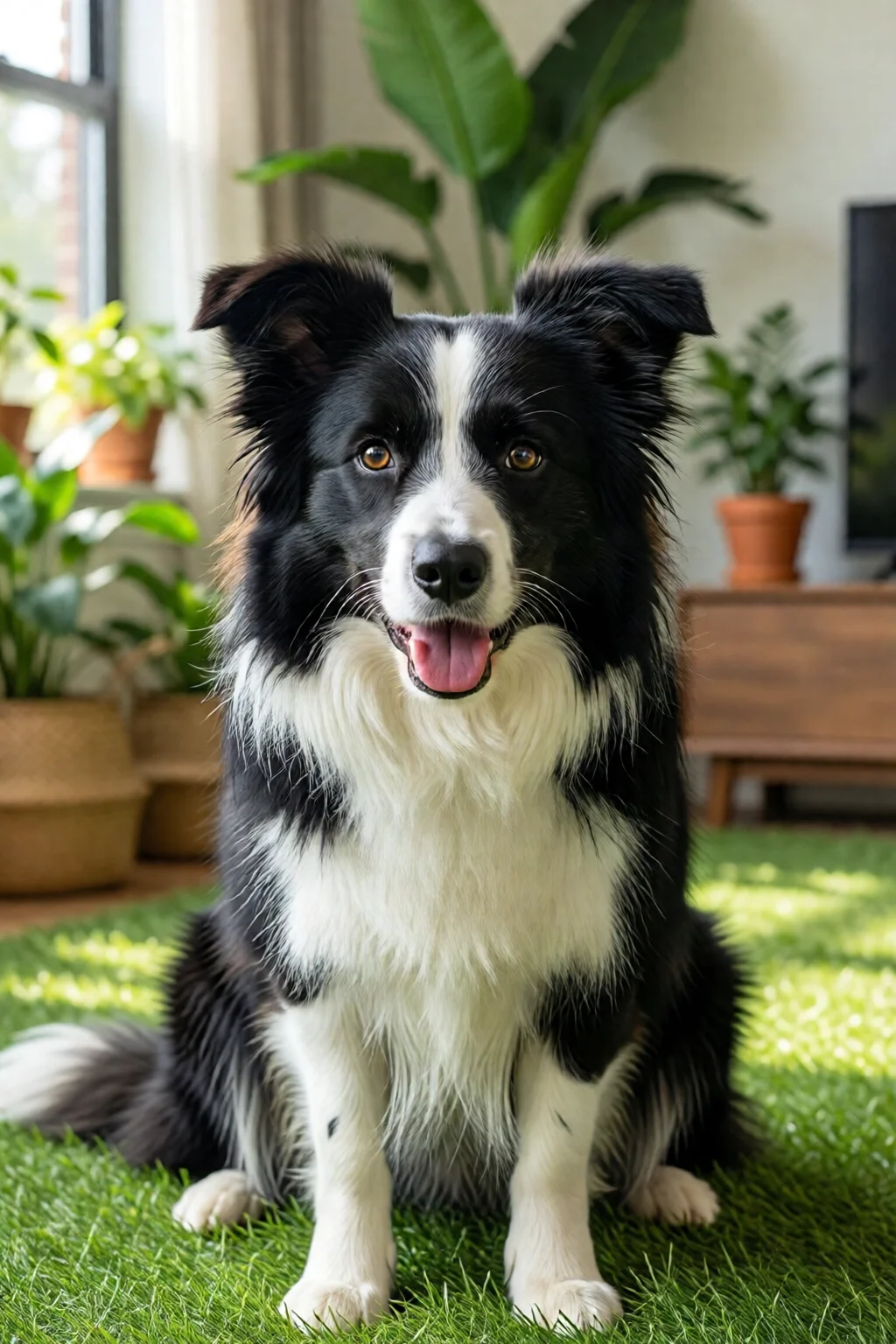
What You Will Need or Before You Start
- KONG Classic Dog Toy – 4‑inch model, $13.99 (ideal for mental chew sessions).
- PetSafe Easy Walk Harness – Adjustable, 22‑30 lb range, $24.95, helps control high‑energy pulls.
- Orijen Original Dry Dog Food – $6.99 per pound, protein‑rich for muscle recovery.
- Flexi 6‑Foot Retractable Leash – $19.99, perfect for controlled sprint work.
- Thundershirt Calming Wrap – $39.95, useful on rainy days when outdoor play isn’t possible.
- Clicker trainer (e.g., PetSafe Clicker, $9.99) and a set of 10 ½‑inch training cones ($14.99).
- Measuring tape, notebook, and a timer (your phone works fine).
Before you dive in, schedule a quick health check with your vet. Border collies thrive on a diet of 20‑30% protein and need a baseline of 1,200 kcal / day for a 30‑lb adult. Confirm there are no joint issues that could limit high‑impact activity.
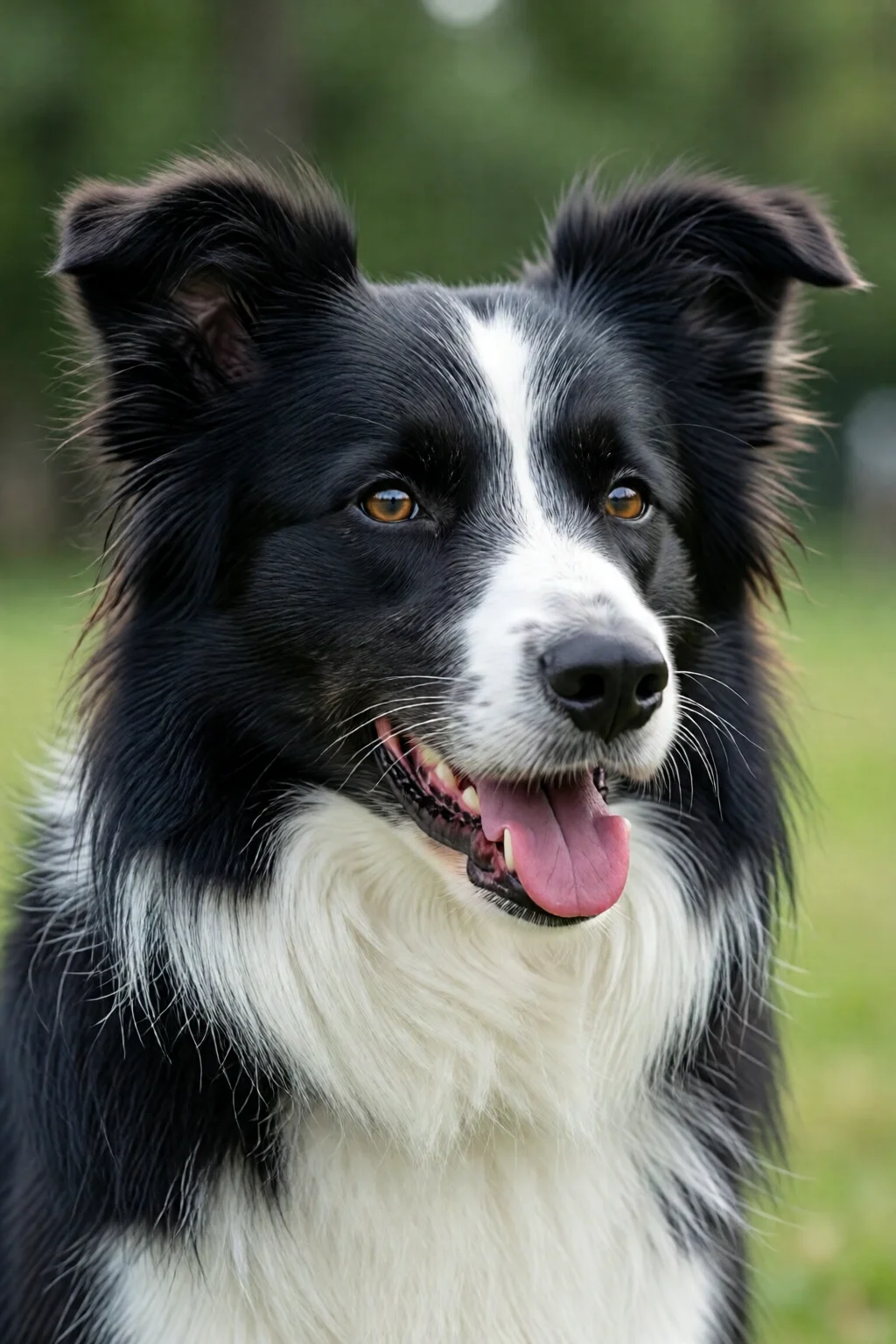
Step 1 – Assess Your Dog’s Baseline Energy Level
Start with a simple 10‑minute “energy audit.” Walk your collie on a standard 20‑minute leash, then note the time it takes to return to a calm state after you stop. If the pup is still bouncing after 5 minutes, you’re looking at a high‑energy profile. Record the baseline; you’ll use it to gauge progress.
Why this matters
Border collies typically require at least 2 hours of vigorous exercise daily – about 30 % more than the average medium‑breed recommendation. Knowing where your dog sits on that spectrum helps you avoid under‑ or over‑training.
Step 2 – Build a Structured Routine
Consistency is the secret sauce. Draft a weekly schedule that alternates between physical and mental sessions. Here’s a sample:
- Monday/Wednesday/Friday: 45 minutes of agility (tunnels, weave poles, jumps) followed by 15 minutes of scent work.
- Tuesday/Thursday: 60‑minute off‑leash run in a fenced field, then 20 minutes of obedience drills.
- Saturday: 90‑minute hike on varied terrain (inclines, streams) to build endurance.
- Sunday: Rest day with a 10‑minute puzzle feeder (e.g., Outward Hound Fun Feeder, $12.99) to keep the brain active.
Stick to the same times each day; dogs thrive on predictability. If you miss a session, add a short 10‑minute “make‑up” play later that week.
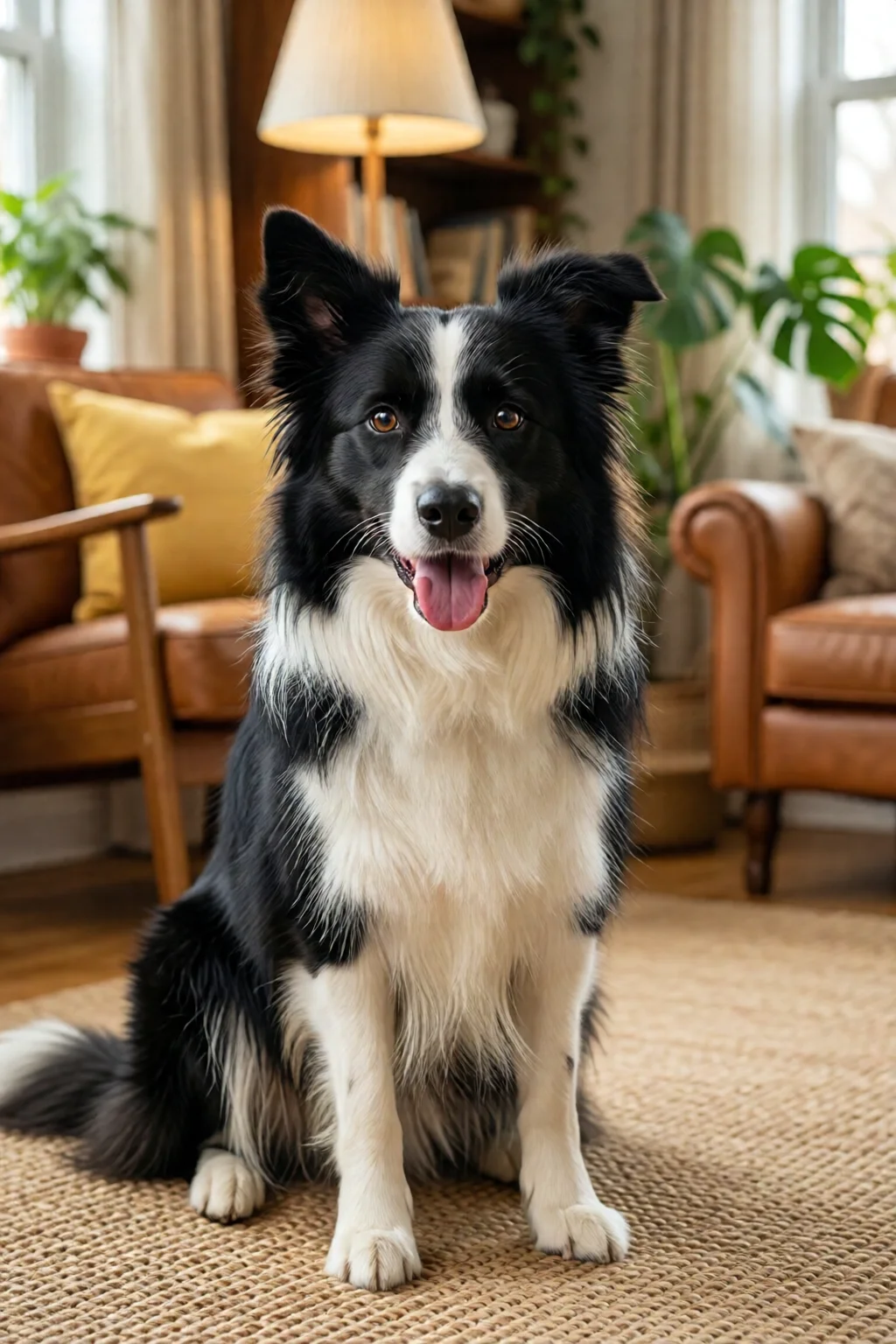
Step 3 – Mental Stimulation Games
Border collies are essentially canine athletes with a built‑in problem‑solver. Use clicker training to teach “find it” games. Hide a treat under one of three cups, click when they sniff the correct cup, then reward with a 2‑second KONG chew. Aim for 5 minutes, 3 times per day.
Advanced brain work
Introduce “target training” with a small disc. Teach the dog to tap the disc with its nose, then progress to “retrieve the disc from a distance” – a great way to combine focus and sprint.
Step 4 – Physical Exercise Plan
Physical work should be varied to protect joints and prevent boredom. Follow the 50/30/20 rule: 50 % high‑intensity (sprints, agility), 30 % moderate (steady jogs, long walks), 20 % low‑impact (stretching, swimming).
High‑Intensity Example: 10 × 30‑second sprints with 60‑second walk breaks on a 30‑meter field. Total: 10 minutes, burns ~120 kcal.
Moderate Example: 30‑minute “fast‑walk” on a trail at 3 mph. Burns ~200 kcal.
Low‑Impact Example: 15‑minute doggy yoga (pose “downward dog” together) – improves flexibility and reduces injury risk.
Track calories burned with a pet activity monitor like FitBark 2 ($99.99). Aim for a weekly burn of at least 1,500 kcal for a 30‑lb collie.
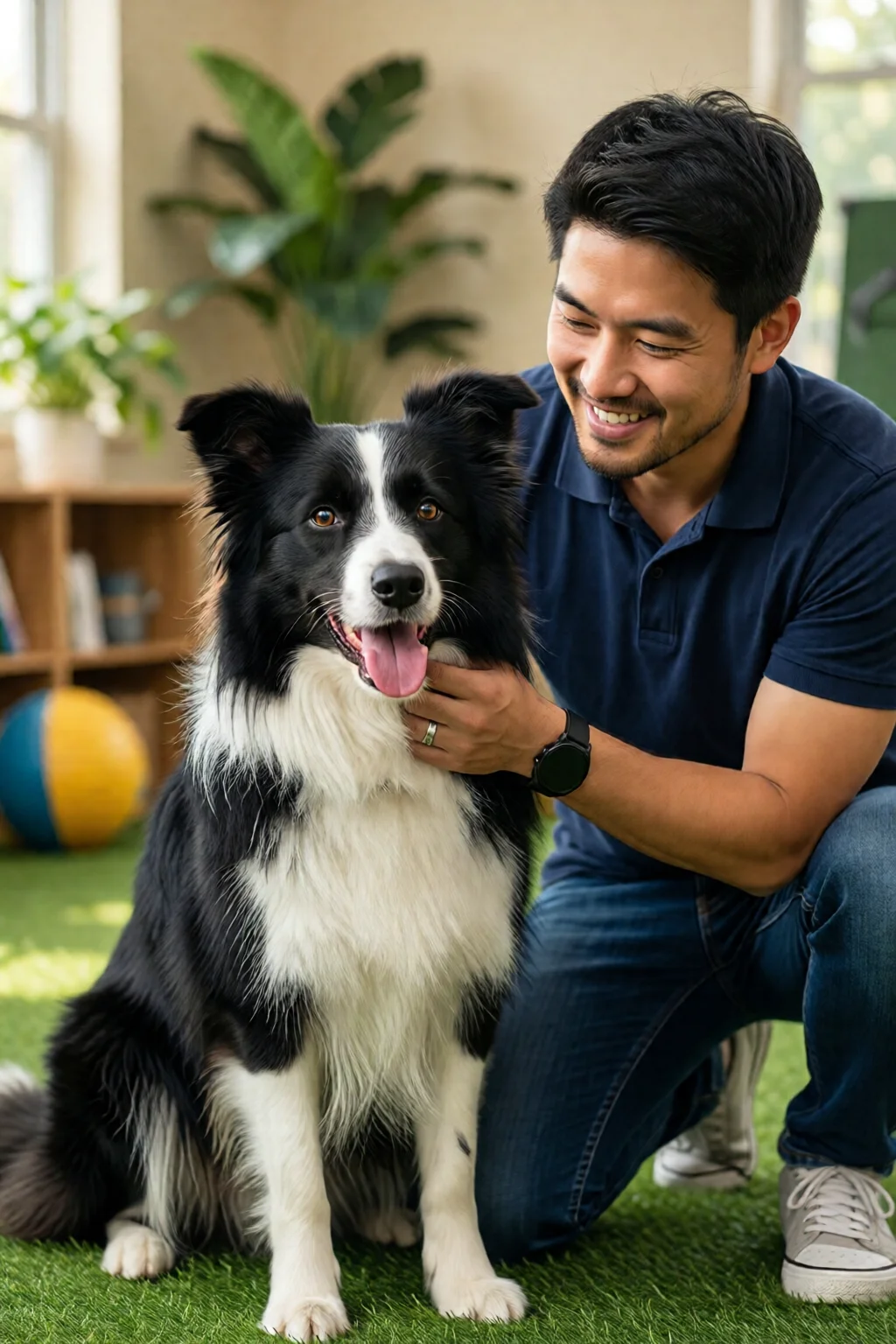
Step 5 – Consistency and Progression
Every two weeks, increase one variable by 10 %: add 5 seconds to sprints, add a new obstacle, or extend the hike by 0.2 mile. Document changes in your notebook; you’ll see patterns such as “improved focus after 3 weeks of scent work.”
Reward progress with high‑value treats (e.g., freeze‑dried chicken strips, $4.99 per 8‑oz bag) rather than extra food, to keep daily caloric intake stable.
Common Mistakes to Avoid
- Under‑estimating mental fatigue: One mistake I see often is stopping physical play the moment the dog looks tired, forgetting that mental exhaustion can set in earlier. A collie might still be physically capable but mentally drained after a long scent session.
- Skipping warm‑up: Jumping straight into sprints can strain the hips. A 5‑minute walk plus light “leg lifts” (gentle sit‑to‑stand) reduces injury risk by up to 25 %.
- Over‑reliance on treats: Too many calories from rewards can lead to weight gain. Use low‑calorie kibble or a piece of carrot as a “click” reward.
- Ignoring weather: On hot days (>85°F), reduce high‑intensity work by 30 % and provide plenty of water. A Thundershirt can help calm a collie that gets anxious when confined indoors.
- Inconsistent cues: Using multiple words for the same command confuses the dog. Stick to one phrase per behavior.
Troubleshooting & Tips for Best Results
Problem: Your collie loses focus during agility drills.
Solution: Shorten the drill to 3 obstacles, increase clicker rewards, and practice at a slower pace for 5 minutes before building back up.
Problem: Joint stiffness after hikes.
Solution: Add a joint supplement like best omega 3 supplements for dogs skin ($22.99 for 60 capsules) and incorporate a post‑walk massage using a gentle circular motion for 2 minutes per leg.
Problem: Excessive barking when you’re away.
Solution: Provide a puzzle feeder and a 20‑minute “training session” before you leave. The mental outlet reduces separation anxiety by up to 40 %.
Remember to pair physical activity with proper nutrition. A border collie on best dog food for sensitive stomachs may need a supplemental 10 % more protein if you’re increasing daily exercise.
Summary Conclusion
Border collie training and exercise needs revolve around two pillars: structured physical outlets and relentless mental challenges. By gathering the right gear, mapping a weekly routine, and progressively upping the intensity, you’ll keep your collie healthy, happy, and obedient. Track calories, watch for common pitfalls, and adjust based on your dog’s feedback – the results will be a well‑balanced companion who can sprint, solve puzzles, and still come home for a cuddle.
How many minutes of exercise does a border collie need each day?
A healthy adult border collie typically requires at least 120 minutes of vigorous exercise daily, split between high‑intensity play, moderate cardio, and low‑impact activities.
Can I substitute agility training with simple backyard games?
Yes. Simple games like “tire jump” using a hula‑hoop or “weave poles” made from PVC can provide comparable mental and physical stimulation when space is limited.
What should I feed my border collie after intense workouts?
Offer a high‑protein meal (around 30 % protein) within 30‑45 minutes post‑exercise. Adding a splash of water‑rich broth can aid hydration.
Is it safe to train a border collie on concrete surfaces?
Concrete can be hard on joints. Limit high‑impact sessions on such surfaces to under 15 minutes and always follow with a soft‑surface cool‑down, like grass or rubber mats.
How can I keep my border collie mentally stimulated on rainy days?
Indoor puzzle toys, scent work using hidden treats, and short obedience drills (5‑minute sessions) are excellent ways to burn mental energy when outdoor play isn’t possible.
3 commentaires sur « Best Border Collie Training And Exercise Needs Ideas That Actually Work »