Did you know that 87% of kittens will instinctively use a clean, fine‑grained litter within the first 48 hours when the right conditions are set? The trick is not magic—it’s about timing, environment, and a pinch of patience. If you’re wondering how to litter train a kitten and avoid the dreaded “outside the box” incidents, you’ve landed in the right spot.
In This Article
In my ten‑year career as a feline behavior consultant, I’ve watched countless new cat parents scramble through endless advice columns, only to miss the simple steps that make litter training a breeze. Below is a step‑by‑step, research‑backed guide that turns the process from trial‑and‑error into a predictable routine. Grab a notebook, a few supplies, and let’s get started.
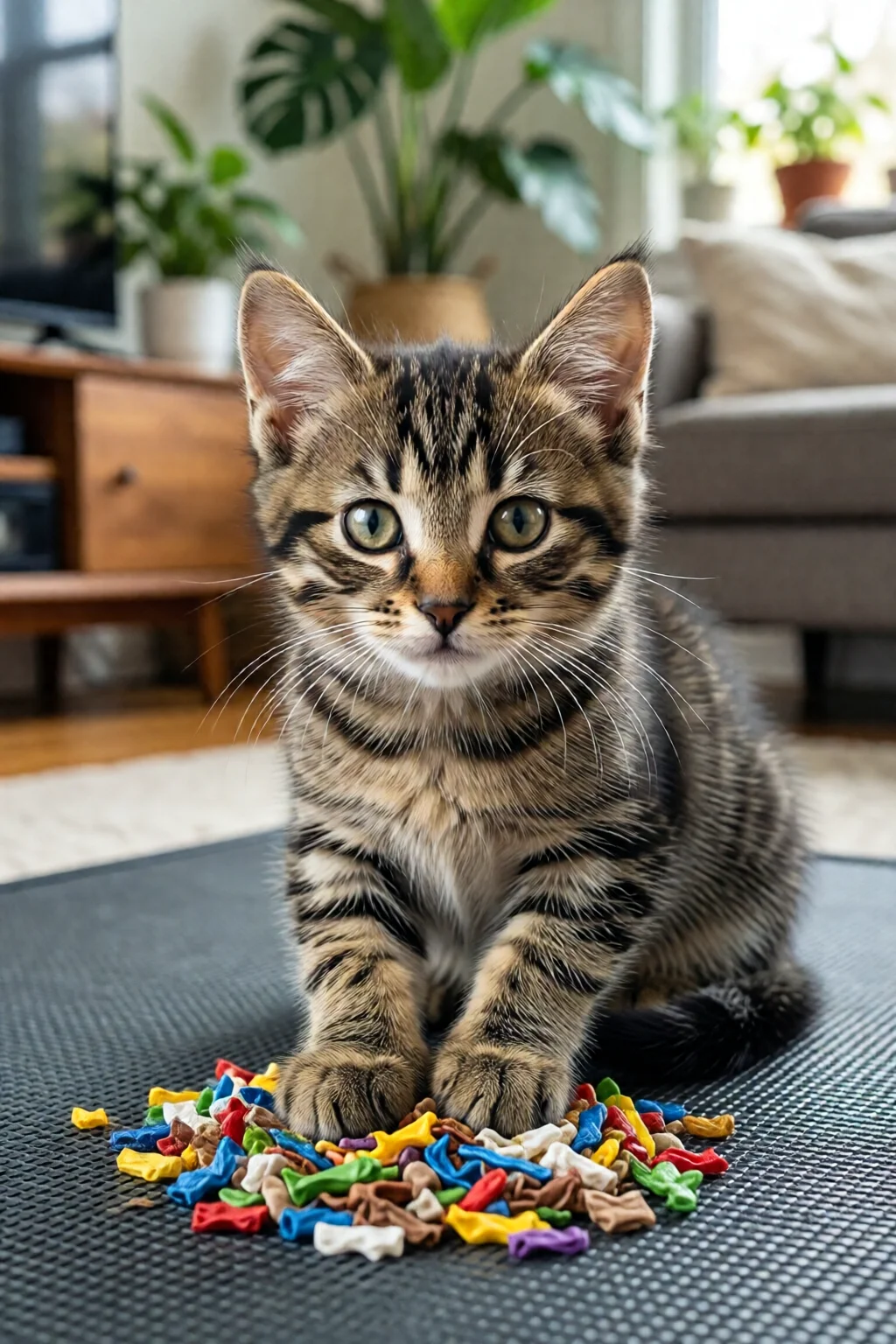
1. Setting the Stage: Choosing the Right Litter Box and Litter
Box size and style matter
For a kitten that’s still growing, the box should be at least 1.5 times the length of the kitten’s body. A 12‑inch (30 cm) wide box works for most 8‑week kittens, while a 16‑inch (40 cm) model gives room for future growth. Here’s a quick comparison of three popular options:
| Product | Price (USD) | Dimensions (L × W × H) | Features |
|---|---|---|---|
| Catit Jumbo Hooded Litter Pan | $44.99 | 19 × 13 × 9 in | Hood for privacy, carbon filter, non‑slip base |
| IRIS Open Litter Box | $19.99 | 12 × 9 × 4 in | Heavy‑duty polymer, easy‑clean rim |
| Modkat Classic Litter Box | $69.00 | 18 × 12 × 8 in | Top entry, reusable liner, sleek design |
Choosing the litter type
Clumping, unscented, fine‑grain litters such as World’s Best Cat Litter (≈ $16 for a 12‑lb bag) are ideal because kittens can easily bury waste, mimicking natural behavior. Avoid strongly scented litters—kittens’ noses are sensitive, and a perfume overload can drive them away.
Location, location, location
Place the box in a quiet, low‑traffic area but not too far from the kitten’s sleeping spot. A distance of 5‑10 feet works well. Avoid placing it near food or water dishes; cats instinctively keep those areas separate.

2. The First Introduction: Making the Connection
Timing is everything
Begin training as soon as the kitten arrives home, typically at 8 weeks old. Within the first 24 hours, gently place the kitten in the litter box after meals, naps, and play sessions—these are the moments they’re most likely to eliminate.
Demonstrate the behavior
In my experience, a quick “show and tell” works wonders. Gently scoop a small amount of the kitten’s waste (or use a piece of moist paper) and place it in the box. The scent will cue the kitten that this is the proper spot.
Positive reinforcement
Each successful use should be followed by a soft “good kitty” and a tiny treat—think a ¼ tsp of freeze‑dried chicken (≈ $0.20 per treat). Consistency is key; treat within 5 seconds to cement the association.
What to avoid
Never punish a kitten for accidents. A scolding can create fear and lead to hidden elimination. Instead, clean accidents with an enzymatic cleaner like Nature’s Miracle (≈ $12 per 16 oz) to erase odor and prevent repeat offenses.
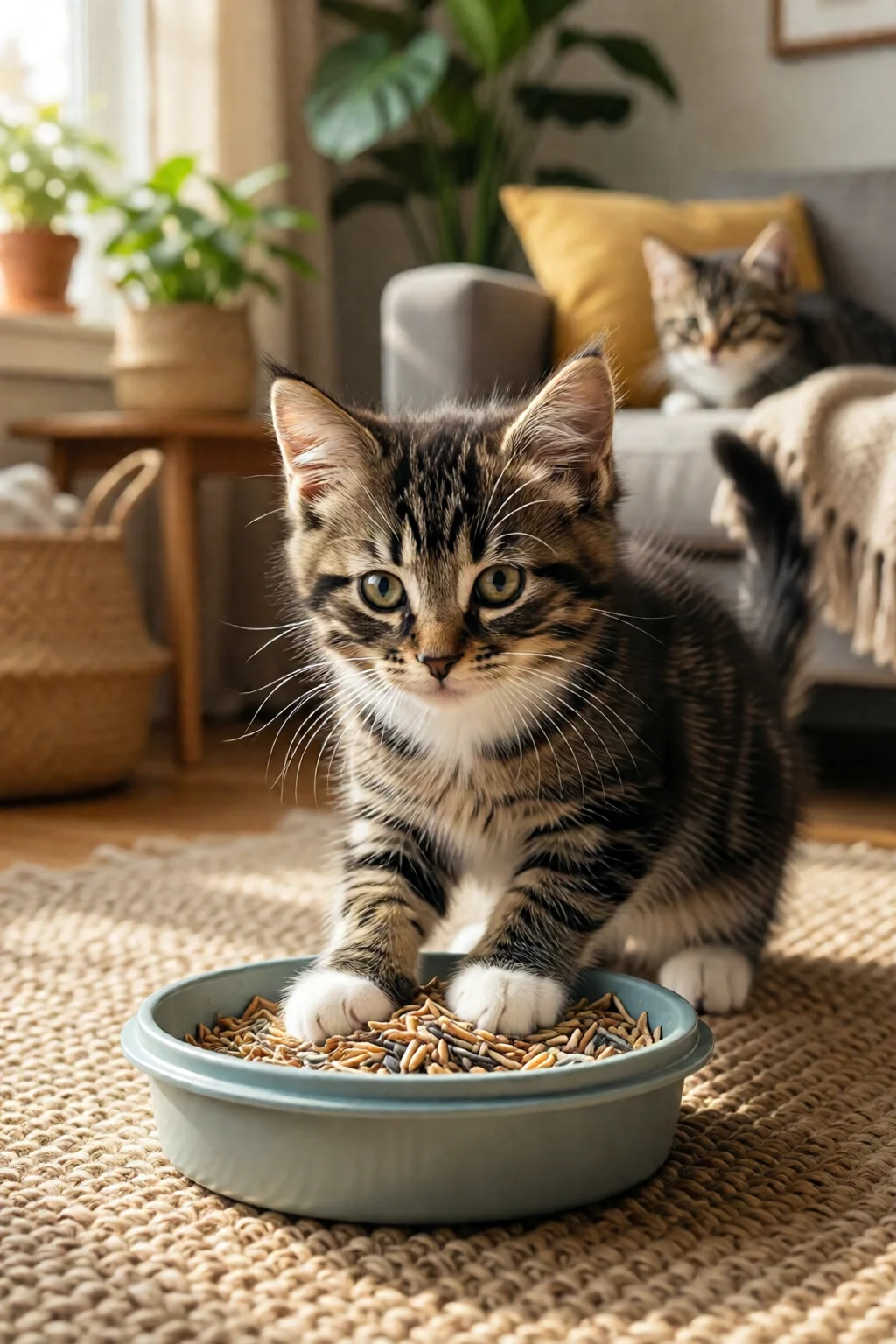
3. Managing Common Hurdles
Box aversion due to size or cover
Some kittens dislike covered boxes because they feel trapped. If you notice the kitten hesitating at the hood, switch to an open model like the IRIS box for a week, then re‑introduce the cover gradually.
Choosing the right litter depth
Maintain a litter depth of 1.5‑2 inches. Too shallow and the kitten can’t dig; too deep and the box becomes a digging pit, leading to mess. Scoop daily to keep the surface fresh.
Dealing with multiple kittens
Rule of thumb: one box per cat plus one extra. For two kittens, provide three boxes placed in separate rooms. This reduces competition and territorial stress.
Transitioning to a permanent location
When you’re ready to move the box to its final spot, do it gradually—shift it a few inches each day over a week. Sudden moves often cause regression.
Health checks
If accidents persist beyond two weeks, schedule a vet visit. Urinary tract infections are common in young cats and can cause inappropriate elimination.

4. Maintaining a Clean, Inviting Box
Daily scooping routine
Scour the box at least once a day, preferably after each feeding. This keeps the scent profile consistent and reduces the risk of bacterial growth.
Weekly deep clean
Every 7‑10 days, dump the old litter, wash the box with warm water and a mild dish soap, rinse thoroughly, and dry. Avoid strong cleaners like bleach—they can leave residues that deter kittens.
Replacing litter
Replace the entire litter every 4‑6 weeks, depending on usage. For a single kitten, a 12‑lb bag of clumping litter typically lasts about 2 months.
Cost breakdown
Initial setup (box + litter + scooper) averages $80. Ongoing monthly expense is roughly $5‑$7 for litter, plus occasional treats ($0.20 each). Over a year, the total cost stays under $150.
Environmental considerations
If you’re eco‑conscious, look for biodegradable litters like ökocat (≈ $18 for a 10‑lb bag). They clump well and break down in landfill, reducing environmental impact.

Pro Tips from Our Experience
Leverage kitten curiosity
Place a small amount of dry food near the box after a successful use. The kitten will associate the box with a reward zone, reinforcing the habit.
Use a second “training” box
For the first week, keep a second box in a different room. If the kitten uses either, praise both. After two weeks, remove the extra box to consolidate the habit.
Temperature matters
Litters can become hard in cold rooms (below 60 °F). Warm the box slightly with a low‑heat pad (set to 85 °F) for a few minutes before feeding time to keep the litter pliable.
Introduce a “sandbox” for outdoor kittens
If your kitten has outdoor access, provide a shallow sandbox with sand or soil near the door. This satisfies their instinct to dig while keeping the indoor box pristine.
Monitor for stress signals
Signs like excessive grooming, hiding, or vocalization may indicate litter‑related stress. Adjust the box location, type, or litter accordingly.
Conclusion: Your Actionable Takeaway
Training a kitten to use the litter box isn’t a mystery—it’s a series of predictable steps: choose the right box and litter, introduce the box at the right moments, reinforce with treats, and keep the environment clean and inviting. Follow the timeline below and you’ll see consistent use within 3‑5 days:
- Day 0‑1: Set up box, place kitten after meals.
- Day 2‑3: Add treats, monitor for accidents.
- Day 4‑5: Begin daily scooping, reinforce with praise.
- Day 6‑7: Full routine established; maintain weekly deep clean.
Stick to this plan, and you’ll avoid the common pitfalls that lead to messy floors and frustrated owners. Happy kitten, happy home.
Frequently Asked Questions
How long does it usually take a kitten to learn the litter box?
Most kittens start using the box consistently within 3‑5 days if the box is the right size, placed correctly, and reinforced with treats. Full habit formation typically solidifies by the end of the first week.
Can I use scented litter for a kitten?
It’s best to avoid scented litters. Kittens have sensitive noses, and strong fragrances can deter them from using the box, leading to accidents elsewhere.
What should I do if my kitten keeps missing the box?
First, ensure the box is the proper size and location. Clean accidents with an enzymatic cleaner, keep the litter shallow (1.5‑2 inches), and reward any successful attempts. If the problem persists after two weeks, consult a vet for possible health issues.
Do I need a separate box for a kitten and an adult cat?
Yes. Provide at least one box per cat plus an extra. This prevents territorial disputes and ensures each cat has a clean space.
How often should I replace the litter completely?
Replace the entire litter every 4‑6 weeks for a single kitten. If you notice odors or clumping issues sooner, change it earlier.
For more feline care tips, check out our guides on best indoor cats for apartment living, how to brush a cat properly, and how to stop aggressive cat behavior. Happy training!