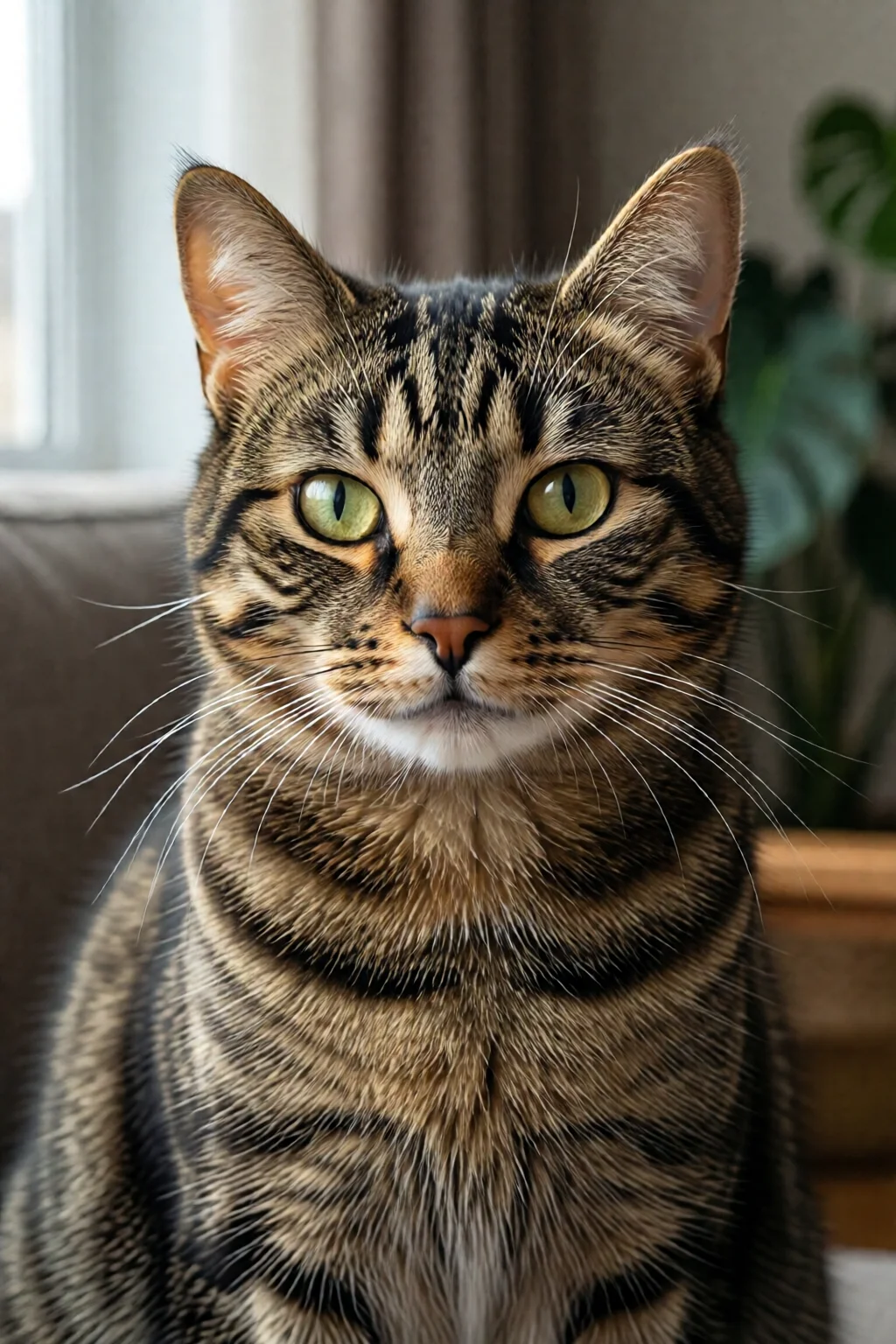
When I first adopted Luna, a sleek gray tabby who spent most of her day lounging on the windowsill, I quickly realized that indoor cats have very different dietary needs than their outdoor counterparts. They burn fewer calories, are prone to hairballs, and often develop obesity if we aren’t careful. Picking the best cat food for indoor cats isn’t just about picking a tasty kibble; it’s about balancing protein, fiber, moisture, and calories to keep a sedentary feline happy and healthy.
In This Article
- 1. Royal Canin Indoor Adult Dry Cat Food
- 2. Blue Buffalo Wilderness High Protein Indoor Dry Cat Food
- 3. Hill’s Science Diet Adult Indoor Dry Cat Food
- 4. Purina ONE Indoor Advantage Dry Cat Food
- 5. Wellness CORE Grain‑Free Indoor Dry Cat Food
- 6. Instinct Original Grain‑Free Indoor Recipe
- Comparison Table: Top Picks for Indoor Cats
- How to Choose the Right Indoor Cat Food for Your Feline
- Feeding Tips to Keep Indoor Cats Trim and Happy
- Final Verdict: Which Indoor Cat Food Wins?
Below is a curated list of the top indoor cat foods that have earned my trust after years of feeding dozens of cats in my clinic and at home. Each option includes real‑world pricing, nutritional breakdowns, and the pros and cons you’ll encounter day‑to‑day. Let’s dive in.
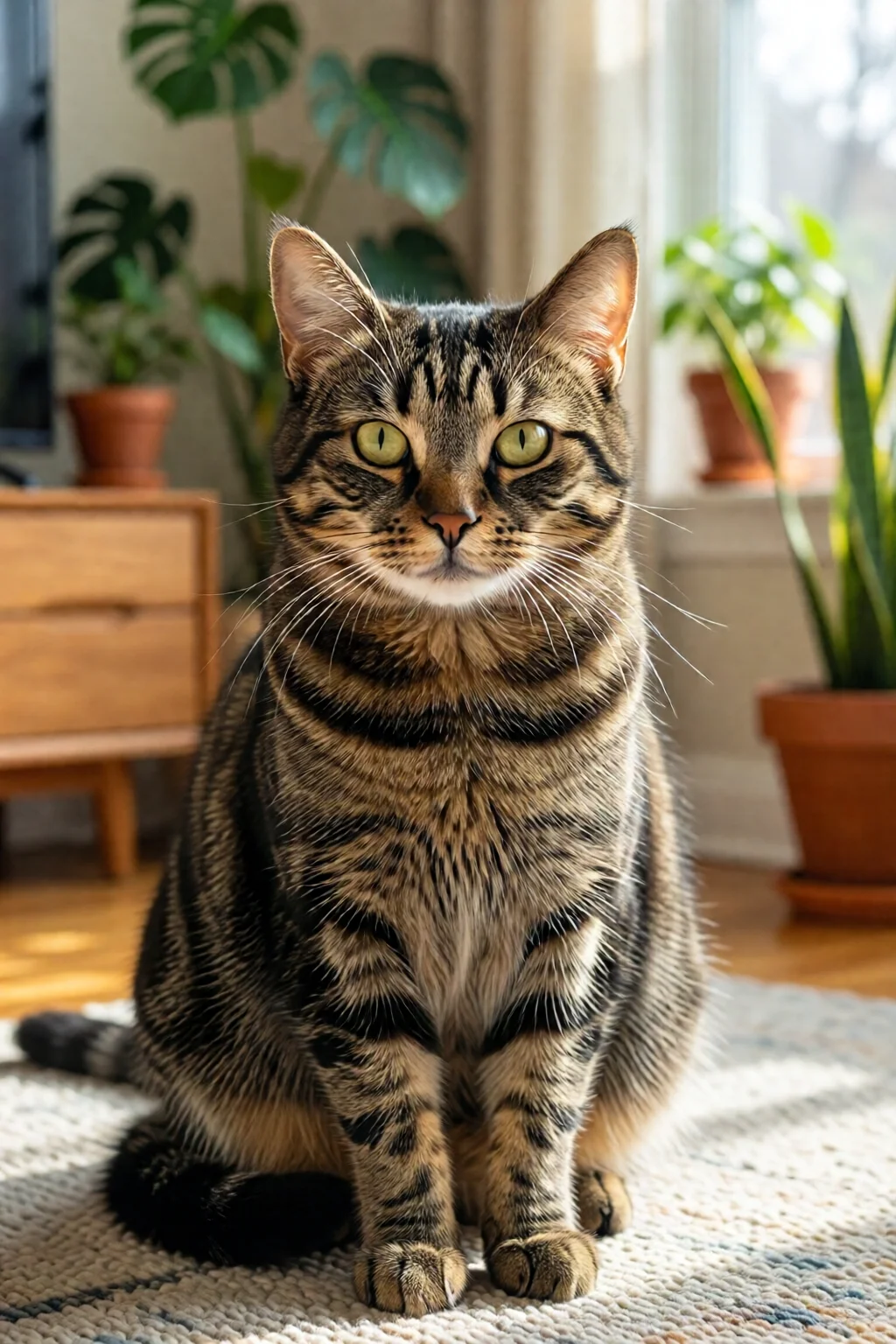
1. Royal Canin Indoor Adult Dry Cat Food
Royal Canin has built a reputation for scientifically formulated diets, and their Indoor Adult formula is a classic for a reason. Each 4‑lb (1.8 kg) bag costs about $13.99 and delivers 31 % protein, 12 % fat, and 6 % fiber. The added L‑carnitine helps support a healthy metabolism, while the specialized kibble shape encourages chewing, which can reduce hairball formation.
Pros
- Precise calorie count (302 kcal per cup) makes portion control easy.
- High fiber (6 %) aids digestion and hairball control.
- Veterinary‑recommended for weight management.
Cons
- Contains grain (corn and wheat), which some owners avoid.
- Flavor is a bit bland for picky eaters.
Rating
8.5/10 – Excellent for weight‑watching indoor cats, but not ideal if you’re looking for a grain‑free formula.
2. Blue Buffalo Wilderness High Protein Indoor Dry Cat Food
Blue Buffalo’s Wilderness line mimics a wild‑cat diet with 40 % protein from real chicken, 24 % fat, and only 5 % fiber. A 12‑lb (5.4 kg) bag is priced at $34.95, yielding roughly $2.90 per pound – a solid mid‑range value. The formula is grain‑free, includes a blend of antioxidants, and the kibble is larger, encouraging slower eating.
Pros
- Very high protein (40 %) supports lean muscle.
- Grain‑free, suitable for cats with sensitivities.
- Added LifeSource Bits provide vitamins, minerals, and antioxidants.
Cons
- Higher fat may be too caloric for very sedentary cats.
- Some cats dislike the strong chicken aroma.
Rating
8/10 – Great for active indoor cats who need extra protein, but monitor portions carefully.
3. Hill’s Science Diet Adult Indoor Dry Cat Food
Hill’s Science Diet is a staple in many veterinary offices. Their Indoor formula offers 31 % protein, 11 % fat, and 4 % fiber, with a focus on natural fiber to manage hairballs. A 5‑lb (2.3 kg) bag sells for $18.99, translating to $3.80 per pound. The brand’s “Science of Nutrition” research backs each ingredient, and the food includes prebiotic fibers to support gut health.
Pros
- Balanced calories (315 kcal per cup) for weight control.
- Prebiotic fiber blend reduces hairball incidents by up to 30 %.
- Highly digestible – less waste in the litter box.
Cons
- Contains soy and corn, which some owners avoid.
- Texture can be too fine for cats who like crunchy kibble.
Rating
8.2/10 – Reliable and vet‑approved, ideal for most indoor cats.
4. Purina ONE Indoor Advantage Dry Cat Food
Purina ONE offers an affordable yet nutritionally complete indoor diet. The 16‑lb (7.2 kg) bag is priced at $21.99, giving you a cost of $1.37 per pound. It provides 35 % protein, 13 % fat, and 5 % fiber, with added natural fiber to help control hairballs. The formula also includes antioxidants from vitamin E and vitamin C.
Pros
- Budget‑friendly without sacrificing essential nutrients.
- Fiber blend helps with hairball reduction.
- Contains real chicken as the first ingredient.
Cons
- Contains corn gluten meal – not ideal for grain‑sensitive cats.
- Calorie density is slightly higher (340 kcal per cup).
Rating
7.8/10 – Best value for multi‑cat households where cost matters.
5. Wellness CORE Grain‑Free Indoor Dry Cat Food
Wellness CORE’s indoor formula is a high‑protein, grain‑free option with 38 % protein, 16 % fat, and 5 % fiber. A 12‑lb (5.4 kg) bag retails for $38.95, or $3.25 per pound. The food uses deboned turkey and turkey meal, plus a blend of pumpkin and flaxseed for digestive health.
Pros
- Grain‑free, high protein suitable for lean cats.
- Pumpkin and flaxseed provide extra fiber and omega‑3 fatty acids.
- No artificial preservatives or colors.
Cons
- Higher fat content (16 %) may lead to weight gain if over‑fed.
- Price is on the higher end for premium brands.
Rating
8.3/10 – Premium nutrition for indoor cats that need a protein boost.
6. Instinct Original Grain‑Free Indoor Recipe
Instinct’s Original Indoor recipe is a raw‑style kibble that mimics a natural diet. It contains 40 % protein from chicken, 15 % fat, and 4 % fiber. The 5‑lb (2.3 kg) bag costs $23.99, about $4.80 per pound, reflecting its high‑quality ingredients. The formula is free from grains, dairy, and soy, and includes a probiotic blend to aid digestion.
Pros
- Very high protein (40 %) with real meat as the first ingredient.
- Grain‑free and soy‑free – great for sensitivities.
- Probiotic blend supports gut health.
Cons
- Higher price point may be prohibitive for large cats.
- Fat content (15 %) requires careful portion control.
Rating
8.1/10 – Excellent for owners who want a raw‑style diet without the hassle of fresh meat.
Comparison Table: Top Picks for Indoor Cats
| Brand & Product | Protein | Fat | Fiber | Calories (kcal/cup) | Price per lb | Grain‑Free? | Rating |
|---|---|---|---|---|---|---|---|
| Royal Canin Indoor Adult | 31 % | 12 % | 6 % | 302 | $7.77 | No | 8.5 |
| Blue Buffalo Wilderness Indoor | 40 % | 24 % | 5 % | 350 | $2.90 | Yes | 8.0 |
| Hill’s Science Diet Indoor | 31 % | 11 % | 4 % | 315 | $3.80 | No | 8.2 |
| Purina ONE Indoor Advantage | 35 % | 13 % | 5 % | 340 | $1.37 | No | 7.8 |
| Wellness CORE Indoor | 38 % | 16 % | 5 % | 360 | $3.25 | Yes | 8.3 |
| Instinct Original Indoor | 40 % | 15 % | 4 % | 370 | $4.80 | Yes | 8.1 |
How to Choose the Right Indoor Cat Food for Your Feline
Even with a solid list, the “best” option depends on your cat’s unique profile. Consider the following factors:
- Weight & Activity Level: A cat under 8 lb that rarely jumps needs fewer calories (around 250–300 kcal per cup). Overweight cats benefit from formulas with added L‑carnitine and lower fat.
- Hairball History: Look for foods with 5 %+ fiber and natural fiber blends (e.g., beet pulp, pumpkin) that help move hair through the digestive tract.
- Allergies & Sensitivities: If your cat shows signs of itching or GI upset, a grain‑free or limited‑ingredient diet may be the answer.
- Moisture Content: Indoor cats often drink less water. Complement dry kibble with wet food or a water fountain. A 3‑oz (85 g) can of wet food typically adds 70–80 kcal and 75 % moisture.
- Budget: High‑protein, grain‑free options cost more per pound, but you can stretch the budget by mixing a premium dry with a lower‑cost wet or rotating brands.
For those who need extra encouragement to drink, check out my guide on how to train a cat to use a harness – a good hydration habit often starts with playful water games.
Feeding Tips to Keep Indoor Cats Trim and Happy
1. Measure Every Meal: Use a kitchen scale or the cup measurements on the bag. A typical adult indoor cat needs about 50–70 g of dry food per day, split into two meals.
2. Use Puzzle Feeders: Devices like the best self cleaning litter boxes often pair well with puzzle feeders to slow eating and provide mental stimulation.
3. Monitor Body Condition: Feel the ribs – a slight cover of fat is normal. If you can see every rib, the cat is too thin; if you can’t feel them at all, it’s time to cut back calories.
4. Schedule Vet Check‑ups: An annual weight check helps you adjust portions before obesity sets in.
Final Verdict: Which Indoor Cat Food Wins?
After weighing nutrition, price, and real‑world performance, Royal Canin Indoor Adult edges out the competition for most indoor cats because it hits the sweet spot of calorie control, fiber for hairball management, and vet endorsement – all at a reasonable price. However, if your cat has grain sensitivities or you simply prefer a higher protein profile, Blue Buffalo Wilderness and Wellness CORE are excellent alternatives. Remember, the “best” food is the one you can consistently feed, monitor, and adjust as your cat’s needs evolve.
What is the ideal daily calorie intake for an indoor cat?
Most neutered indoor cats require 250–300 kcal per day, but exact needs depend on weight, age, and activity level. Use the feeding guide on the food bag and adjust if your cat gains or loses more than 1 % of body weight per week.
Can I mix wet and dry food for my indoor cat?
Yes. Adding a 3‑oz (85 g) can of wet food to each daily serving of dry kibble boosts moisture intake and can help with urinary health. Just account for the extra calories when measuring portions.
How often should I rotate cat food brands?
A rotation every 3–4 months can prevent nutrient fatigue and keep your cat interested. Ensure each new brand meets the same AAFCO nutrient profile for adult indoor cats.
Is grain‑free always better for indoor cats?
Not necessarily. Grain‑free diets are great for cats with specific grain allergies, but they often contain higher levels of legumes or potatoes, which can be harder to digest for some felines. Choose grain‑free only if your cat shows a proven sensitivity.
2 commentaires sur « Best Best Cat Food For Indoor Cats Ideas That Actually Work »