Bathing a cat without ending up with a shredded sleeve is possible—if you know the right steps.
In This Article
- 1. Set the Stage: Choose a Calm, Controlled Environment
- 2. Gather the Right Tools (and Know Which Ones Actually Work)
- 3. Trim Nails and Wear Protective Gear
- 4. Master the Gentle Bathing Technique
- 5. Choose a Cat‑Safe Shampoo and Rinse Method
- 6. Dry Without Turning the Bath Into a Battle
- 7. Reward, Reinforce, and Maintain a Scratch‑Free Routine
- Comparison Table: Top Picks for a Scratch‑Free Cat Bath
- Final Verdict
Most cat owners dread the bathtub because they picture their feline turning the routine into a full‑blown wrestling match. Yet a clean cat is a healthier cat, especially for breeds with dense coats or skin conditions. This list distills over a decade of grooming experience into a step‑by‑step plan that keeps both you and your kitty safe, calm, and (most importantly) scratch‑free.
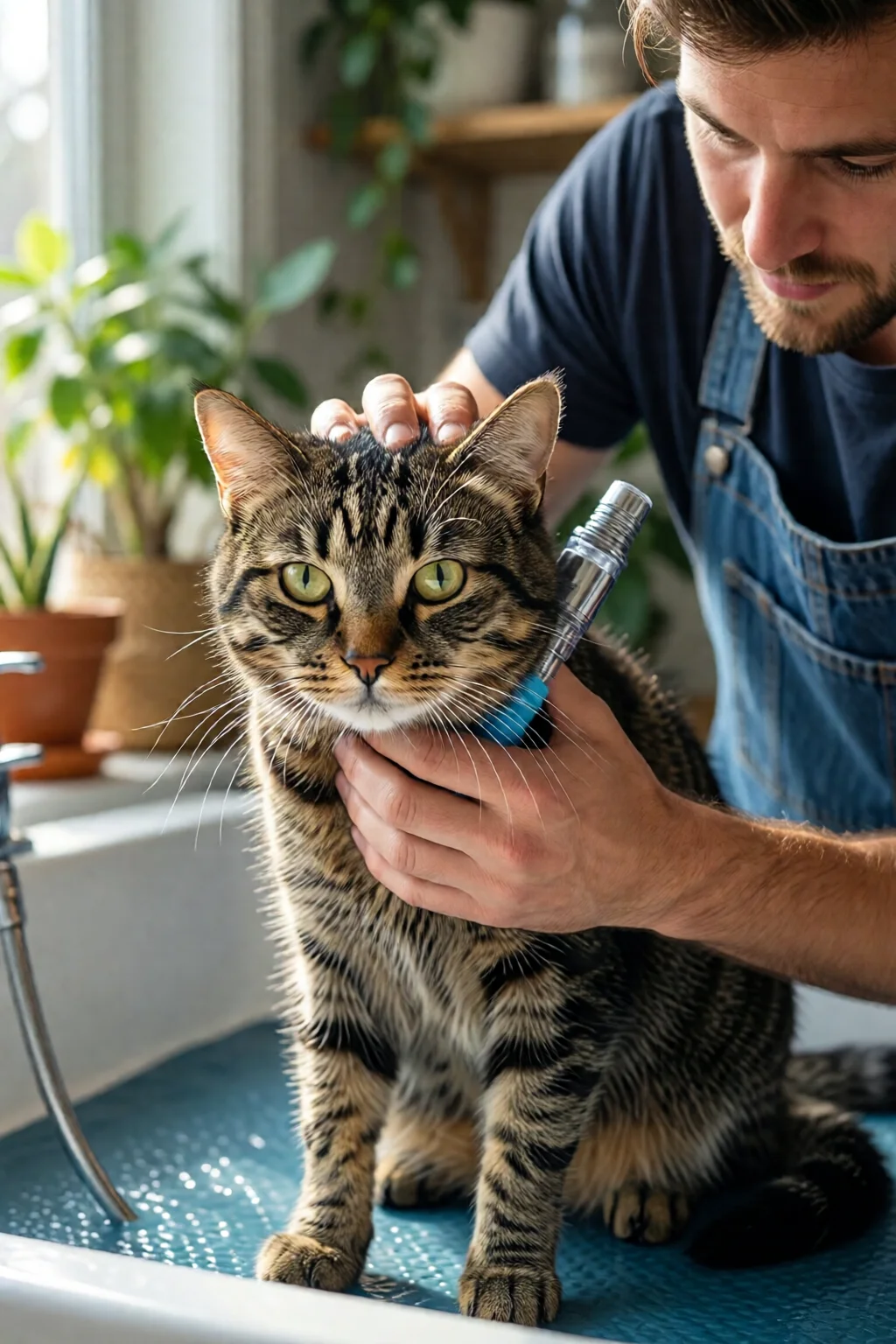
1. Set the Stage: Choose a Calm, Controlled Environment
Before you even think about water, create a low‑stress zone. A sink or a small tub works better than a full‑size bathtub because the cat feels less exposed. Fill it with a few centimeters (about 2‑3 inches) of lukewarm water—roughly 98°F (37°C) is ideal; colder water spikes anxiety, hotter water can burn delicate skin.
Lay a non‑slip mat (the best fish tank filters reviewed page mentions a silicone bath mat that costs $12.99 and provides a firm grip). A towel draped over the back of the sink adds a familiar scent and reduces echo, which cats often find unsettling.
One mistake I see often is turning the faucet on full blast. The sound alone can trigger a fight‑or‑flight response. Keep the water running low and speak in a soothing tone throughout.
2. Gather the Right Tools (and Know Which Ones Actually Work)
Having the proper gear is half the battle. Below is a quick rundown of my top five cat‑bath essentials, each with real‑world pros, cons, and price points.
| Product | Key Features | Pros | Cons | Price (USD) | Rating |
|---|---|---|---|---|---|
| Furminator Grooming Glove | Silicone bristles, one‑size fits most cats | Removes loose fur before the bath, reduces shedding by up to 30% | Not ideal for very short‑haired cats | $14.99 | 4.6/5 |
| Earthbath All Natural Cat Shampoo (Oatmeal & Aloe) | pH‑balanced, tear‑free formula | Gentle on sensitive skin, no synthetic fragrances | Foams less than dog shampoos—some owners think it’s ineffective | $9.95 (16 oz) | 4.8/5 |
| Petmate Cat Bath Tub | Collapsible, non‑slip surface, built‑in drain | Fits most sinks, easy to store, reduces splash | Requires assembly; adds $5 to total cost | $24.99 | 4.4/5 |
| KONG Cat Scratcher Bath Mat | Textured silicone, doubles as a scratching post | Distracts cat during bath, helps keep claws from gripping | May slide on very smooth countertops | $12.99 | 4.5/5 |
| Vet’s Best Ear Cleaner (for post‑bath cleaning) | Alcohol‑free, soothing aloe | Prevents ear infections after water exposure | Only needed if cat has ear issues | $7.99 (4 oz) | 4.7/5 |
Having these items on hand reduces the frantic “I forgot the brush!” moments that usually lead to claws flying. I keep the glove, shampoo, and towel within arm’s reach so I never have to leave the cat unattended.
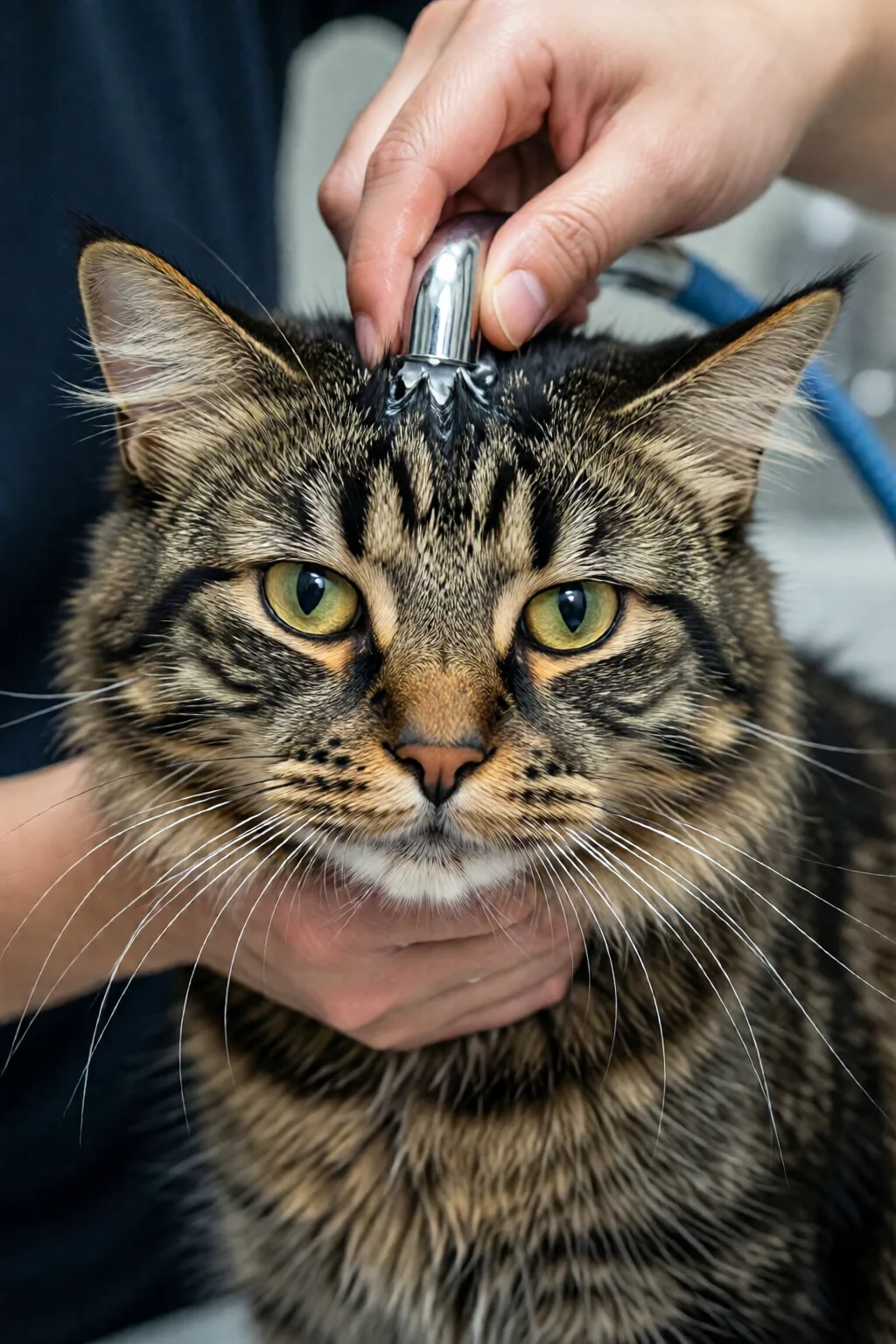
3. Trim Nails and Wear Protective Gear
Sharp claws are the primary cause of scratches. If your cat tolerates nail trims, clip the top third of each nail using a cat‑specific nail clipper (e.g., Safari Professional Cat Nail Trimmer, $8.99). The quick—blood vessel inside the nail—appears as a pink line; avoid cutting past it.
If your cat is nervous about nail trims, use a thick pair of gardening gloves (cost around $6) or a disposable cut‑resistant glove. The gloves protect you while still allowing enough dexterity to hold the cat gently.
In my experience, a quick 2‑minute nail check before the bath reduces the chance of a single swipe turning into a full‑blown “cat‑attack” scenario.
4. Master the Gentle Bathing Technique
Now for the actual soak. Follow this sequence without rushing:
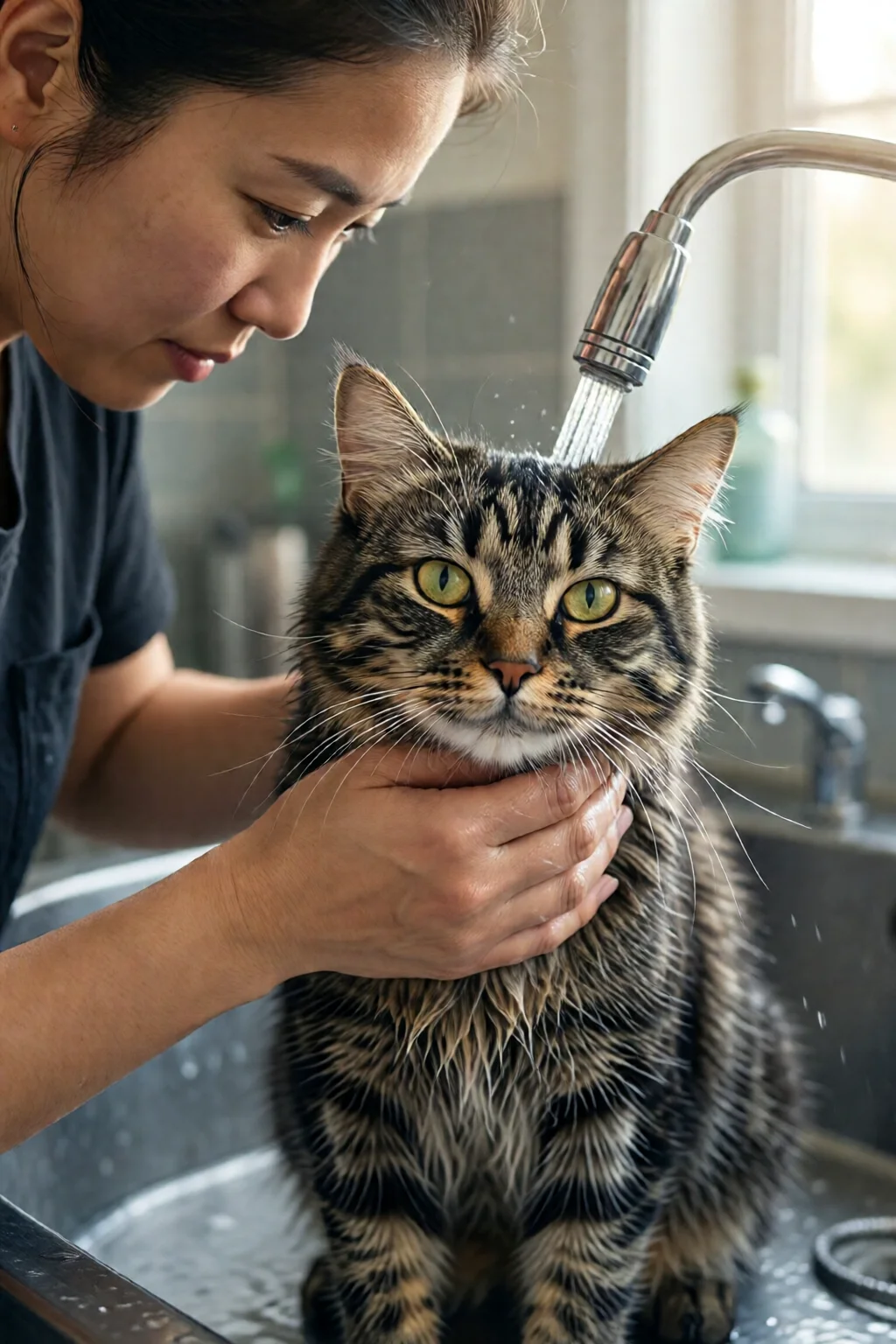
- Introduce the water slowly. Dip the cat’s front paws first, then the chest, allowing the animal to adjust. Speak softly: “Good girl, you’re doing great.”
- Use a handheld sprayer on the lowest setting. A garden sprayer (often sold for $15) works well for precise control. Aim at the back, not the face.
- Apply shampoo in a cupped hand. Lather from neck to tail, avoiding the eyes and ears. The Earthbath shampoo mentioned earlier rinses cleanly in about 30 seconds.
- Rinse with a cup of lukewarm water. Keep the flow gentle; a sudden rush feels like a torrent.
One tip that saves many owners from a panic attack: keep a favorite toy (like a feather wand) within reach. Tossing it gently into the water distracts the cat and redirects its focus from the splash to play.
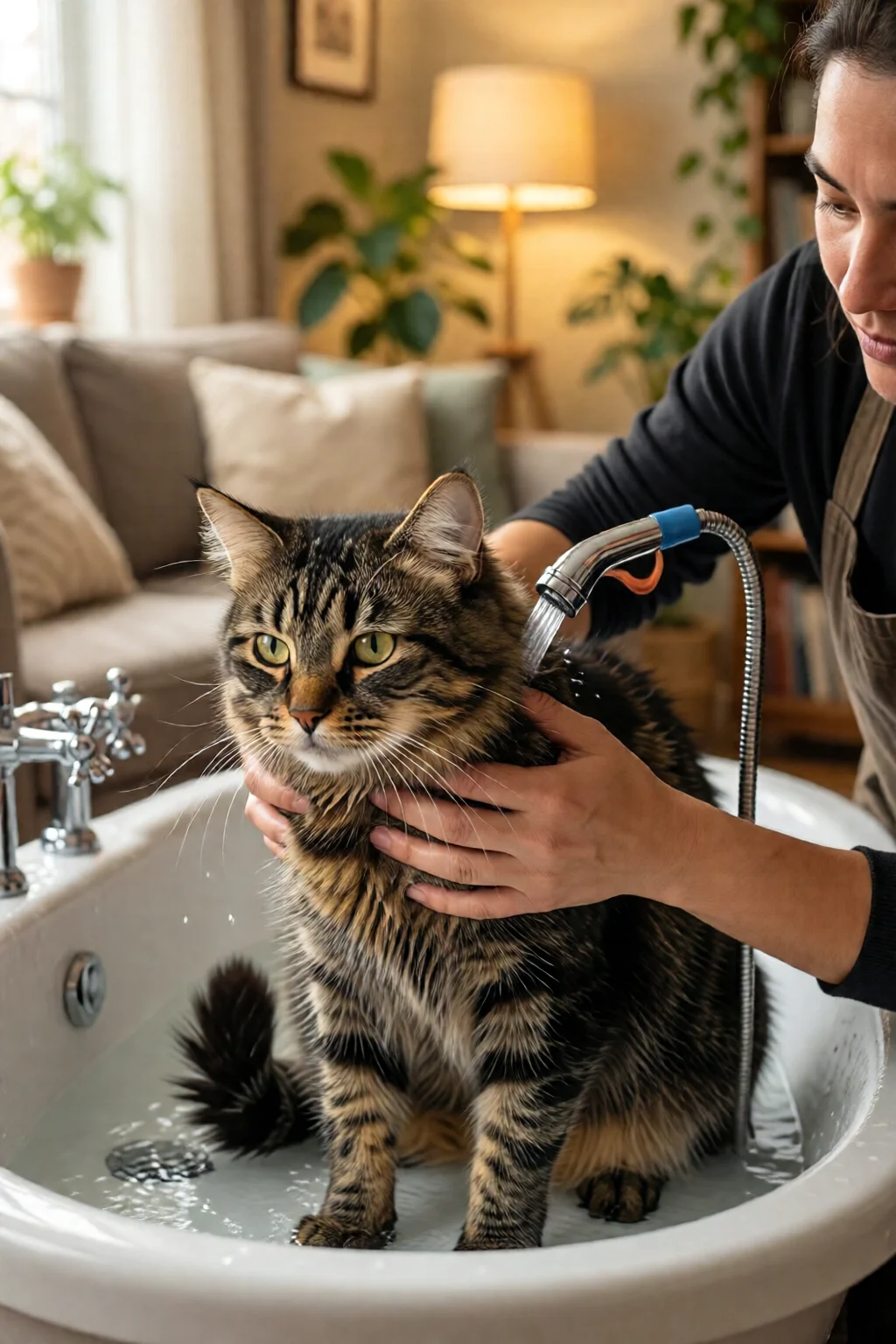
5. Choose a Cat‑Safe Shampoo and Rinse Method
Never use human shampoo. Cats’ skin pH is around 6.5–7.5, while human shampoos are formulated for a more acidic range (5.0–5.5). The Earthbath Oatmeal & Aloe blend respects this pH, reduces itching, and costs less than $10 for a bottle that lasts 20 baths.
If you own a hairless breed like a Sphynx, refer to our sphynx cat care bathing and skin guide. Sphynx cats need a moisturizing shampoo (e.g., Vet’s Best Hypoallergenic Cat Shampoo, $11.95) because their skin can dry out quickly.
Rinse thoroughly—any residue can cause hot spots. I count to 30 while pouring water over the back; the cat usually relaxes enough to let the water flow.
6. Dry Without Turning the Bath Into a Battle
After the rinse, gently lift the cat and place it on a large, absorbent towel (a microfiber bath towel, $13, holds up to 2 pints of water). Pat, don’t rub; vigorous rubbing can irritate the skin and provoke a swat.
If your cat tolerates a low‑heat blow dryer (set to “cool” or “warm,” never “hot”), use it for 2‑3 minutes while brushing with the Furminator glove. This combo reduces shedding by up to 25% and speeds up drying time—critical for cats that get “shivering” after a bath.
For those whose cats simply won’t stay still, the KONG Scratcher Bath Mat doubles as a safe surface where the cat can knead and scratch while you finish drying. The textured silicone also catches stray claws, preventing them from digging into the towel.
7. Reward, Reinforce, and Maintain a Scratch‑Free Routine
The moment the cat is dry, offer a high‑value treat (a small piece of cooked chicken or a commercial cat treat worth about $0.25). Pair the treat with gentle petting to associate bath time with positive outcomes.
Schedule regular grooming sessions—once a week for short‑haired cats, twice a week for long‑haired breeds. Consistency lowers stress, meaning future baths will be quicker and less likely to end in scratches.
Lastly, keep a quick reference sheet near your sink that lists your cat’s favorite calming cue (e.g., “soft music” or “the lavender spray I use”). Over time, the cat will recognize the cue and stay calmer, reducing the odds of a scratch attack.
Comparison Table: Top Picks for a Scratch‑Free Cat Bath
| Category | Best Value | Best for Sensitive Skin | Best for Small Spaces |
|---|---|---|---|
| Glove/Brush | Furminator Grooming Glove – $14.99 | Earthbath Cat Brush – $11.49 | Petstages Cat Paw Brush – $9.99 |
| Shampoo | Earthbath Oatmeal & Aloe – $9.95 | Vet’s Best Hypoallergenic – $11.95 | John’s Premium Cat Shampoo – $8.99 |
| Bath Tub | Petmate Cat Bath Tub – $24.99 | Portable Fold‑Flat Cat Tub – $19.99 | Sink‑Fit Silicone Basin – $13.99 |
| Drying | Microfiber Bath Towel – $13.00 | Low‑Heat Pet Dryer – $35.99 | Quick‑Dry Towel Wrap – $7.99 |
Final Verdict
If you follow these seven steps, the phrase “how to bathe a cat without getting scratched” becomes less of a nightmare and more of a manageable routine. The key ingredients are preparation, the right tools, and a calm mindset. By trimming nails, using a non‑slip mat, and rewarding your cat, you’ll turn a potentially chaotic experience into a bonding session that both of you can enjoy.
Can I bathe my cat without using a bathtub?
Yes. A kitchen sink, a large bucket, or a portable collapsible tub works well. The important factor is a stable, non‑slip surface and enough space for the cat to feel secure.
How often should I bathe my cat?
Most healthy indoor cats need a bath only every 4–6 weeks, unless they get into something sticky. Long‑haired breeds or cats with skin conditions may benefit from more frequent, gentle baths.
What should I do if my cat panics during the bath?
Stop the water, gently wrap the cat in a towel, and speak in a soothing voice. Offer a treat and wait a few minutes before trying again. Using a calming pheromone spray (e.g., Feliway) can also reduce anxiety.
Is it safe to use a hair dryer on my cat?
A low‑heat or cool setting is safe if you keep the dryer moving and never hold it too close (no less than 6 inches). For cats that are extremely nervous, stick to towels and air‑dry.
Where can I learn more about introducing a new pet after bathing?
Check out our guide on how to introduce two cats to each other and the article on how to introduce a new dog to your home for tips on smooth transitions.
4 commentaires sur « How To Bathe A Cat Without Getting Scratched: Complete Guide for 2026 »