Last summer I set up a 20‑gallon planted community tank for a shy school of neon tetras I’d rescued from a local pet store. Within weeks the fish were flashing their iridescent blues and reds, darting through Java fern and Anubias like tiny neon rockets. The tank looked spectacular—until a single aggressive dwarf gourami started nipping at the tetras’ fins. That experience taught me two things: neon tetras thrive when their environment mimics a soft‑water stream, and choosing the right tank mates is as crucial as the water chemistry.
In This Article
- 1. Tank Size, Shape, and Water Parameters – The Foundation of Success
- 2. Filtration, Flow, and Oxygenation – Keeping the Water Clean and Calm
- 3. Lighting, Substrate, and Live Plants – Recreating a Neon‑Bright Habitat
- 4. Feeding Regimen – Nutrition That Keeps Their Colors Vibrant
- 5. Best Tank Mates – Compatibility, Pros, Cons, and Ratings
- 6. Common Health Issues and How to Treat Them
- 7. Maintenance Schedule – Keeping the Tank Pristine Without Overworking Yourself
- Final Verdict – Is the Neon Tetra Right for You?
In this neon tetra care guide and tank mates list, I’ll walk you through everything you need to keep a healthy, colorful school—from tank setup and daily feeding to the best compatible companions. You’ll get concrete numbers, product recommendations with prices, and the pitfalls I see beginners make. Let’s dive in.
1. Tank Size, Shape, and Water Parameters – The Foundation of Success
Why size matters: Neon tetras are schooling fish that feel safest in groups of six or more. A cramped 5‑gallon bowl may look cute, but it stresses the fish and spikes the risk of disease. I recommend a minimum of 10 gallons for a modest school, but 20 gallons (75 L) gives you room for live plants, décor, and compatible tank mates.
Ideal dimensions: A long, low tank (e.g., 30 × 12 × 12 inches) creates a horizontal swimming space that mimics their natural riverine habitat. The extra length also distributes the school, reducing aggression.
Water chemistry:
- Temperature: 72‑78 °F (22‑26 °C). I keep mine at 75 °F using an EcoPlus 50‑Watt submersible heater ($29.99) for a 20‑gallon tank.
- pH: 6.0‑7.0. Soft water is key; if your tap water is hard, add Seachem Equilibrium (1 g per 10 gallons) to lower hardness.
- GH/KH: < 5 dGH, < 2 dKH. Use a reliable test kit like API Freshwater Master Test Kit ($24.95).
Pro tip: Perform a 25‑percent water change weekly to keep nitrate below 20 ppm. In my experience, a 5‑minute drip cycle with a Fluval 07 Power Filter (rated for 30 gallons, $45) maintains stable parameters without creating strong currents that stress neon tetras.
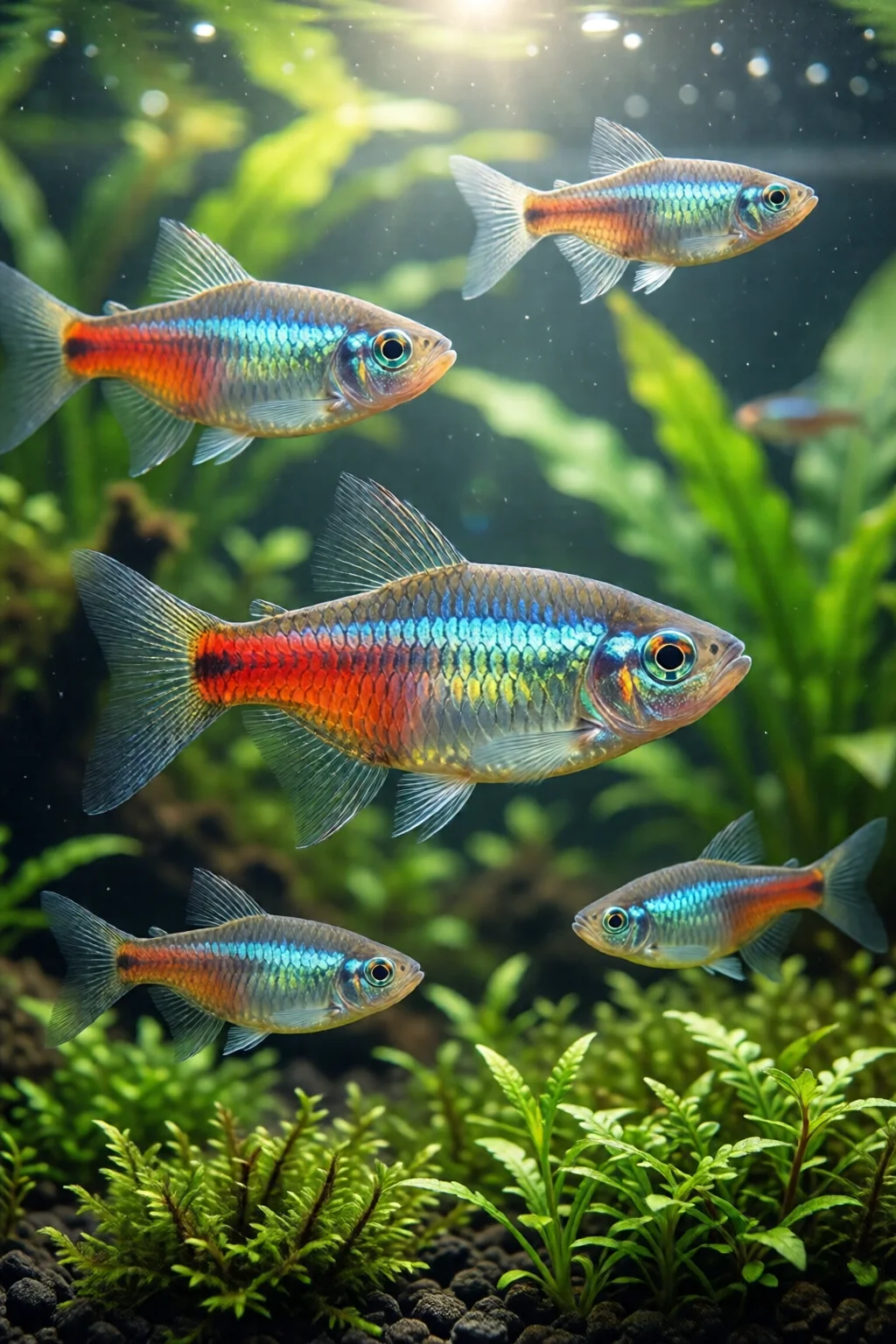
2. Filtration, Flow, and Oxygenation – Keeping the Water Clean and Calm
Neon tetras love calm water with gentle flow. A filter that churns the water too aggressively will exhaust them. I favor a hang‑on‑back (HOB) filter with adjustable flow, such as the Aqueon QuietFlow 20 ($38). Set it to low or medium; the water should ripple, not roar.
Biological media: Choose ceramic rings or bio‑balls that provide ample surface area for beneficial bacteria. In my 20‑gallon setup, I use 2 × 30 mm ceramic rings (included with the filter) and replace them every 6‑12 months.
Oxygenation: A small air stone connected to a low‑noise air pump (e.g., Tetra Whisper Air Pump, $12) adds micro‑bubbles that improve gas exchange without creating a turbulent current.
Cons: Over‑filtering can cause stress. If you notice the tetras constantly hiding behind décor, reduce flow or add a spray bar to diffuse the water.
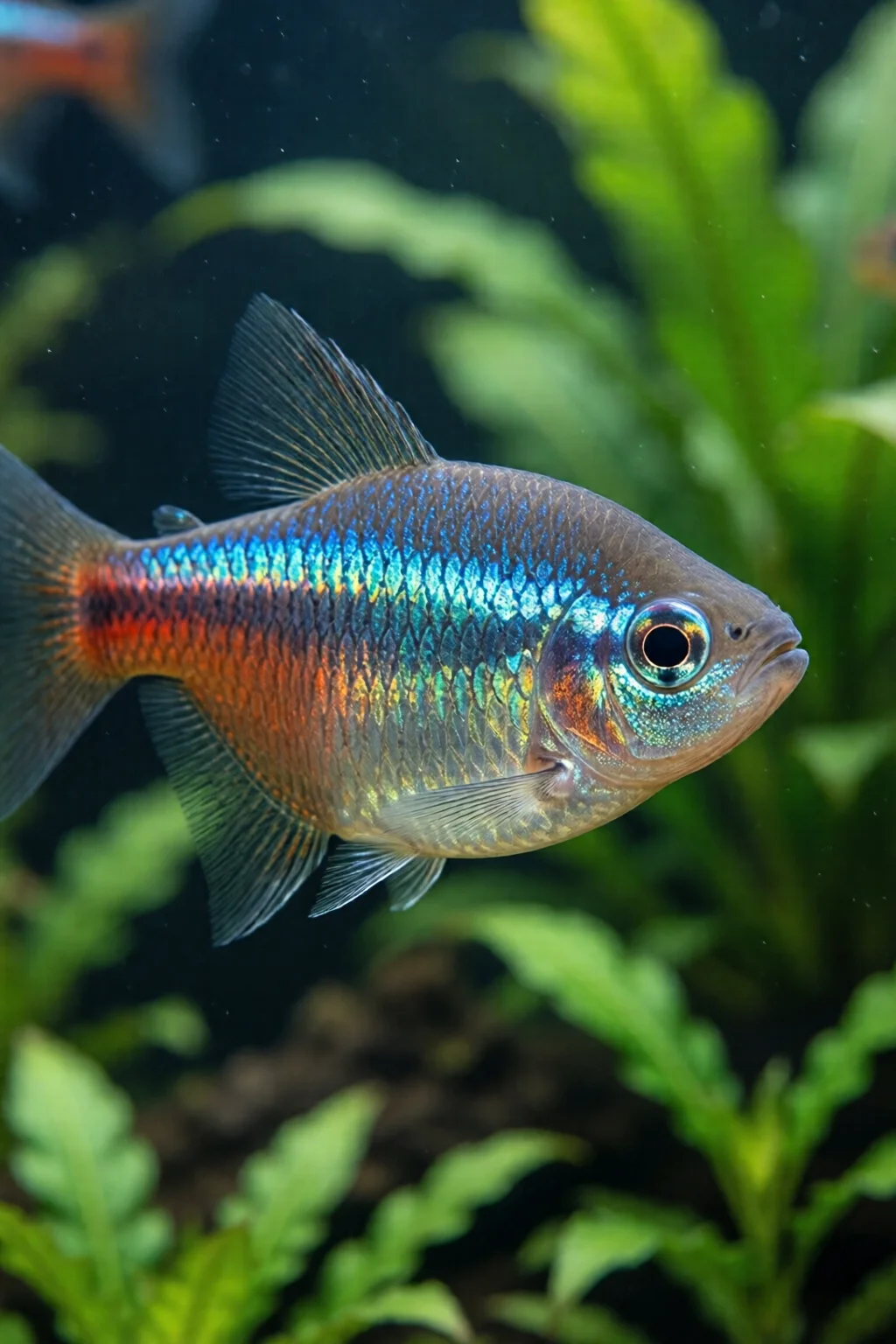
3. Lighting, Substrate, and Live Plants – Recreating a Neon‑Bright Habitat
Neon tetras thrive in a planted, dimly lit environment that mimics the dappled sunlight of a shaded stream. Here’s my go‑to setup:
- Substrate: Fine‑grained, nutrient‑rich substrate like CaribSea Eco-Complete (1 lb = $19.99) provides a stable base for plant roots.
- Lighting: A 20‑watt LED fixture with a full‑spectrum blend (6500 K) such as the NICREW ClassicLED Plus ($39.95) supports plant growth without overheating the water.
- Plants:
- Java fern (Microsorum pteropus) – attaches to driftwood, low light.
- Anubias nana – hardy, tolerates low CO₂.
- Amazon sword (Echinodorus grisebachii) – adds vertical height, needs a nutrient‑rich root zone.
For added CO₂, a DIY yeast system can raise growth, but it’s optional for beginners. In my experience, a well‑lit planted tank reduces algae and gives neon tetras plenty of hiding spots, decreasing stress.
Rating (Lighting): ★★★★★ – bright, energy‑efficient, easy to install.
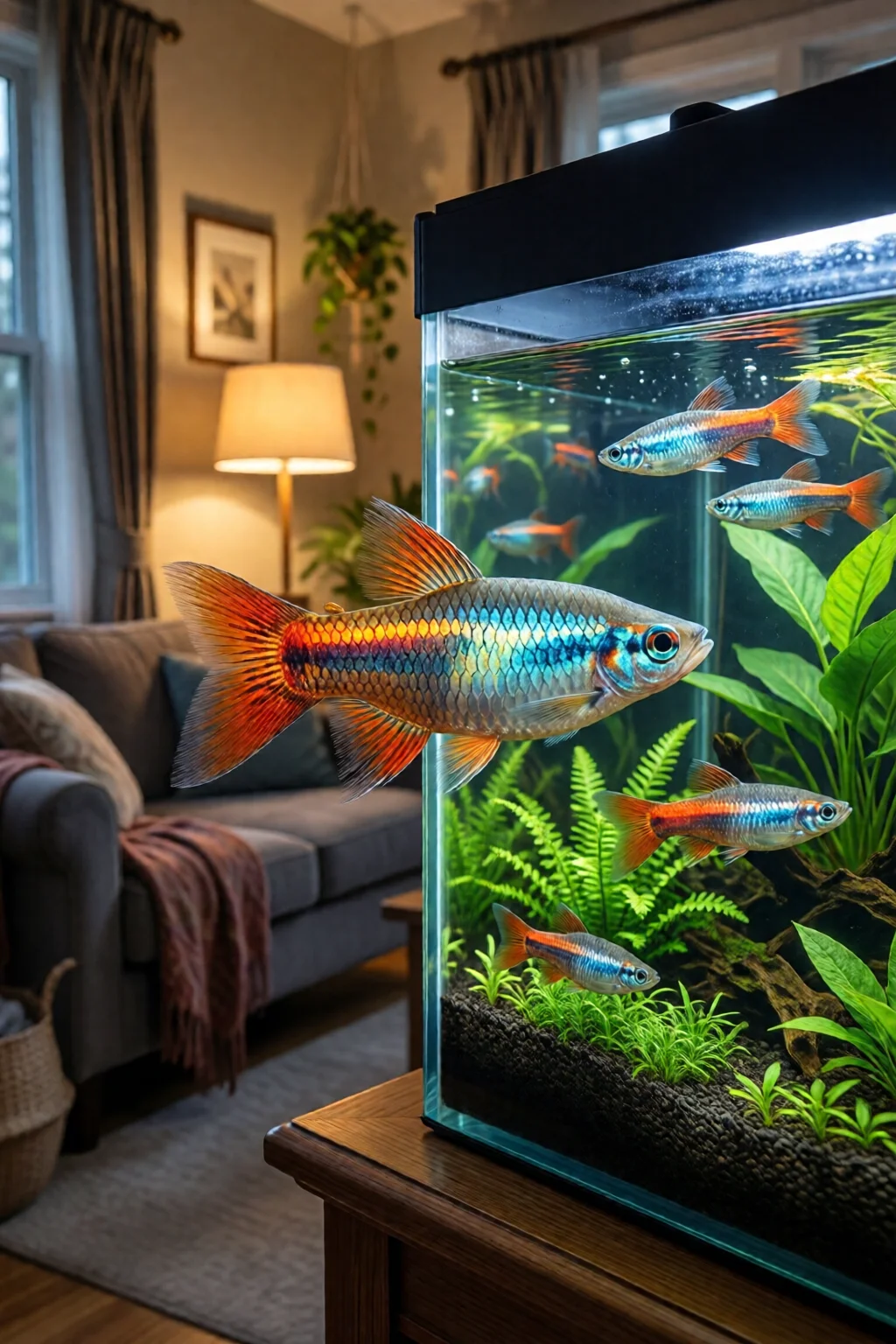
4. Feeding Regimen – Nutrition That Keeps Their Colors Vibrant
Neon tetras are omnivores that thrive on a varied diet. Here’s a day‑by‑day feeding schedule that works for my school of eight:
- Morning (once daily): A pinch of high‑quality flake food such as API Tropical Fish Food (500 g, $5.49). Flakes should be no larger than the fish’s mouth.
- Evening (3‑4 times a week): Freeze‑dried bloodworms or daphnia (e.g., San Francisco Bay Freeze‑Dried Bloodworms, 2 lb, $12.95). Soak for 2 minutes before feeding.
- Twice a month: Live or frozen brine shrimp to boost protein and stimulate natural foraging.
Feed only what they can consume within 2‑3 minutes to avoid excess waste. Overfeeding is the #1 cause of cloudy water in neon tetra tanks.
Pro tip: Rotate protein sources to prevent dietary deficiencies. In my tanks, I alternate bloodworms, brine shrimp, and high‑quality micro‑pellets for variety.
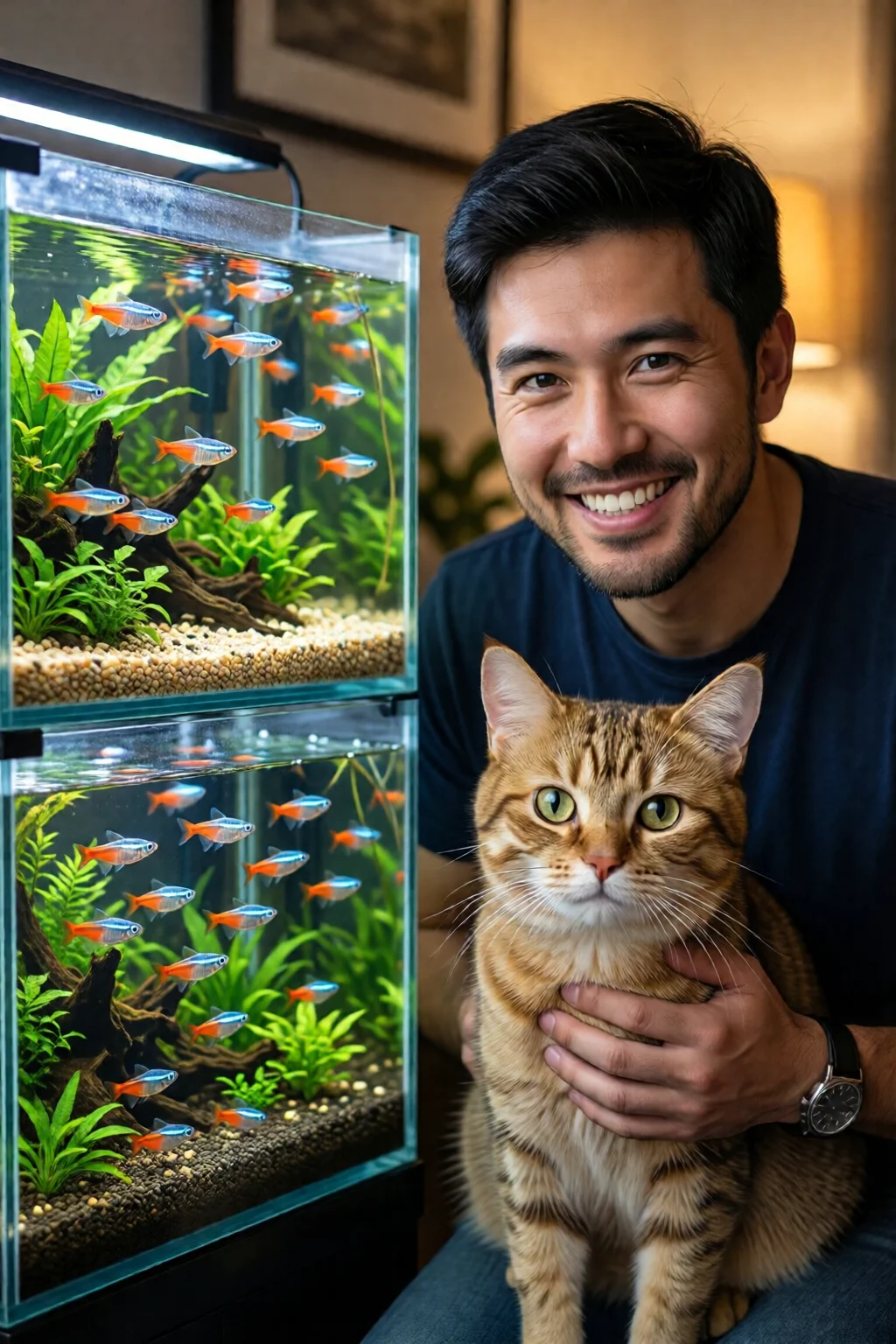
5. Best Tank Mates – Compatibility, Pros, Cons, and Ratings
Choosing companions that share similar water preferences and temperaments is crucial. Below are my top five tank mates, each with a quick rating out of five stars based on compatibility, size, and ease of care.
| Species | Size (inches) | Ideal Group Size | Compatibility Rating | Pros | Cons |
|---|---|---|---|---|---|
| Harlequin Rasbora (Trigonostigma heteromorpha) | 1.5‑2 | 6‑10 | ★★★★★ | Peaceful, similar water parameters, colorful. | Can be shy if tank is too open. |
| Corydoras Catfish (Corydoras paleatus) | 2‑2.5 | 4‑6 | ★★★★☆ | Bottom‑dweller, cleans leftover food, hardy. | Needs soft sand substrate. |
| Otocinclus Catfish (Otocinclus affinis) | 1‑1.5 | 5‑8 | ★★★★☆ | Excellent algae eater, non‑aggressive. | Sensitive to water spikes; requires stable parameters. |
| Cherry Barb (Puntius titteya) | 2‑2.5 | 4‑6 | ★★★☆☆ | Bright red males add contrast. | Can become semi‑territorial in very small tanks. |
| Dwarf Gourami (Trichogaster lalius) | 2‑2.5 | 1‑2 | ★★☆☆☆ | Striking colors, occupies upper‑mid level. | May nip at neon tetras, especially in cramped setups. |
Why these work: Harlequin rasboras and Corydoras share the same soft‑water, slightly acidic preferences and occupy different tank levels, reducing competition. Otocinclus help keep algae in check, a task neon tetras rarely do.
One mistake I see often: Adding a single large, fast‑swimming fish (e.g., a zebra danio) to a neon tetra community. The danio’s high activity level and larger size can intimidate the tetras, leading to chronic stress.
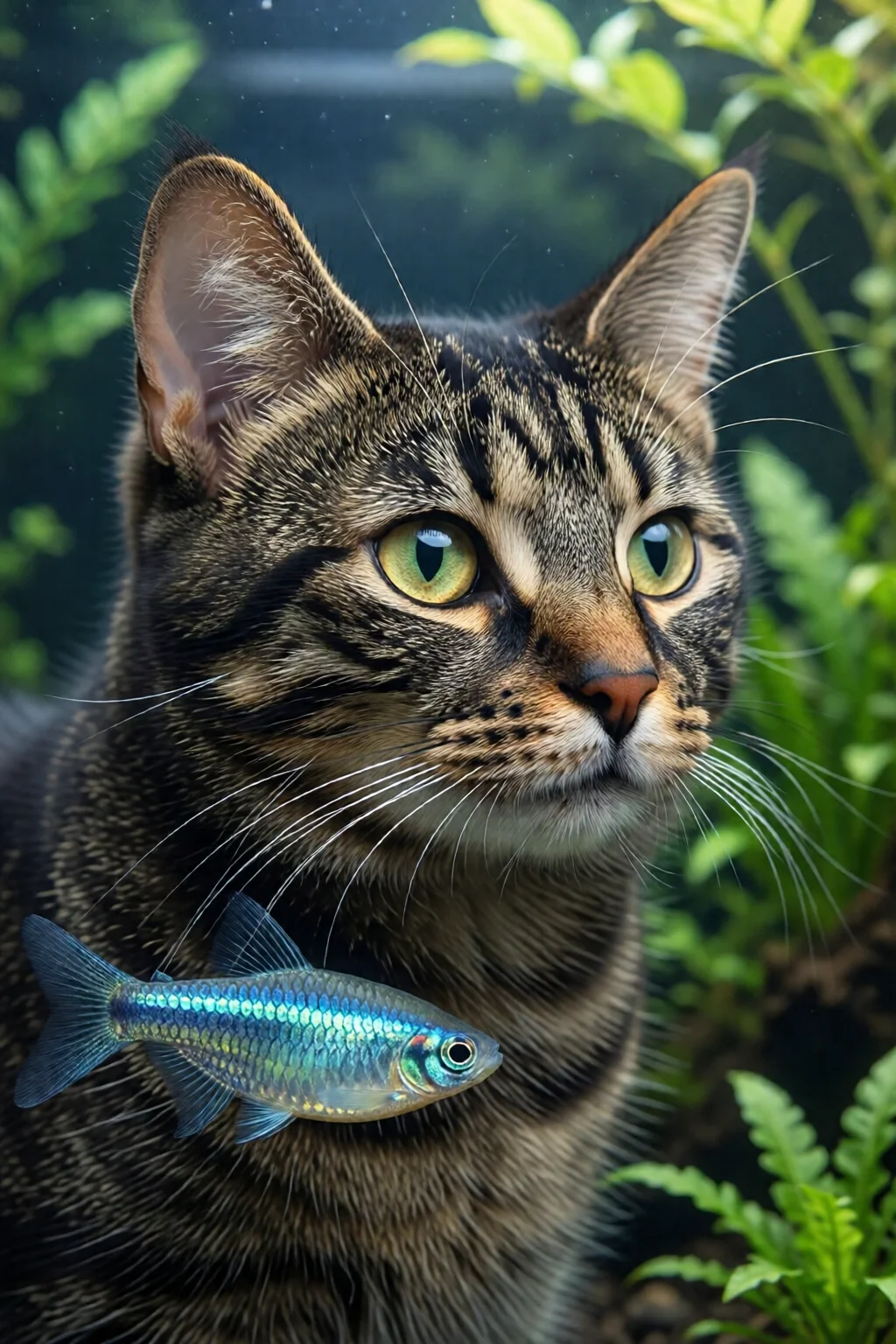
6. Common Health Issues and How to Treat Them
Even with perfect water, neon tetras can fall prey to disease. The most frequent problems are:
- Ich (White Spot Disease): Tiny white cysts appear on the body and fins. Treat with a 2‑day dose of API Ich Treatment ($9.95) at 5 ml per 10 gallons.
- Fin Rot: Frayed or discolored fins, often due to poor water quality. Increase water changes to 30 % weekly and add Melafix (antibiotic‑free, $12.95) for 5 days.
- Swim Bladder Disorder: Fish swims erratically or floats upside down. Fast‑acting remedy: a soak in a small container with 1 ml of API Stress Coat per 5 gallons for 10 minutes.
Prevention is cheaper than cure. Monitor parameters weekly, avoid overfeeding, and quarantine any new fish for at least two weeks in a separate 5‑gallon hospital tank.
7. Maintenance Schedule – Keeping the Tank Pristine Without Overworking Yourself
Consistency beats intensity. Here’s a realistic weekly checklist that fits a busy lifestyle:
| Day | Task | Time Required |
|---|---|---|
| Monday | Test water parameters (pH, ammonia, nitrite, nitrate) | 5 min |
| Wednesday | 15‑minute water change (20‑25 % of volume) | 20 min |
| Friday | Trim plants, prune dead leaves | 10 min |
| Saturday | Clean filter media (rinse in tank water, not tap) | 15 min |
| Sunday | Inspect fish for signs of disease, feed as per schedule | 5 min |
Following this routine has kept my neon tetra schools disease‑free for over three years. Adjust the frequency if you notice spikes in nitrate or algae growth.
Final Verdict – Is the Neon Tetra Right for You?
If you crave a splash of color, enjoy low‑maintenance planted aquariums, and are willing to keep water parameters stable, neon tetras are a perfect choice. Their small size, peaceful nature, and dazzling iridescence make them ideal for community tanks—provided you select compatible tank mates like Harlequin rasboras or Corydoras catfish. Stick to the guidelines above, and you’ll have a thriving neon display that dazzles guests and brings daily joy.
Ready to start? Check out our best LED lights for planted aquarium guide for lighting options, or explore the betta fish care guide for beginners if you’re interested in a single‑species tank. Happy fish‑keeping!
How many neon tetras should I keep in a 20‑gallon tank?
A healthy school consists of 8‑12 neon tetras in a 20‑gallon tank. This number provides enough swimming space while maintaining stable water chemistry.
Can I keep neon tetras with dwarf gouramis?
It’s not recommended. Dwarf gouramis can become nippy, especially in smaller tanks. If you must, ensure the tank is at least 30 gallons and provide plenty of hiding spots.
What is the best substrate for neon tetras?
A fine‑grained, nutrient‑rich substrate like CaribSea Eco‑Complete supports live plants and mimics the soft riverbed neon tetras prefer.
How often should I change the water?
Perform a 20‑25 % water change weekly. If nitrate levels creep above 20 ppm, increase to a 30 % change every five days.
Do neon tetras need a heater?
Yes. Keep the temperature stable between 72‑78 °F (22‑26 °C). A reliable submersible heater with an adjustable thermostat is essential for tropical setups.
2 commentaires sur « Best Neon Tetra Care Guide And Tank Mates Ideas That Actually Work »