Last summer I rescued a neon tetra that had been living in a murky, over‑crowded bowl. The moment I set up a proper 10‑gallon aquarium, the little fish perked up—until the water turned cloudy again after a week of neglect. That experience taught me the hard way that cleaning a fish tank isn’t just about swapping out water; it’s a routine that balances chemistry, biology, and a bit of elbow grease. Below is a step‑by‑step, expert‑approved guide on how to clean a fish tank properly—so you can keep your aquatic friends thriving without turning the process into a chore.
In This Article
- 1. Gather the Right Tools (and Know Why They Matter)
- 2. Schedule Cleaning Frequency Based on Stocking Level
- 3. Turn Off Equipment and Safeguard Your Fish
- 4. Scrape Algae and Clean Glass (Without Scratching)
- 5. Vacuum the Substrate Without Removing Good Bacteria
- 6. Replace Water and Condition It
- 7. Test Water Parameters and Reset Equipment
- Comparison Table: Top Cleaning Kits for Every Budget
- Final Verdict: Consistency Beats Perfection
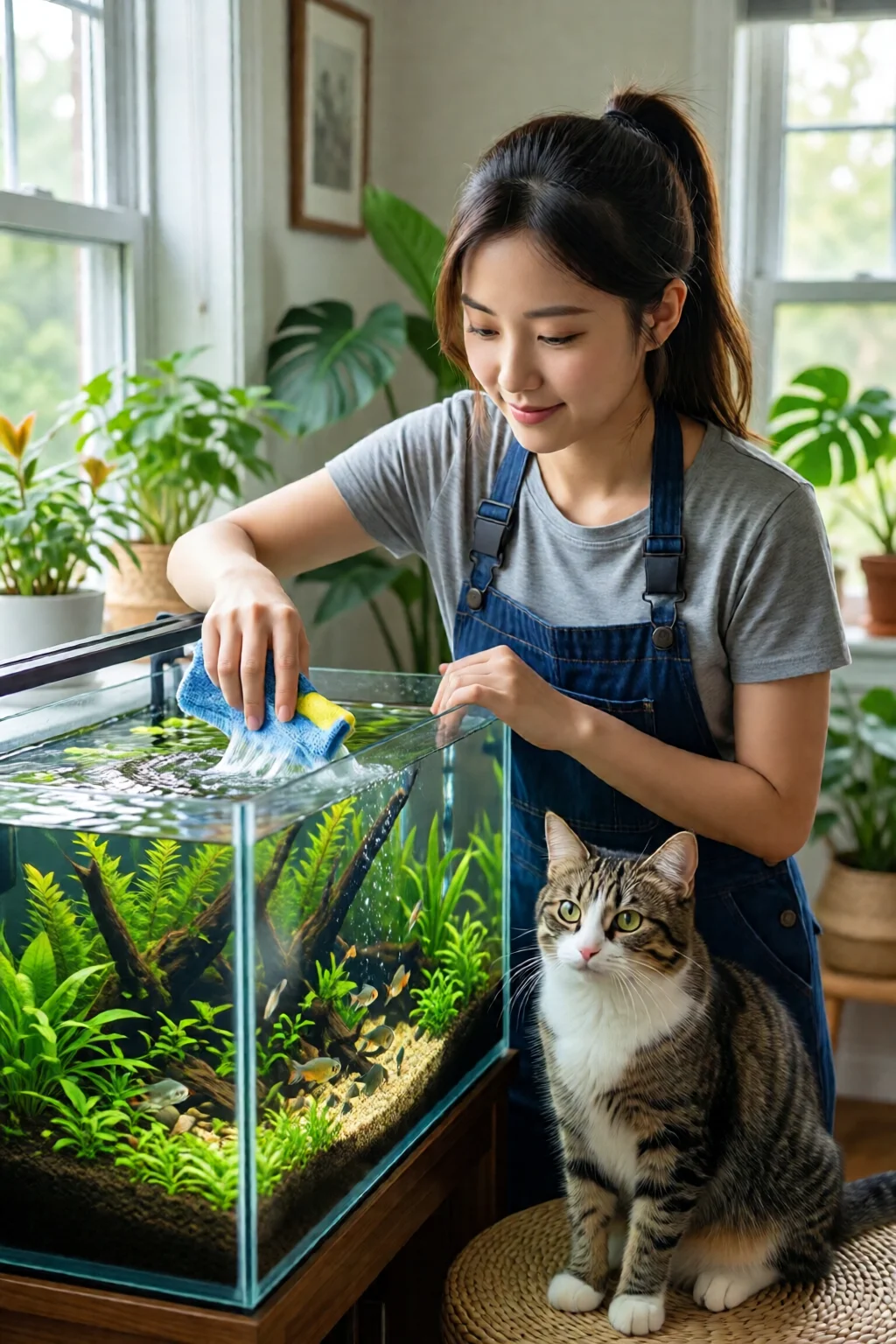
1. Gather the Right Tools (and Know Why They Matter)
Before you even dip a finger into the water, assemble a cleaning kit. Using the proper equipment prevents accidental injury to fish and saves you time.
- Algae Scraper – I swear by the MagnaClean Pro (≈ $12.99, 12‑inch stainless steel blade). Its razor‑thin edge reaches corners without scratching glass.
- Gravel Vacuum/Siphon – The Python No Spill Clean and Fill (≈ $24.95, 8‑ft tubing) removes debris while refilling the tank, reducing water waste by up to 30%.
- Water Conditioner – Seachem Prime (1‑L bottle, $9.95) neutralizes chlorine, chloramine, and heavy metals instantly.
- Magnetic Glass Cleaner – API Glass Cleaner (2‑in‑1, $7.99) lets you polish both sides of the glass without getting your hands wet.
- Soft Sponge – A Fluval Clean Sponge (≈ $5.49, 2‑inch thickness) is perfect for scrubbing plastics and decorations without damaging the surface.
- Thermometer & Test Kit – A digital thermometer ($11.99) and an API Freshwater Master Test Kit ($26.99) let you monitor temperature and water parameters before and after cleaning.
Pros: Each tool is designed for a specific task, reducing the risk of over‑cleaning or leaving harmful residues. Cons: Buying a full kit can cost $80‑$100 upfront, but it pays off in longevity and fish health.
2. Schedule Cleaning Frequency Based on Stocking Level
There’s no one‑size‑fits‑all calendar. In my 20‑gallon community tank (≈ 15 adult fish), I perform a partial water change every 10 days. A heavily stocked 30‑gallon (≈ 30 fish) needs a 25% change weekly. Use the how to set up a freshwater aquarium guide for calculating the ideal bio‑load.
- Partial Change (10‑25%): Removes dissolved organics and nitrate buildup without shocking the beneficial bacteria.
- Full Change (100%): Rarely needed; only when the tank has suffered a catastrophic event (e.g., power outage).
Keeping a cleaning log (date, volume changed, any observations) helps spot trends—like a spike in ammonia after a new fish introduction.
3. Turn Off Equipment and Safeguard Your Fish
Power off the filter, heater, and any air stones to avoid suction injuries. I always place a small net or bowl at the bottom of the tank and gently coax the fish into it with a soft cup. This “holding tank” (a 5‑gallon clean container with a piece of the old water) keeps fish stress‑free while you work.
Pro tip: If you have a gentle sponge filter, you can leave it running at low flow; the fish will stay in the main tank while debris settles.
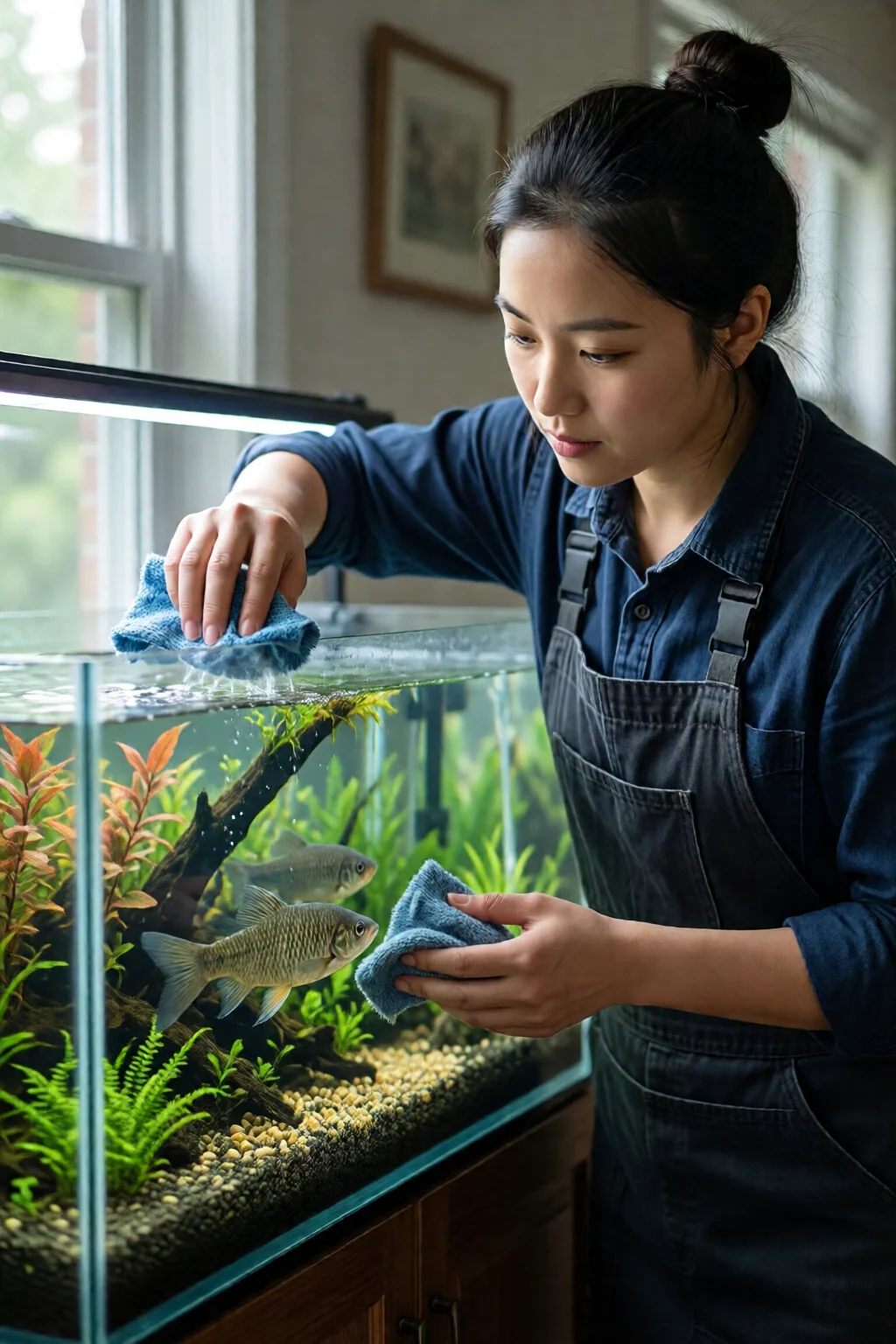
4. Scrape Algae and Clean Glass (Without Scratching)
Using the MagnaClean Pro, start at the top corner and work downwards. The blade’s 0.02 mm thickness ensures a streak‑free finish. For stubborn green slime, dip the blade in a solution of 1 part distilled white vinegar to 3 parts water for 5 minutes, then rinse thoroughly.
After the outer surface is clean, flip the tank (or use a magnetic cleaner) to polish the inner glass. The magnetic cleaner’s dual‑sided pads reach the far side without you having to crawl behind the tank—a small but huge safety win.
5. Vacuum the Substrate Without Removing Good Bacteria
Insert the siphon tube into the gravel, aiming for the deepest spots where detritus accumulates. In my experience, moving the vacuum slowly (≈ 2 inches per second) pulls up waste while the gentle suction spares the beneficial bacterial colonies that cling to larger substrate particles.
If you have a planted tank, use a Netpot or a fine‑mesh net to lift the plants temporarily, vacuum around the roots, then replace them. This prevents root damage and maintains plant health.
Pros: Removes up to 80% of organic load, dramatically lowering nitrate spikes. Cons: Over‑vacuuming (removing > 50% of substrate) can destabilize the nitrogen cycle.
6. Replace Water and Condition It
Measure the exact volume you removed (a 10‑gallon tank with a 20% change = 2 gallons). I use a digital water jug for precision (± 0.1 L). Fill a clean bucket with tap water that matches the tank temperature (± 1 °C). Add Seachem Prime at 1 mL per 10 L—this neutralizes chlorine and chloramine instantly.
Pour the conditioned water back through the siphon to avoid disturbing the substrate. The gradual flow also helps the filter re‑establish proper circulation.
7. Test Water Parameters and Reset Equipment
Within 30 minutes of refilling, test for ammonia, nitrite, nitrate, and pH using the API Freshwater Master Test Kit. Ideal ranges for most community fish are:
- Ammonia: 0 ppm
- Nitrite: 0 ppm
- Nitrate: < 20 ppm (≤ 10 ppm for sensitive species)
- pH: 6.5‑7.5 (species‑dependent)
If any value is out of range, perform an additional 10% water change and retest. Once parameters are stable, restart the filter, heater, and air stones. Observe fish behavior for the next hour—active swimming and normal feeding indicate a successful clean.
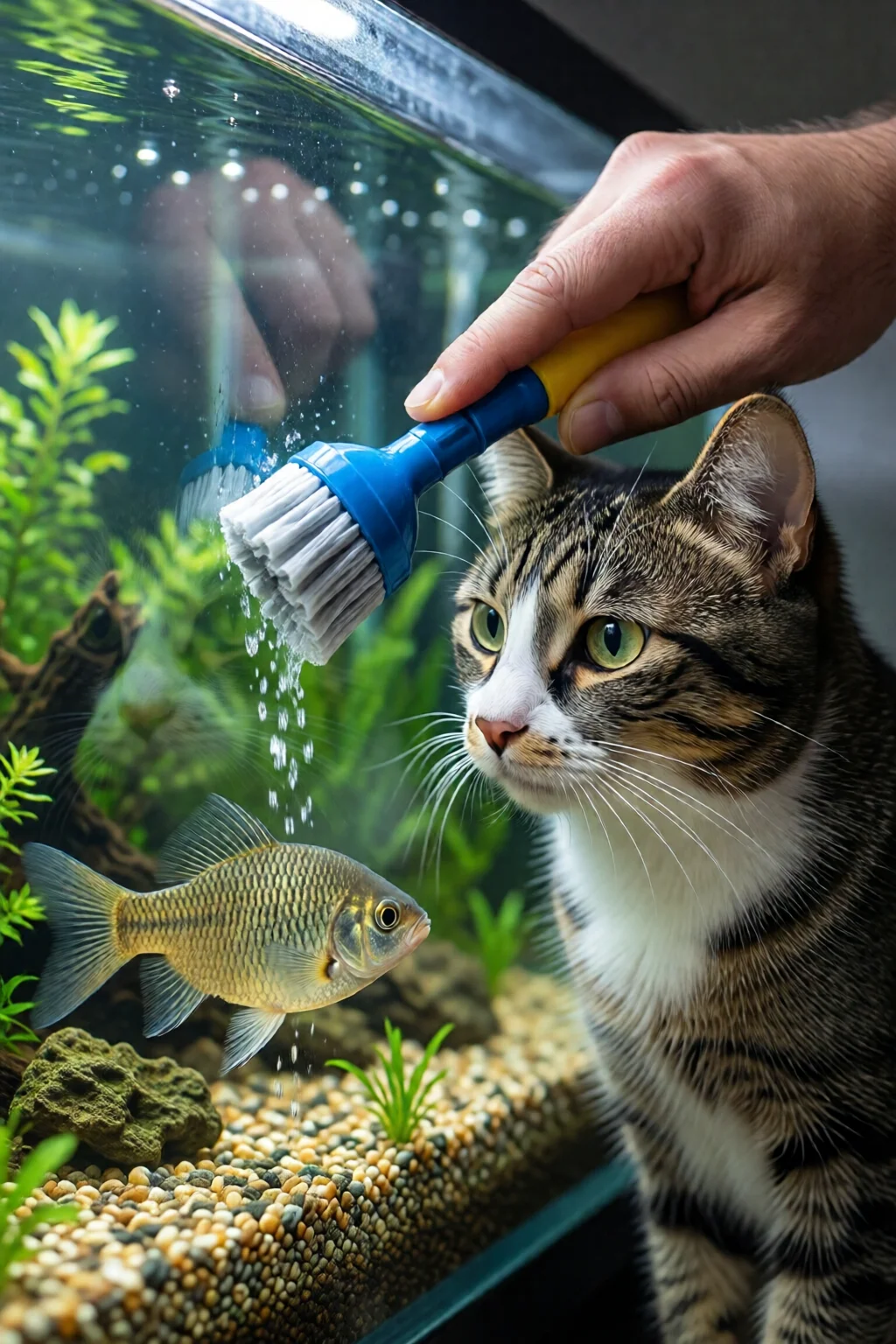
Comparison Table: Top Cleaning Kits for Every Budget
| Kit | Includes | Price | Best For | Rating (out of 5) |
|---|---|---|---|---|
| Beginner’s Essentials – Fluval Clean Start | Algae scraper, 5‑ft siphon, water conditioner (500 mL), soft sponge | $34.99 | First‑time hobbyists, tanks ≤ 20 gal | 4.2 |
| Pro Maintenance Pack – API Advanced Tank Care | MagnaClean Pro, Python No Spill, Seachem Prime (1 L), magnetic glass cleaner, test kit | $79.95 | Experienced keepers, heavily stocked tanks | 4.7 |
| Plant‑Lover’s Kit – Tetra AquaPlant | Soft sponge, Netpot, gentle siphon, liquid carbon, water conditioner | $49.50 | Planted aquariums, delicate root systems | 4.5 |
| All‑In‑One Premium – Marine Master Clean 2024 | All items from Pro Pack + UV sterilizer, automatic timer, 10‑gal refill bottle | $149.99 | Large community tanks (≥ 40 gal), mixed freshwater/saltwater setups | 4.8 |
Choosing a kit depends on tank size, stocking density, and whether you keep live plants. For a 15‑gallon community tank, the Beginner’s Essentials is more than enough. If you run a 55‑gallon species tank with live rock, the All‑In‑One Premium saves you time and reduces error.
Final Verdict: Consistency Beats Perfection
The secret to how to clean a fish tank properly isn’t a once‑a‑month deep‑clean marathon; it’s a series of small, consistent actions that keep water quality stable and fish stress low. By following the seven steps above, using the right tools, and tracking water parameters, you’ll see clearer water, healthier fish, and fewer emergency trips to the pet store.
Remember, the aquarium is a living ecosystem. Over‑cleaning can be as harmful as neglect. Aim for balance, and let the beneficial bacteria do their job while you provide a clean, safe environment.
How often should I change the water in a freshwater tank?
For a lightly stocked tank (≤ 10 gal, ≤ 5 fish), a 20% change every two weeks works well. Heavily stocked tanks (≥ 20 gal, > 15 fish) benefit from a 25% change weekly. Adjust based on nitrate readings; keep nitrate under 20 ppm.
Can I use tap water directly without a conditioner?
Never. Tap water contains chlorine or chloramine, which are toxic to fish. A dose of Seachem Prime (1 mL per 10 L) neutralizes both instantly.
What’s the safest way to clean aquarium glass?
Use a razor‑thin algae scraper like MagnaClean Pro for the outer surface, and a magnetic glass cleaner for the inner side. Avoid household cleaners; they leave residues that can harm fish.
Do I need to replace the filter media when I clean?
Only if it’s clogged or smells foul. Rinse sponges in tank water (not tap) to preserve beneficial bacteria. Replace carbon every 4‑6 weeks for optimal odor control.
How can I reduce algae growth without chemicals?
Limit excess light to 8‑10 hours daily, avoid over‑feeding, and maintain nitrate below 20 ppm. Adding fast‑growing plants like Java Moss competes with algae for nutrients.
For more deep‑dive topics, check out the best fish tank filters reviewed guide or learn how to set up a saltwater aquarium if you’re ready to expand your hobby.
2 commentaires sur « How To Clean A Fish Tank Properly: Complete Guide for 2026 »