Did you know that up to 30% of dogs that wander through tall grass will pick up a tick within just one hour, and each tick can transmit diseases like Lyme within 24‑48 hours of attachment? Removing a tick promptly—and safely—can be the difference between a simple bite and a serious health issue for your furry friend.
In This Article
- What You Will Need (or Before You Start)
- Step 1: Stay Calm and Secure Your Dog
- Step 2: Inspect the Skin Thoroughly
- Step 3: Position the Tweezers Correctly
- Step 4: Apply Steady, Upward Pressure
- Step 5: Disinfect the Bite Site
- Step 6: Monitor Your Dog for Signs of Illness
- Common Mistakes to Avoid
- Tips for Best Results (Troubleshooting and Extra Care)
- Summary and Final Thoughts
What You Will Need (or Before You Start)
- Fine‑point tweezers or tick‑removal tool – I recommend the TickRemover Pro (stainless steel, 2‑inch tip, $12.99).
- Gloves – disposable nitrile gloves (box of 100 for $7.49) to keep the bite clean.
- Antiseptic solution – 70% isopropyl alcohol or povidone‑iodine swabs.
- Pet‑safe disinfectant spray – e.g., Fur Bliss Antibacterial Spray ($9.95, 8 oz).
- Bandage or gauze – small sterile pads in case the bite bleeds.
- Storage container – a zip‑lock bag or a small vial with 70% alcohol to preserve the tick for identification.
- Treats – a favorite chew (like best calming treats for dogs anxiety) to keep your dog still.
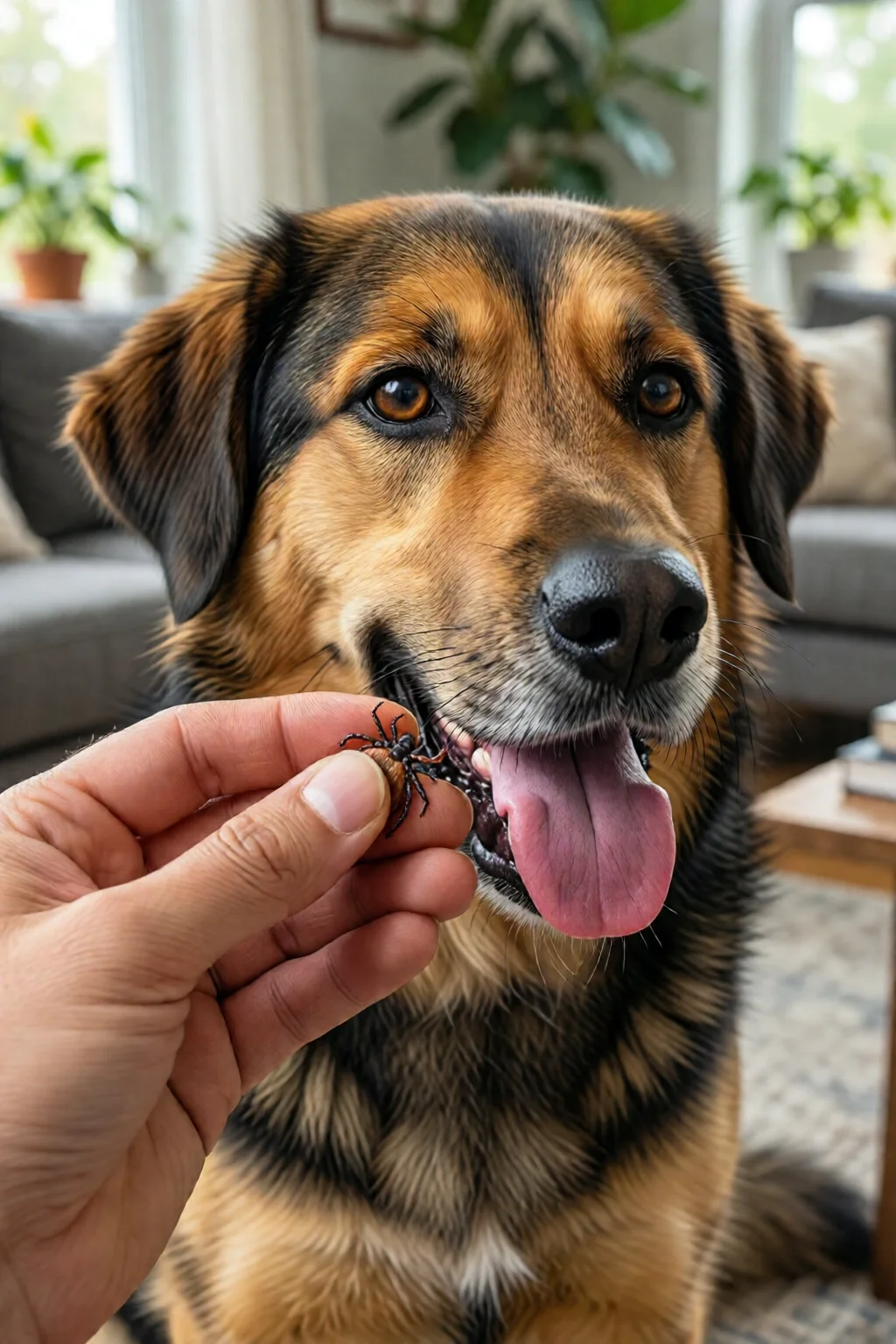
Step 1: Stay Calm and Secure Your Dog
In my experience, a nervous dog will squirm, making it harder to grasp the tick. Have a second person gently hold your dog’s shoulders or use a calm “sit‑stay” command. Offer a high‑value treat (a piece of chicken or a small piece of a homemade dog food recipe) to distract them. Keep the environment quiet—no loud TV or other pets running around.
Step 2: Inspect the Skin Thoroughly
Run your fingers over the coat, especially in hidden spots: behind ears, under the collar, between toes, and around the tail base. Ticks can be as small as a poppy seed (larvae) or as large as a grape (adult females). Use a flashlight if needed. If you spot a tick, note its location; this helps you plan the best angle for removal.
Step 3: Position the Tweezers Correctly
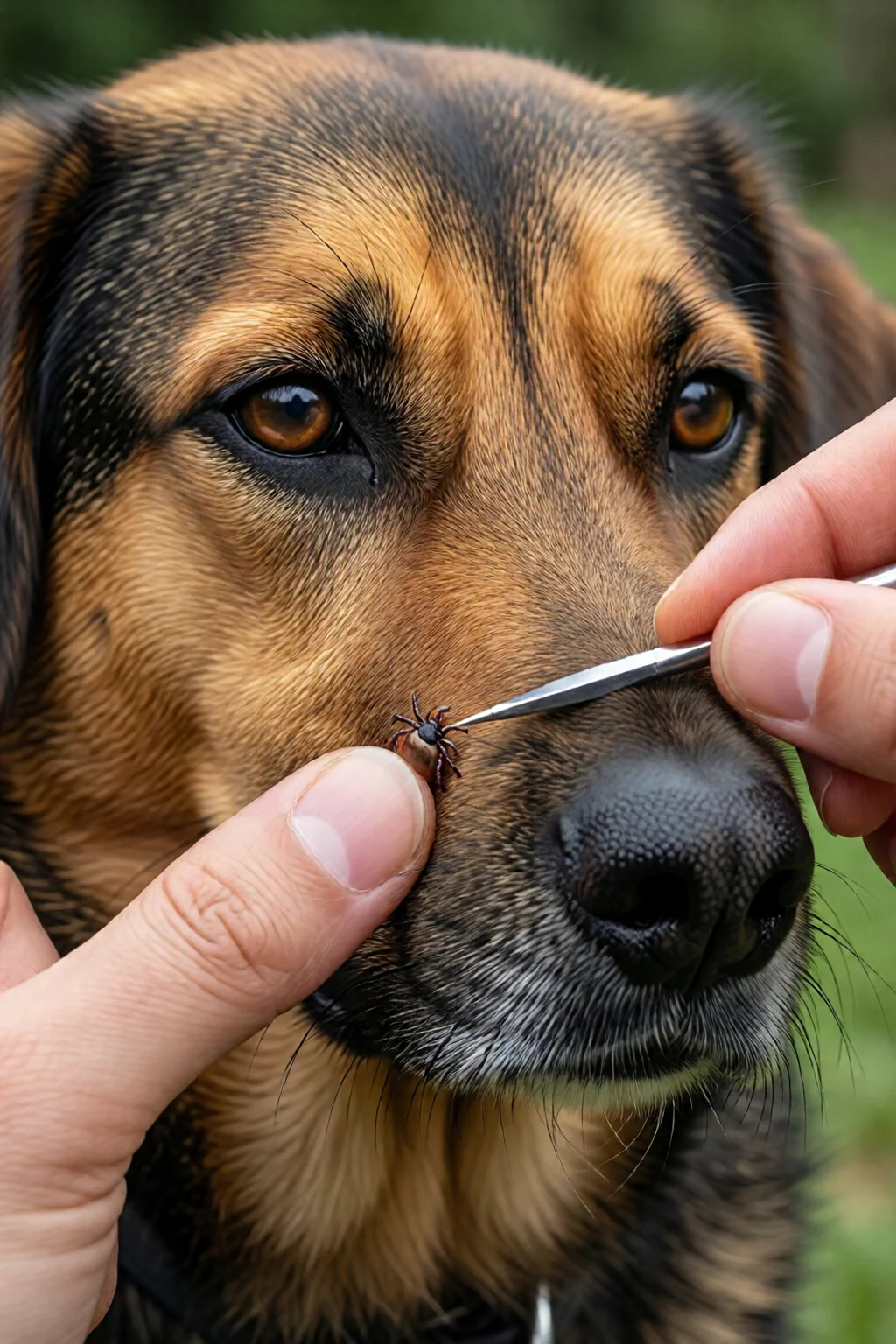
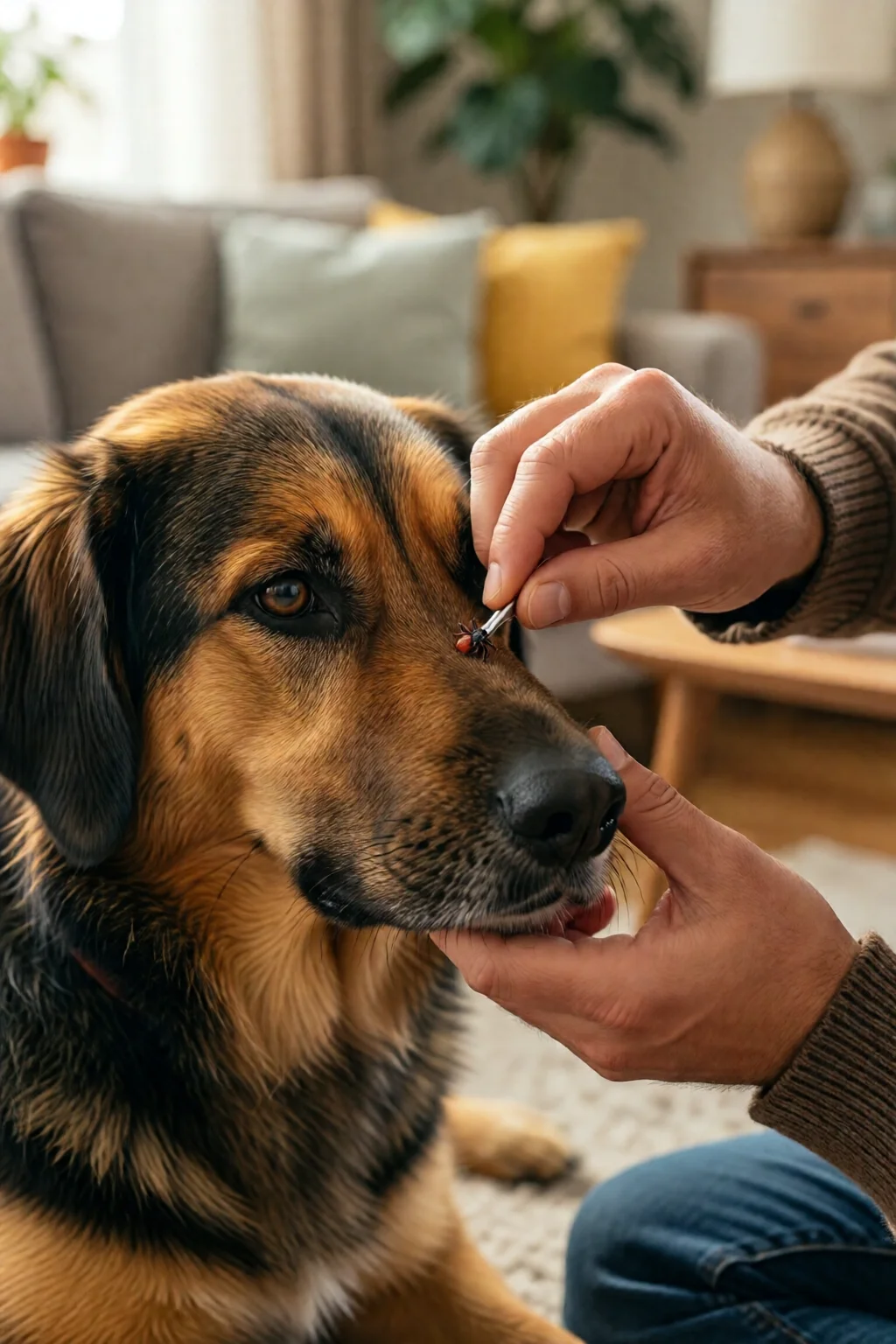
Grasp the tick as close to the skin as possible—ideally at the head where the mouthparts enter. The TickRemover Pro has a notch that slides under the tick’s body, allowing you to pull straight upward without crushing the abdomen. One mistake I see often is pinching the belly; that can cause the tick to regurgitate infected saliva into the bite site.
Step 4: Apply Steady, Upward Pressure
Pull upward with even pressure. Do not twist or jerk. A slow, firm motion (about 3–5 seconds of continuous pull) usually releases the tick’s anchoring barbs. If resistance is felt, stop, reassess your grip, and try again—never yank.
Step 5: Disinfect the Bite Site
Once the tick is free, place it directly into the zip‑lock bag with a few drops of 70% alcohol. This preserves it for potential identification by your vet. Then, clean the wound with an alcohol swab or povidone‑iodine pad. Let it air dry for 30 seconds, then apply a thin layer of the Fur Bliss Antibacterial Spray. If the skin looks raw, cover with a sterile gauze pad and monitor for a day.
Step 6: Monitor Your Dog for Signs of Illness
Keep an eye on your dog for the next 2–3 weeks. Common red‑flag symptoms include:
- Lethargy or loss of appetite
- Fever (temperature above 102.5 °F)
- Joint swelling or lameness
- Loss of appetite, vomiting, or diarrhea
- Unusual behavior or depression
If any of these appear, call your veterinarian and mention the tick removal date. Early treatment of Lyme disease, for instance, can be as short as a 28‑day doxycycline course ($15‑$20 per vial).
Common Mistakes to Avoid
- Crushing the tick. Squeezing the abdomen releases pathogens into the bite.
- Using hot petroleum jelly or “tick removal” home remedies. These can cause the tick to burrow deeper.
- Leaving the mouthparts behind. If only the body is removed, the head can stay embedded and cause infection.
- Delaying removal. The longer a tick stays attached, the higher the transmission risk—up to 70% for Lyme after 48 hours.
- Skipping post‑removal disinfection. This increases the chance of secondary bacterial infection.
Tips for Best Results (Troubleshooting and Extra Care)
Use a tick‑specific tool for hard‑to‑reach spots. The K9 Tick Removal Tool (3‑inch, $9.99) has a curved tip that fits under the belly of a tick on the dog’s neck.
Cold‑pack the area first. A brief (10‑second) ice pack can numb the skin, making your dog less fidgety and helping the tick stay still.
Preserve the tick for testing. If you live in a high‑risk area (e.g., Northeast U.S.), send the tick to a lab (e.g., TickReport) for $49.95. The lab can identify the species and any pathogens present.
Consider a preventative. Products like NexGard Chewables ($24.95 for a 30‑day supply) or Frontline Plus ($19.99 for a 3‑month bottle) dramatically reduce tick encounters.
Check after walks. A quick five‑minute inspection after each outdoor adventure cuts the chance of a hidden tick maturing unnoticed.
Summary and Final Thoughts
Removing a tick from a dog safely isn’t rocket science, but it does require calm, the right tools, and a methodical approach. By gathering the proper supplies, following the six‑step removal process, and avoiding common pitfalls, you protect your dog from potentially serious diseases while keeping the experience stress‑free for both of you. Remember to monitor the bite site, store the tick for identification if needed, and consider a year‑round preventative to keep those tiny vampires at bay.
In short: stay prepared, act quickly, and keep your pup’s coat—and health—tick‑free.

How soon should I remove a tick after I find it on my dog?
Ideally within the first hour. The risk of disease transmission rises sharply after 24‑48 hours, so the faster you remove it, the better.
Can I use a regular pair of tweezers to pull out a tick?
You can, but fine‑point, stainless‑steel tweezers designed for ticks (like TickRemover Pro) reduce the chance of crushing the tick and releasing pathogens.
What should I do with the tick after removal?
Place it in a zip‑lock bag with a few drops of 70% alcohol. This preserves it for possible lab testing, especially if you live in a high‑risk area.
Is it normal for the bite area to bleed after removal?
A small amount of oozing is common. Clean the site with antiseptic, apply a light bandage if needed, and watch for signs of infection such as redness or swelling.
Should I give my dog medication after a tick bite?
Only if a vet prescribes it. In some cases, a short course of antibiotics is recommended if the tick was attached for more than 48 hours or if the dog shows early symptoms of illness.
1 commentaire sur « Best How To Remove A Tick From A Dog Safely Ideas That Actually Work »