What should you reach for the moment your furry friend nips a toe or swallows something they shouldn’t? The answer lies in a well‑stocked pet first aid kit essentials list that lets you act fast, stay calm, and give your companion the best chance at a quick recovery.
In This Article
Imagine you’re on a weekend hike with your Labrador, and suddenly he darts after a rabbit, slipping and spraining his ankle. You’re miles from the nearest vet, but you’ve got a compact, thoughtfully organized kit in your backpack. Those few minutes you spend applying the right bandage and splint can mean the difference between a simple rest and a lingering injury.
In my ten‑plus years as a veterinary nurse and pet‑care consultant, I’ve seen kits that are either over‑loaded with useless trinkets or woefully empty when an emergency strikes. Below is the definitive guide to the pet first aid kit essentials you truly need, why each item matters, and how to choose the right products without breaking the bank.
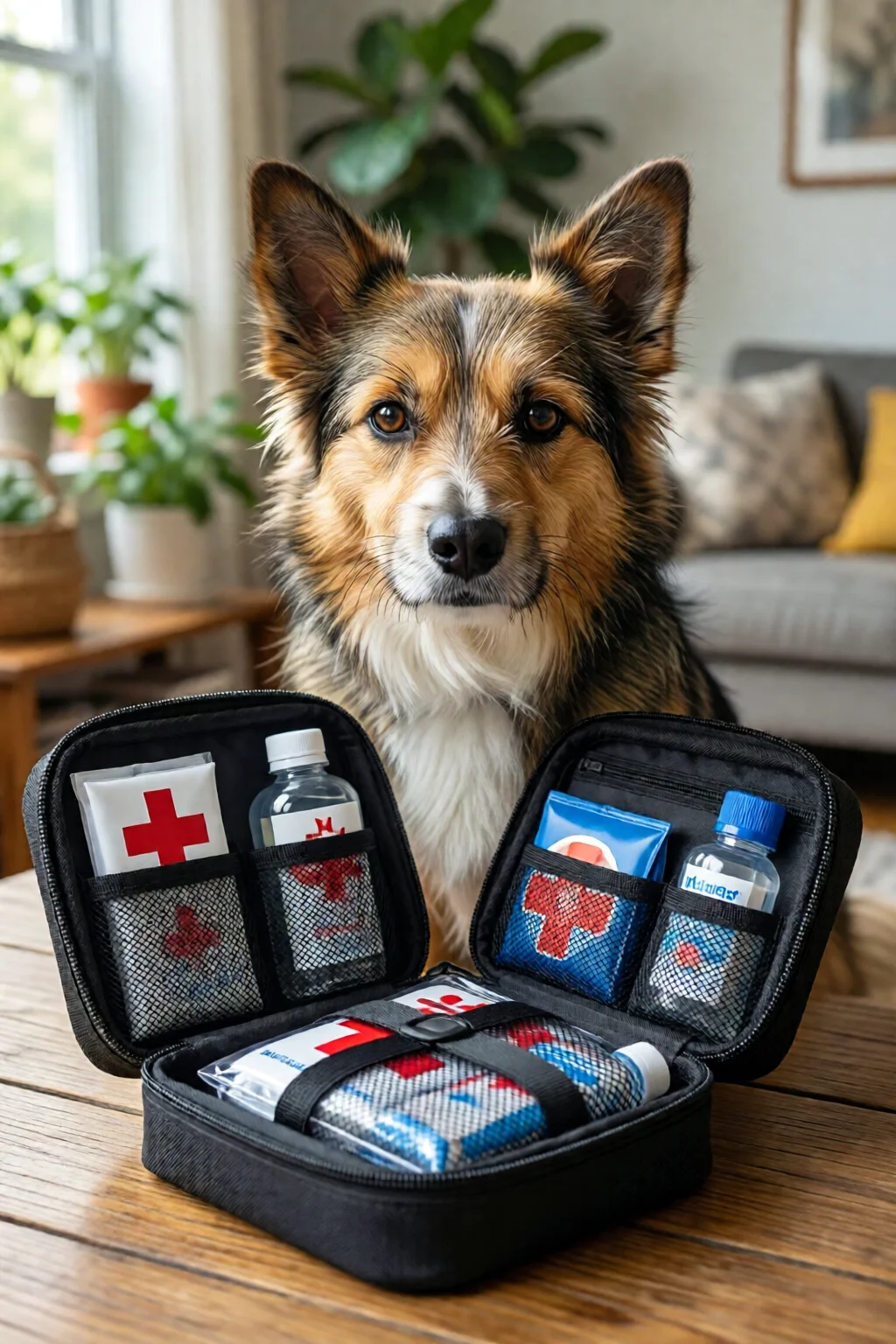
Core Supplies: The Non‑Negotiables
1. Sterile Gauze Pads & Roll
Gauze is the backbone of any wound‑care routine. I recommend the Curad Sterile Gauze Pad (4 × 4 in, 100 count) – $9.99. The 4 × 4 size fits most cuts on dogs and cats, while the roll (4 × 48 in, $7.49) lets you create custom dressings for larger injuries.
2. Adhesive Bandages (Pet‑Safe)
Standard human band‑aids often contain latex, which can irritate sensitive animal skin. The Hartmann Pet‑Bandage – 30 pieces of breathable, latex‑free strips, $5.95 – stays flexible and adheres even on fur‑covered paws.
3. Antiseptic Solution
For cleaning wounds, I rely on Vetericyn Plus Antimicrobial Hydrogel. One 8 oz tube costs $12.99 and works without rinsing, making it ideal for field use. Avoid iodine‑based solutions; they can cause burns on delicate tissue.
Medications & Treatments
1. Pain Relief
Never give human NSAIDs to pets. Instead keep Rimadyl (Carprofen) chewable tablets – 50 mg, $0.75 per tablet – as prescribed by your vet for post‑injury pain. Store them in a sealed blister pack to protect against moisture.
2. Antihistamine
For allergic reactions, Benadryl (Diphenhydramine) 25 mg tablets are safe for most dogs and cats at 1 mg per pound of body weight. A bottle of 100 tablets runs about $8.00. Always verify dosage with your veterinarian first.
3. Topical Antibiotic Ointment
The Neosporin Original Ointment (10 g, $4.49) is pet‑approved for minor cuts. For more serious infections, keep a tube of Triple Antibiotic Ointment (Bacitracin, Neomycin, Polymyxin B) – $6.99 for 15 g.
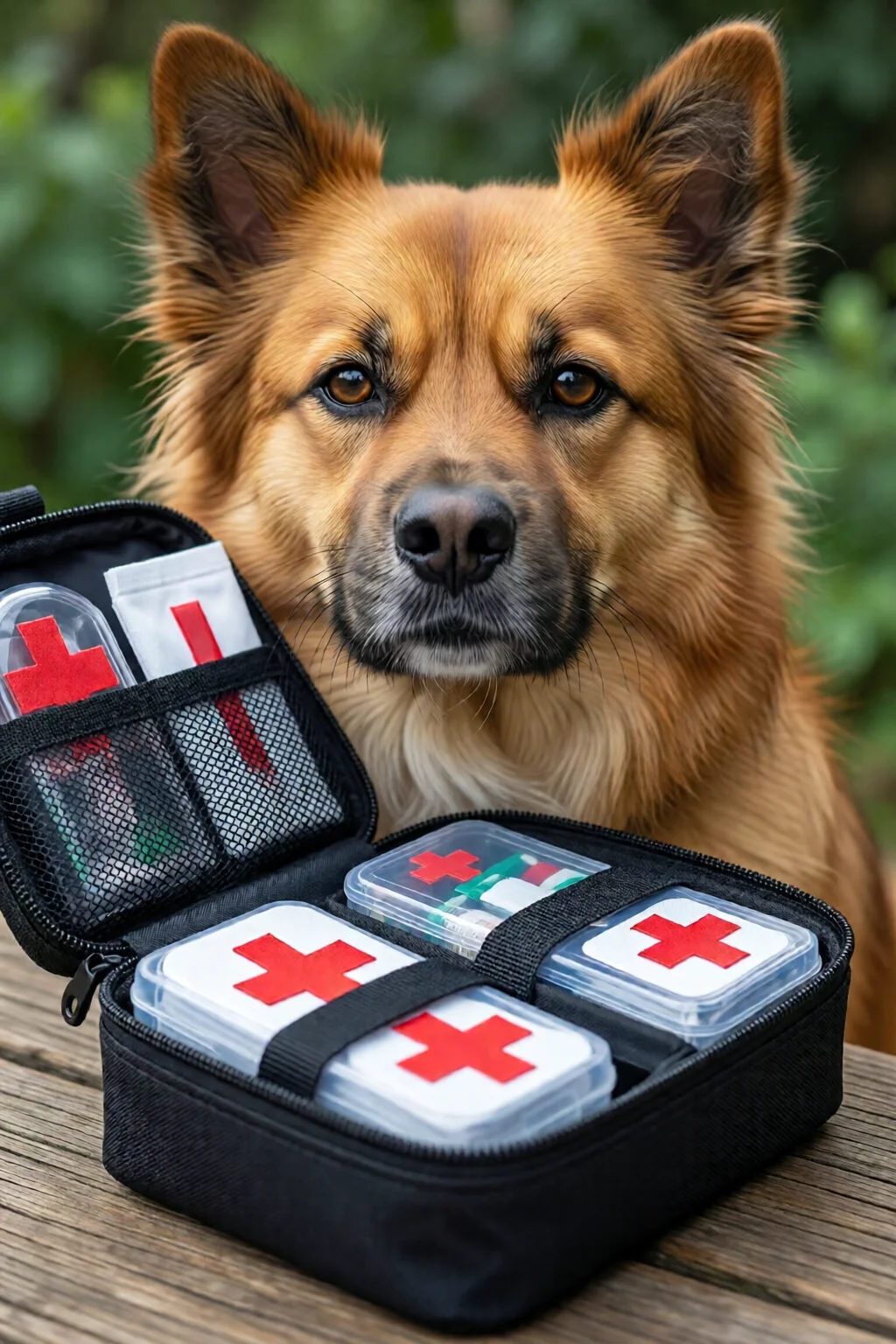
Tools & Devices
1. Digital Thermometer
Rectal temperature is the most reliable metric for pets. The Vicks V9200 Veterinary Thermometer, with a flexible tip and 0.1 °F increments, costs $24.99 and includes a protective sheath.
2. Tweezers & Scissors
Stainless‑steel tweezers (e.g., Tweezers‑Pro 5‑in, $6.50) are essential for removing splinters or foreign objects. Pair them with blunt‑tip scissors like the Kleinert Pet Scissors 4 in, $8.75 to cut gauze without nicking skin.
3. Elastic Bandage
A 4‑inch elastic wrap (e.g., 3M Elastic Bandage 2 × 4 ft, $5.99) provides compression for sprains. Practice applying a figure‑eight pattern on a stuffed toy before you need it on a live pet.
Specialty Items for Different Species
Small Animals (Rabbits, Guinea Pigs, Chinchillas)
For delicate fur and tiny paws, include fine‑point hemostats (e.g., Storz Hemostat 0.5 mm, $12.00) and a small bottle of Reptile & Small Mammal Saline (30 ml, $4.20). I often cross‑reference the chinchilla care guide dust bath and diet for species‑specific tips.
Birds
Birds need a lightweight, non‑toxic ointment. Avian Ointment (2 g, $9.99) contains lanolin and is safe for feathered patients. Add a small vial of hydrogen peroxide 3 % (2 oz, $2.50) for cleaning beak injuries.
Reptiles & Amphibians
Include a reptile‑safe antiseptic spray like Zoo Med Repti‑Gel (30 ml, $6.00) and a thin cotton‑wick applicator for precise dosing.
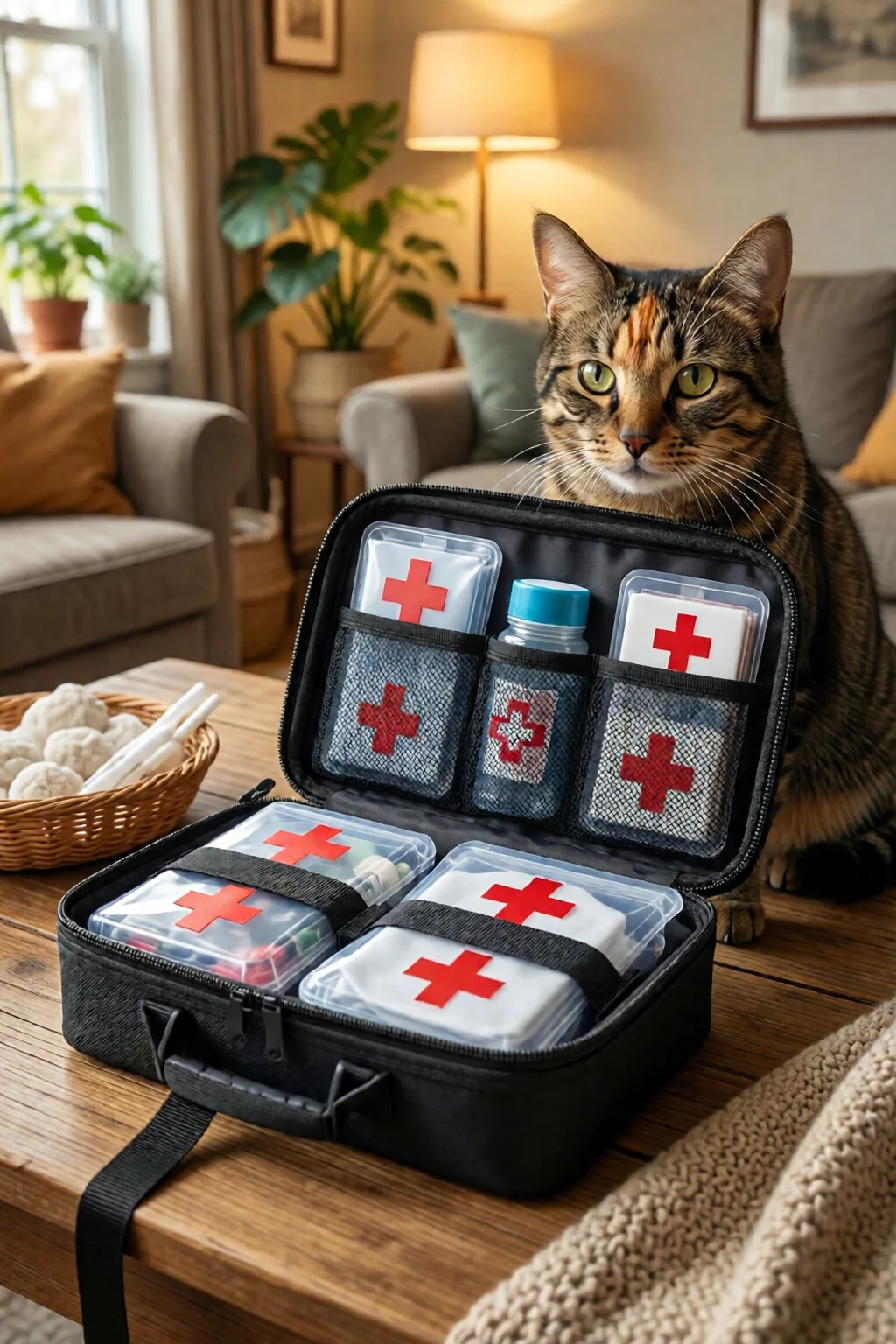
Packaging & Organization
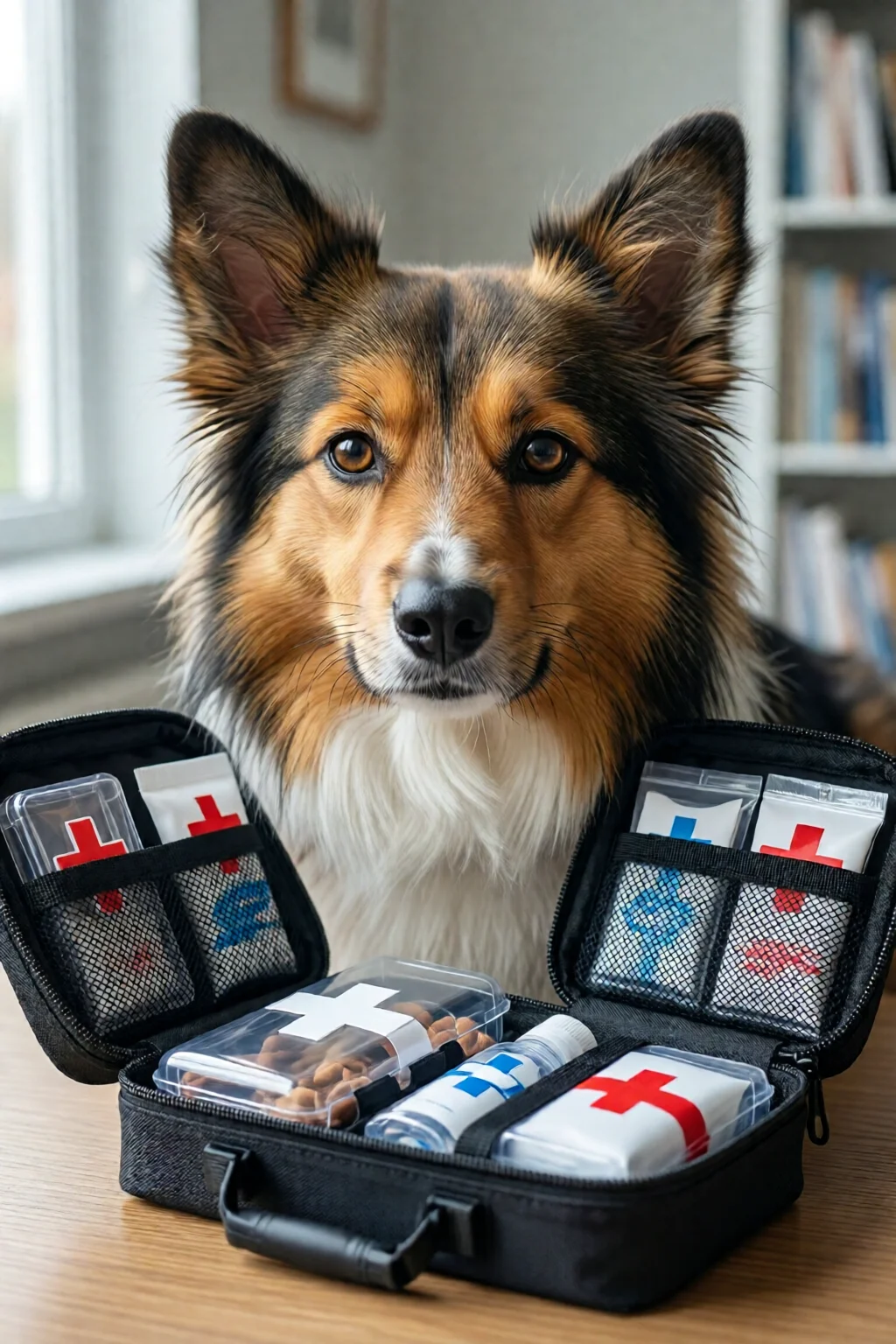
1. Waterproof Carry Case
The Adventure Medical Kits Pet First Aid Carry Case (15 × 10 × 4 in, $34.95) has molded compartments, a zip‑lock lid, and a detachable shoulder strap. Its interior foam can be rearranged to fit larger items like the thermometer.
2. Labeling System
Use waterproof labels (e.g., Brother P-Touch Label Maker, $19.99) to mark expiration dates and dosage instructions. Rotate stock every six months to keep everything fresh.
3. Checklist Insert
Print a one‑page checklist and tuck it into the case’s front pocket. My personal checklist looks like this:
- Gauze pads & roll
- Bandages
- Antiseptic solution
- Pain meds (Rimadyl)
- Antihistamine (Benadryl)
- Thermometer
- Tweezers & scissors
- Elastic bandage
- Species‑specific items
Pro Tips from Our Experience
1. Customize by Lifestyle
If you’re an avid camper, add a compact hand‑held LED flashlight (e.g., Ustellar 2‑Watt, $9.99) and a small thermal blanket (5 × 7 ft, $14.95). For city dwellers, a pocket‑size first‑aid keychain kit (8 × 2 in, $12.50) can be attached to a leash.
2. Practice Makes Perfect
Set aside 15 minutes each quarter to rehearse bandaging a mock wound on a plush toy. This reduces panic and ensures you apply the right tension on real injuries.
3. Keep a Digital Copy
Scan your kit inventory and store it in a cloud drive, accessible from your phone. Include dosage charts for pain meds and antihistamines based on weight – it’s a lifesaver when you’re in a hurry.
4. Vet‑Approved Supplements
While not strictly “first aid,” having best omega 3 supplements for dogs skin on hand can accelerate healing of skin injuries. A 60‑softgel bottle of Nordic Naturals Omega‑3 for Dogs costs $29.99 and provides anti‑inflammatory benefits.
5. Emergency Contacts
Write down the phone numbers of your regular vet, the nearest 24‑hour emergency clinic, and the ASPCA Poison Control hotline (1‑800‑555‑2222). Keep this list laminated inside the case.
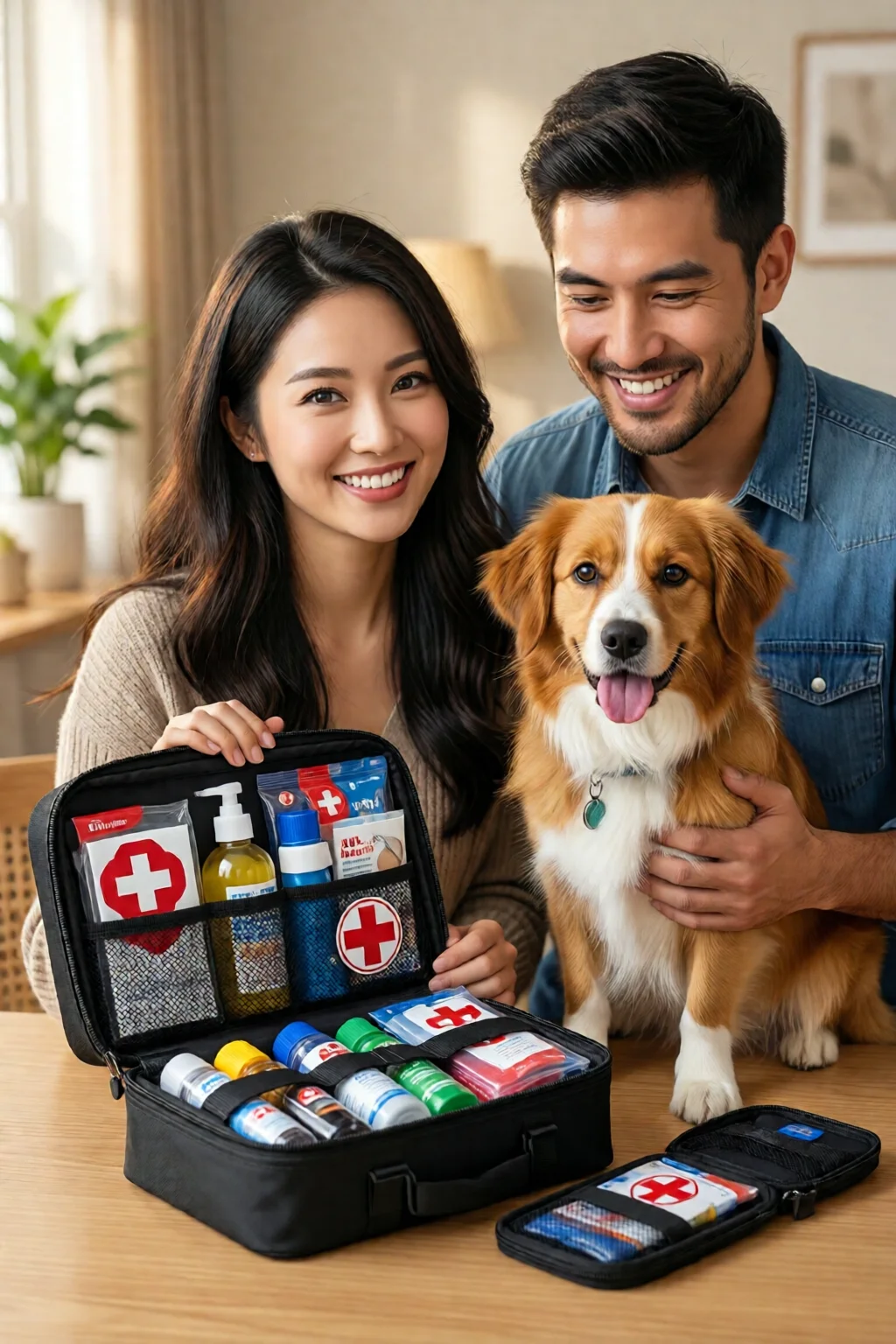
Comparison of Popular Ready‑Made Kits
| Kit | Price | Contents (Key Items) | Best For | Weight |
|---|---|---|---|---|
| Adventure Medical Kits Pet | $34.95 | Gauze, bandages, tweezers, scissors, antiseptic wipes, elastic wrap | All‑purpose, travel | 1.2 lb |
| First Aid Only Pet Deluxe | $28.50 | Thermometer, splint, cotton swabs, saline, pain med guide | Home use | 0.9 lb |
| PetSafe Emergency Kit | $42.00 | All core supplies + species‑specific items, LED flashlight, thermal blanket | Outdoor enthusiasts | 1.5 lb |
While pre‑assembled kits are convenient, I often supplement them with higher‑quality brands (e.g., Curad gauze, Vetericyn hydrogel) to ensure durability and effectiveness.
Putting It All Together: Build Your Own Kit
Step 1: Inventory Core Supplies
Start with the pet first aid kit essentials list above. Check each item off as you purchase.
Step 2: Add Species‑Specific Items
Refer to the “Specialty Items” section. If you own multiple pets, keep a small, separate pouch for each animal’s unique needs.
Step 3: Organize by Frequency of Use
Place the most frequently used items (gauze, antiseptic, tweezers) in the top compartment of your case for quick access.
Step 4: Test the Kit
Take the kit on a short walk. Open it, locate the thermometer, and practice applying a bandage. If anything feels out of reach, rearrange.
Step 5: Schedule Regular Checks
Every six months, verify expiration dates, replace used items, and restock any consumables. Keep a log in a notebook or on a spreadsheet.
FAQ
What should I do if my pet is bleeding heavily?
Apply direct pressure with a sterile gauze pad, elevate the limb if possible, and seek emergency veterinary care within 30 minutes. Use a clean cloth if gauze isn’t available, but replace it with sterile material as soon as you can.
Can I use human first aid supplies on my pet?
Some items, like sterile gauze and non‑latex bandages, are interchangeable. However, avoid human antiseptics containing alcohol or iodine, and never give human pain relievers (acetaminophen, ibuprofen) to animals.
How often should I replace the medications in my kit?
Check expiration dates twice a year. Replace pain meds, antihistamines, and ointments within six months of the printed date, even if they appear unopened.
Do I need a separate kit for each pet?
If your pets differ significantly in size or species, a small, dedicated pouch for each (especially for birds or small mammals) prevents cross‑contamination and ensures appropriate dosage tools.
Where can I find a reliable emergency vet near me?
Use the ASPCA’s Animal Poison Control website to locate 24‑hour veterinary hospitals, or ask your regular veterinarian for a referral.
Conclusion: Your Actionable Takeaway
Building a robust pet first aid kit essentials collection is a small investment of time and money that pays off in peace of mind and faster recovery for your animal companions. Start by gathering the core supplies listed above, tailor the kit to your pet’s species and lifestyle, and practice using the tools regularly. With a well‑organized, up‑to‑date kit in hand, you’ll be ready to turn a scary moment into a manageable one.
2 commentaires sur « How to Pet First Aid Kit Essentials (Expert Tips) »