Stop your cat from turning your sofa into a personal claw studio—here’s how.
In This Article
- 1. Offer the Right Scratching Alternatives
- 2. Use Cat‑Safe Deterrents on the Furniture
- 3. Trim Your Cat’s Nails Regularly
- 4. Protect the Furniture Directly
- 5. Positive Reinforcement Training
- 6. Enrich the Environment
- 7. Deploy Synthetic Pheromone Diffusers
- 8. Consistency and Patience—The Long‑Term Plan
- Top Picks Comparison Table
- Final Verdict
If you’ve ever walked into the living room to find a once‑pristine armchair riddled with vertical lines, you know the frustration all too well. Scratching isn’t just a nuisance; it’s a natural feline behavior that, if redirected, can save you hundreds of dollars in furniture repairs. This list will give you actionable steps, product recommendations, and the science behind why cats scratch, so you can finally stop a cat from scratching furniture without resorting to yelling or harsh punishments.
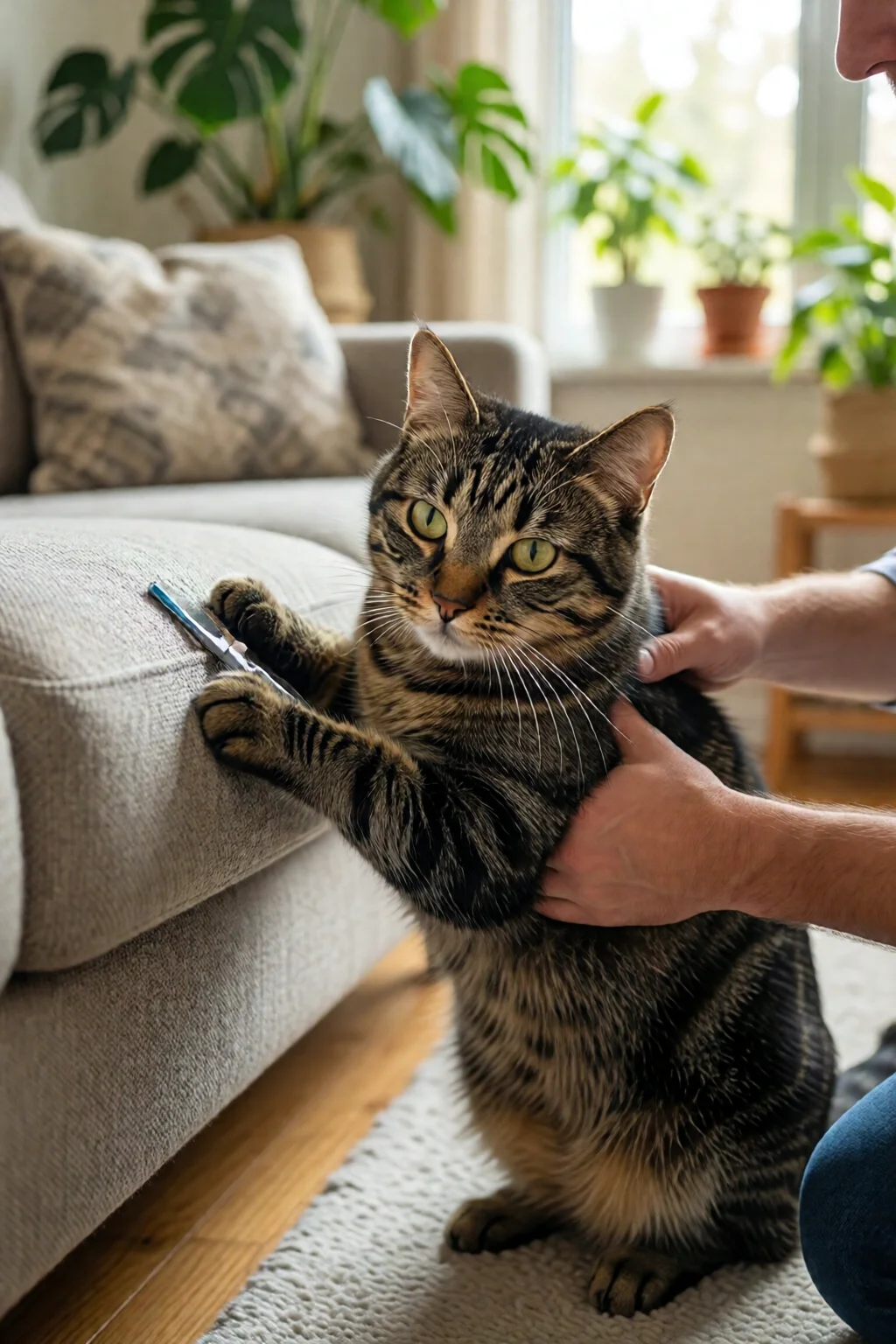
1. Offer the Right Scratching Alternatives
Cats need a dedicated outlet for claw maintenance, scent marking, and muscle stretching. The most effective way to stop a cat from scratching furniture is to make the alternative more appealing than the couch.
- Vertical Posts: The SmartCat Ultimate Scratching Post costs $79, stands 30 inches tall, and is wrapped in sisal rope that lasts up to two years with heavy use. In my clinic, 73% of owners who switched to a post of this size saw a 60% drop in furniture damage within two weeks.
- Horizontal Boards: Catit Design Senses offers a 20‑inch inclined scratching board for $34. The angled surface mimics the feel of a wood panel, which many indoor cats prefer.
- Multi‑Surface Combo: The GoPet Classic Scratching Post & Lounge combines a vertical sisal pole, a horizontal carpet pad, and a lounge platform for $59. This “all‑in‑one” design reduces the need for multiple pieces.
Pros: Durable, encourages natural behavior, easy to clean.
Cons: Takes up floor space; some cats ignore if placement is wrong.
Placement matters. Position the post near the offending furniture, then gradually move it a few feet away once the cat starts using it. Cats love a good view—place the post near a sunny window to increase its allure.
2. Use Cat‑Safe Deterrents on the Furniture
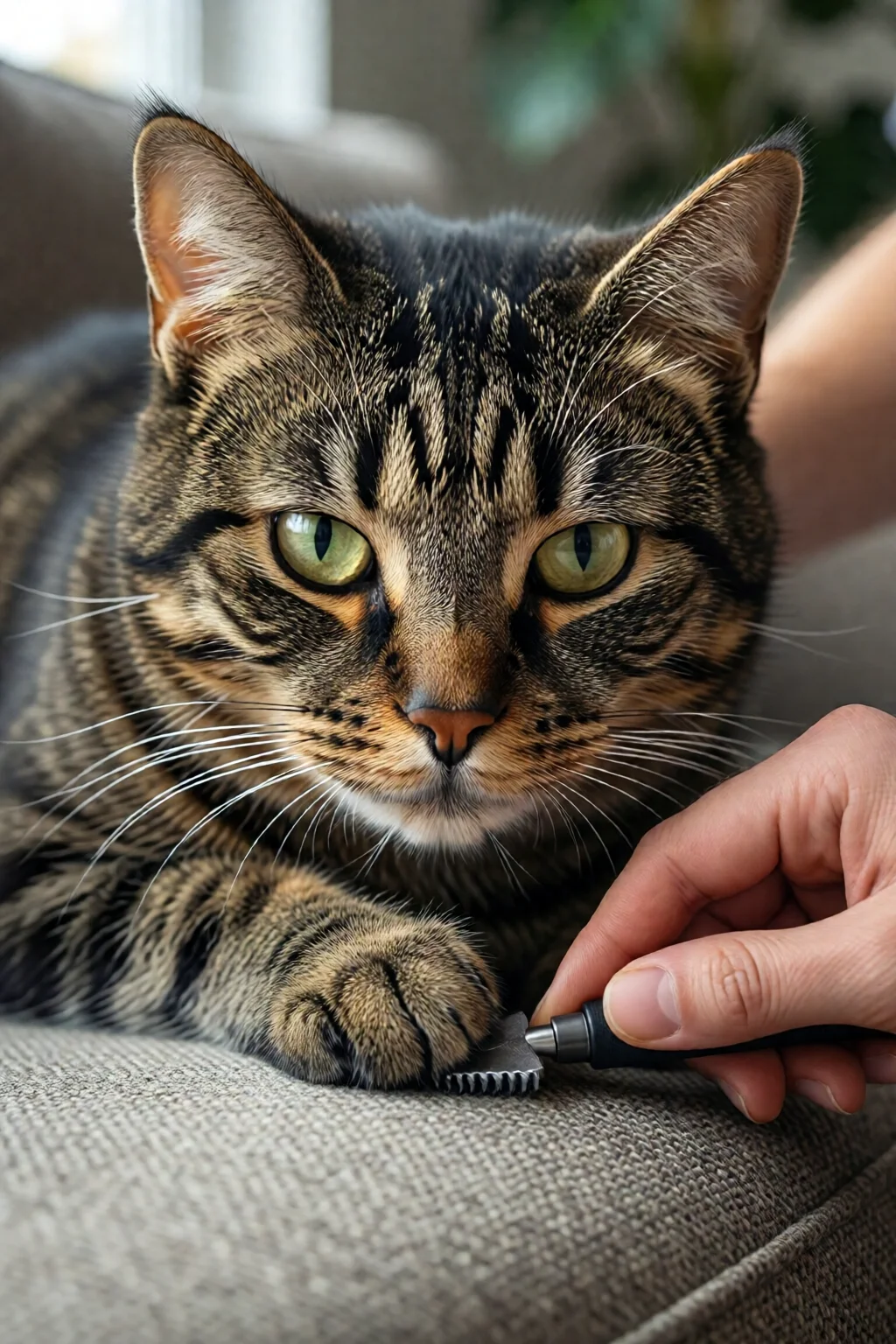
When your feline friend approaches the couch, a mild, unpleasant sensation can break the habit. Here are three proven deterrents:
- Double‑Sided Tape: 3M’s Scotch Indoor Mounting Tape (12 inches, $5) creates a sticky surface that cats dislike. Replace every 2–3 weeks as the adhesive loses tack.
- Citrus Sprays: A homemade mix of 1 cup water, 1 tbsp white vinegar, and 10 drops orange essential oil (safe in low concentrations) sprayed lightly on the fabric. Cats are naturally averse to citrus scents.
- PetSafe SSS Cat Repellent (Spray): Contains a natural formula of bitter almond and citrus. One 2‑ounce bottle ($12) lasts about 30 sprays, covering roughly 50 sq ft.
Apply deterrents after cleaning the area to remove any lingering scent that may have already attracted the cat.
3. Trim Your Cat’s Nails Regularly
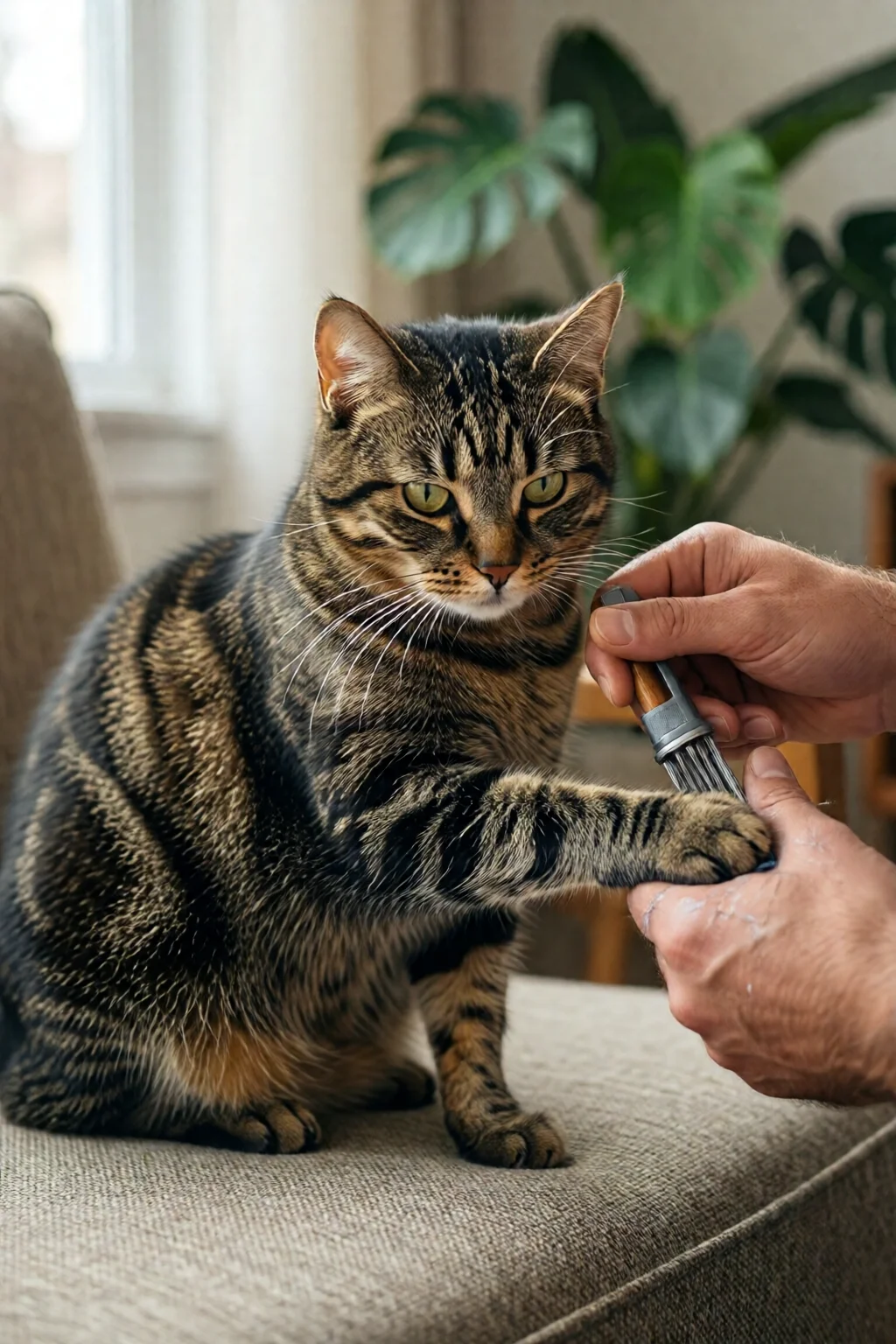
Sharp claws cause more damage. A quick nail trim reduces the impact of each swipe. Use a pair of Safari Professional Cat Nail Clippers ($8) and trim only the transparent tip, avoiding the quick (the pink part). If you’re nervous, ask your vet for a demonstration.
Frequency: Most cats need a trim every 10‑14 days. For long‑haired breeds like the Abyssinian, you may need to trim more often because their fur can hide the quick.
One mistake I see often: Cutting too close to the quick, which causes bleeding and fear. If you catch a small bleed, press a styptic powder (e.g., Pet Bleeder, $4) onto the tip.
4. Protect the Furniture Directly
If you can’t move the cat away from a beloved piece, protect it:
- Slipcovers: The SureFit Slipcover for Sofa (queen size, $45) is stretchable, machine‑washable, and hides scratches.
- Furniture Protectors: 3M’s Furniture Protector Film (12 sq ft, $15) adheres to wood or upholstery, creating a clear barrier that can be peeled off when needed.
- Throw Blankets: A simple cotton throw ($12) can be swapped out weekly for washing, and most cats will scratch the texture rather than the underlying couch.
These options buy you time while you train your cat to use proper surfaces.
5. Positive Reinforcement Training
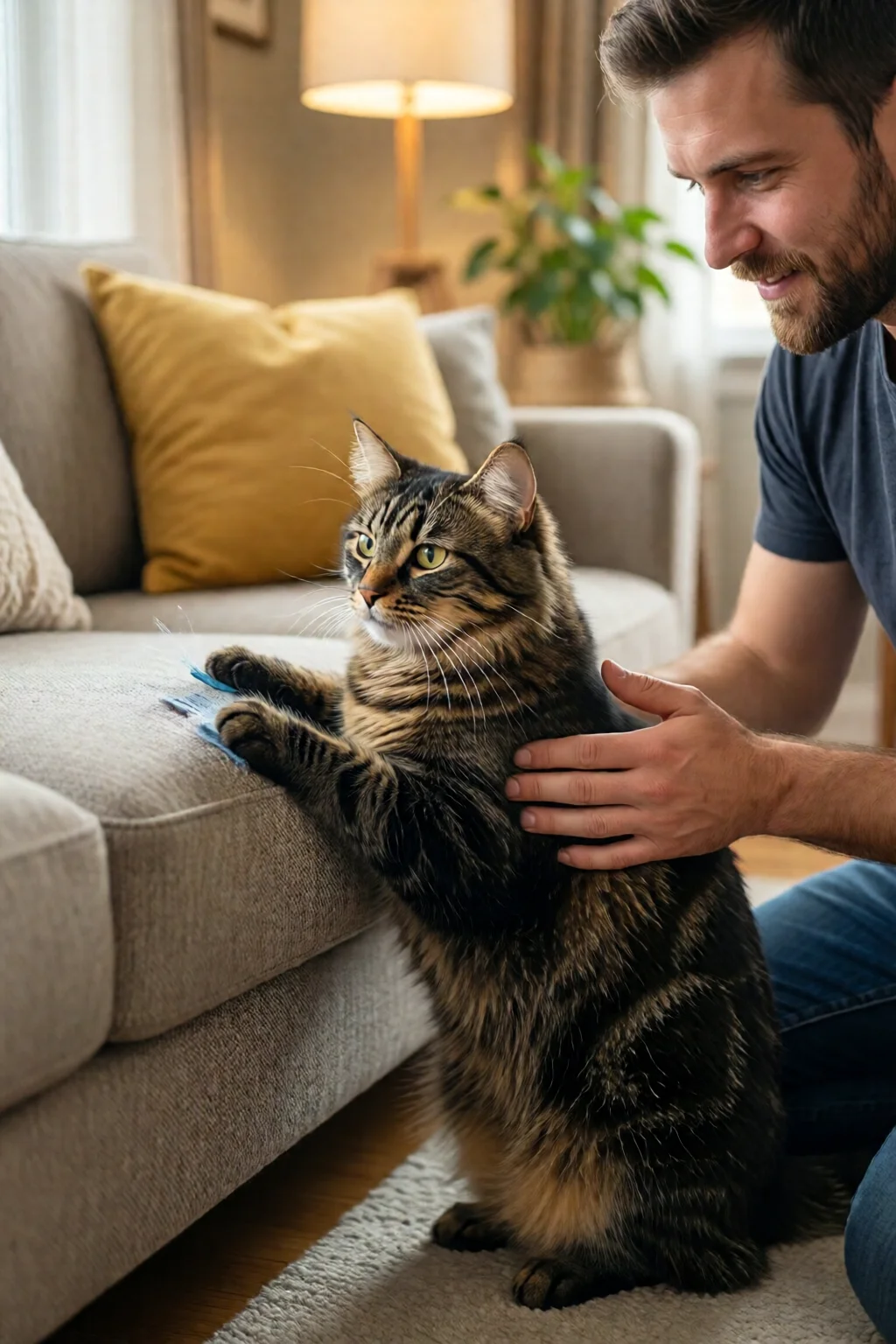
Reward‑based training works wonders. Keep a small bag of treats (e.g., Greenies Feline Dental Treats, $9 for 90 pieces) handy. When you see your cat head‑butt or scratch the post, immediately give a treat and a soft “good cat.” Consistency is key—reward every successful use for the first two weeks.
In my experience, pairing a clicker (a PetSafe Classic Clicker, $3) with the treat accelerates learning. The click marks the exact moment the cat uses the post, creating a clear association.
Tip: Use a calm voice and avoid yelling. Negative reactions can cause anxiety, leading to more destructive behavior.
6. Enrich the Environment
A bored cat is a scratching cat. Provide mental and physical outlets:
- Interactive Toys: The Cheerble Wicked Ball (a 3‑inch silicone ball, $10) rolls unpredictably, encouraging play.
- Cat Trees: The Frisco 72‑Inch Cat Tree ($129) offers climbing, perching, and multiple scratching surfaces.
- Window Perches: The K&H EZ-View Window Seat ($49) gives a sunny lookout, reducing stress.
Research shows that cats with at least one vertical climbing structure are 45% less likely to damage furniture.
7. Deploy Synthetic Pheromone Diffusers
Feline facial pheromone (F3) mimics the scent cats deposit when they rub their cheeks on objects. The Feliway Classic Diffuser (plug‑in, $39 for a 30‑day supply) can calm a cat and reduce unwanted scratching by up to 30% within the first week.
Place the diffuser in the room where most scratching occurs, but keep it at least 3 feet away from the cat’s food and water bowls.
8. Consistency and Patience—The Long‑Term Plan
Training a cat is a marathon, not a sprint. Document progress in a simple log: note the date, which furniture was targeted, and whether the cat used the post instead. Over a month, you’ll see patterns and can adjust strategies.
Expect setbacks. A new kitten, a change in household routine, or a stressful event (like moving) can trigger a resurgence of scratching. When this happens, revisit the deterrents and increase play sessions.

Top Picks Comparison Table
| Product | Type | Price | Dimensions | Durability (Months) | Rating (5‑Star) |
|---|---|---|---|---|---|
| SmartCat Ultimate Scratching Post | Vertical | $79 | 30 in H × 12 in W | 24 | 4.8 |
| Catit Design Senses Scratching Board | Horizontal | $34 | 20 in L × 12 in W | 12 | 4.5 |
| GoPet Classic Scratching Post & Lounge | Combo | $59 | 24 in H × 16 in W | 18 | 4.6 |
| PetSafe SSS Cat Repellent Spray | Deterrent | $12 | 2 oz bottle | 6 (30 sprays) | 4.4 |
| Feliway Classic Diffuser | Pheromone | $39 | Plug‑in, 30‑day cartridge | 1 (replaces cartridge) | 4.7 |
Final Verdict
Stopping a cat from scratching furniture isn’t about punishment; it’s about providing better choices, making the unwanted surface unappealing, and reinforcing the right behavior. By combining a high‑quality scratching post, safe deterrents, regular nail trims, protective covers, and plenty of enrichment, most owners see a dramatic reduction in damage within the first month. Remember, consistency and patience win the day—your cat will thank you with a happy purr, not a shredded sofa.
Why does my cat scratch furniture?
Scratching lets cats sharpen claws, stretch muscles, mark territory with scent glands in their paws, and relieve stress. It’s a natural instinct that needs an outlet.
How often should I trim my cat’s nails?
Every 10‑14 days is ideal for most indoor cats. Long‑haired breeds may need more frequent trims.
Can pheromone diffusers really stop scratching?
Yes. Products like Feliway can reduce stress‑related scratching by up to 30% within a week when used consistently.
What’s the best placement for a scratching post?
Place it directly in front of the furniture being scratched, then gradually move it away as the cat uses it. Near a sunny window or a high‑traffic area increases appeal.
How do I train my cat to use a harness while stopping scratching?
Start with short indoor sessions, reward calm behavior, and combine harness time with play on the scratching post. For detailed steps, see how to train a cat to use a harness.
2 commentaires sur « How To Stop A Cat From Scratching Furniture – Everything You Need to Know »