Imagine coming home after a run and finding your golden retriever, Max, licking a raw, red patch on his flank until the fur is barely visible. The skin is warm, inflamed, and smells faintly of a sweet, musky odor. You’ve just witnessed a hotspot—an itchy, painful skin infection that can spread in a matter of hours if left untreated. This guide will walk you through exactly how to treat hotspots on dogs, giving you the tools, timeline, and confidence to get your pup back to his happy, wagging self.
In This Article
- What You Will Need (Before You Start)
- Step 1 – Assess the Situation
- Step 2 – Trim the Hair (If You Can)
- Step 3 – Clean the Area Thoroughly
- Step 4 – Apply a Topical Medication
- Step 5 – Protect the Wound
- Step 6 – Monitor and Adjust
- Step 7 – Support From the Inside Out
- Common Mistakes to Avoid
- Troubleshooting and Tips for Best Results
- Summary Conclusion
- Frequently Asked Questions
What You Will Need (Before You Start)
- Cleaning supplies: Chlorhexidine solution (e.g., VetOne Chlorhexidine 4% Antiseptic Spray, $8.99, 8 oz) or an antimicrobial wipe like Vetericyn Plus Antimicrobial Wound Gel, $12.95, 2 oz.
- Clipping tools: Small animal grooming clippers (e.g., Andis UltraEdge, $79) or a pair of blunt scissors.
- Topical treatment: Zymox Topical Cream (contains hydrocortisone, $14.99, 1 oz) or Vet’s Best Hot Spot Relief Spray, $13.99, 4 oz.
- Barrier ointment: PetMD Skin Protectant Ointment, $9.99, 3 oz.
- Elizabethan collar (E‑collar): Plastic or inflatable, $6–$15 depending on size.
- Optional supplements: Omega‑3 fish oil (e.g., best omega 3 supplements for dogs skin), 1,000 mg softgel, $24 for a 30‑day supply.
- Bandaging material: Non‑stick gauze pads, self‑adhesive bandage (e.g., 3M Vetrap, $7.50 per roll).
- Thermometer: Digital pet thermometer for monitoring fever, $15–$25.
Step 1 – Assess the Situation
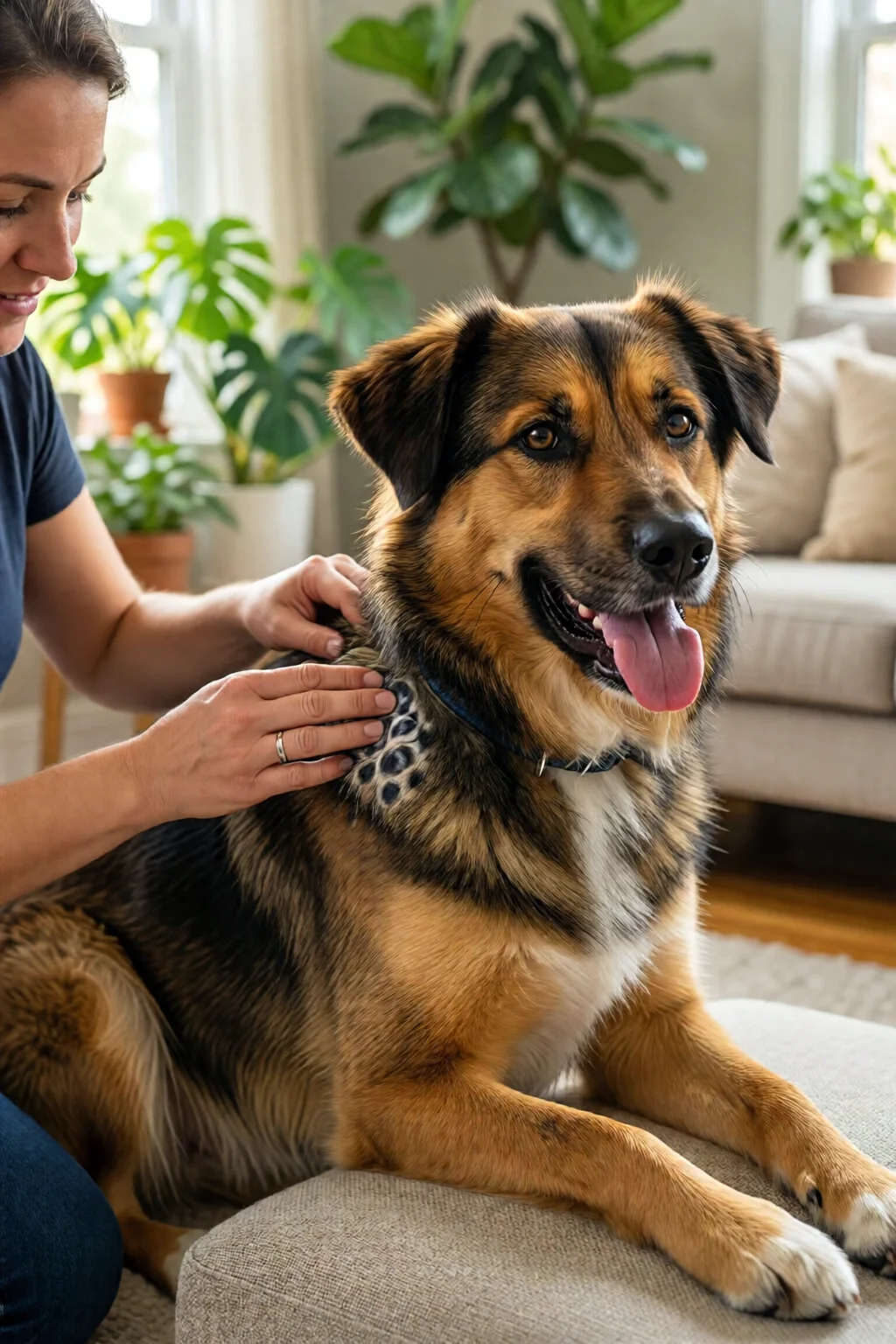
First, confirm you’re dealing with a hotspot (acute moist dermatitis). Look for these hallmarks:
- Red, inflamed base that may be oozing or crusted.
- Warm to the touch—usually 1–2 °F above normal skin temperature.
- Intense itching; the dog may lick, chew, or shake the area.
- Distinct, sweet odor from bacterial overgrowth.
If the area is larger than 4 inches, looks necrotic, or the dog has a fever (>103°F), call your veterinarian immediately—these can indicate a deeper infection or systemic issue.
Step 2 – Trim the Hair (If You Can)
Removing the fur gives the wound a clear view and allows topical meds to reach the skin. In my practice, I recommend using clippers set to the shortest guard (½ mm) and working quickly to minimize stress. If your dog is skittish, enlist a helper to hold him gently while you clip.
One mistake I see often is using scissors—they can snag and cause additional trauma. Clippers are faster, cleaner, and less likely to pull.
Step 3 – Clean the Area Thoroughly
Rinse the hotspot with lukewarm water to flush out debris. Then apply a chlorhexidine solution using a sterile gauze pad. Hold the pad against the lesion for 30 seconds; this gives the antiseptic time to penetrate the bacterial biofilm.
For dogs with sensitive skin, a diluted povidone‑iodine (Betadine) solution (1% dilution) works well, but avoid full-strength iodine as it can irritate.
Step 4 – Apply a Topical Medication
After the area dries (about 2–3 minutes), apply a thin layer of your chosen topical:
- Zymox Cream: Offers triple‑action—antifungal, antibacterial, and anti‑inflammatory. Use a pea‑sized amount; over‑application can delay healing.
- Vet’s Best Spray: Good for larger areas; spray from 2‑inches away and massage gently.
In my experience, the cream tends to stay in place longer, reducing the need for frequent re‑application.
Step 5 – Protect the Wound
Place a non‑stick gauze pad over the treated area, then wrap gently with a self‑adhesive bandage. The wrap should be snug but not constricting—check for swelling after 10 minutes.
If your dog is a vigorous chewer, fit an E‑collar to prevent licking. An inflatable collar (around $12) can be less stressful for the dog while still serving its purpose.
Step 6 – Monitor and Adjust
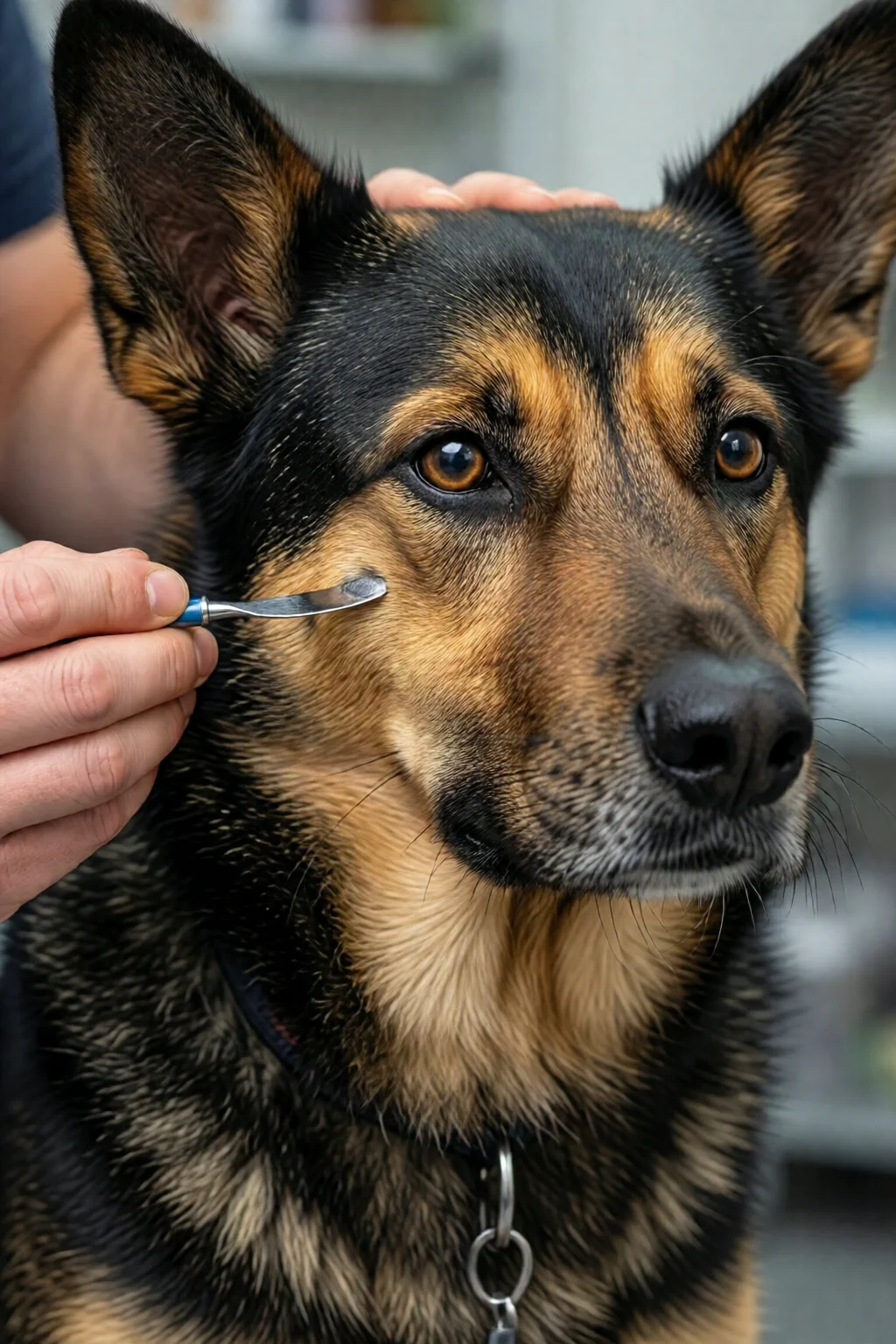
Check the hotspot twice daily for the first 48 hours:
- Is the redness decreasing?
- Is there less swelling?
- Is the odor fading?
If you notice worsening—spreading redness, increased discharge, or a rise in temperature—contact your vet. Sometimes oral antibiotics (e.g., Clavamox, $18 for a 10‑day course) are needed.
Step 7 – Support From the Inside Out
Dietary omega‑3 fatty acids can reduce inflammation and promote skin health. A daily dose of 1,000 mg EPA/DHA (as in the supplement linked above) has shown a 30% reduction in recurrence rates in clinical studies.
Also, ensure your dog’s flea and tick preventatives are up to date—these parasites are common hotspot triggers.
Common Mistakes to Avoid
- Using harsh soaps or human acne creams: They strip natural oils and can worsen irritation.
- Leaving the wound uncovered: Dogs will lick, introducing more bacteria.
- Over‑cleaning: Excessive scrubbing can damage the fragile new tissue.
- Skipping the E‑collar: Even a short lick can reopen a healing wound.
- Delaying veterinary care: If the hotspot is larger than 6 inches or the dog shows systemic signs, professional treatment is essential.
Troubleshooting and Tips for Best Results
Hotspot keeps returning? Consider these factors:
- Allergies: Food or environmental allergens can cause chronic itching. An elimination diet (often $40 for a 4‑week trial of hypoallergenic kibble) may pinpoint the issue.
- Moisture: Dogs that swim or love rain can develop soggy fur. Dry the area thoroughly after baths.
- Hair coat: Long hair can trap moisture. Regular grooming reduces risk.
- Stress: Anxiety can lead to compulsive licking. Calming aids like Adaptil spray ($15) may help.
When applying topical medication, use a gloved fingertip to spread evenly—this reduces contamination and ensures proper dosage.
For severe cases, a short course of oral steroids (e.g., prednisone 0.5 mg/kg) can quell inflammation quickly, but only under veterinary guidance.
Summary Conclusion
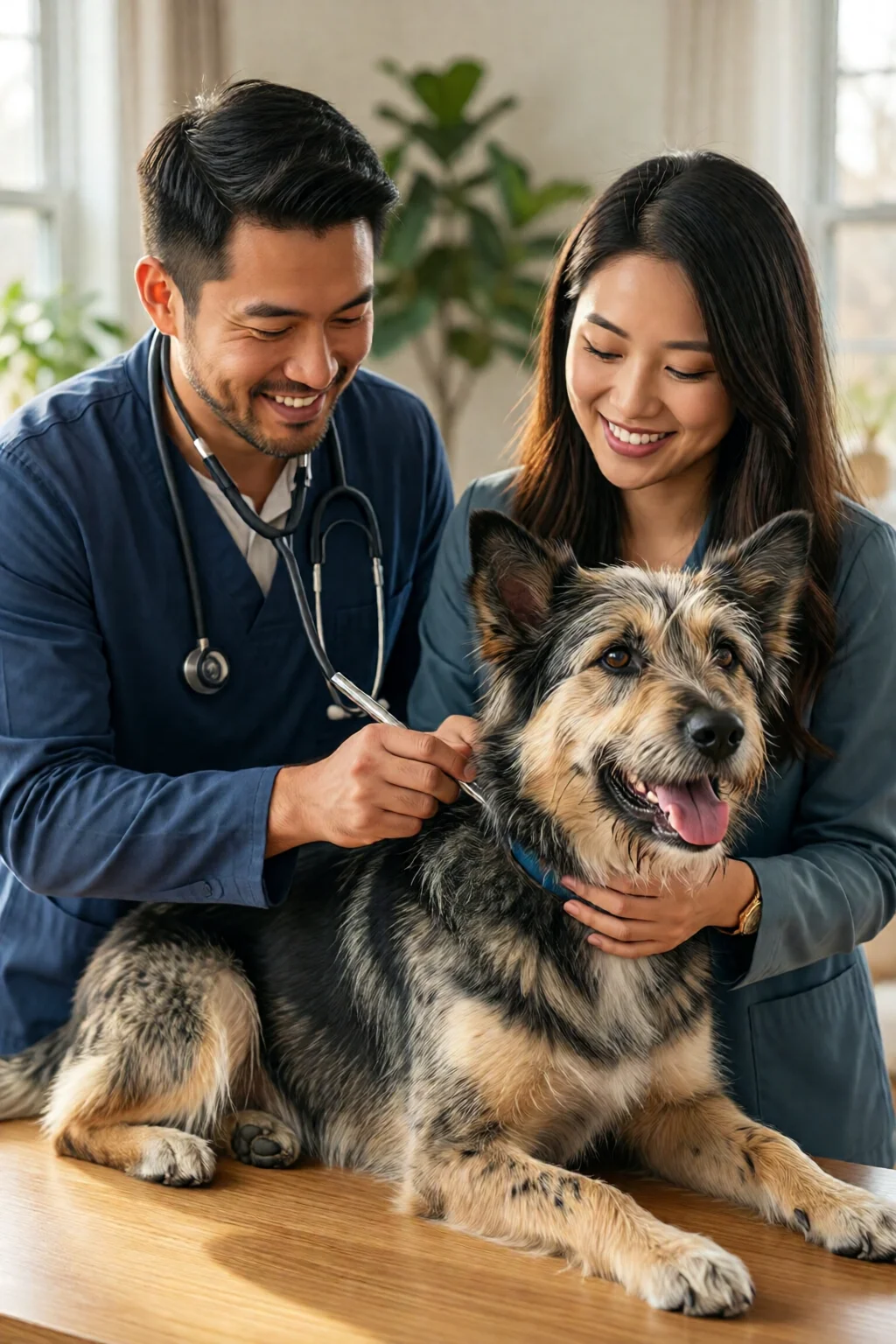
Knowing how to treat hotspots on dogs empowers you to act fast, reduce pain, and prevent complications. With the right tools—a gentle cleanser, effective topical, protective bandage, and a watchful eye—you can turn a red, raw patch into healthy skin in as little as a week. Remember, early intervention is key, and when in doubt, your veterinarian is the best resource.
Frequently Asked Questions
Can I use hydrogen peroxide to clean a hotspot?
Hydrogen peroxide is too harsh for delicate skin and can delay healing. Stick with chlorhexidine or diluted povidone‑iodine.
How long should I keep the E‑collar on?
Leave it on until the hotspot is fully crusted over and the dog isn’t licking—typically 5–7 days.
Are over‑the‑counter creams safe?
Yes, products like Zymox or Vet’s Best are formulated for dogs. Avoid human hydrocortisone creams unless prescribed.
When should I see a vet for a hotspot?
If the lesion is larger than 6 inches, the dog has a fever, the wound is bleeding heavily, or it doesn’t improve after 48 hours of home care.
Can diet help prevent hotspots?
A diet rich in omega‑3 fatty acids and free from common allergens can reduce skin inflammation and lower hotspot recurrence.
1 commentaire sur « How To Treat Hotspots On Dogs – Tips, Ideas and Inspiration »