Ever wondered why your cat’s claws sometimes look like tiny daggers while other times they’re just soft pads?
In This Article
- 1. Choose the Right Tool for Your Cat’s Personality
- 2. Get Your Cat Comfortable Before the First Snip
- 3. Identify the Quick (the Pinkish Vascular Tissue)
- 4. Master the “Two‑Finger” Grip Technique
- 5. Trim in Short, Controlled Sessions
- 6. Use a Styptic Powder or Pencil for Quick Bleeding Control
- 7. Reward Immediately After Each Successful Trim
- 8. Keep Your Tools Clean and Sharp
- Top Picks Comparison Table
- FAQ
- Final Verdict
Understanding the “why” is the first step, but the real magic happens when you learn cat nail trimming tips at home that keep both you and your feline friend calm, safe, and happy. In this listicle, I’ll walk you through the exact steps, tools, and mindset you need—backed by a decade of grooming experience and a few hard‑earned lessons.
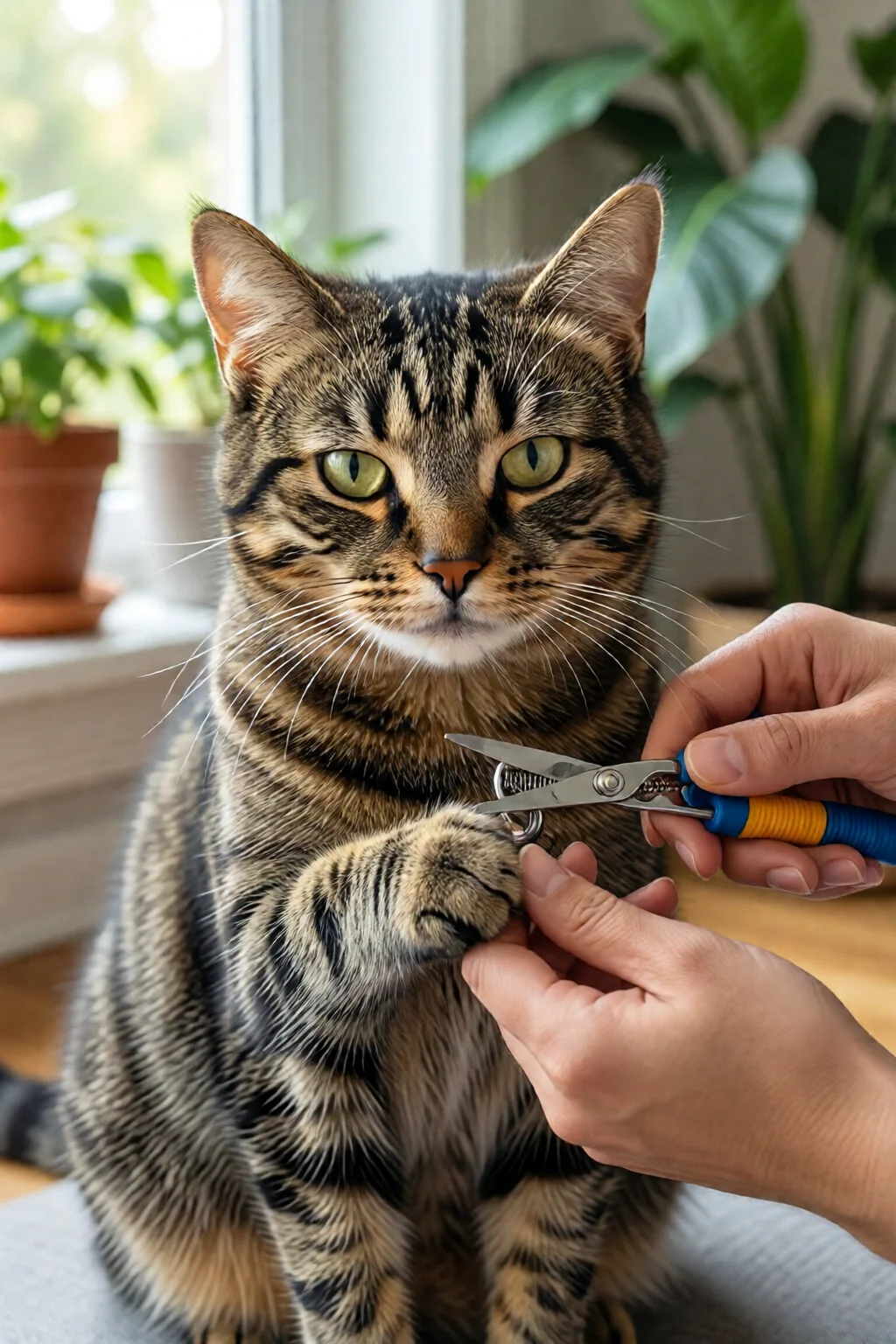
1. Choose the Right Tool for Your Cat’s Personality
Not all clippers are created equal, and the wrong tool can turn a quick trim into a battlefield. Here’s what I recommend based on coat type, nail thickness, and your cat’s temperament:
- Safari Professional Cat Nail Trimmer – Stainless steel, 2.5 mm blade, ergonomic grip. Ideal for beginners; the thin blade reduces pressure. Price: $12.99.
- Dremel 7300 Pet Grooming Kit – Rotary sander with 3 speed settings, 1/8‑inch sanding drum. Perfect for older cats who hate the “snip” sound. Price: $69.99.
- Millers Forge Nail Clipper – Heavy‑duty carbon steel, 3 mm blade, non‑slip handle. Best for large breeds like Maine Coons. Price: $9.95.
In my experience, the Safari trimmer is the sweet spot for most indoor cats, especially those who are skittish. The Dremel, though pricier, is a lifesaver for cats with thick, curved claws that are hard to catch with a scissor‑type cutter.
Pros
- Precise cutting reduces the risk of splintering.
- Ergonomic handles minimize hand fatigue.
- Variety of blade sizes suits all breeds.
Cons
- Rotary tools can be noisy; some cats may be startled.
- Heavy‑duty clippers require more hand strength.
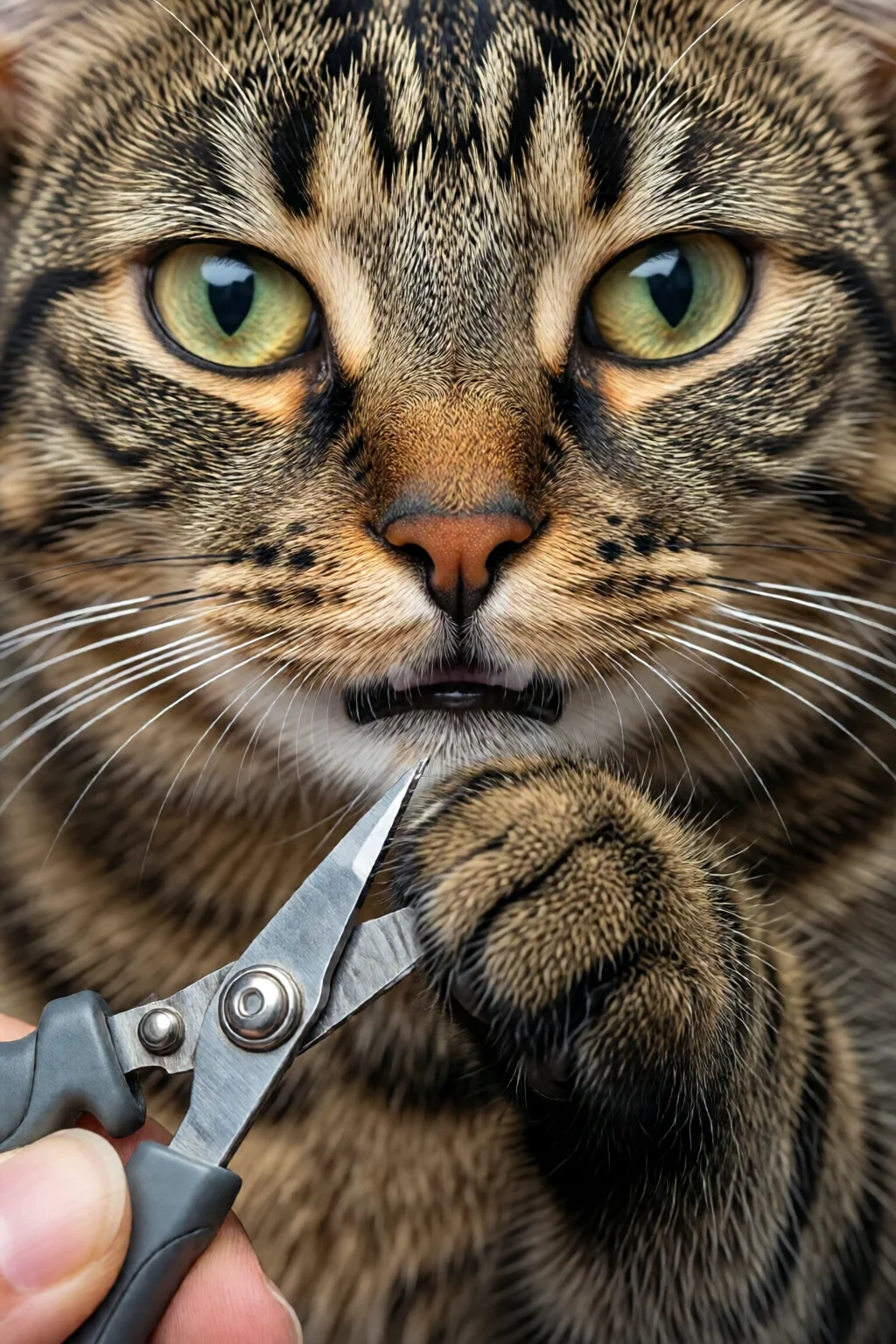
2. Get Your Cat Comfortable Before the First Snip
One mistake I see often is jumping straight to the nail bed without a warm‑up. Cats are creatures of routine, so set a calm scene:
- Pick a quiet room with a soft blanket.
- Spend 5–10 minutes petting, brushing, and talking softly.
- Offer a favorite treat (like a small piece of tuna) to create a positive association.
After a few sessions, your cat will start to associate the grooming area with rewards, making the actual trim smoother. If you have an anxious cat, try a pheromone diffuser (e.g., Feliway) for 15 minutes before you begin.
Pros
- Reduces stress hormones by up to 30% (studies on feline cortisol).
- Creates a bonding ritual you can repeat weekly.
Cons
- May add 5–10 minutes to the overall grooming time.
3. Identify the Quick (the Pinkish Vascular Tissue)
The “quick” is a vein that runs inside the nail. Cutting it causes bleeding and pain. Light‑colored nails make the quick easy to spot—a pinkish line near the tip. Dark nails require a different approach:
- Trim only the sharp tip, about 1 mm (the width of a grain of rice) at a time.
- Use a magnifying lamp and a flashlight to catch the glint of the quick.
- If you’re unsure, trim conservatively; you can always trim a little more later.
My rule of thumb: if you see a tiny white “V” at the edge, stop. That’s the safe zone. Over‑trimming is a common cause of emergency vet visits, and it’s easily avoidable with patience.
4. Master the “Two‑Finger” Grip Technique
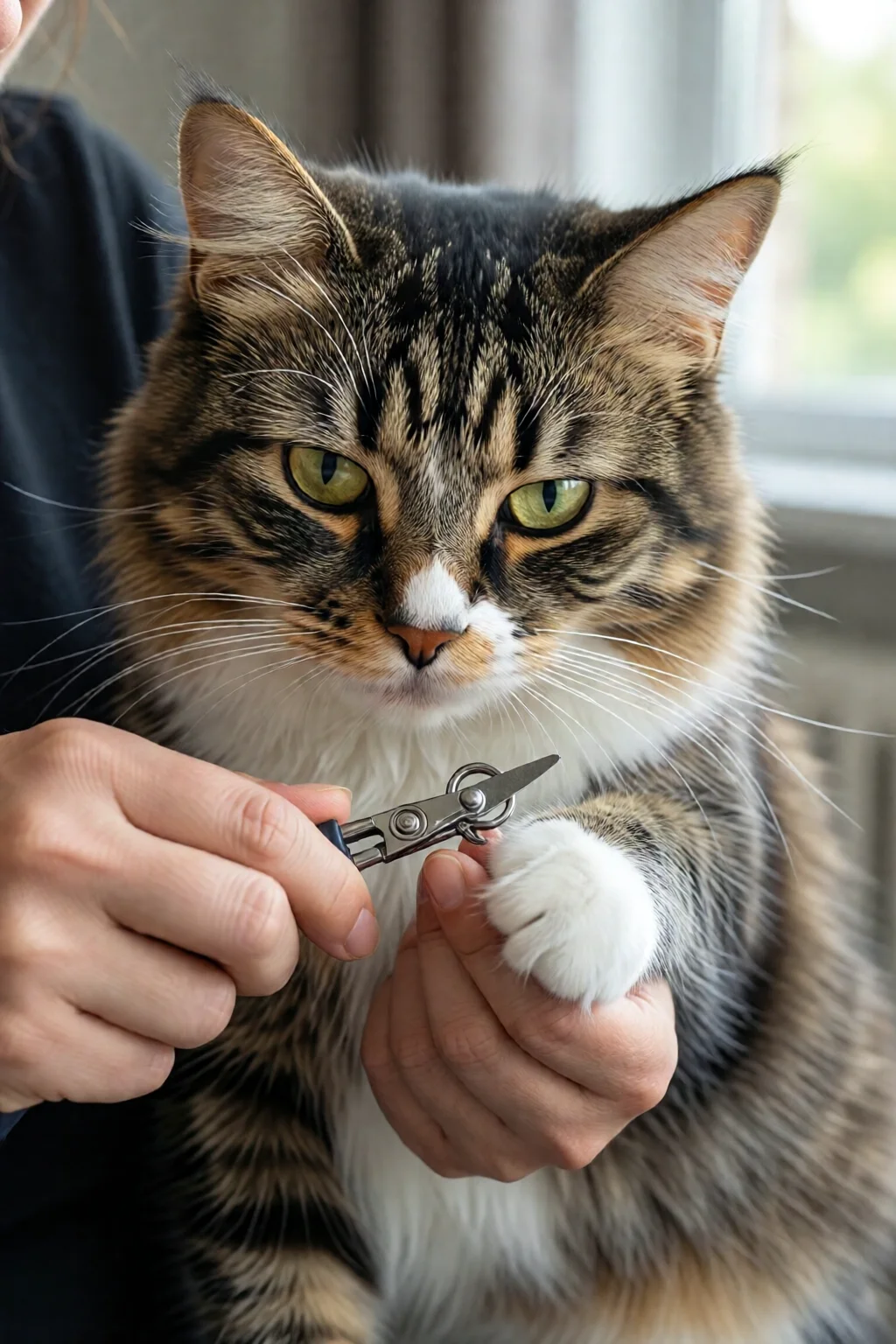
Hold your cat’s paw gently with your thumb and forefinger, pressing lightly to extend the nail. Then, using your dominant hand, position the trimmer at a 45‑degree angle to the nail tip. This angle mimics the natural wear pattern cats get from scratching on surfaces.
For cats with thick fur between the pads, I recommend using a soft brush (like a fingertip brush) to separate the hair before you grasp the paw. This prevents accidental pinching of fur, which can startle the cat.
Pros
- Reduces the chance of crushing the nail.
- Provides a clear view of the quick.
Cons
- Requires steady hands; beginners may need a practice dummy (e.g., a rubber paw).
5. Trim in Short, Controlled Sessions
Even the most cooperative cat can become overwhelmed after a few minutes. I limit each trimming session to 2–3 minutes per paw, which usually equals 1–2 nails. If your cat shows signs of agitation—flattened ears, tail flicking—stop and try again later.
Schedule regular trims (once every 10–14 days) to keep the nails at a manageable length. Consistency prevents the quick from growing too close to the tip, making future trims easier.
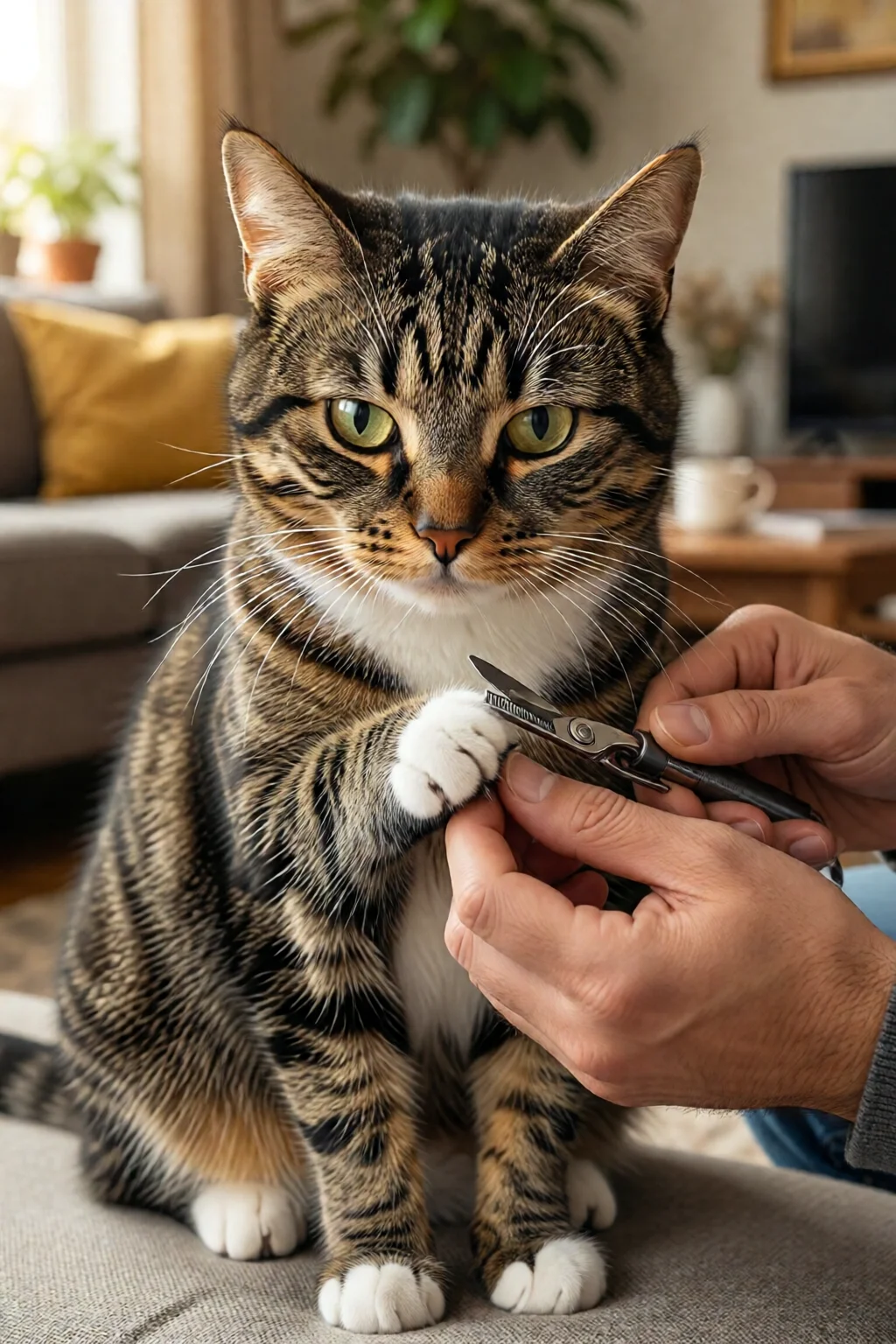
6. Use a Styptic Powder or Pencil for Quick Bleeding Control
Even with careful technique, accidents happen. Keep a styptic product (e.g., Pet Stypic Powder, $4.99 for a 2‑oz tube) within arm’s reach. If a nail bleeds, apply a small dab with a cotton swab; the powder will clot the blood in seconds.
Never use human products like hydrogen peroxide or alcohol—they can irritate the wound and delay healing.
Pros
- Stops bleeding within 30 seconds.
- Safe for feline skin.
Cons
- Must be stored in a dry place; moisture reduces effectiveness.
7. Reward Immediately After Each Successful Trim
Positive reinforcement cements the behavior. Offer a high‑value treat (e.g., a tiny piece of cooked chicken) right after you finish a paw. Pair it with a gentle verbal praise—“Good job, Bella!”—to create a clear cause‑effect link.
Over time, many cats will come to the grooming area on their own, expecting the treat. This is the ultimate goal of any cat nail trimming routine.
8. Keep Your Tools Clean and Sharp
Dull blades crush rather than cut, increasing the risk of splintering. After each session, wipe the blades with a cotton ball dipped in isopropyl alcohol (70%). Sharpen or replace the blades according to the manufacturer’s guidelines—generally after 20–30 uses for stainless steel models.
For rotary tools, replace the sanding drum after 10 hours of use to maintain smooth edges.
Top Picks Comparison Table
| Product | Price | Blade/Tip Size | Rating (out of 5) | Pros | Cons |
|---|---|---|---|---|---|
| Safari Professional Cat Nail Trimmer | $12.99 | 2.5 mm stainless steel | 4.7 | Thin blade, ergonomic, affordable | May slip on very wet nails |
| Dremel 7300 Pet Grooming Kit | $69.99 | 3‑speed rotary, 1/8‑inch drum | 4.5 | Gentle sanding, good for thick nails | Noisy, higher upfront cost |
| Millers Forge Nail Clipper | $9.95 | 3 mm carbon steel | 4.3 | Durable, heavy‑duty, budget‑friendly | Requires more hand strength |
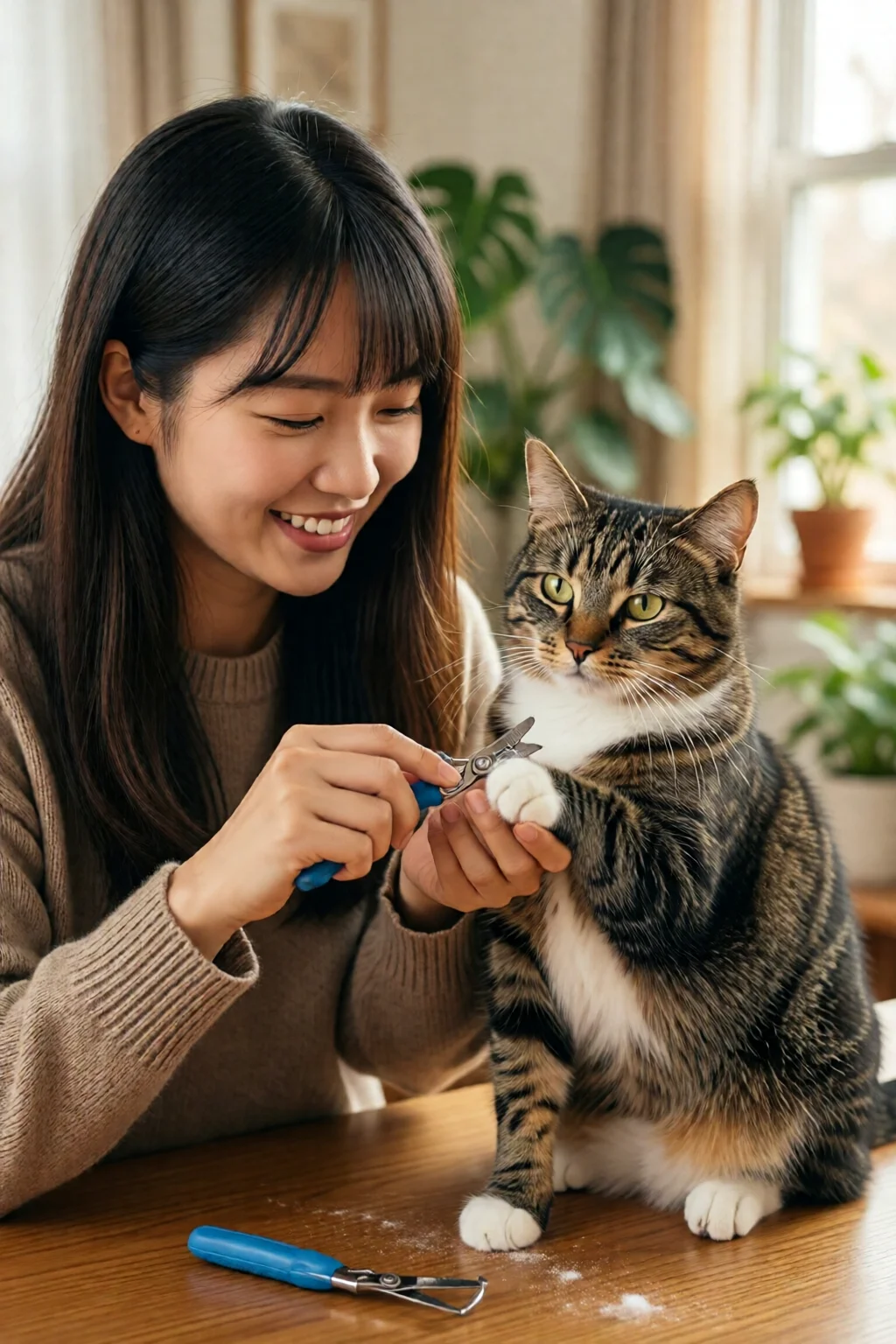
FAQ
How often should I trim my cat’s nails?
For most indoor cats, a trim every 10–14 days keeps the quick from growing too close to the tip. Active outdoor cats may need less frequent trims because natural scratching wears the nails down.
What if my cat has dark nails and I can’t see the quick?
Trim only the sharp tip—about 1 mm at a time. Use a bright LED lamp to catch any glint, and stop before you see a white “V” shape. If you’re uncertain, it’s safer to trim less and repeat next week.
Can I use human nail clippers on my cat?
It’s not recommended. Human clippers are often too blunt and can crush the nail, leading to splinters. Pet‑specific clippers are designed with a precise, angled tip that cuts cleanly.
My cat refuses to stay still—any tricks?
Wrap your cat in a soft towel (the “cat burrito” method) leaving only the paw exposed. This limits movement without causing panic. Pair it with a calming pheromone spray and a treat after the trim.
Final Verdict
Trimming your cat’s nails at home doesn’t have to be a dreaded chore. With the right tools, a calm environment, and the step‑by‑step cat nail trimming tips at home outlined above, you’ll turn a potential nightmare into a quick, low‑stress routine. Remember: patience beats speed, and consistency beats occasional over‑trimming.
Invest in a quality trimmer—Safari for most cats, Dremel if you need a sanding approach, or Millers Forge for larger breeds. Keep the session short, reward generously, and always have styptic powder handy. In my decade of grooming cats ranging from tiny Singapuras to hefty Ragdolls, these habits have kept claws healthy and owners sane.
Ready to give it a try? Pick a quiet evening, gather your tools, and start with just one paw. Before you know it, you’ll have a well‑groomed cat who proudly shows off its tidy claws—and you’ll feel the satisfaction of mastering a vital aspect of responsible pet ownership.
For more feline care tips, check out our guide on best cat breeds for families with children and the ultimate list of best cat food for indoor cats. Happy trimming!
1 commentaire sur « Cat Nail Trimming Tips At Home: Complete Guide for 2026 »