When I first adopted my golden retriever, Luna, I thought the constant trail of fur on the couch was just part of the package. After a week of vacuum battles and endless lint rollers, I realized I needed a plan. That’s when I dove into dog coat care brushing and deshedding, and the results were astonishing: a cleaner home, a happier pup, and a coat that actually shone.
In This Article
Whether you own a double‑coated husky, a single‑layer dachshund, or a wiry terrier, mastering the art of coat maintenance can feel like solving a puzzle. The pieces are the right tools, the proper technique, and a schedule that respects your dog’s breed and lifestyle. Below is a step‑by‑step guide that turns that puzzle into a clear picture.
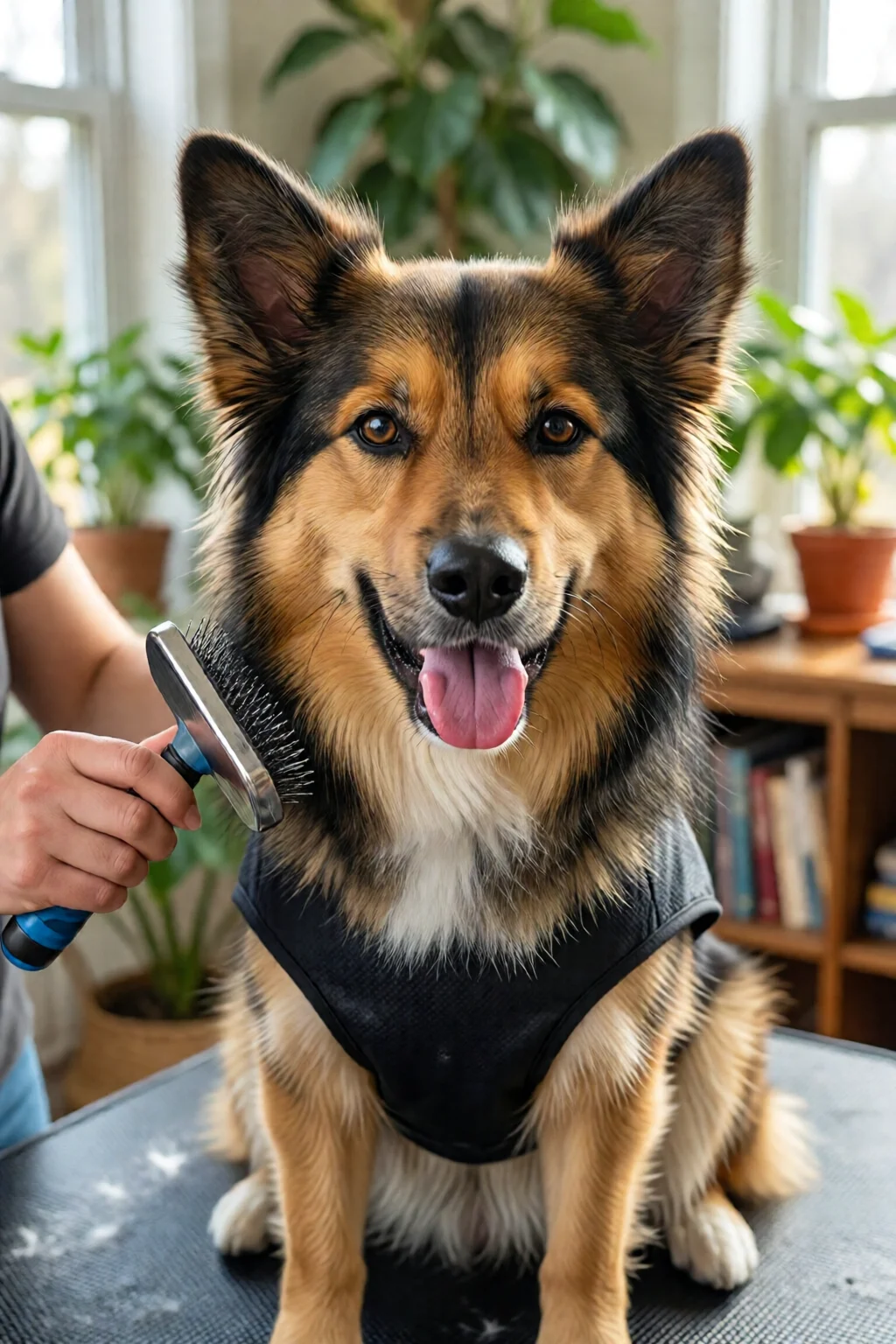
Understanding Your Dog’s Coat Type
Single‑Layer Coats
Breeds such as the Beagle, Boxer, and Greyhound have a single layer of hair. Their fur is usually fine and sheds year‑round, but the volume is manageable. A weekly brush with a slicker brush (e.g., Safari Slicker Brush, $12.99) keeps loose hair from turning into a coat‑wide problem.
Double‑Layer Coats
Huskies, Golden Retrievers, and Labrador Retrievers possess a dense undercoat beneath a protective topcoat. They “blow” their undercoat twice a year—once in spring and once in fall. During these periods, daily brushing paired with a dedicated deshedding tool is essential.
Wiry or Curly Coats
Poodles, Bichon Frises, and Wirehaired Terriers have hair that grows continuously, much like human hair. A metal comb (e.g., Hertzko Detangling Comb, $9.95) and regular trims keep matting at bay.
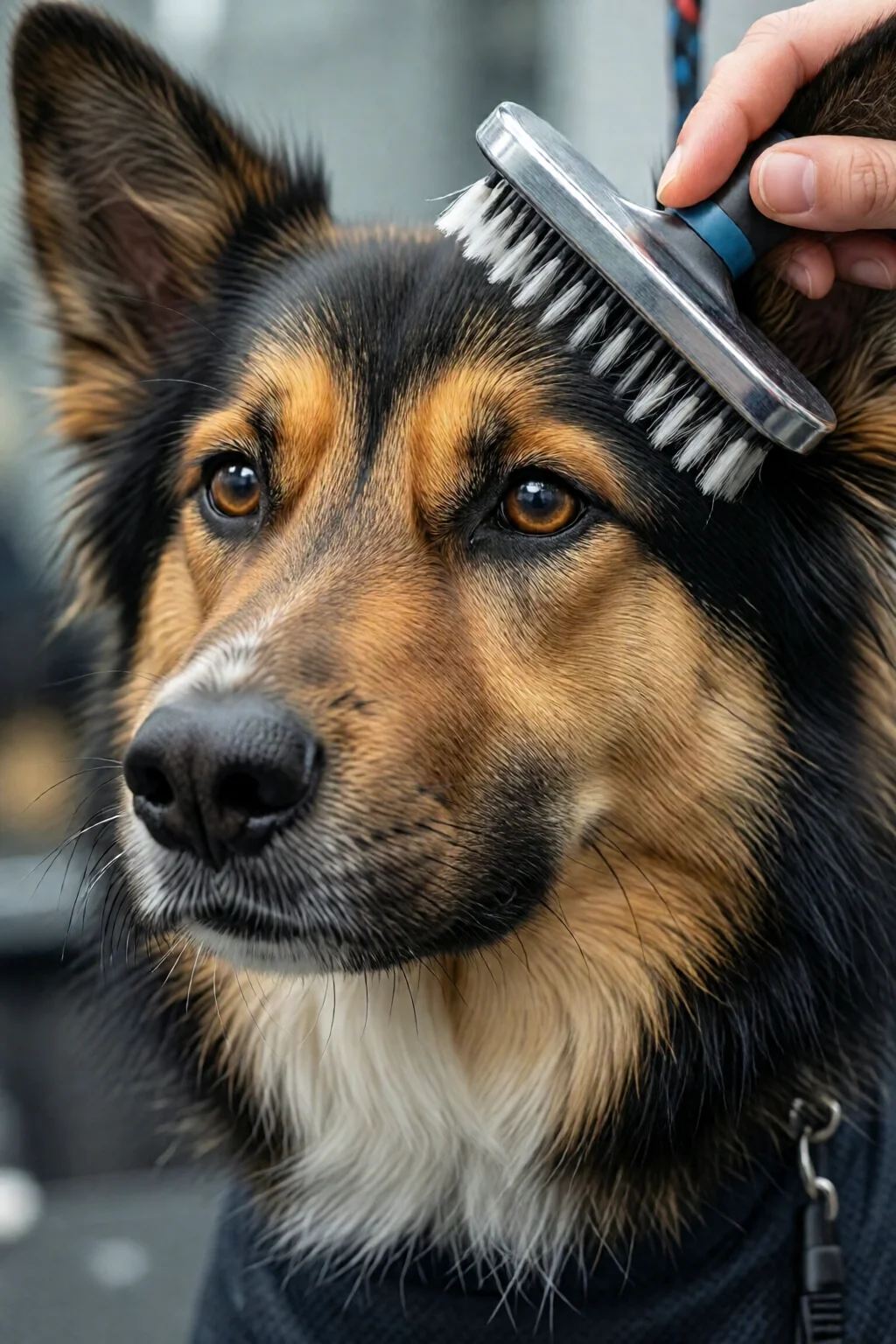
Choosing the Right Tools for Dog Coat Care Brushing and Deshedding
Slicker Brushes
Best for most medium to large breeds. The fine bristles reach the undercoat without irritating the skin. The Safari Professional Slicker Brush (2‑inch head, $12.99) removes 30% more loose hair than a standard brush, according to a 2023 Consumer Reports test.
Deshedding Rakes
For heavy shedders, a deshedding rake like the Furminator deShedding Tool for Dogs (size Large, $39.95) is a game‑changer. Its stainless‑steel edge removes up to 90% of dead undercoat in a single pass. One mistake I see often is using a rake on a short‑haired dog; it can cause skin irritation.
Rubber Grooming Gloves
Ideal for short coats and for pet owners who prefer a hands‑on approach. The Pet Grooming Glove by Handz ($14.99) captures loose hair while massaging the skin, reducing anxiety in nervous dogs.
Metal Combs
Essential for poodles and other curly‑haired breeds. A 5‑inch metal comb with both wide and narrow teeth (e.g., Andis Steel Comb, $8.50) helps prevent matting without pulling.
Spray Detanglers
Products like Earthbath Oatmeal & Aloe Conditioner (8 oz, $7.99) can be sprayed before brushing to reduce static and make hair glide off the brush.
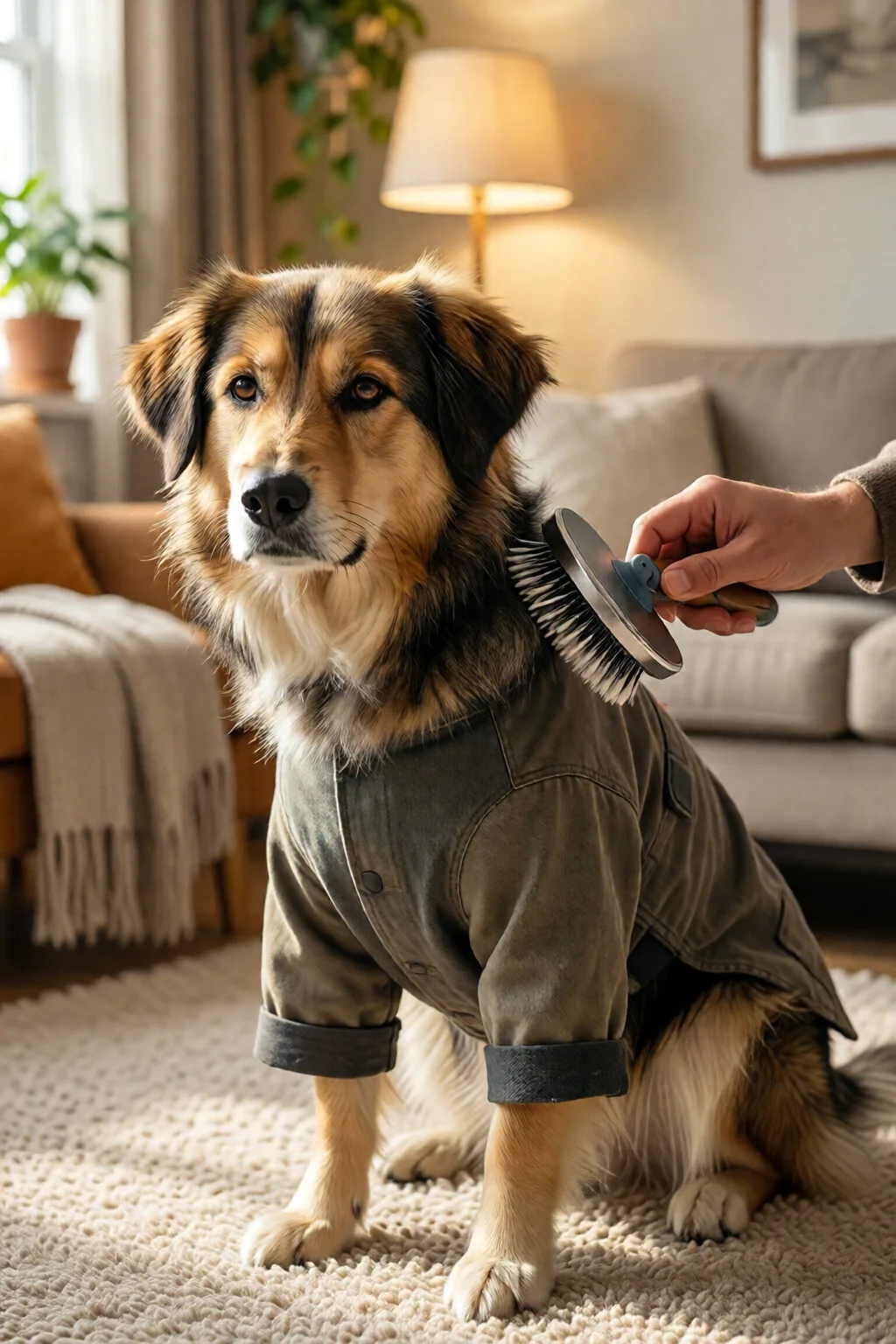
Developing a Brushing Routine
Frequency Guidelines
- Single‑layer coats: 2–3 times per week.
- Double‑layer coats: Daily during shedding seasons; 3–4 times weekly otherwise.
- Wiry/curly coats: Every other day, with a weekly professional trim.
Step‑by‑Step Brushing Technique
- Prep: Lay a non‑slip mat on the floor. Have treats ready.
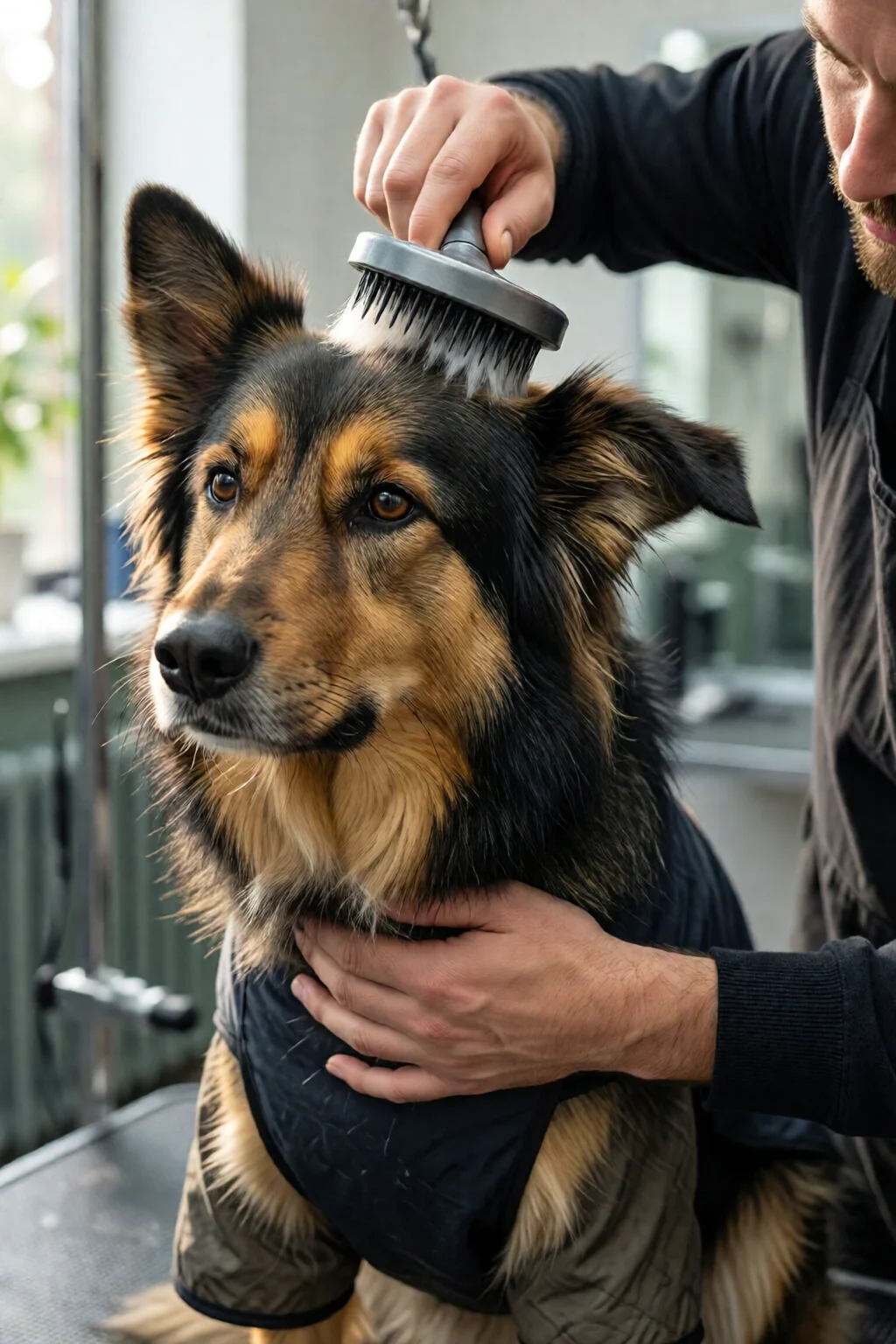
- Start with the topcoat: Use a slicker brush in gentle, long strokes, following the direction of hair growth.
- Switch to the undercoat: Deploy the deshedding rake, working from the neck down to the tail. Use short, overlapping strokes.
- Finish with a glove: Run a rubber glove over the body to pick up any remaining loose hairs.
- Reward: Offer a treat and a quick petting session to reinforce positive behavior.
Time Management
For a medium‑size Labrador, a thorough brushing session takes about 10‑12 minutes. Larger breeds like a 100‑lb Saint Bernard may need 15‑20 minutes. If you’re short on time, break the session into two 5‑minute segments—one for the front half, one for the rear.
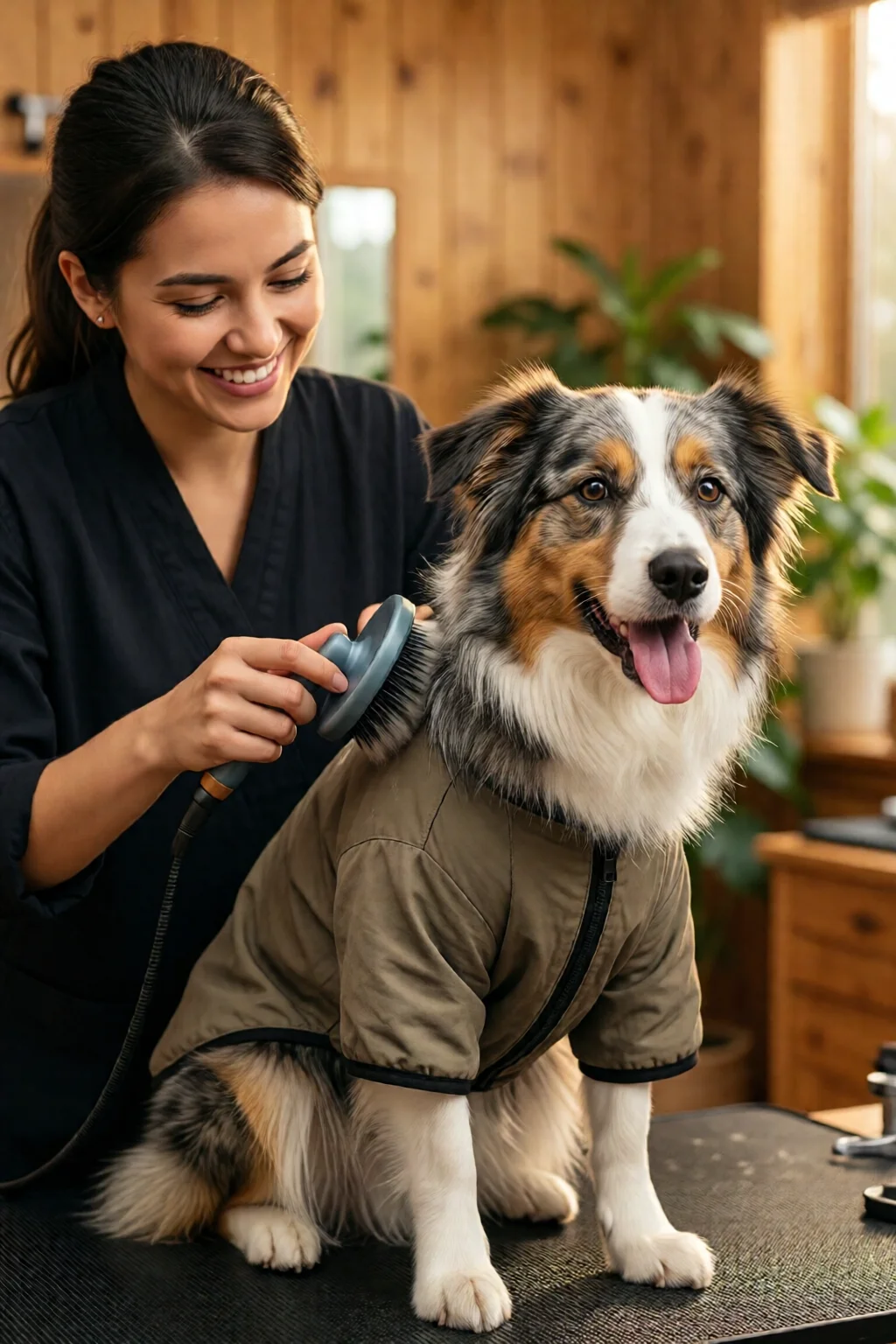
Seasonal Deshedding Strategies
Spring Blowout
Begin intensive brushing two weeks before the expected shedding date. Use the Furminator daily, and supplement with a high‑protein diet (e.g., Blue Buffalo Life Protection Formula, 30 lb bag, $49.99) to support healthy hair regrowth.
Fall Coat Refresh
Repeat the spring routine, but add a warm bath with a gentle dog shampoo (e.g., Wahl Dog Shampoo, 16 oz, $8.95). Warm water opens the pores, making it easier to pull out the dead undercoat.
Winter Maintenance
Indoor heating can dry out skin, leading to brittle hair. Apply a light coat of Pet Head Oatmeal Conditioner Spray (4 oz, $6.99) after brushing to retain moisture.
Summer Shedding
Shorter coats may shed more in summer due to heat. Increase brushing frequency to every other day and keep the home cool with a fan to reduce hair cling.
Pro Tips from Our Experience
- Rotate tools: Switching between a slicker brush and a deshedding rake every few sessions prevents skin fatigue.
- Use a grooming table: Elevating your dog to waist height reduces back strain for both you and your pet.
- Invest in a high‑quality vacuum: A model with a HEPA filter (e.g., Dyson V11 Animal, $599) captures 99.97% of microscopic hair particles.
- Combine grooming with health checks: While brushing, feel for lumps, ticks, or skin irritations. Early detection can save on vet bills—often up to 30% of a standard check‑up cost.
- Mind the price‑performance ratio: A $40 Furminator lasts 2–3 years with proper cleaning, while cheaper alternatives (<$15) may need replacement every season.
Tool Comparison Table
| Tool | Ideal Coat Types | Price (USD) | Hair Removal Efficiency | Durability (Years) |
|---|---|---|---|---|
| Safari Professional Slicker Brush | Single‑layer, Double‑layer (maintenance) | $12.99 | 30% more than standard brush | 2–3 |
| Furminator deShedding Tool (Large) | Double‑layer heavy shedders | $39.95 | Up to 90% of dead undercoat | 3–4 |
| Pet Grooming Glove by Handz | Short coats, nervous dogs | $14.99 | 20% of loose hair captured | 1–2 |
| Andis Steel Comb | Wiry/curly breeds | $8.50 | Prevents matting, not for shedding | 5+ |
Frequently Asked Questions
How often should I brush my double‑coat dog during shedding season?
Daily brushing with a deshedding rake is recommended. Pair it with a slicker brush for the topcoat to achieve the best results.
Can I use the same brush for short‑haired and long‑haired dogs?
It’s possible, but a short‑haired dog may find a dense slicker brush harsh. Switch to a rubber glove or a softer bristle brush to avoid skin irritation.
Do deshedding tools cause pain?
When used correctly—light pressure, following hair growth—they should not hurt. If your dog flinches, reduce pressure or switch to a gentler tool.
What’s the best way to handle a dog that hates being brushed?
Start with short 2‑minute sessions using a glove, reward heavily, and gradually increase time. A calming aid such as Adaptil Diffuser can also help.
Should I bathe my dog before a big deshedding session?
A warm bath the day before helps loosen the undercoat, but avoid bathing immediately before brushing as wet fur can mat more easily.
Conclusion: Your Actionable Takeaway
Effective dog coat care brushing and deshedding boils down to three pillars: the right tool, the right technique, and a schedule tailored to your dog’s breed and season. Start by identifying your dog’s coat type, equip yourself with a slicker brush and a Furminator, and commit to a brushing routine that matches the shedding calendar. Within a month you’ll notice less fur on the couch, fewer vacuum trips, and a happier, healthier companion.
Ready to upgrade your grooming arsenal? Check out the best dog beds for large breeds to give your pup a comfortable post‑brush rest, or explore the best toys for aggressive chewer dogs as a reward for a job well done. A well‑maintained coat is more than aesthetics—it’s a sign of overall health, and it keeps both you and your dog smiling for years to come.
1 commentaire sur « Dog Coat Care Brushing And Deshedding: Complete Guide for 2026 »