When I first set up a 20‑gallon tank for my orange comet goldfish, I thought “a small bowl would do.” Within a week the water turned cloudy, the fish floated listlessly, and I was frantically Googling “goldfish care guide tank setup and feeding.” The lesson was clear: goldfish are not the low‑maintenance pets the myths suggest. This guide walks you through every detail—from the moment you open the box to the last bite of a balanced meal—so you can enjoy vibrant, healthy goldfish for years to come.
In This Article
- What You Will Need (Before You Start)
- Step 1: Choose the Right Tank and Position It
- Step 2: Set Up Filtration and Aeration
- Step 3: Prepare the Substrate and Decor
- Step 4: Cycle the Water Properly
- Step 5: Introduce Your Goldfish Safely
- Step 6: Establish a Feeding Routine
- Common Mistakes to Avoid
- Troubleshooting and Tips for Best Results
- Summary
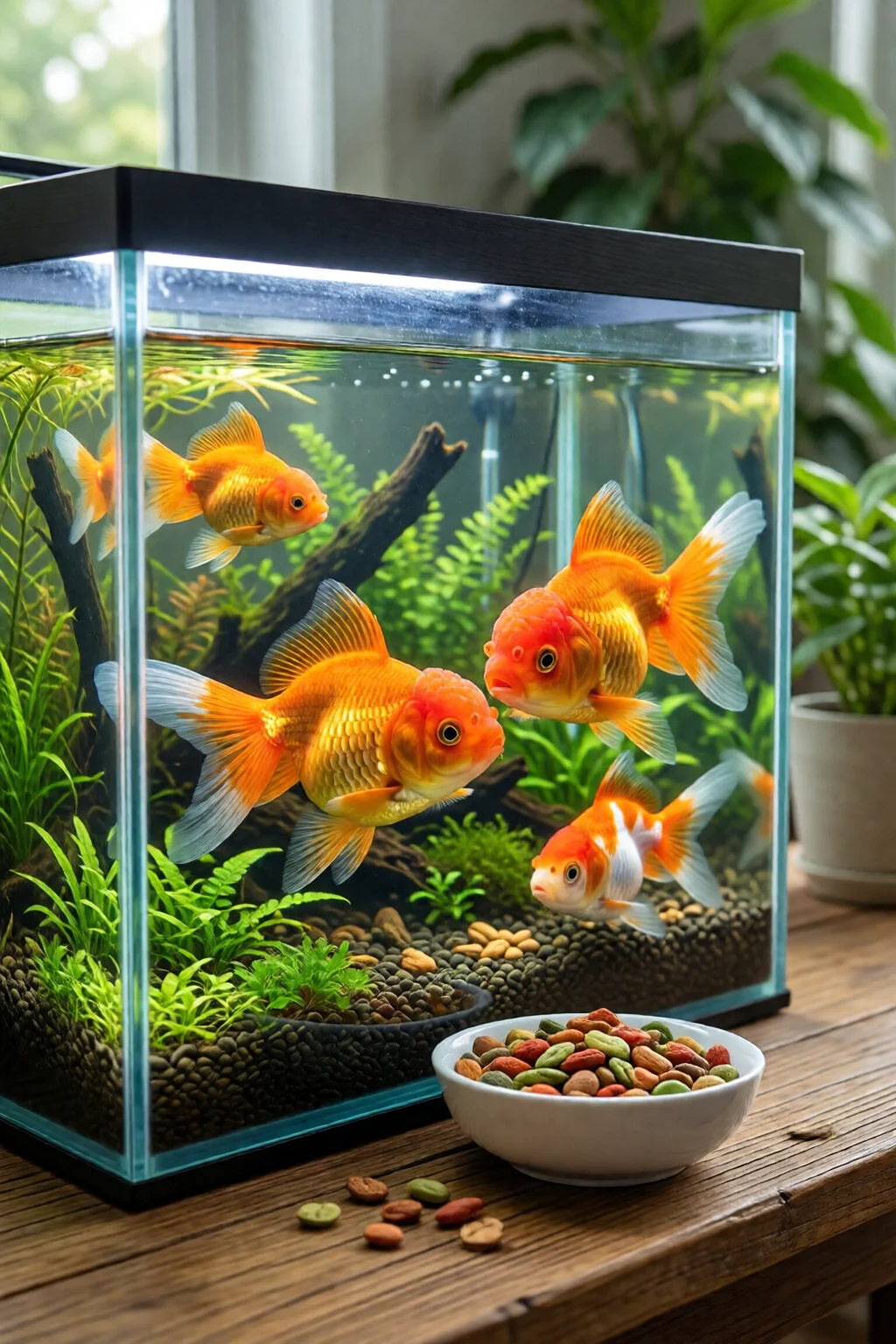
What You Will Need (Before You Start)
- Tank: Minimum 30 gallons (114 L) for a single fancy goldfish; 40 gallons (151 L) for a comet. A glass aquarium from Aqueon (30‑gal, $149.99) or Marineland (40‑gal, $179.99) works well.
- Filtration: Canister filter rated for at least 5× tank volume (e.g., Fluval 207, 5‑stage, $99.95) or a hang‑on‑back filter with a bio‑media cartridge (e.g., Tetra Whisper, $39.99).
- Heater (optional): Goldfish thrive at 65‑75 °F (18‑24 °C); if your home is cooler, a Cobalt Aquatics Neo-Therm (50‑W, $59.95) maintains stable temperature.
- Substrate: Fine sand (0‑2 mm) or smooth river rock; avoid sharp gravel. A 10‑lb bag of CaribSea Eco-Complete sand costs $29.95.
- Water Conditioner: Seachem Prime (250 ml, $14.99) to neutralize chlorine and chloramines.
- Test Kit: API Freshwater Master Test Kit ($24.95) for ammonia, nitrite, nitrate, pH.
- Lighting: LED fixture with adjustable spectrum (e.g., NICREW SkyLED, 30‑W, $49.99).
- Food: High‑quality flake or pellet goldfish diet (e.g., Hikari Goldfish Gold, 2 lb, $9.99) plus occasional frozen bloodworms.
- Cleaning Tools: Algae scraper, siphon hose, magnetic glass cleaner.
- Optional Decor: Live plants like Java fern or best aquarium plants for beginners, and a ceramic filter media holder.
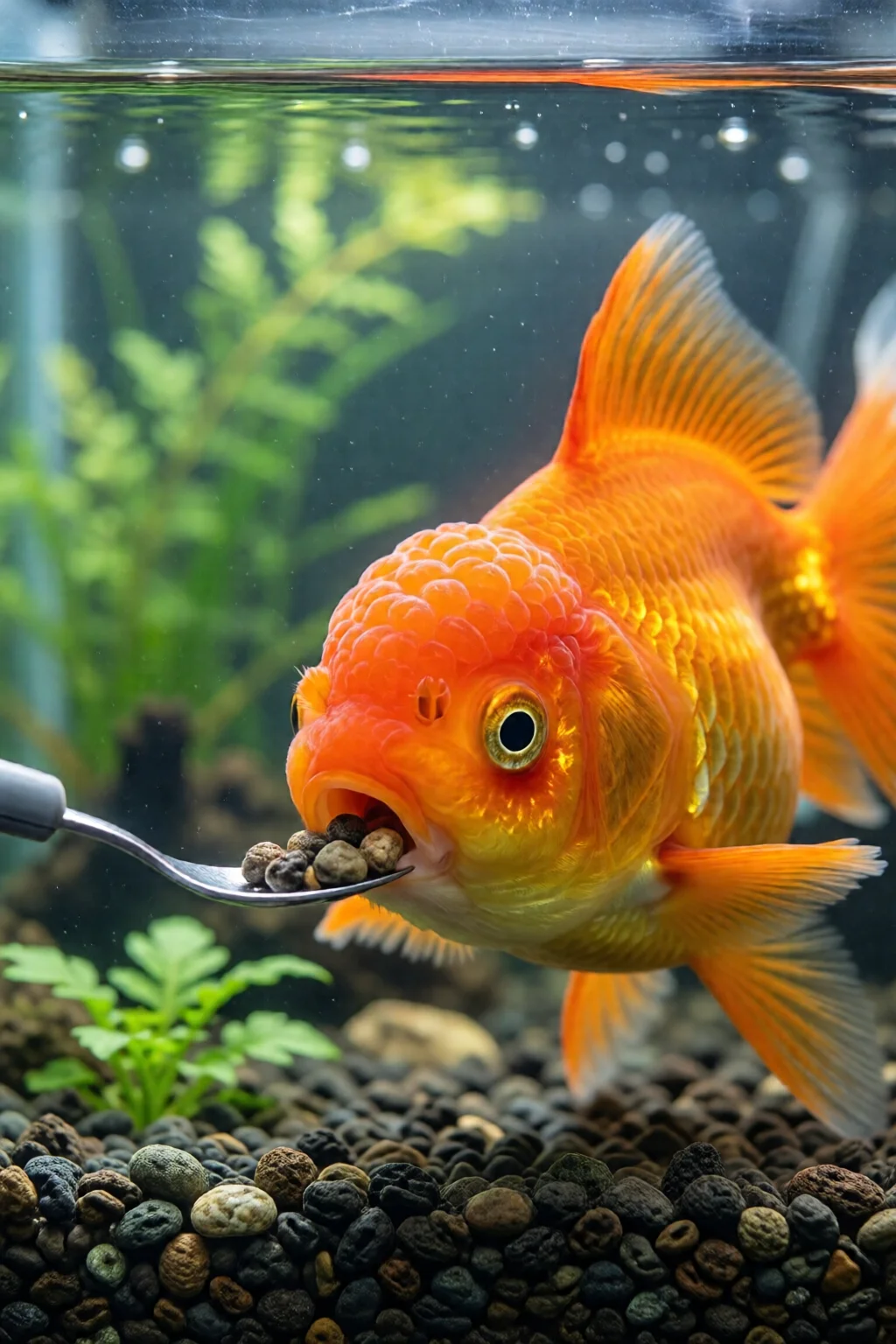
Step 1: Choose the Right Tank and Position It
The first mistake many new owners make is under‑estimating space. Goldfish can grow up to 12 inches (30 cm) and produce a lot of waste. A 30‑gallon tank provides roughly 10 gallons (38 L) per inch of adult fish, which is the minimum recommended volume. Place the tank on a sturdy, level stand away from direct sunlight to prevent algae blooms and temperature spikes.
Step 2: Set Up Filtration and Aeration
Goldfish are notorious for their high bioload. A canister filter like the Fluval 207 circulates water at 250 gph, three times the tank volume per hour, and offers mechanical, biological, and chemical filtration. Install an air stone connected to an airstone pump ($19.99) to increase oxygen saturation; goldfish love a gentle surface current.
Step 3: Prepare the Substrate and Decor
Rinse the sand or gravel thoroughly until the water runs clear. Spread a 1‑inch layer (≈2 cm) across the bottom. Add smooth rocks or driftwood for hiding spots, but avoid sharp edges that could tear delicate fins. If you opt for live plants, rinse roots and plant them firmly; plants help absorb nitrates and provide natural cover.
Step 4: Cycle the Water Properly
“Cycling” establishes beneficial bacteria that convert toxic ammonia → nitrite → nitrate. Fill the tank with dechlorinated tap water, add Seachem Prime (5 ml per 20 gallons), and set the filter running. Introduce a source of ammonia—either a pinch of fish food or pure ammonia (0.5 ppm). Test daily with the API kit. Expect ammonia to spike within 24‑48 hours, nitrite to appear after 4‑7 days, and nitrate to rise after 10‑14 days. Complete the cycle when ammonia and nitrite are both 0 ppm and nitrate is below 20 ppm. This process typically takes 4‑6 weeks; patience now prevents disease later.
Step 5: Introduce Your Goldfish Safely
Acclimation avoids shock. Float the sealed bag (or transport container) in the tank for 15 minutes to equalize temperature. Then, open the bag and add 1 cup of tank water every 5 minutes for 30 minutes. Use a soft net to transfer the fish, never pour directly. Observe for stress signs—rapid gill movement or clamped fins—and give the fish a quiet corner to settle.
Step 6: Establish a Feeding Routine
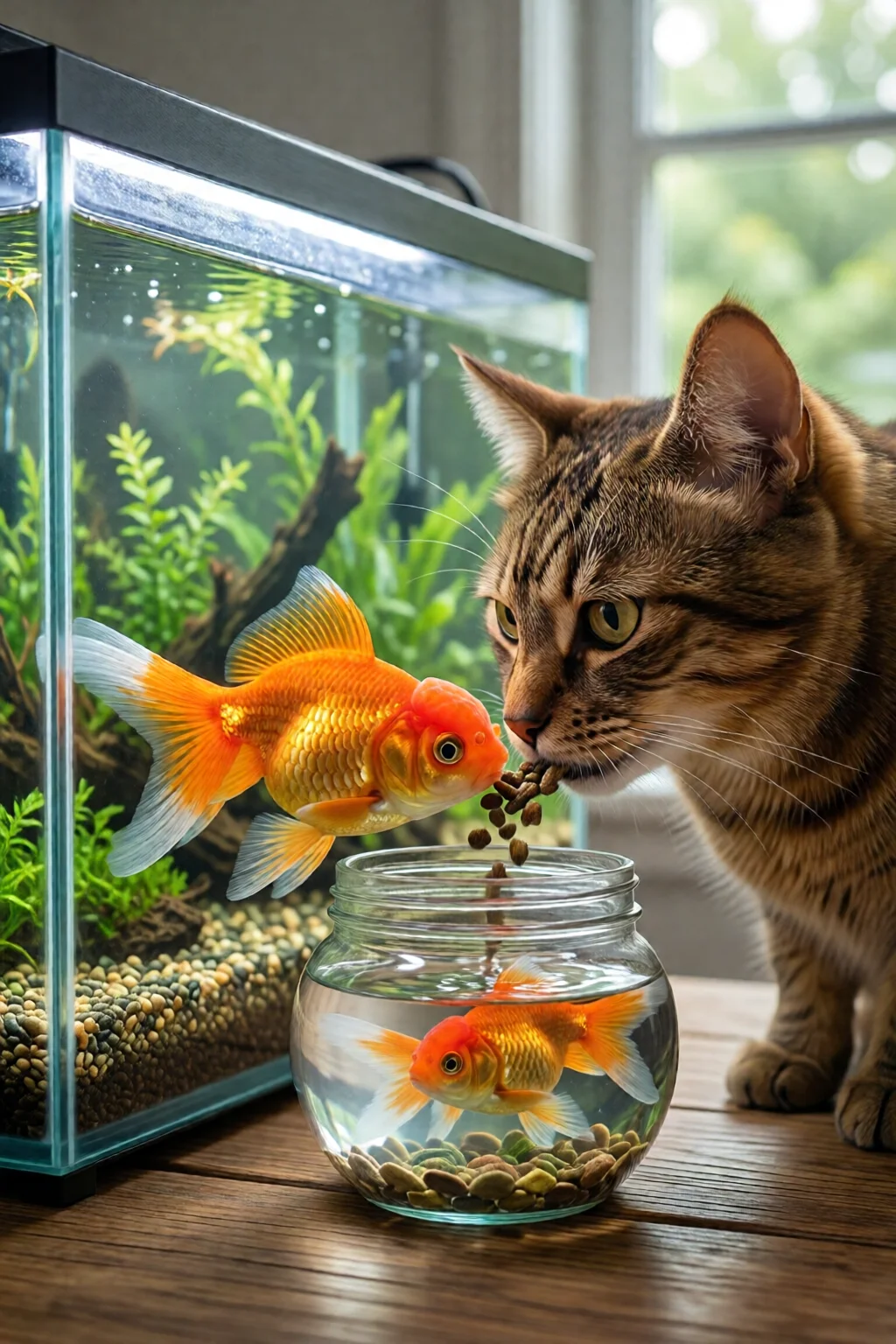
Goldfish have a simple digestive system but can overeat easily. Feed 2‑3% of body weight per day, split into two meals. For a 200‑gram fish, that’s roughly 4‑6 grams of high‑quality flakes or pellets (about the size of a pea). Soak dry food for 10 seconds to prevent it from swelling and polluting the water. Supplement with frozen bloodworms once a week for protein diversity. In my experience, a consistent schedule reduces waste and keeps the water clearer.
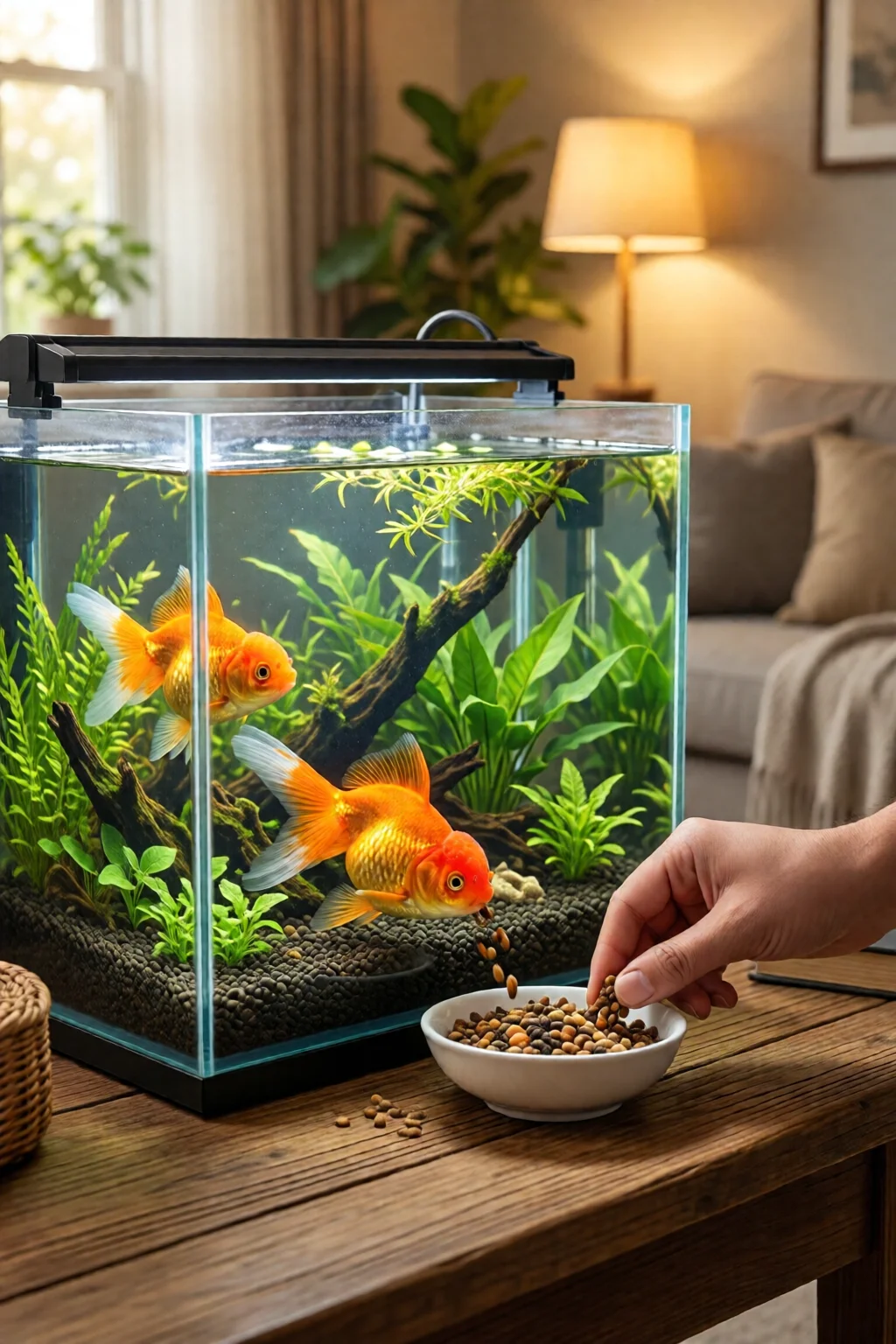
Common Mistakes to Avoid
- Too Small a Tank: Bowls or 5‑gallon tanks cause stunted growth and early death. Remember, each goldfish needs at least 10 gallons of water.
- Skipping the Cycle: Adding fish to an uncycled tank leads to ammonia poisoning. The “new tank syndrome” is a leading cause of loss.
- Overfeeding: Excess food decomposes, raising ammonia. One mistake I see often is treating goldfish like a goldfish cracker—more is not better.
- Neglecting Water Changes: Even with a robust filter, replace 20‑30% of water weekly once the tank is cycled. Use a gravel vacuum to remove detritus.
- Using Incompatible Decor: Sharp ornaments or plastic plants that leach chemicals can damage fins and affect water chemistry.
- Ignoring Temperature Fluctuations: Sudden drops below 60 °F (15 °C) stress goldfish. A heater with an automatic thermostat mitigates this.
Troubleshooting and Tips for Best Results
Cloudy Water: Usually a sign of bacterial bloom during cycling. Add a UV sterilizer (Coralife Turbo-Twist, $129.95) if cloudiness persists after the cycle.
Fin Rot: Look for ragged, white edges on fins. Increase water flow, perform a 30% water change, and treat with Melafix (30 ml, $12.99) for 5 days.
White Spots (Ich): Raise temperature gradually to 78 °F (25.5 °C) and add a copper‑based medication like API Ich‑Free (30 ml, $14.99). Quarantine new fish for 2 weeks before introduction.
Goldfish Not Eating: Check water parameters; high ammonia or nitrite suppress appetite. Also, ensure food size matches mouth size—tiny fry need finely crushed flakes.
Growth Stagnation: Verify tank size; cramped conditions limit growth. Consider upgrading to a larger tank or adding a second filter to improve bio‑load capacity.
For a broader perspective on beginner-friendly aquatic pets, see the best fish for beginners freshwater article. If you ever decide to share the tank with a hardy guppy, read about guppy fish care breeding and varieties to avoid compatibility issues.
Summary
This goldfish care guide tank setup and feeding roadmap equips you with everything from choosing a proper 30‑gallon aquarium to mastering the nitrogen cycle and feeding a balanced diet. By investing in quality equipment, respecting the bioload, and maintaining consistent water parameters, you’ll enjoy the graceful glide of healthy goldfish for a decade or more. Remember: the effort you put in now prevents costly emergencies later, and the reward is a shimmering, lively centerpiece in your home.
How often should I change the water in a goldfish tank?
Once the tank is fully cycled, replace 20‑30% of the water weekly. Use a gravel vacuum to remove debris and always treat tap water with a conditioner.
Can goldfish live in a 10‑gallon tank?
No. A single fancy goldfish needs at least 30 gallons, and a comet goldfish requires 40 gallons. Smaller tanks lead to stunted growth and health problems.
What is the best food for goldfish?
High‑quality flakes or pellets formulated for goldfish, such as Hikari Goldfish Gold, are ideal. Supplement with occasional frozen bloodworms or daphnia for protein variety.
Do goldfish need a heater?
Goldfish thrive at 65‑75 °F (18‑24 °C). If ambient room temperature falls below 60 °F (15 °C), a small aquarium heater with an automatic thermostat is recommended.
How can I prevent algae in my goldfish tank?
Limit direct sunlight, perform regular water changes, use a UV sterilizer if needed, and avoid overfeeding. Live plants also compete with algae for nutrients.
2 commentaires sur « Goldfish Care Guide Tank Setup And Feeding – Everything You Need to Know »